


For years, Apple has approached its affordable iPhones with a predictable formula: take an older flagship design, remove a few premium features, lower the price slightly, and position it as the “entry point” into the ecosystem. Financially, the strategy works. Emotionally, it often does not.
That is exactly why the upcoming iPhone 18e represents such a major opportunity for Apple. Instead of treating it as another watered-down flagship, Apple should fully embrace a “Neo” identity, one built around color, personality, experimentation, and smart hardware reuse. Apple has already executed it perfectly with the MacBook Neo. It just needs to follow that template for an affordable iPhone.
The keyword here is identity
For all of Apple’s obsession with design, the company has become surprisingly conservative with the iPhone lineup. Modern iPhones are beautifully engineered, but they increasingly look and feel interchangeable. Whether it is the Pro lineup or the standard models, most devices now exist in muted shades of black, gray, silver, or dark blue. (Barring the cosmic orange iPhone 17 Pro, of course.)
Apple once understood the emotional power of playful hardware much better than it does today. The iPhone 5c remains one of the most distinct iPhones Apple has ever shipped because it embraced being different. Released in 2013, the device came in bright blue, green, yellow, pink, and white finishes. It was cheerful, approachable, and visually confident in a way modern iPhones rarely are.
Apple should bring back bold finishes that immediately separate the iPhone 18e from the increasingly corporate-looking Pro models. Neon orange, lime green, electric blue, lavender purple, or translucent-inspired finishes would instantly give the device personality.
The company already understands how effective this strategy can be. Its colorful iMac lineup continues to attract attention precisely because it looks expressive in a market full of gray boxes. The smartphone market itself is also changing in ways that make this strategy more important.
The iPhone 18e could become strategically important because it allows Apple to appeal to younger buyers, first-time iPhone users, and consumers who no longer want to spend flagship-level money every two years. And the timing may force Apple’s hand anyway. Apple is facing significantly higher memory and manufacturing costs. Some estimates indicate future devices could see component cost increases approaching $300, depending on configurations and sourcing.
That reality changes everything. If manufacturing costs continue rising, Apple will almost certainly rely more heavily on component reuse and “binning” older parts into future devices. Instead of hiding that strategy, the company should embrace it creatively.


The automotive industry has done this for decades. Carmakers reuse older platforms, engines, and parts across multiple models while differentiating products through styling and positioning. Consumers rarely care as long as the final product feels intentional.
Make the hardware stand out, without making it breathe fire?
Use proven chipsets from previous-generation iPhones. Reuse older camera systems. Bring back Touch ID through a side-mounted sensor if necessary. None of those compromises matters if the phone has character.
Apple could even experiment with physical design in ways the Pro lineup no longer allows. A slightly more compact body could make the iPhone 18e stand out immediately in a sea of oversized phones.

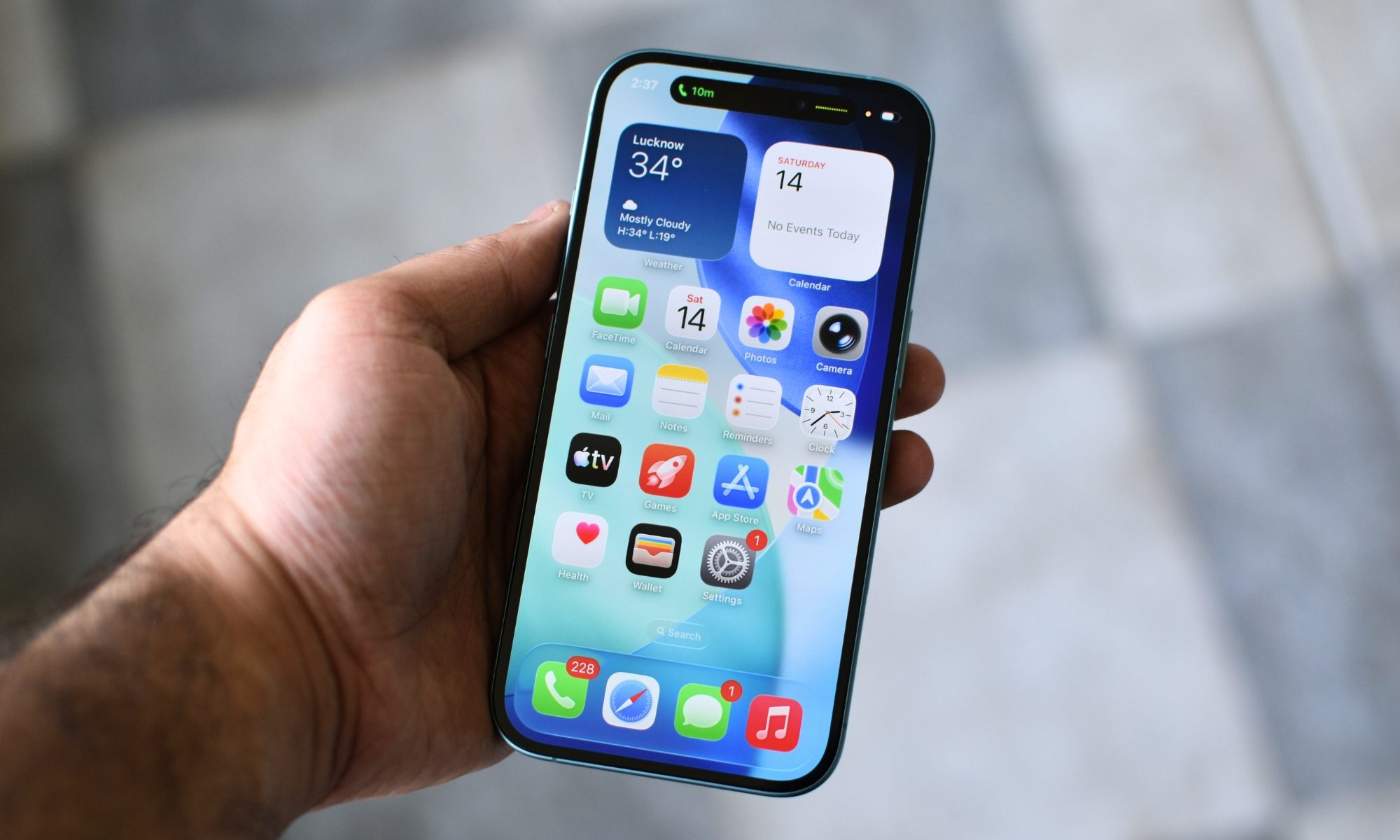
A compact, colorful, playful iPhone 18e priced meaningfully below the flagship lineup could finally give Apple a truly distinct lower-end device instead of another compromised clone.
It would make the phone memorable.
That is something modern iPhones increasingly struggle with. Today’s devices are technically incredible, but emotionally flat. The iPhone 18e is Apple’s chance to rediscover the kind of creativity that once made its products feel exciting rather than merely expensive. Yes, the iPhone 17 Pro does stand out in its cosmic orange shade, but it’s pricey.
We want something more in the lines of a Neo device, like the MacBook Neo. The “Neo” treatment should not just mean “cheaper.” It should mean new. And right now, Apple needs that energy more than ever.