


Before the Made by Google event even went live, Google disclosed everything about its new hardware lineup: four new Pixel 11 phones, the Pixel Watch 5, its first-ever tracker, refreshed Pixel Buds Pro 2, and a range of new Gemini-powered software features.
The good news is that everything announced today is available for pre-order and will hit stores on August 20, 2026. Prices have also increased across the lineup. Without any further ado, here’s everything Google announced today.
Made by Google 2026: At a glance
| Product | Starting Price | Colors | Display | Available |
| Pixel 11 | $899 | Frost, Obsidian, Pistachio, Hibiscus | 6.3″ | August 20 |
| Pixel 11 Pro | $1,099 | Canyon, Fog, Olive, Obsidian | 6.3″ | August 20 |
| Pixel 11 Pro XL | $1,299 | Canyon, Fog, Olive, Obsidian | 6.8″ | August 20 |
| Pixel 11 Pro Fold | $1,899 | Obsidian, Olive | 6.5″ cover / 8″ inner | August 20 |
| Pixel Watch 5 | $399 (41mm) / $429 (45mm) | Canyon, Olive, Fog, Obsidian | 41mm / 45mm | August 20 |
| Pixel Tag | $29 (1-pack) / $99 (4-pack) | Fog | — | November 11 |
| Pixel Buds Pro 2 | $229 | Olive (new), Porcelain, Peony, Hazel, Moonstone | — | Today |

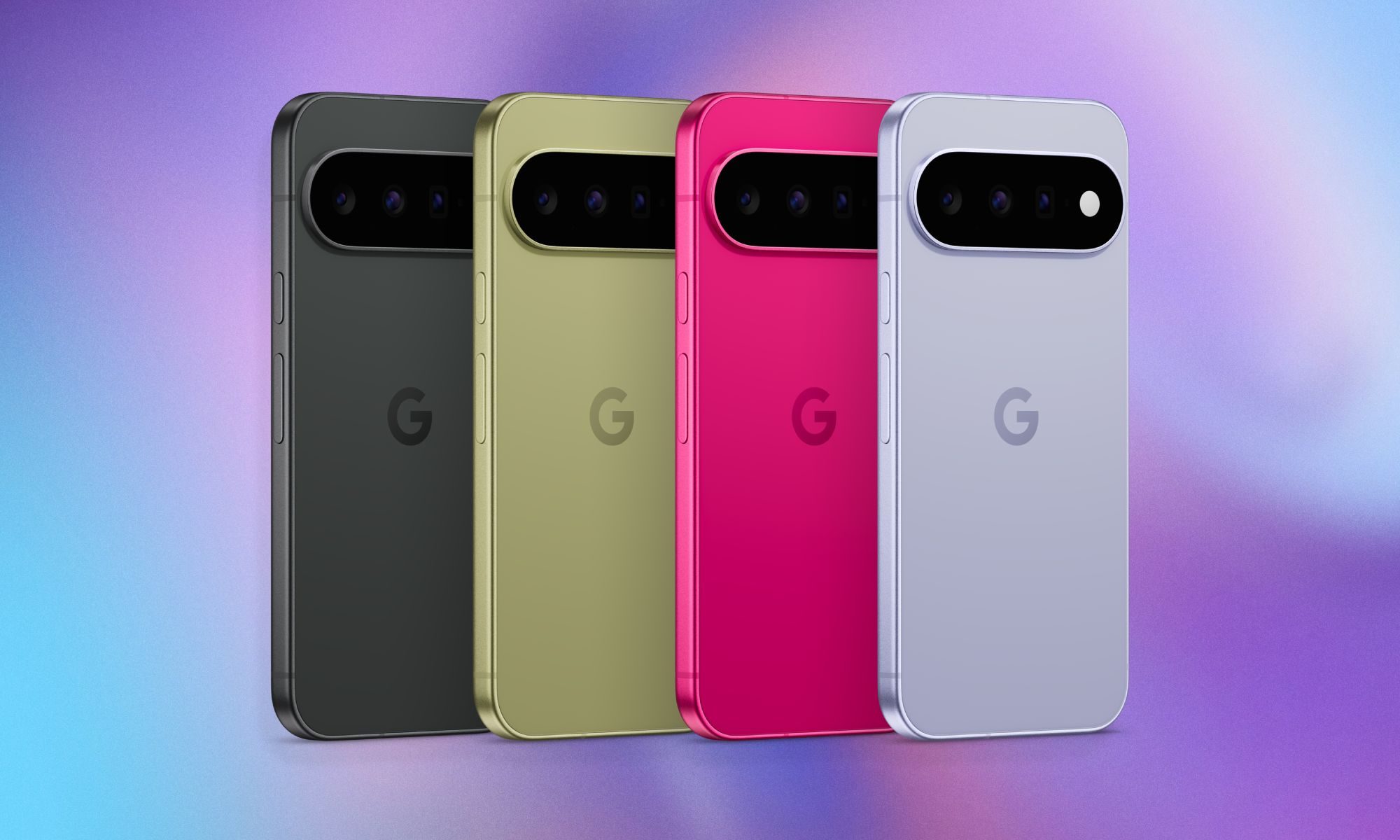
Pixel 11 gets the new Tensor G6 chip
Let me start with the phone that most people will actually buy. The base Pixel 11 starts from $899 and is available in Frost, Obsidian, Pistachio, and Hibiscus. While the overall design of the handset remains the same, the front bezels are noticeably slimmer, and the horizontal camera bar at the back is around 40% thinner.
Even the baseline Pixel 11 gets the new Tensor G6 (2nm) SoC, paired with 12GB of RAM and up to 512GB of storage. Google claims that the chipset offers up to 25% faster browsing and 15% faster app loads, and a 50% faster TPU for on-device AI features. Regarding optics, the device gets a new 48MP primary sensor with a bigger sensor (1/1.56” vs. 1/2″) that lets in 56% more light.

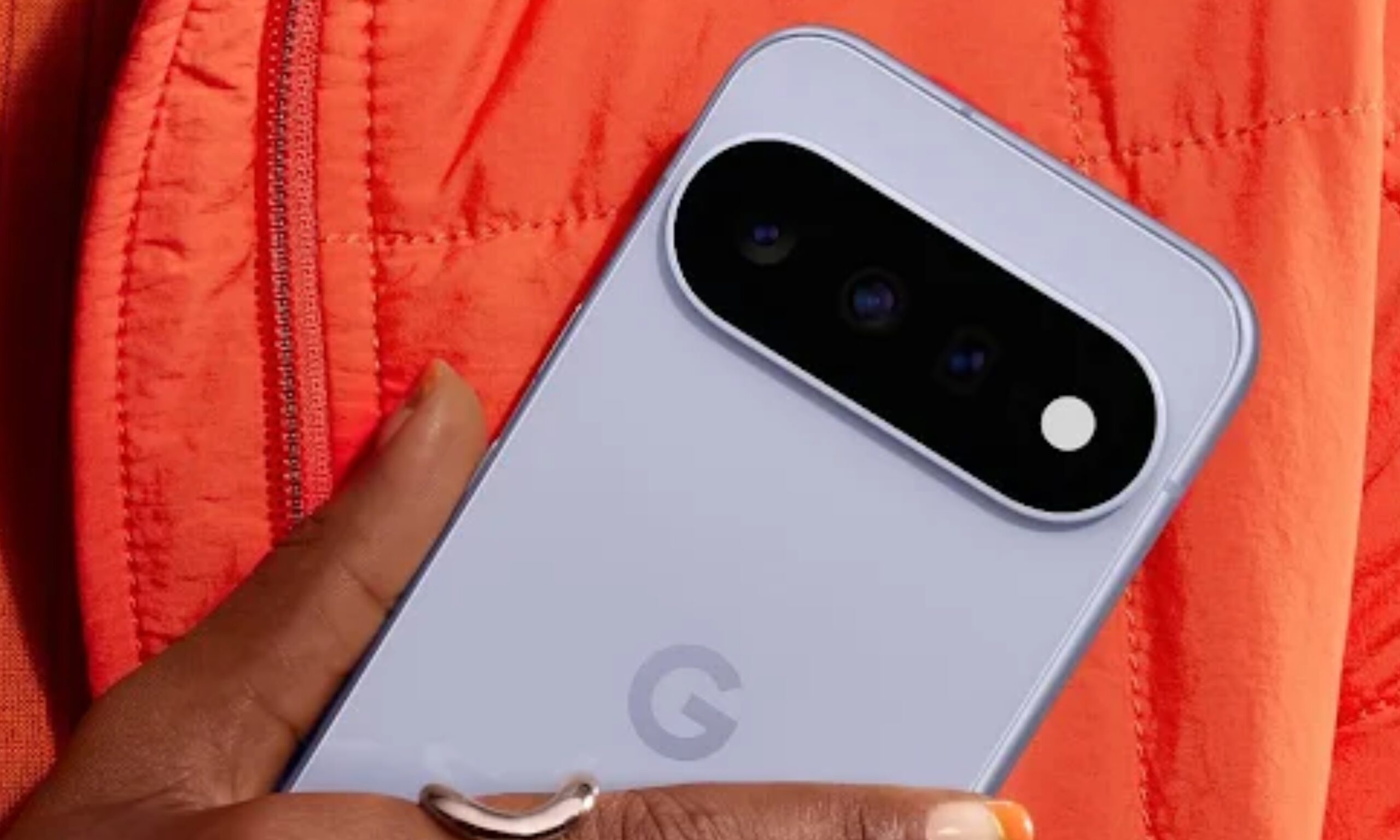
The telephoto and ultrawide cameras remain the same as last year, though the maximum zoom has been stretched to 30x. With a 4,985 mAh battery on board, the Pixel 11 is rated to provide “30+” hours of battery life. Using a 30W USB-C PPS adapter, you can charge the phone up to 55% in about 30 minutes; it also supports Pixelsnap charging at 25W, a first for a non-Pro Pixel.
Pixel 11 Pro models get new camera sensors and HiLight
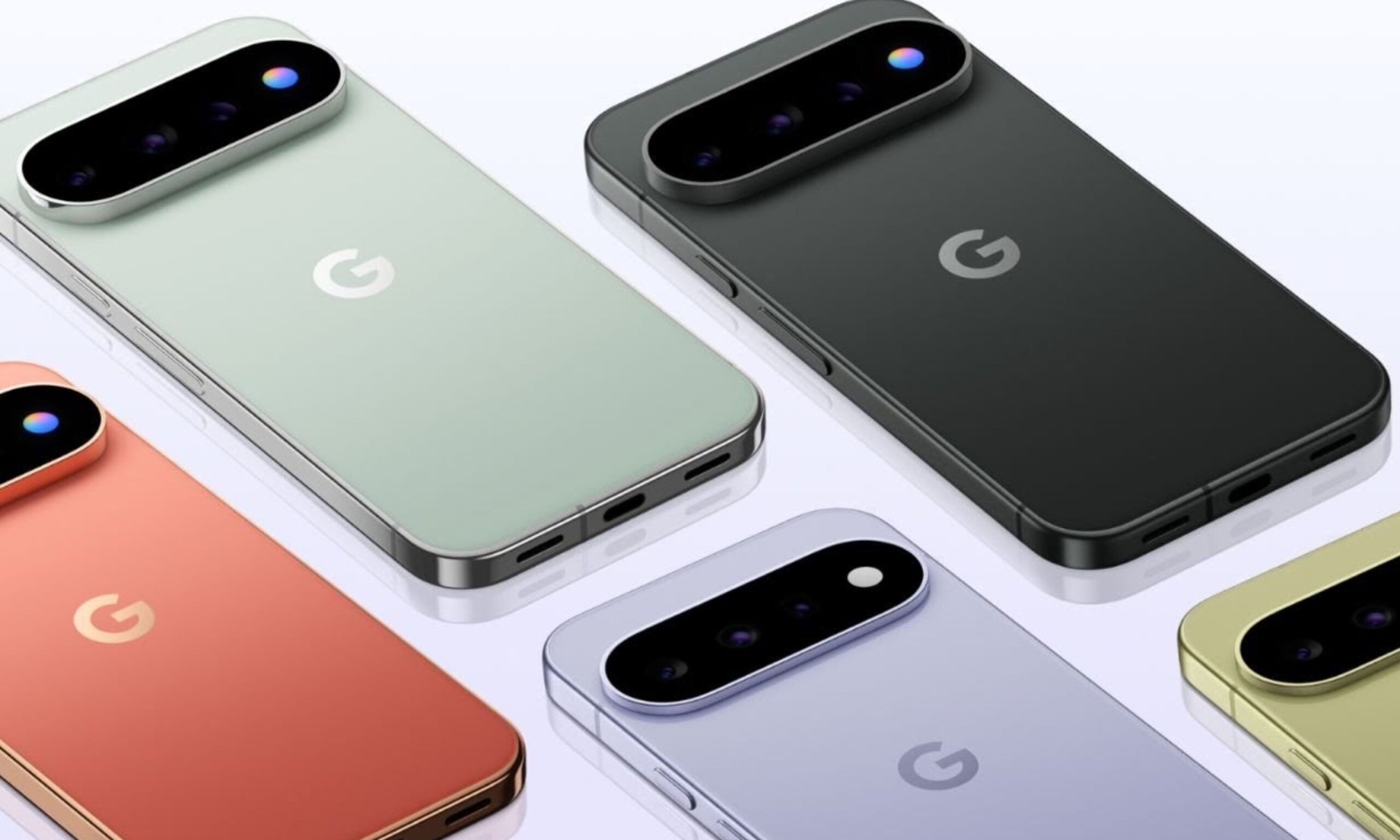
For the Pro models, Google is sticking with the same two-size approach: 6.3-inch and 6.8-inch. Though a new all-matte Obsidian finish joins returning Canyon, Fog, and Olive options.
Speaking of the screen sizes, both of them feature a Super Actua panel, which now peaks at 3,600 nits. The display is protected by Corning Gorilla Glass Victus 2, which is twice as scratch-resistant as the one on the Pixel 10 Pro.
The Pro models also flaunt HiLight, an RGB LED ring light built around the LED flash module that glows for Gemini interactions and incoming calls from specific callers. Like the regular Pixel 11, the Pixel 11 Pro models also feature the new Tensor G6 chipset, paired with either 12GB of RAM on the 256GB variant and 16GB of RAM on the 512GB and 1TB storage variants.
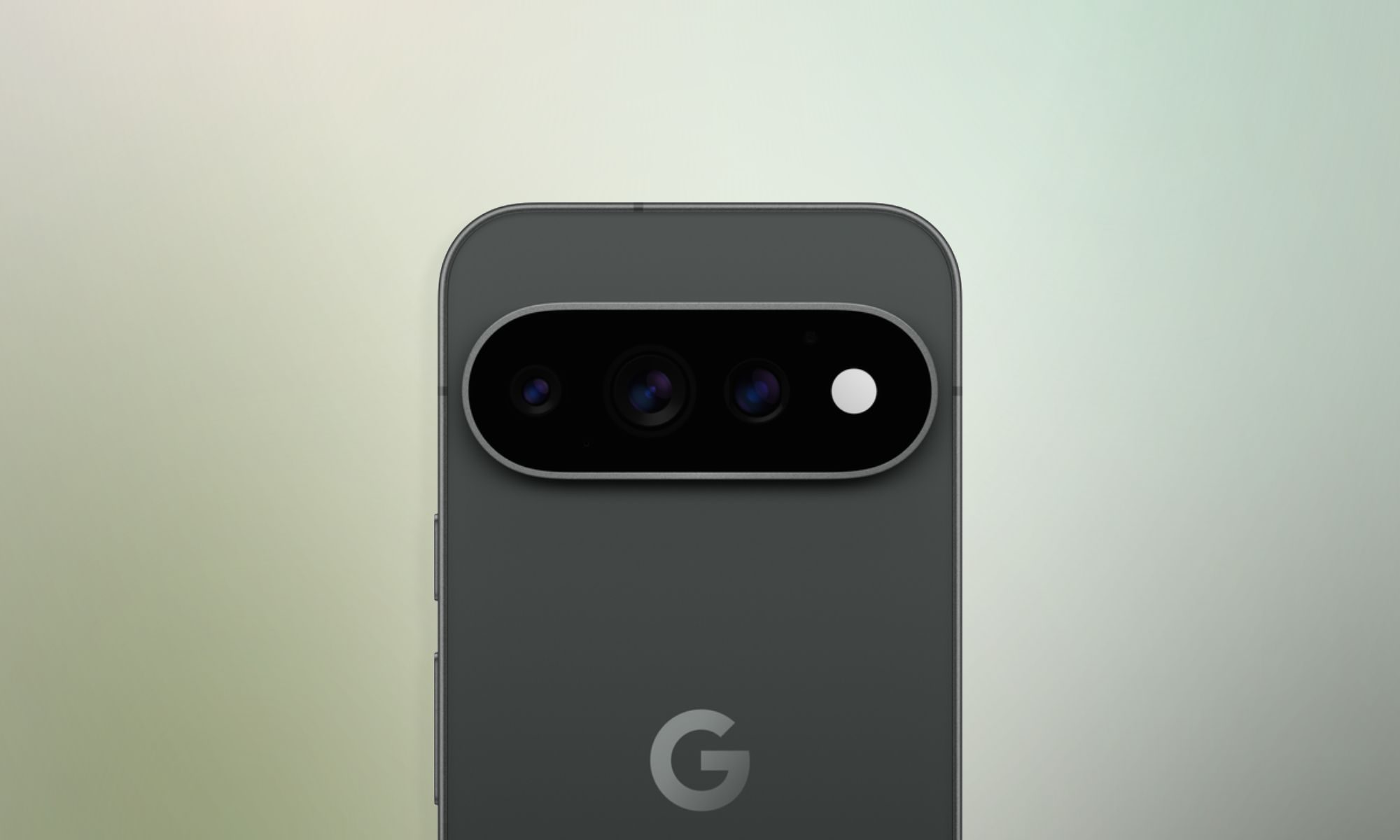
Regarding cameras, the Pixel 11 Pro gets a new 50MP (f/1.68) primary camera with a 1.1/3″ sensor, along with an improved 48MP (f/2.8) 5x telephoto camera with a bigger 1/1.95” sensor. The telephoto gets in 30% more light, supports portrait mode at 5x zoom, and goes all the way up to 120x with cloud-based processing. Night Sight, Google’s dedicated nighttime photography mode, is up to 4.5 times faster as well. The company has also included 8K 30 fps videos in case anyone needs it.
Battery capacity actually shrank this time around. The Pro sits at roughly 4,850 mAh, while the Pro XL sits at 5,115 mAh. Charging speeds still improved regardless, with the Pro XL delivering 15 hours of battery life from a 15-minute wired charge. Finally, both phones support 25W Qi2.2 wireless charging.
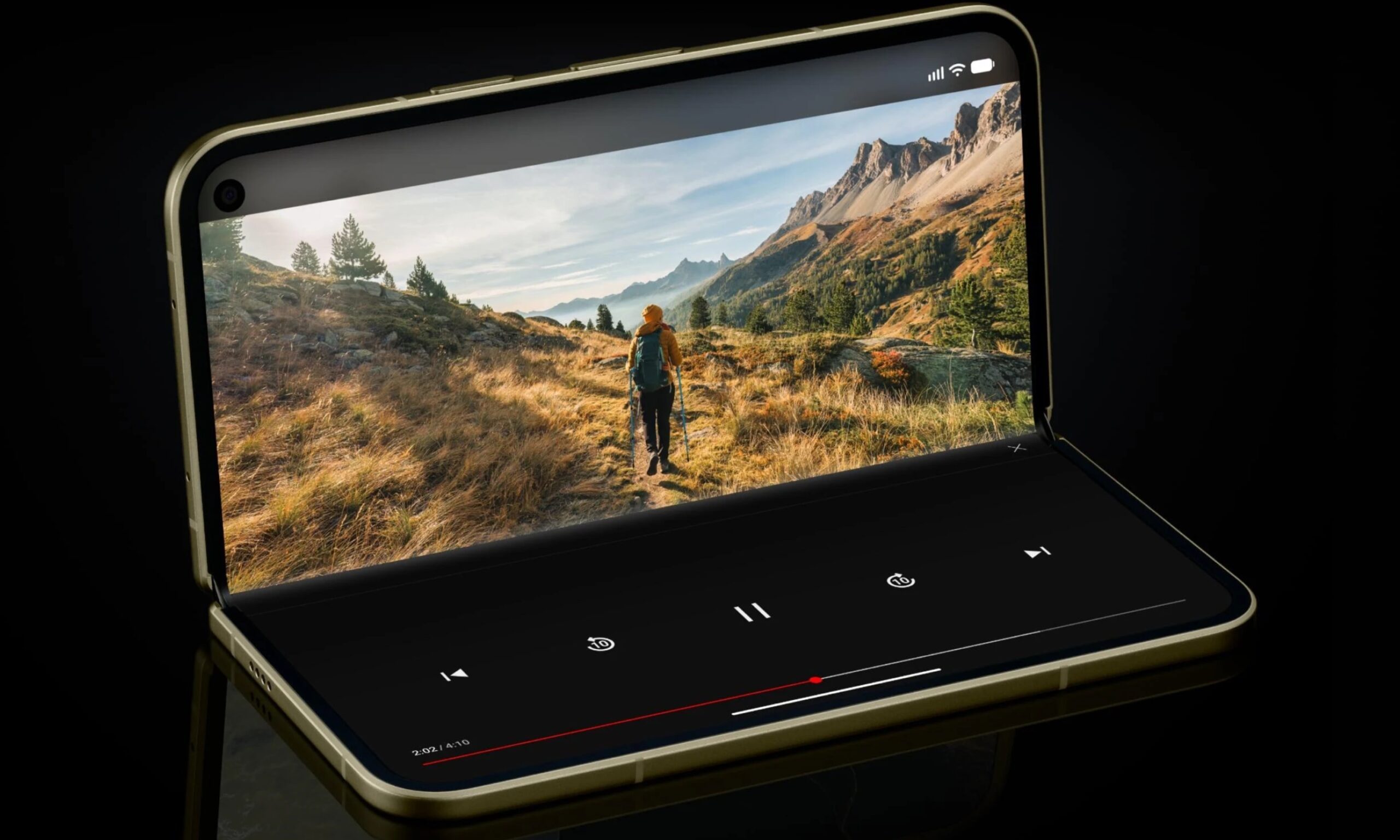
Pixel 11 Pro Fold gets thinner and lighter
Google’s foldable gets an incremental hardware refresh this year, starting with a new glass-fiber composite back panel, paired with a redesigned gearless hinge. Despite that added reinforcement, the whole device comes in 10% lighter and a millimeter thinner, with slimmer bezels all around and an IP68 rating Samsung hasn’t been able to match with its Fold 8 Ultra.
HiLight carries over from the rest of the Pro line too, so even Google’s book-shaped phone gets the same glowing notification ring as its slab-shaped siblings.
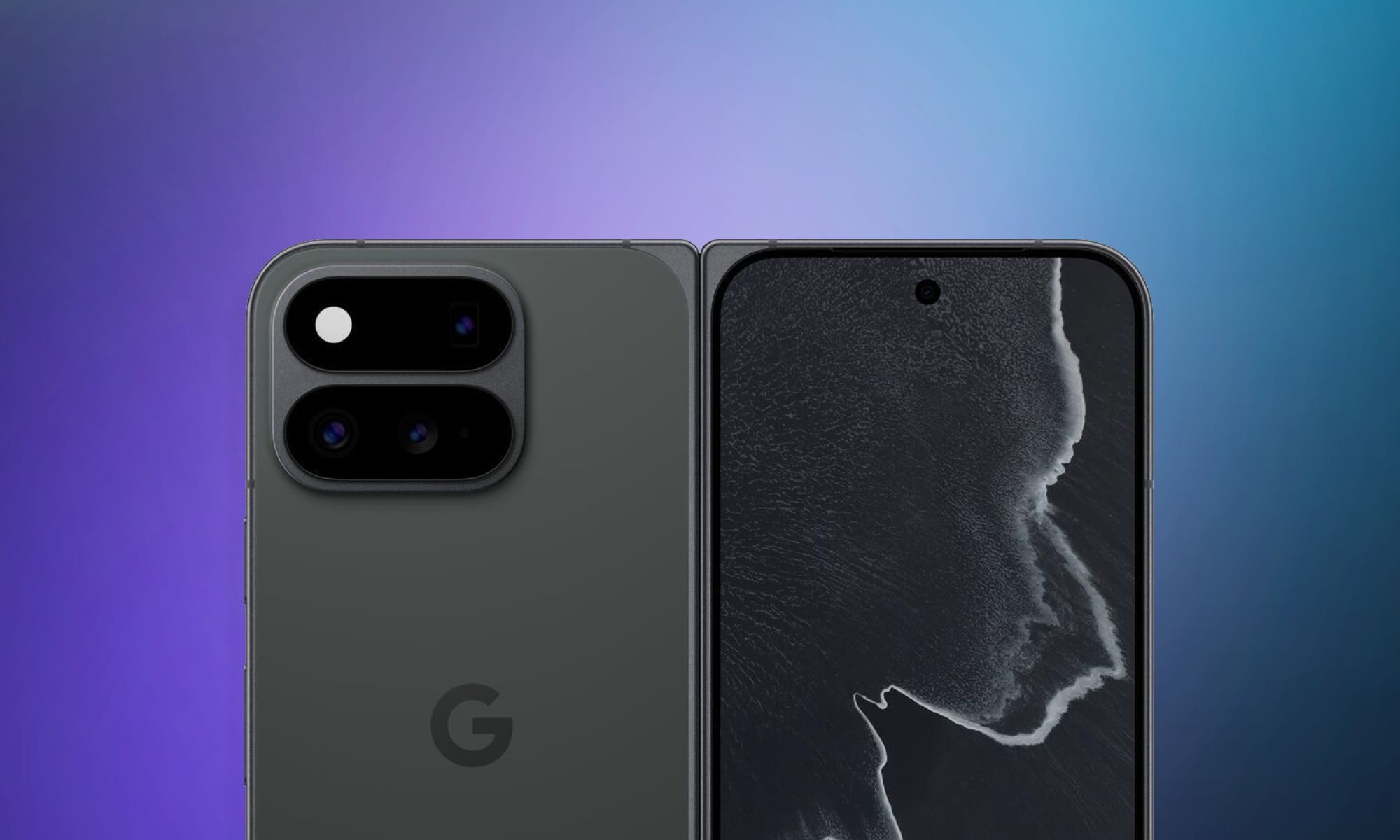
The 6.5-inch Super Actua cover screen now hits up to 3,600 nits, while the 8-inch Super Actua Flex inner display adds HDR support and adaptive refresh, both brighter than what last year’s Fold offered. Performance remains the same story with the new chipset and up to 16GB of RAM, depending on the storage model.
Despite carrying the Pro moniker, this year’s foldable borrows the new 48MP primary camera from the Pixel 11 (not the Pro) while reusing its ultrawide and telephoto shooters. The 4,806 mAh battery is rated for up to 24 hours of use, supports 30W wired charging (up to 50% in about 30 minutes), and wireless charging speed climbs to 25W via Qi2.2.

Pixel 11 ships with Gemini Intelligence
Every Pixel 11 phone ships on Android 17 with Gemini baked even deeper into the operating system. Features announced earlier this year, like Rambler and Gboard’s sign-to-text, are now available to users. Gemini Intelligence on the Pixel 11 series can chain multistep tasks across more than 40 apps.
On the camera front, Magic Capture analyzes roughly 400 frames to nail one well-timed 12-megapixel photo and a video clip at once. It can also auto-crop and unblur the photo/video along the way. On the other hand, the Camera Looks feature adds nine stylized presets for anyone bored with the standard Pixel aesthetic.


Creator Suite now bundles a scrolling teleprompter, framing gridlines, and a Storyboard tool for trimming clips. Google’s Circle to Search now works from the camera viewfinder, while Live Translate dubs real-world video and audio into your language on the fly.
Pixel Watch 5 offers Insulin Resistance Trends
Google has retained the iconic Pixel Watch 5 design. It’s also available in the same 41mm and 45mm cases, with the same 3,000-nit display and an identical up-to-40-hour battery life, with pricing starting at $399 for the 41mm Wi-Fi-only variant. There’s a Stephen Curry Special Edition that runs $579.
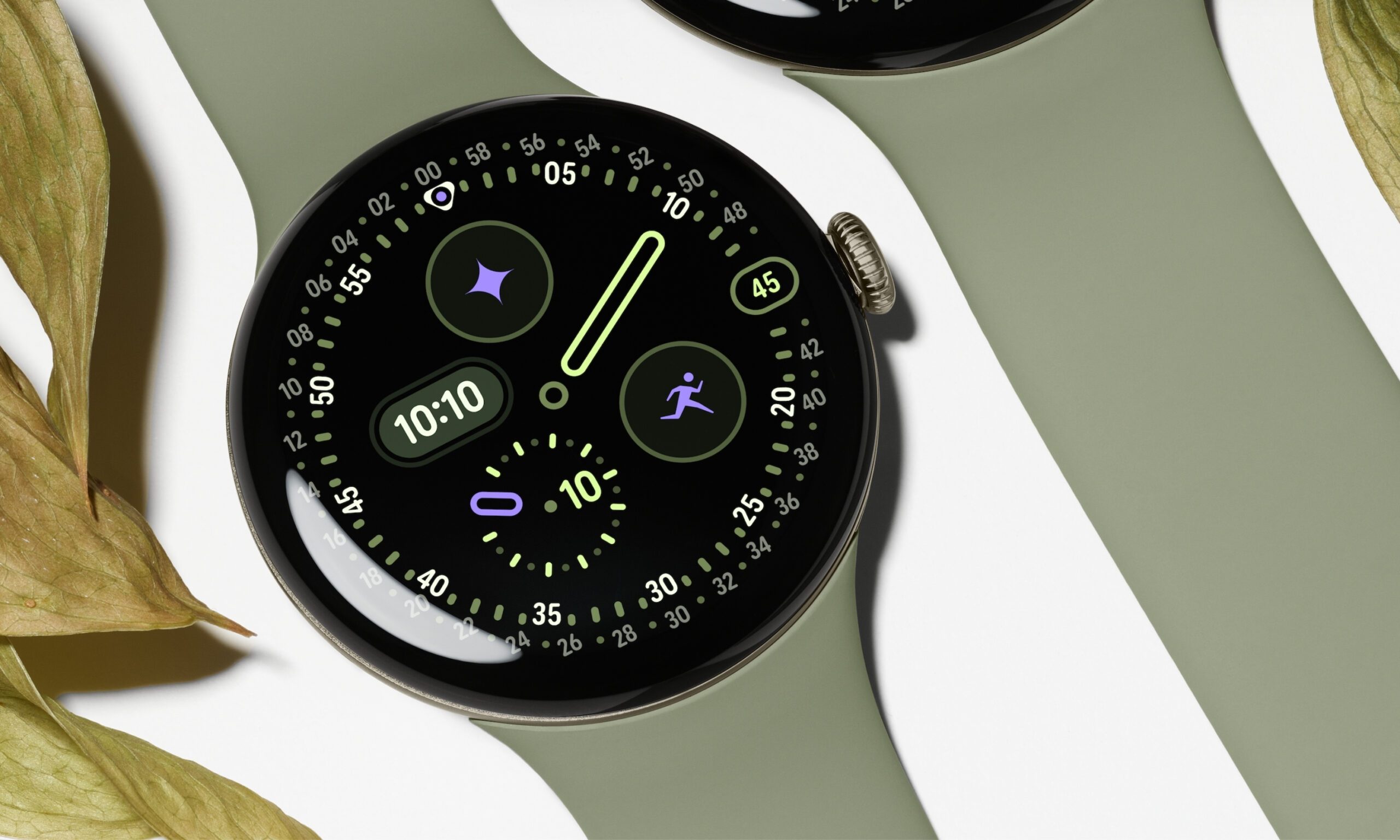
The real change is under the hood. RAM and storage jump to 3GB and 64GB, respectively, so the watch can run Gemini Intelligence on-device (the first Pixel Watch to do so). Then there’s dual-frequency GPS for sharper city and trail runs. A new workout builder lets you assemble custom strength or HIIT routines, or let the Google Health Coach build one for you.
On the fitness front, Health Guardian will add Blood Pressure Trends, Insulin Resistance Trends, and Sleep Breathing Quality via a September update, along with Breathing Emergency Detection.
Google’s AirTag rival is here
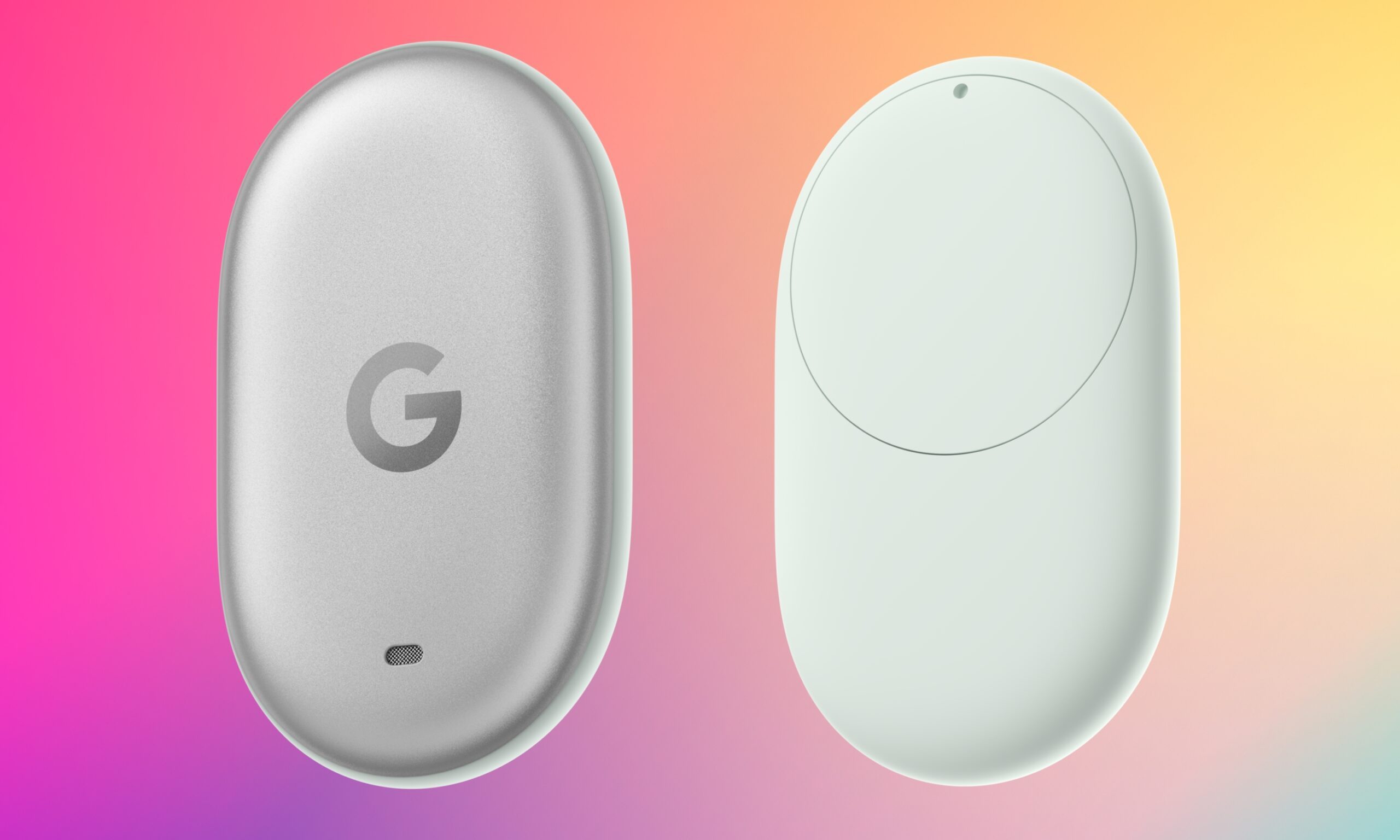
Google finally has an AirTag rival, and it’s called, unsurprisingly, the Pixel Tag. It costs $29 for a single unit or $99 for a four-pack.
The device ditches the round puck shape for a slim, pill-shaped design just 5.4mm thick, and taps into Google’s Find Hub network of over a billion Android devices. It runs on a replaceable CR2032 battery that lasts for over a year.
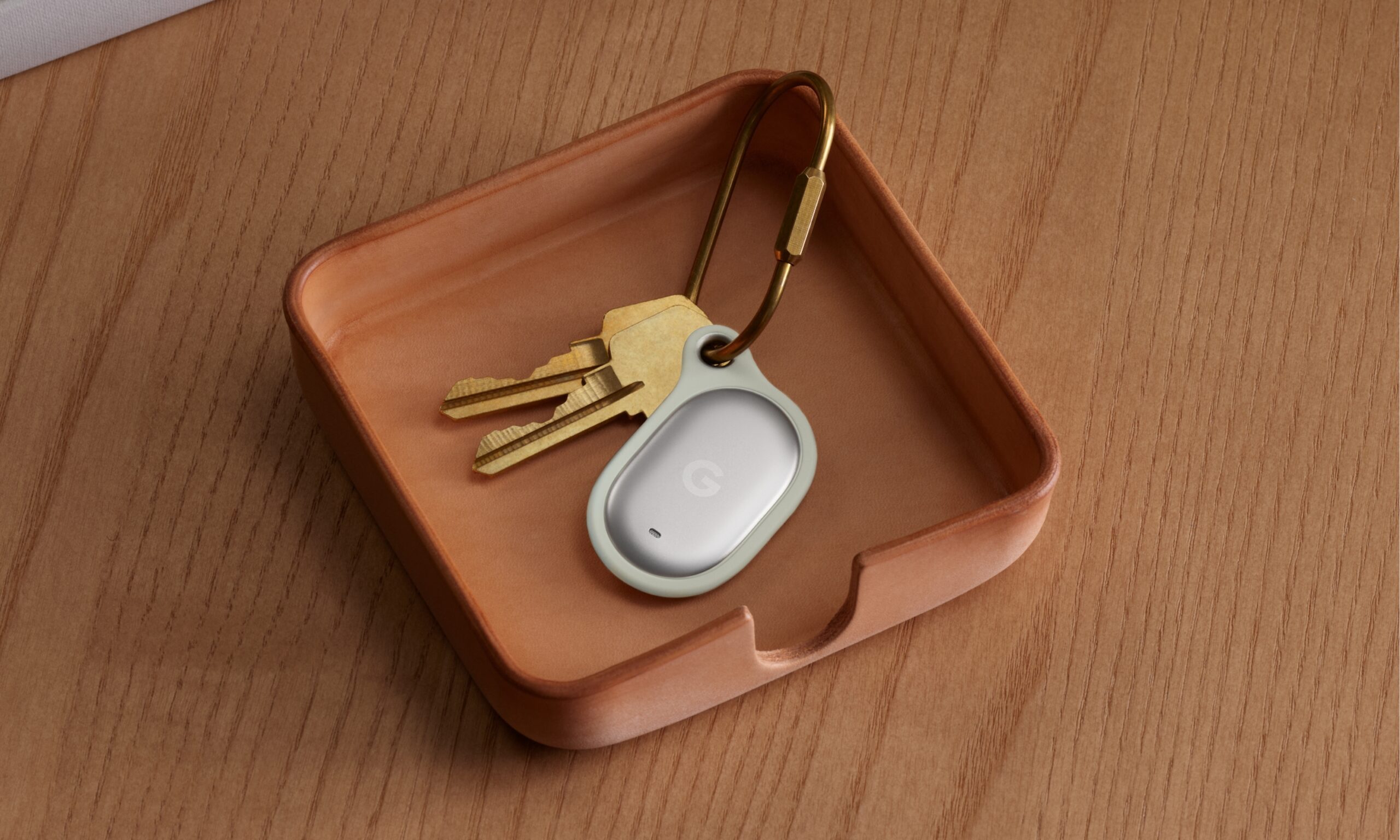
Bluetooth Channel Sounding (new on the Watch 5, works only with Android 16 and Bluetooth v6.0) and Ultra Wideband combine for precise, directional finding within 50 meters. One catch: unlike everything else announced today, the Pixel Tag doesn’t ship until November 11.
Everything else Google announced today
Pixel Buds Pro 2 got their fifth color today: a muted Olive shade built to match the new Olive Pixel 11 Pro. A separate software update landing in September will add new features like Dynamic ANC, Gemini-based audio controls, and a Pixel Watch sleep sync feature to the earbuds.
Google also refreshed its Pixelsnap wireless charging accessories with a new transparent case and more Ring Stand colors.