


Foldables age differently than regular smartphones or flagships. But why do I say this? It’s the hinge and the foldable aspect that wins buyers over in the first place, not the specifications that get outdated every single year. That’s precisely why anyone still carrying last year’s Galaxy Z Fold 7 is asking a fair question today: does Samsung’s freshly unveiled Z Fold 8 Ultra genuinely earn an upgrade, or does the Fold 7 still hold its ground?
And for shoppers who skipped last year’s model entirely and are weighing their first foldable purchase, the calculus is totally different. A now-discounted Fold 7 might undercut the Ultra by a considerable sum, and that could matter to those looking to spend on the form factor, not the latest specifications.
I combed through Samsung’s own documentation for both devices to pin down exactly where the real gaps sit, and help you make an informed decision between the two foldables.
Fold 8 Ultra vs. Fold 7: Price and availability
Price is where this matchup gets interesting fast, mostly because a full product cycle separates these phones on the calendar, yet not by nearly as much on the receipt. Fold 7 (256GB) launched at $1,999.99 back in July 2025. However, it has often been discounted to $1,499.99, most recently during the Amazon Prime Day sale.

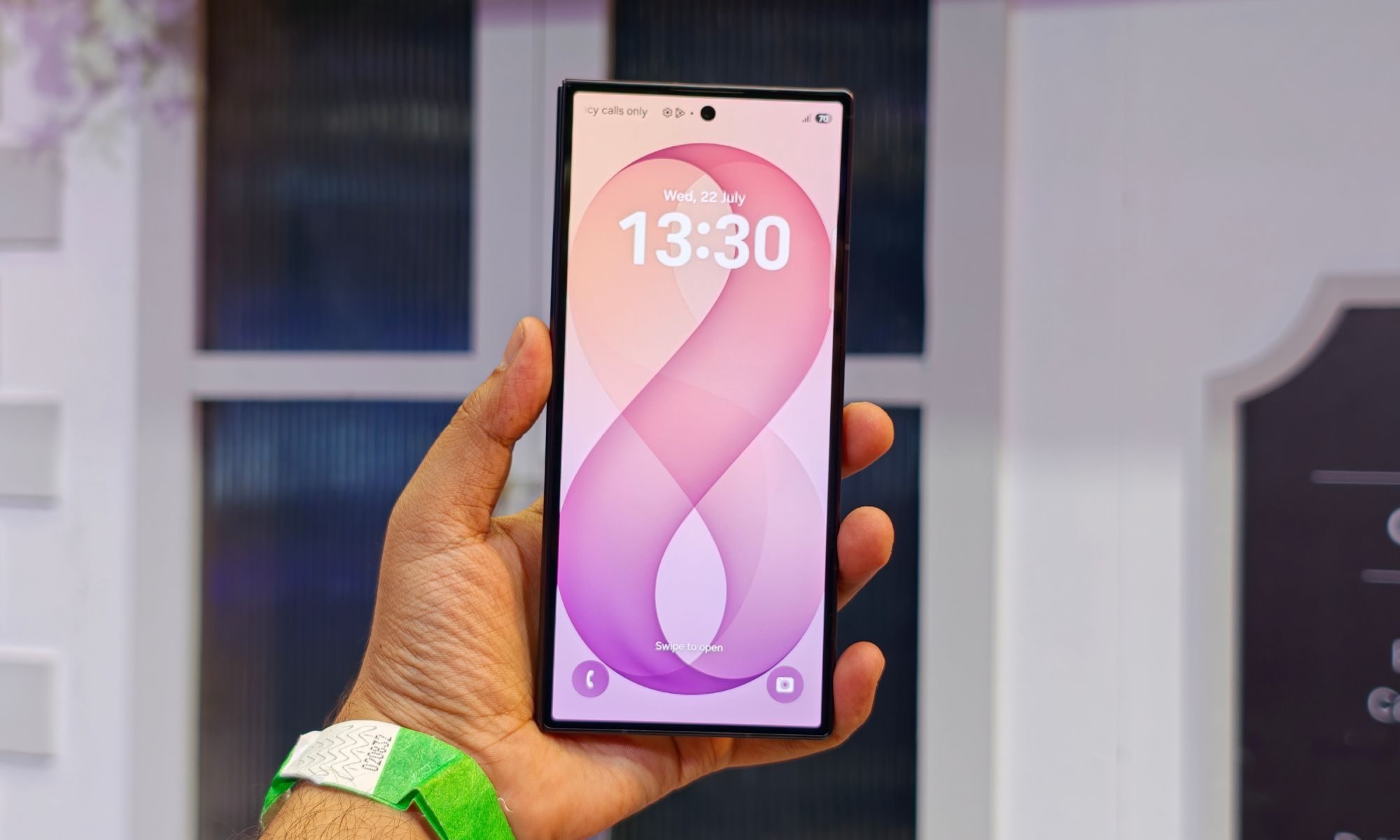
The Fold 8 Ultra (256GB), on the other hand, arrives today at $2,099.99. Turns out, all those rumors about Samsung increasing the price were true, as were those about the company discontinuing the free storage upgrade pre-order offer this year.
| Galaxy Z Fold 8 Ultra | Galaxy Z Fold 7 | |
| Starting Price (US) | $2,099.99 | $1,999.99 |
| Storage Tiers & Pricing | 256GB, 512GB, 1TB | 256GB, 512GB, 1TB |
| Announcement/Launch Date | July 22, 2026 | July 9, 2025 (shipped July 25, 2025) |
| General Availability | August 7, 2026 | Already shipping |
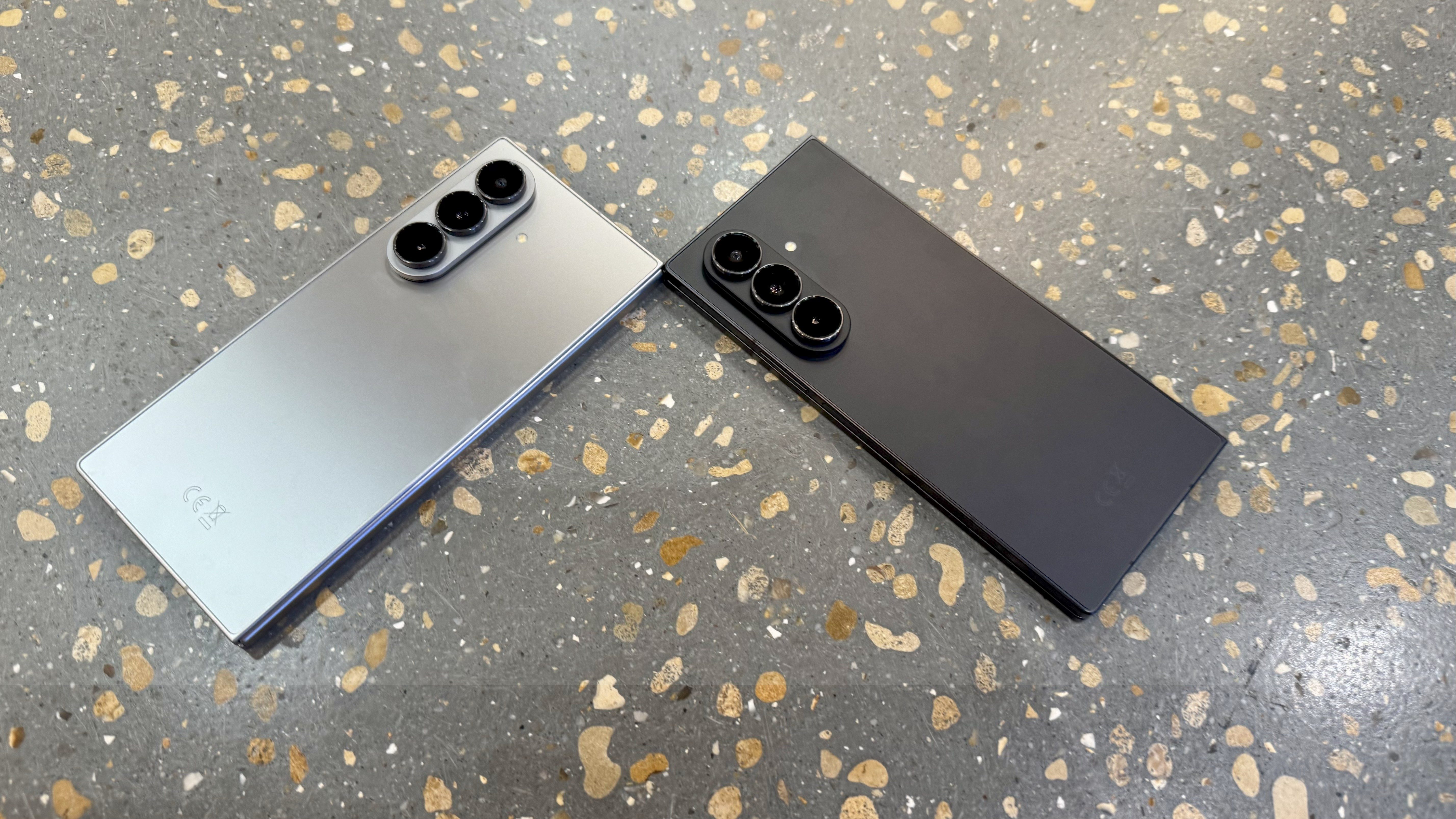
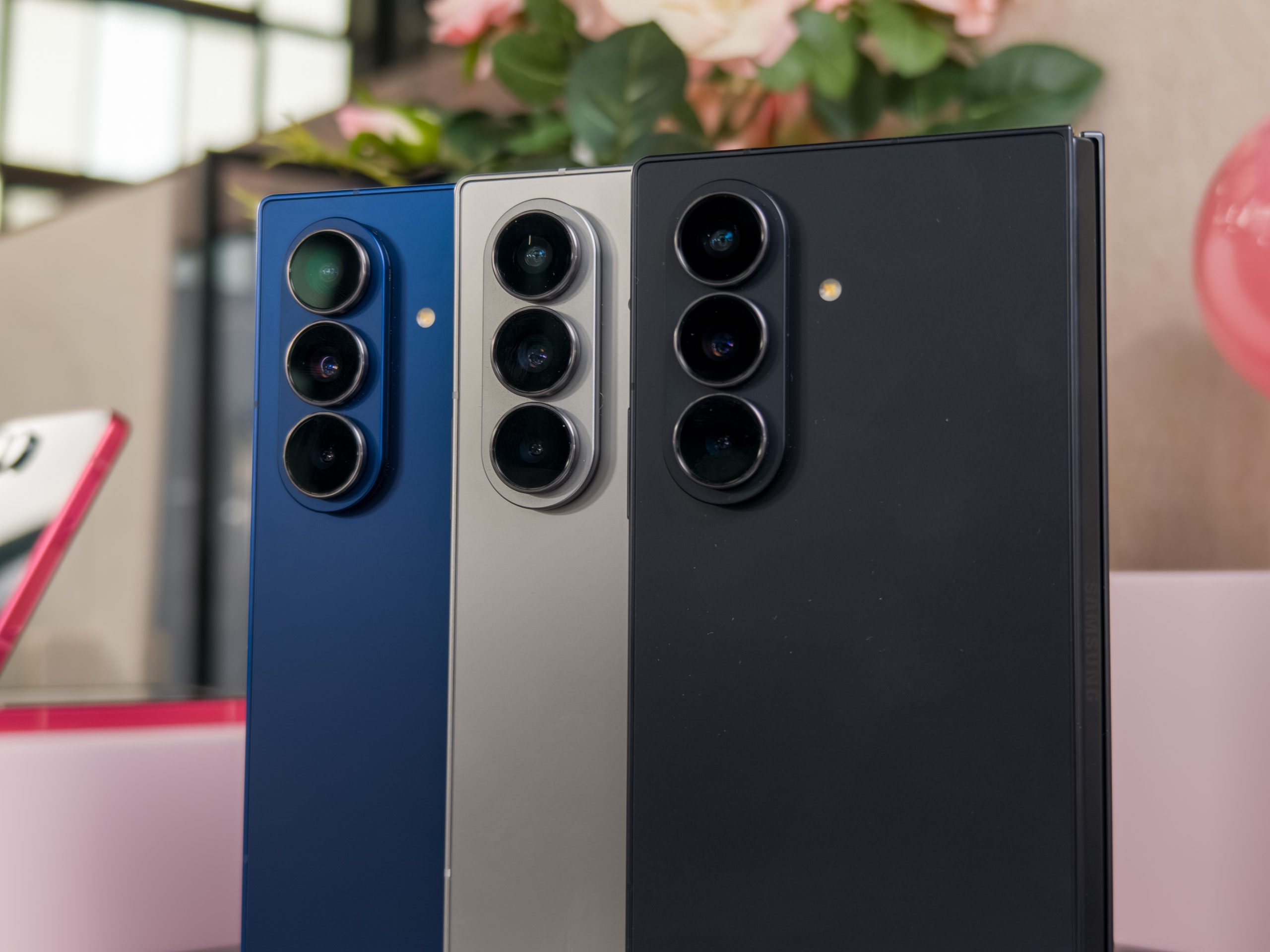
| Standard Colors | Graphite, Cream | Silver Shadow, Jetblack |
| Exclusive Colors (online) | Violet Shadow, Green Shadow | Blue Shadow, Mint |

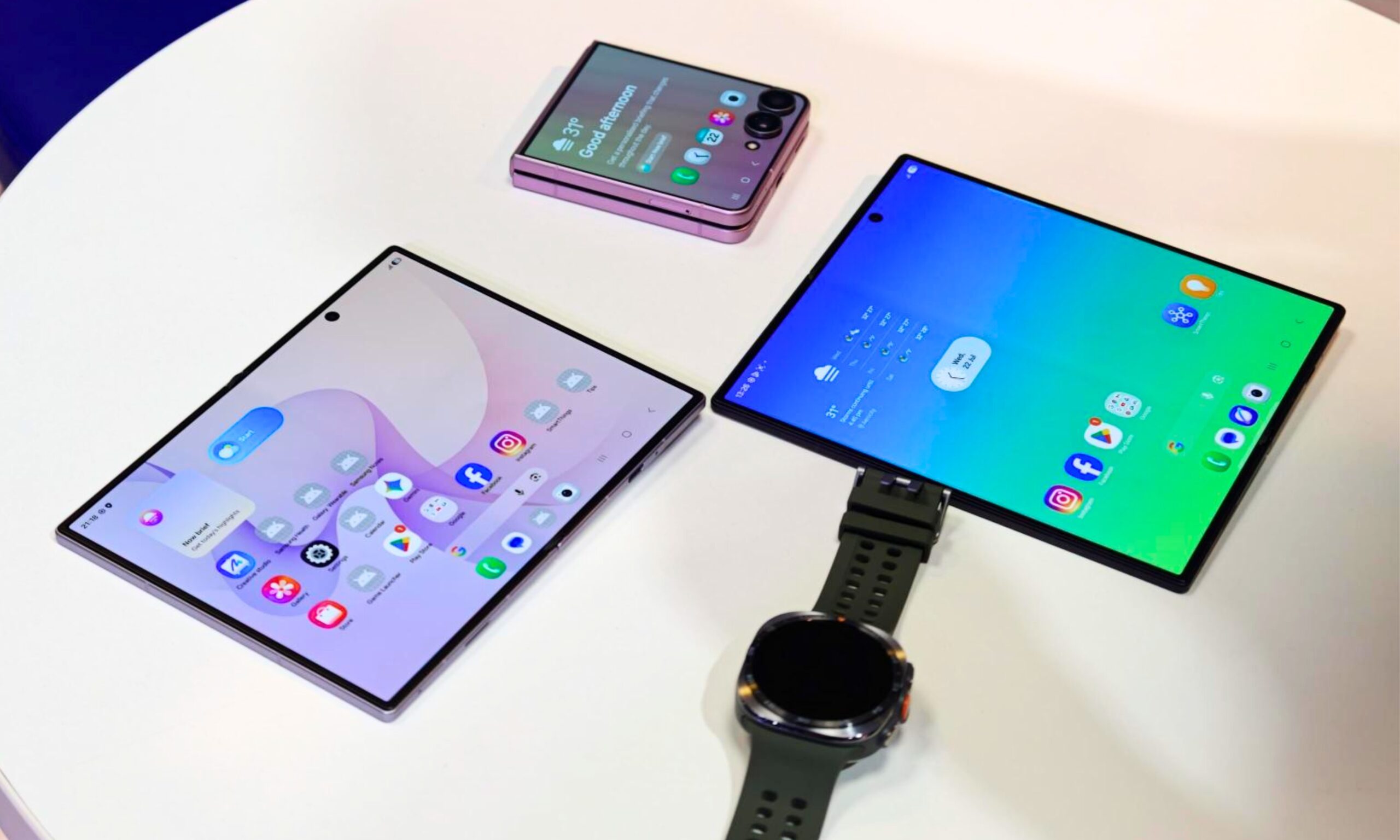
Fold 8 Ultra vs. Fold 7: Specs at a glance
I know there’s a lot of confusion going around about the lineup, so I’ll just clear something up for my readers. Samsung has rejigged the lineup a bit. The Fold 8 Ultra, which sits at the top of the lineup, is the direct successor to last year’s Fold 7. Meanwhile, the regular Fold 8 is a completely new foldable with a shorter and wider form factor. The third phone, Flip 8, takes after the Flip 7, while there’s no Flip 8 FE this year.
| Spec | Galaxy Z Fold 8 Ultra | Galaxy Z Fold 7 |
| Main Display | 8.0″ QXGA+ Dynamic AMOLED 2X, 2504 x 2256 (422 ppi), 3,000 nits peak, 120Hz adaptive | 8.0″ Dynamic AMOLED 2X, 2184 x 1968 (368 ppi), 2,600 nits peak, 120Hz adaptive |
| Cover Display | 6.5″ FHD+ Dynamic AMOLED 2X, 1080 x 2520 (422ppi), 120Hz | 6.5″ Dynamic AMOLED 2X, (2520 x 1080), 422ppi, 120Hz |
| Unfolded Dimensions | 158.4 x 143.2 x 4.1mm | 158.4 x 143.2 x 4.2mm |
| Folded Dimensions | 158.4 x 72.8 x 8.9mm | 158.4 x 72.8 x 8.9mm |
| Weight | 215g | 215g |
| Main Camera | 200MP Wide, Quad Pixel AF, OIS, F1.7, 0.6μm pixel, 85° FOV, 200MP HDR mode, 2X optical quality zoom | 200MP Wide main sensor, OIS, F1.7, 0.6μm pixel, 85° FOV |
| Ultra-Wide Camera | 50MP, Quad Pixel AF, F1.9, 0.7μm pixel, 120° FOV | 12MP Ultra-Wide |
| Telephoto Camera | 10MP, PDAF, OIS, F2.4, 1.0μm pixel, 36° FOV, 3x optical / 30x Space Zoom | 10MP, PDAF, OIS, F2.4, 1.0μm pixel, 3x optical zoom |
| Front Cameras | 10MP main + 10MP cover, F2.2 | 10MP main + 10MP cover, F2.2 |
| Chipset | Snapdragon 8 Elite Gen 5 for Galaxy | Snapdragon 8 Elite for Galaxy (3nm) |
| RAM / Storage | 12GB / 256GB, 512GB; 16GB / 1TB | 12GB / 256GB, 512GB; 16GB / 1TB |
| Battery | 5,000mAh typical (4,854mAh rated) | 4,400mAh typical (4,272mAh rated) |
| Wired Charging | 45W wired | 25W wired |
| Wireless Charging | 20W fast wireless | 15W wireless, 4.5W reverse wireless |
| Water/Dust Resistance | IP48 | IP48 |
| Cover Glass | Gorilla Glass Ceramic 3 | Gorilla Glass Ceramic 2 |
| Rear Glass | Gorilla Glass Victus 2 | Gorilla Glass Victus 2 |
| Frame | Advanced Armor Aluminum | Advanced Armor Aluminum |
| Launch OS | Android 17, One UI 9 (seven years OS and security updates) | Android 16, One UI 8 (seven years OS and security updates) |
| Connectivity | 5G, LTE, Wi-Fi 7 | 5G, LTE, Wi-Fi 7 |
| SIM | SIM + eSIM | SIM + eSIM |
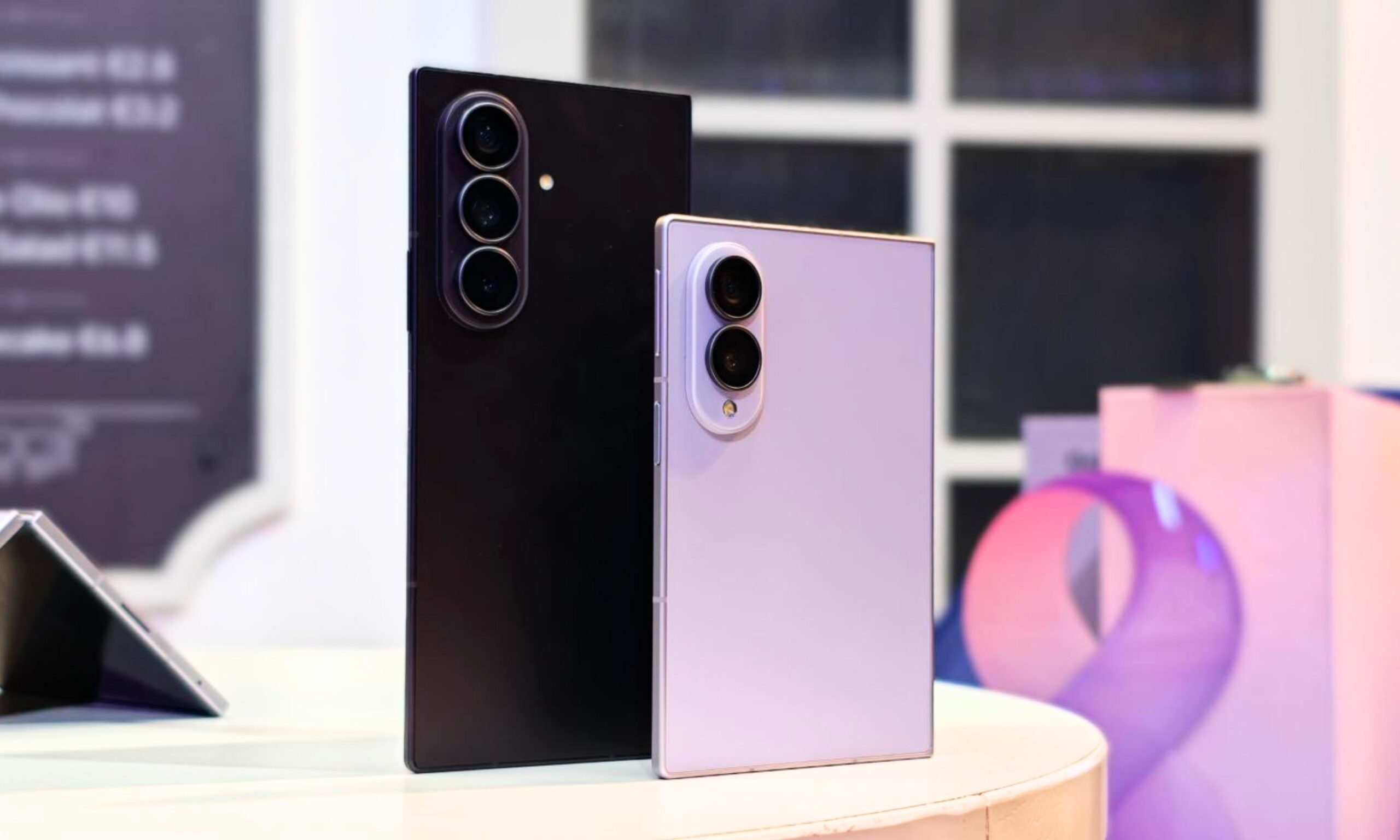
Galaxy Z Fold 8 Ultra comes with improvements across the board
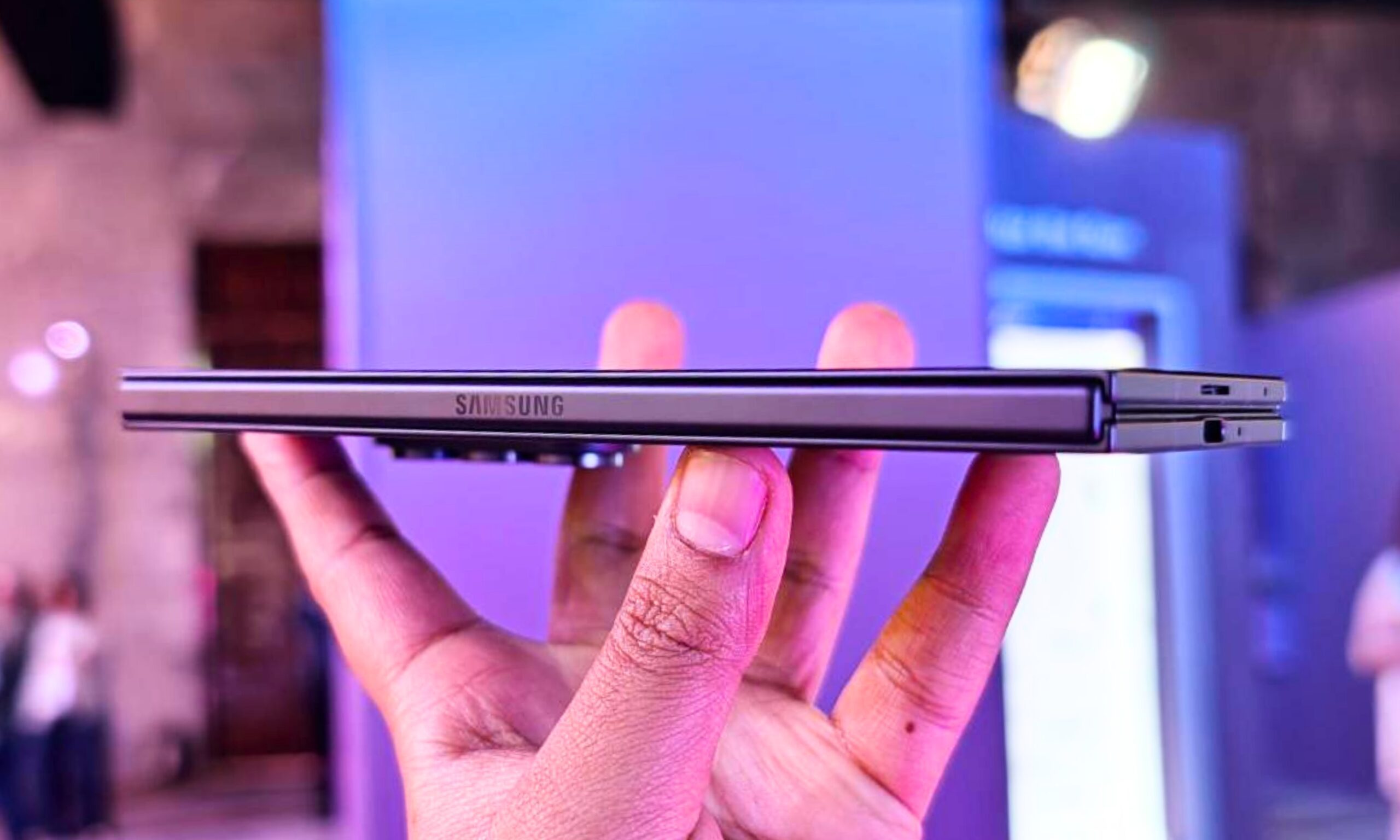
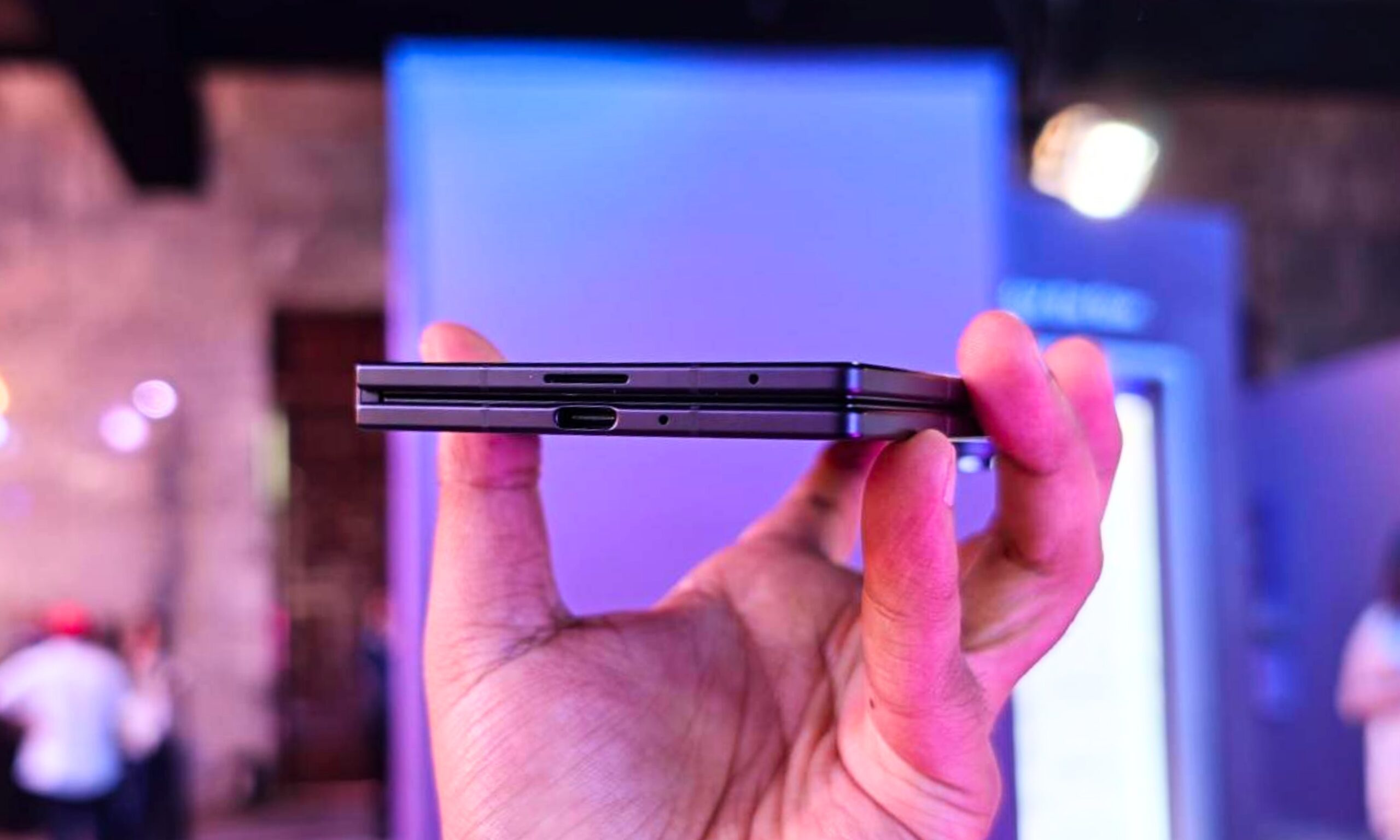
The overall design, dimensions, and the weight of the Fold 8 Ultra remain identical to the Fold 7, except for the 0.1mm reduction in thickness when unfolded. However, the most noticeable change is the brightness of the cover and inner screens, as both now support a peak brightness of 3,000 nits, up from 2,600 nits on the Fold 7 and on the S26 Ultra.
The inner screen on the Ultra now comes with substantially more pixels (422 ppi), making it look sharper than the one on the Fold 7 (368 ppi). In fact, the crease on the Ultra is far less noticeable than any other Fold so far, thanks to the Flex Titanium technology.
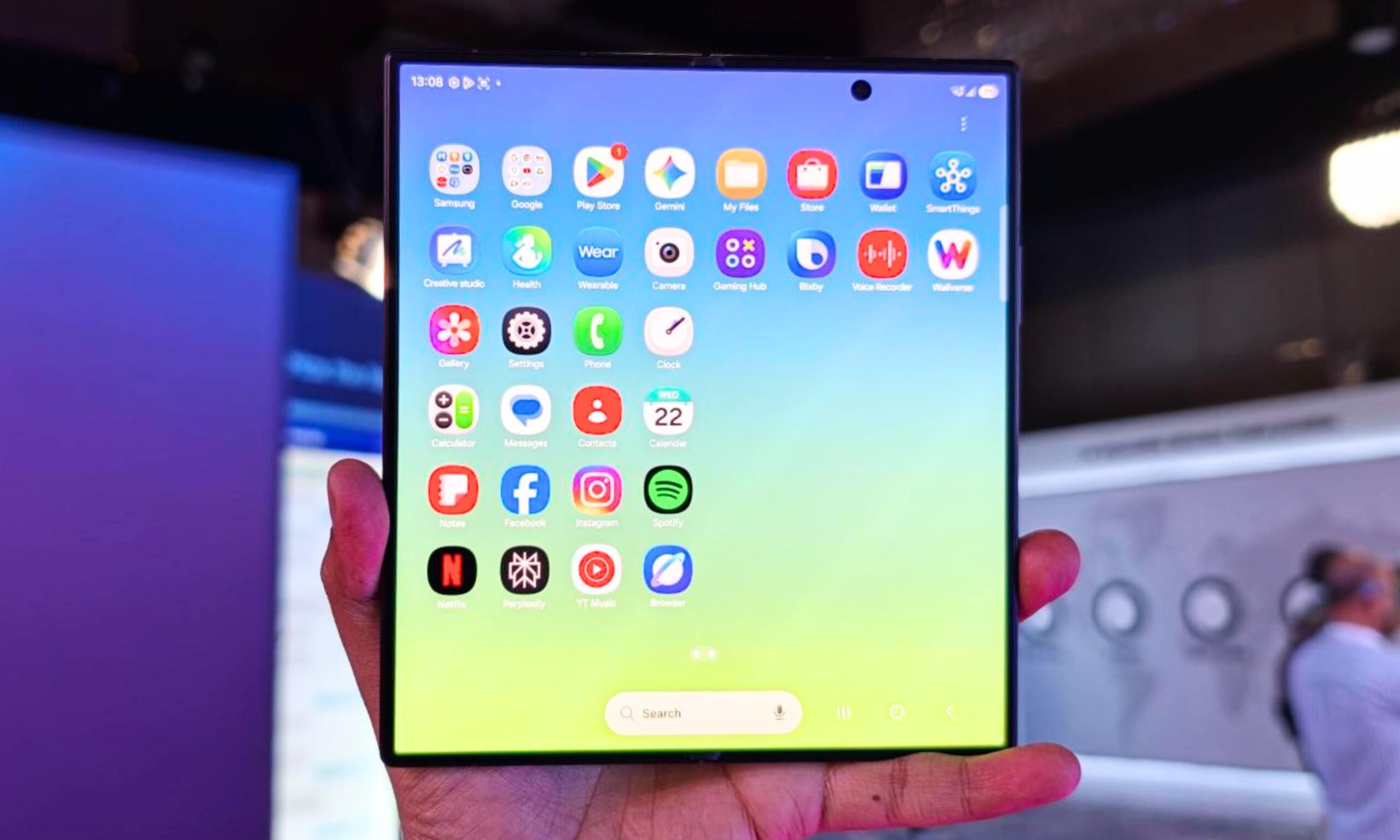
Under the hood, the Fold 8 Ultra runs on the Snapdragon 8 Elite Gen 5 for Galaxy (3nm) chipset, the one we’ve already seen and tested on the Galaxy S26 Ultra. Compared to the 8 Elite for Galaxy on the Fold 7, the new chip provides low double-digit improvements in the CPU, GPU, and the NPU. Even so, I’d say that the Fold 7 is powerful enough for most book-style foldable users.
The Fold 8 Ultra brings the additional horsepower for those who actually need it, aided by an expanded graphite cooling structure Samsung specifically engineered for this model. Out of the box, the Ultra runs on One UI 9 based on Android 17, and it also supports Google’s Gemini Intelligence.


This year, Samsung has swapped the Fold 7’s modest 12MP ultra-wide sensor for a considerably beefier 50MP unit, and paired it with a main camera that now shoots proper HDR at the full 200MP resolution rather than relying on pixel-binned output.
In my opinion, wider dynamic range at full resolution matters the moment you’re photographing a sunset through a window or a backlit portrait.
Battery capacity tells a similarly lopsided story. The Ultra’s 5,000 mAh cell dwarfs the Fold 7’s 4,400 mAh pack by a margin north of 13%, and Samsung backs it with a completely reworked dual-path charging architecture, which can refill 67% of the battery in half an hour with 45W wired charging.
Pair a bigger tank with faster top-ups, and the day-to-day anxiety of babysitting a foldable’s battery meter mostly evaporates.

Galaxy Z Fold 7: The case for not rushing
Here’s the twist buyers often overlook: nearly everything that made the Fold 7 a genuinely excellent foldable last summer remains completely untouched this generation. Weight sits identically at 215 grams on both devices. Overall footprint barely budges too, with folded dimensions matching exactly and unfolded thickness separated by a mere tenth of a millimeter, practically imperceptible in the hand.
Durability tells the same story of parity rather than progress. Both phones share an identical IP48 rating for water and dust resistance. Further, both lean on the same Gorilla Glass Victus 2 rear panel and Advanced Armor Aluminum frame.

RAM and storage tiers line up exactly too, 12GB paired with 256GB or 512GB, and 16GB reserved for the top 1TB configuration, so anyone assuming the newer phone automatically outguns the older one on multitasking memory would be mistaken.
Then there’s the wallet math. Buying the Fold 7 at Samsung’s official price, $1,999.99, doesn’t make much sense anymore, because you’re only saving about $100. However, the story changes completely if you look around and dig up deals for a bit. We’ve already seen the Fold 7 dip to $1,499.99 during the Prime Day sale. If you manage to get it at that price, it’s suddenly one of the most compelling foldables you can buy.

So, which one should you buy?
If you’re currently using a Fold 7, and you don’t have any problems bothering you on a daily basis, I’d skip this upgrade. Samsung has refined the experience rather than reinvented it, and the difference isn’t as stark as it was between the Fold 6 and the Fold 7.
If you’re buying your first book-style foldable, and you don’t want to splurge north of $2,000 on it, the Fold 7, even in 2026, isn’t obsolete. It still offers a spacious 8-inch foldable display, a capable 200-megapixel primary camera, flagship-grade performance, and the same premium build quality that defines Samsung’s foldable lineup. In my frank opinion, the Fold 7 remains an excellent foldable by any standard, especially when you can find it at a meaningful discount.
On the other hand, if budget isn’t a restriction, the Fold 8 Ultra remains the easiest recommendation for anyone willing to get their hands on the best book-style foldable experience Samsung provides. The brighter and sharper displays, larger battery (with faster charging), upgraded ultra-wide camera, newer Snapdragon chipset, and an extra year of software support make it the more future-proof purchase. People already using th Fold 5 or the Fold 6 can also upgraded without any second thoughts.