


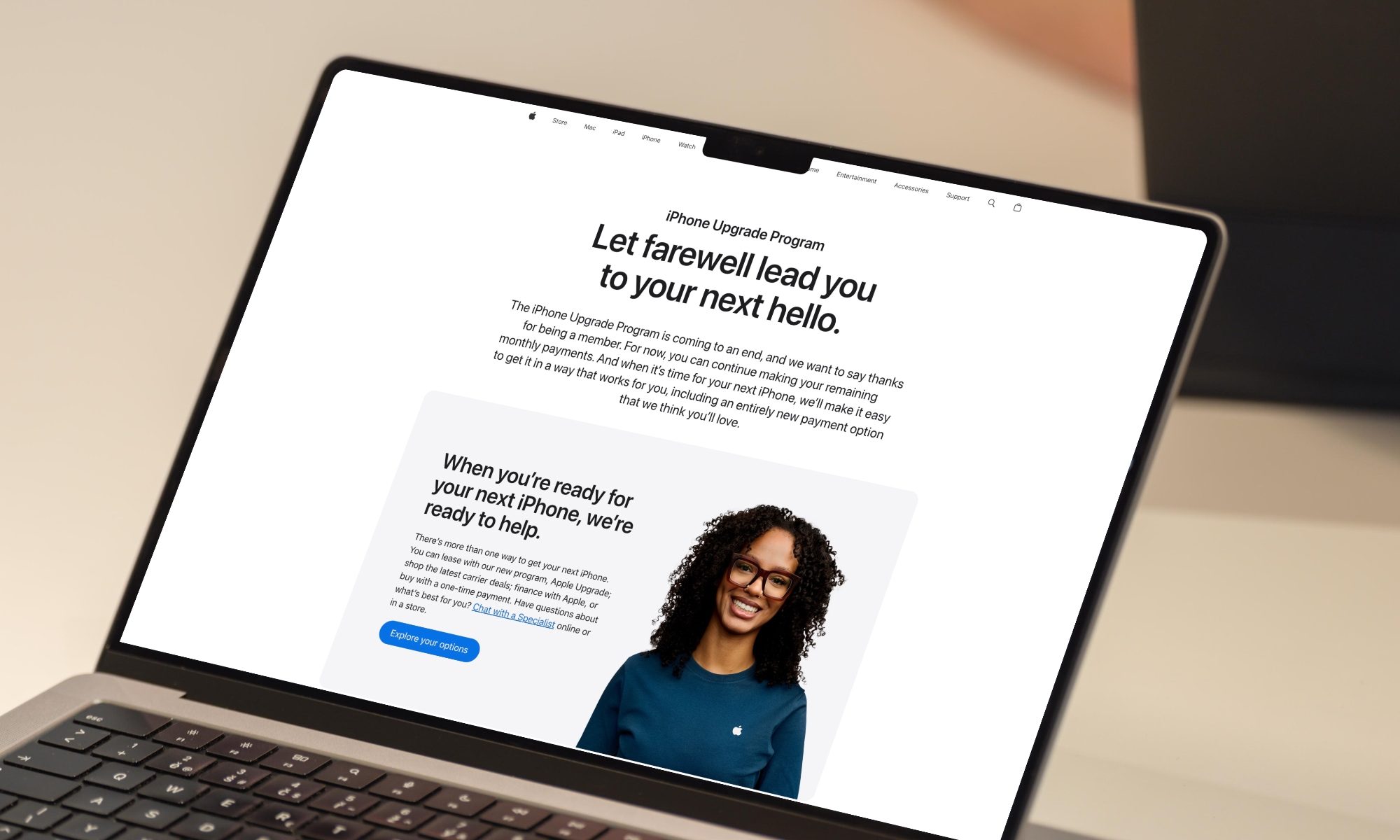
Apple just gave you a new way to own an iPhone, iPad, Mac, or Apple Watch without buying it. The newly launched Apple Upgrade program lets you lease Apple hardware through Klarna instead of paying full price upfront, and I’ll admit that the monthly numbers genuinely look tempting.
I went through Apple’s own published rates device by device to figure out where this actually saves you money, and where it’s just a slower way to pay full price for something you’ll never own.
Who qualifies for Apple Upgrade?
Apple Upgrade relies on Klarna as the lease provider. Applying for a device only triggers a soft credit check. To apply, you need to be 18 or older, a US resident, verified by SMS, and carrying an eligible credit/debit card, along with your Social Security number.
As part of the program, iPhones and Apple Watches are leased over 12 or 24 months, while iPads and Macs stretch to 24 or 36 months.
Eligibility covers most current models, except the iPhone 16, iPhone 16 Plus, Apple Watch SE, MacBook Neo, Mac mini, the base iPad, and Studio Display.

iPhones also require an active AT&T, T-Mobile, or Verizon plan, though the phone itself ships unlocked. AppleCare+ isn’t bundled anymore; it’s billed separately.
What happens when your lease ends?
Once the lease ends, you actually have three options based on what you want to do with the device: return and upgrade, pay to own, or walk away empty-handed.
Apple gives you up to six months after your term ends to decide. If you do nothing, Klarna automatically charges that purchase-option fee on your behalf.
| Option | Pros | Cons | Best For… |
| Return & Upgrade | Latest features every 1–2 years | Infinite monthly bills | Tech enthusiasts who want the newest model annually. |
| No hassle selling old tech | Build zero device equity and loss on the trade-in value | ||
| Fresh battery life | Miss out on carrier deals | ||
| Pay to Own | Monthly bills hit $0 | Highest total cash spent | People who plan to keep their device for 4+ years. |
| You keep a valuable asset | Paying a premium to buy out | ||
| Freedom to sell/trade later | |||
| Walk Away | Clean break from debt | Spent thousands for a rental | Someone switching away from Apple ecosystems entirely. |
| No future financial ties | Left with no phone/computer | ||
| No further obligations |
iPhone: Does leasing actually save you money?
Let’s consider the iPhone 17e at $599 on a lease-and-return basis. If you lease it for 24 months and pay $17.99 a month, you’ll hand over roughly $432 total before sending the phone back. Basically, you never owned anything; you just rented it for two years.

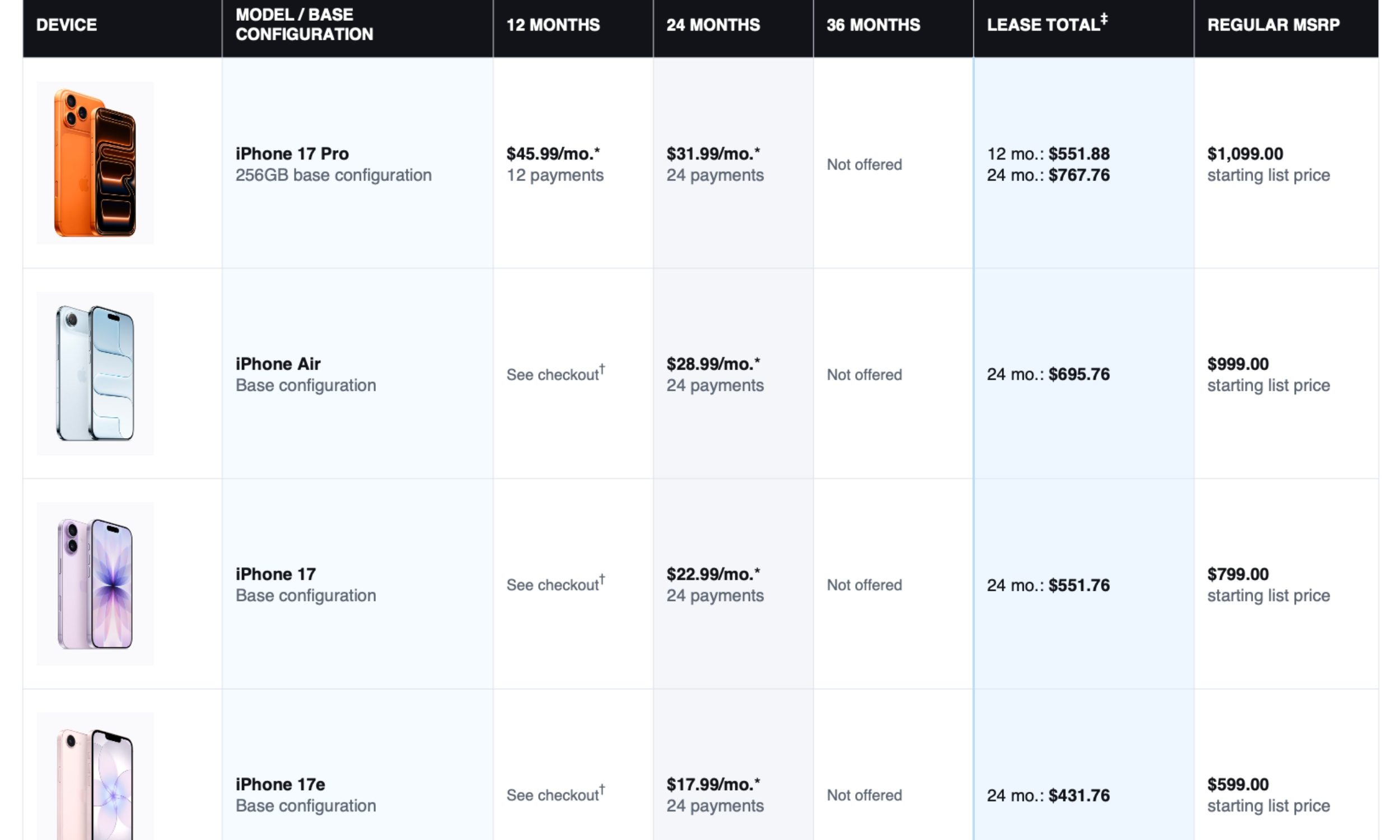
If you decide to keep the phone instead, you’ll pay the difference, roughly $165 to $170 more on the 17e. Add that to your lease payments, and the total lands right around $599, the exact price you’d have paid on day one had you purchased the iPhone outright.
To me, that’s where Apple Upgrade’s real appeal lies. It gives you the flexibility to spread out the cost, keep your cash available for other priorities, and still have the option to own the device later. However, I think the program makes far more sense for expensive Pro models than entry-level iPhones, where the upfront cost is easier to justify.
iPad: Worth the monthly commitment?
Given that buyers tend to keep their iPads longer than iPhones, Apple provides longer tenure options to lease them: 24 or 36 months. If you’re a student or an entry-level professional who simply wants an iPad for studies or getting done with the day-to-day digital chores, going for the lease makes good sense.
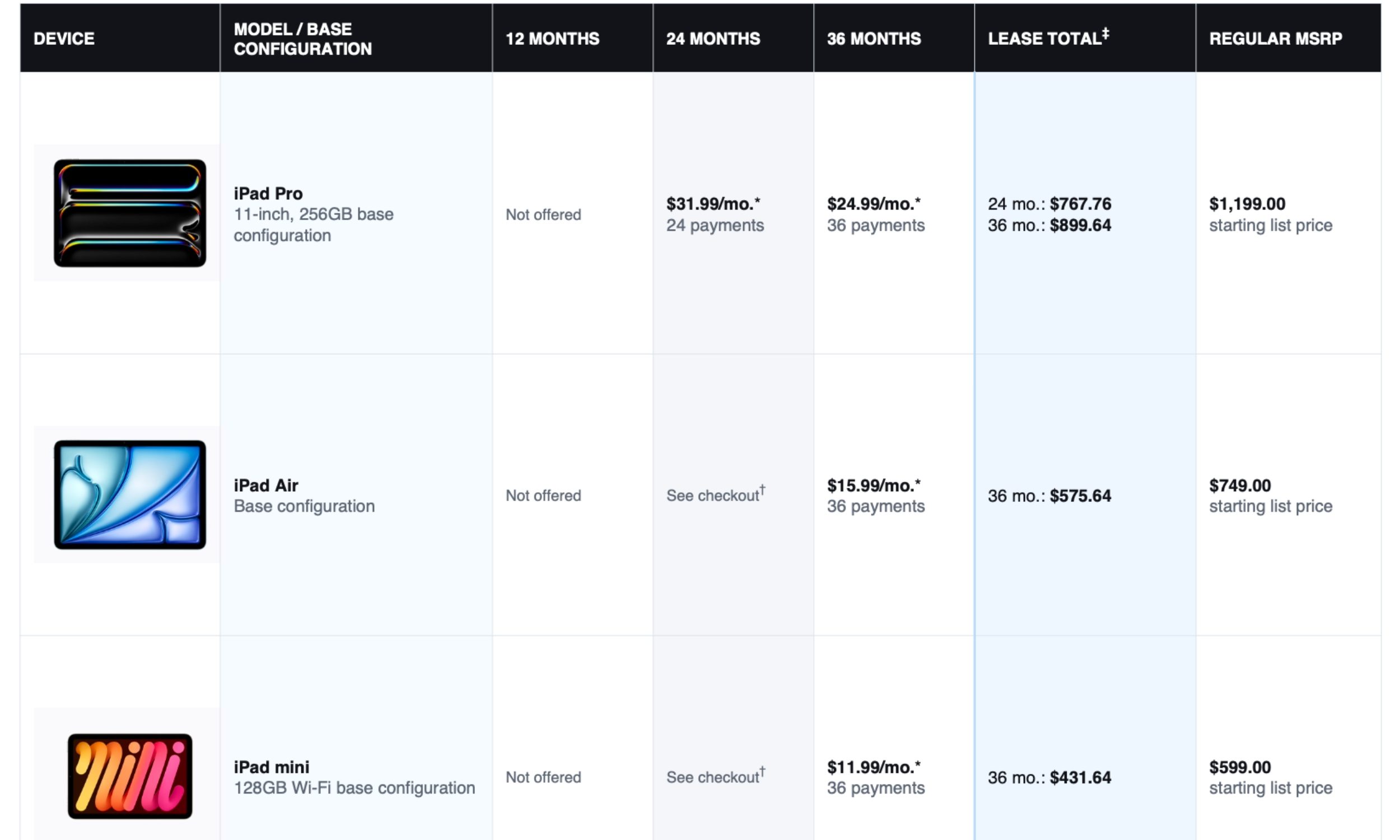
For one, you’ll save the $599 (for the iPad mini) or the $749 (for the iPad Air) you’ll spend upfront, pay $11.99 or $15.99 per month over 36 months, and then, depending on whether you need those devices, can either pay the difference or simply upgrade to the latest one without paying any additional money.
Again, there are no discounts here: just ease of usage.
Mac: A better deal or just a bigger bill?
If you don’t have that kind of money upfront but still want to upgrade from an old Intel-based MacBook or even an M1- or M2-powered MacBook Air, the Apple Upgrade program breaks that upfront cost into monthly installments starting at just $24.99 over 36 months.
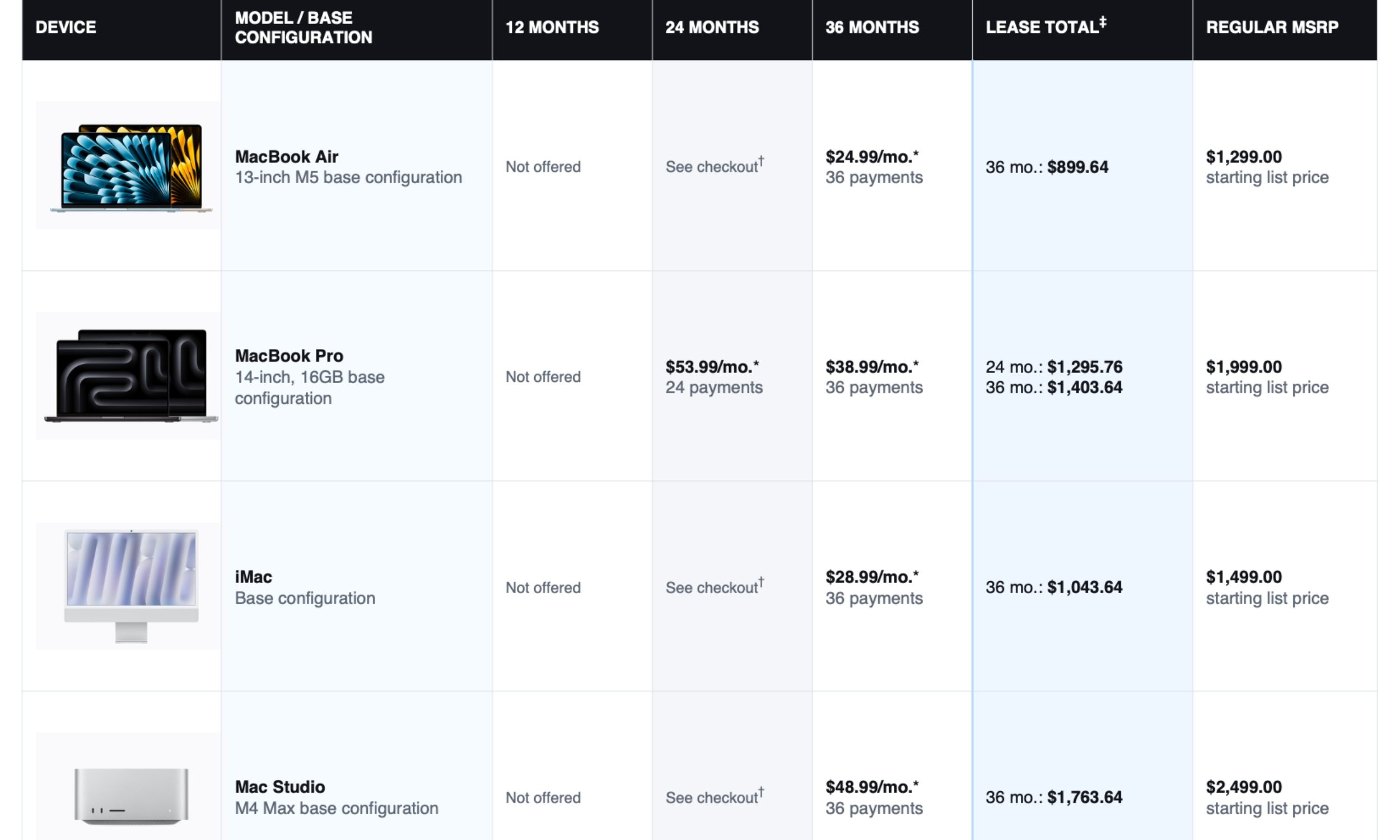
However, there’s another side to this. The M5 family of chips offers enough performance headroom to stay relevant for the next four to five years, which is why I expect these MacBooks to hold their resale value exceptionally well.
That’s why I’d stretch the payments over the full 36 months and then pay the remaining amount to keep the MacBook. Unlike an iPhone, a MacBook is something that I’d comfortably hold on to for four or five years, choosing long-term ownership over upgrading.
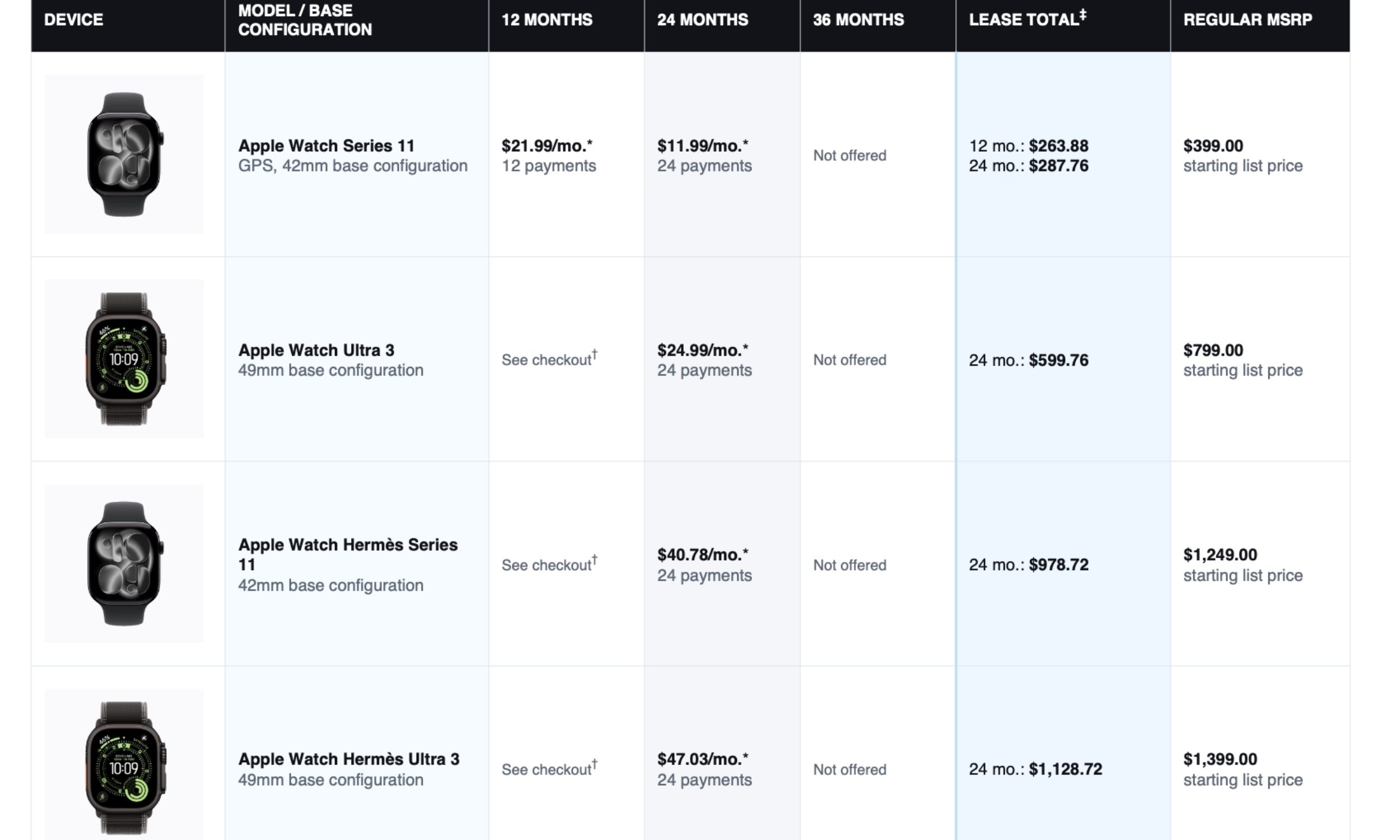
Apple Watch: The one category where leasing might win
I’d personally say that it makes more sense to buy the Apple Watch instead of leasing it.
First, the Apple Watch upgrade trajectory hasn’t really been on an upward path lately. For most users, the Series 10 is going to serve the same purpose as the Series 11. With a new release around the corner, you can generally find the outgoing models at a decent discount.
Take me as an example: I’ve been using the Watch Series 8 for three years now, and I don’t really feel like upgrading. The upfront cost isn’t as much as a Pro iPhone or MacBook Air either.