


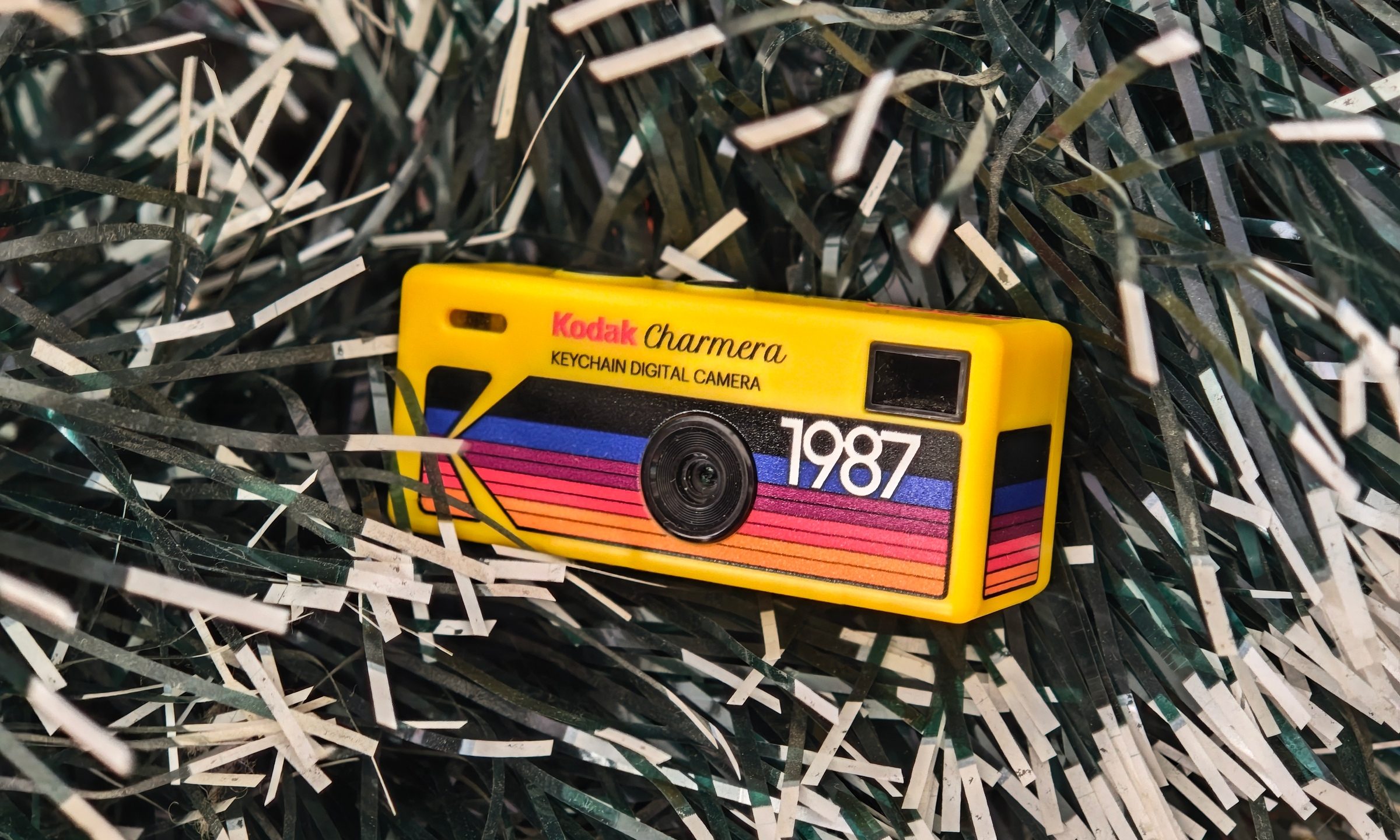
I bought the Kodak Charmera partly because I wanted a portable digital camera, and partly because I wanted a pretty little collectible. The Charmera is sold as a blind box, so you do not know which version you are getting until the box is opened. There are multiple retro Kodak-style designs, plus a transparent secret edition that looks like the one everyone would want.
I had the shopkeeper pick my box for better luck, and it worked out. I got the yellow variant, which is inspired by Kodak’s original 80s disposable camera. The transparent one is definitely the fun collector’s piece, but the yellow model feels like the proper Kodak version. It looks like a tiny toy camera that escaped from a souvenir shop, found a keyring, and now hangs around wherever you go.
And after carrying it around for a few weeks, I get the hype.
This is a camera you buy for the feeling
The Kodak Charmera is very easy to judge harshly if you look at it like a normal camera. The sensor is tiny with an image output of just 1.6 megapixels. Even the screen is tiny, and the mic is weak. However, it catches the vibe perfectly.
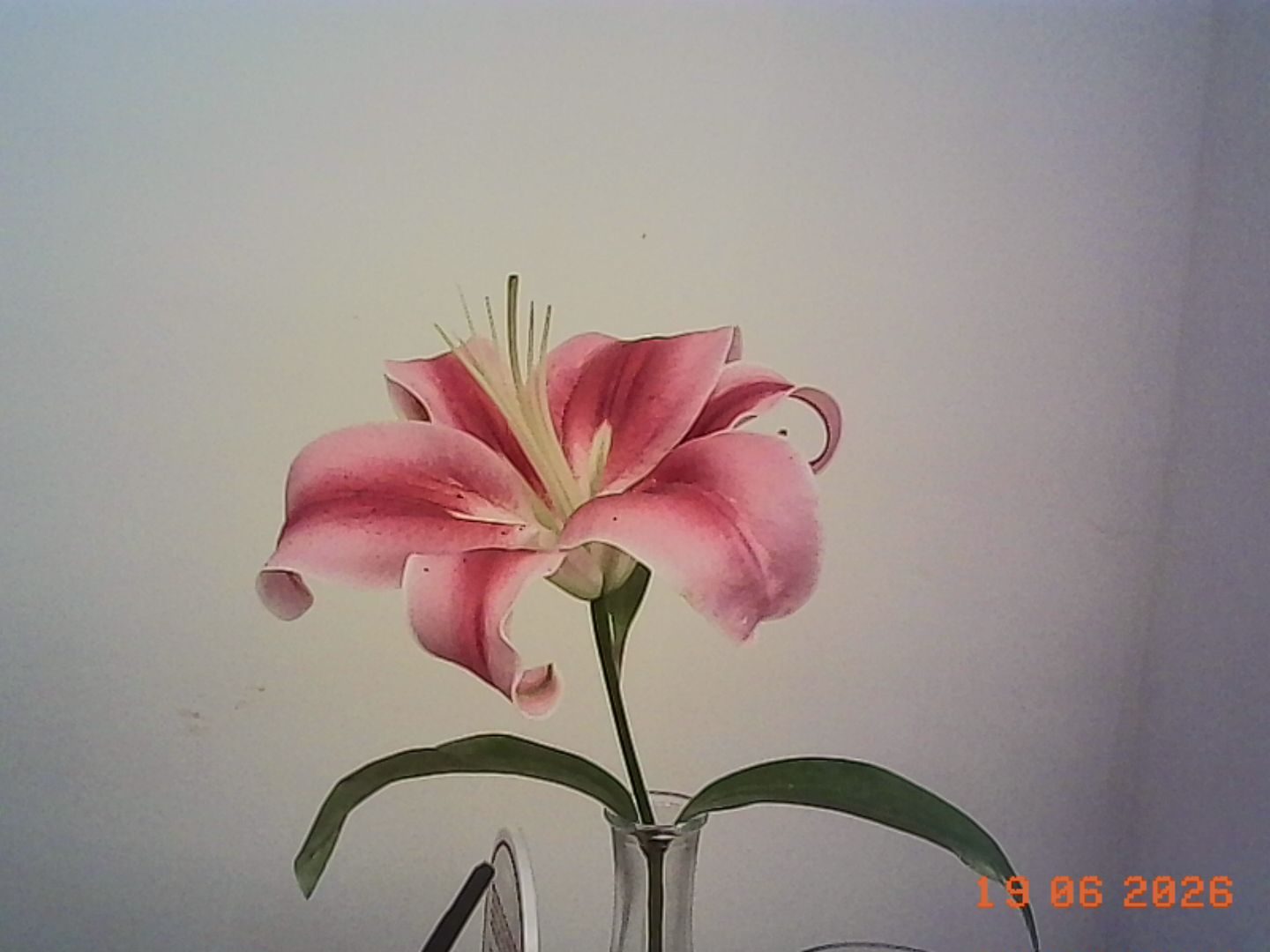
This little thing is here for the mood. The photos have that soft, lo-fi digital texture that modern phone makers have spent a lot of money to avoid. There is not a lot of detail, dynamic range, or low-light confidence. What you get is a snapshot that looks like it jumped out of a forgotten folder on an old family computer. In good lighting, I had very few complaints because I knew exactly what I bought. The Charmera is fun for street shots, quick portraits, food, and other small moments.

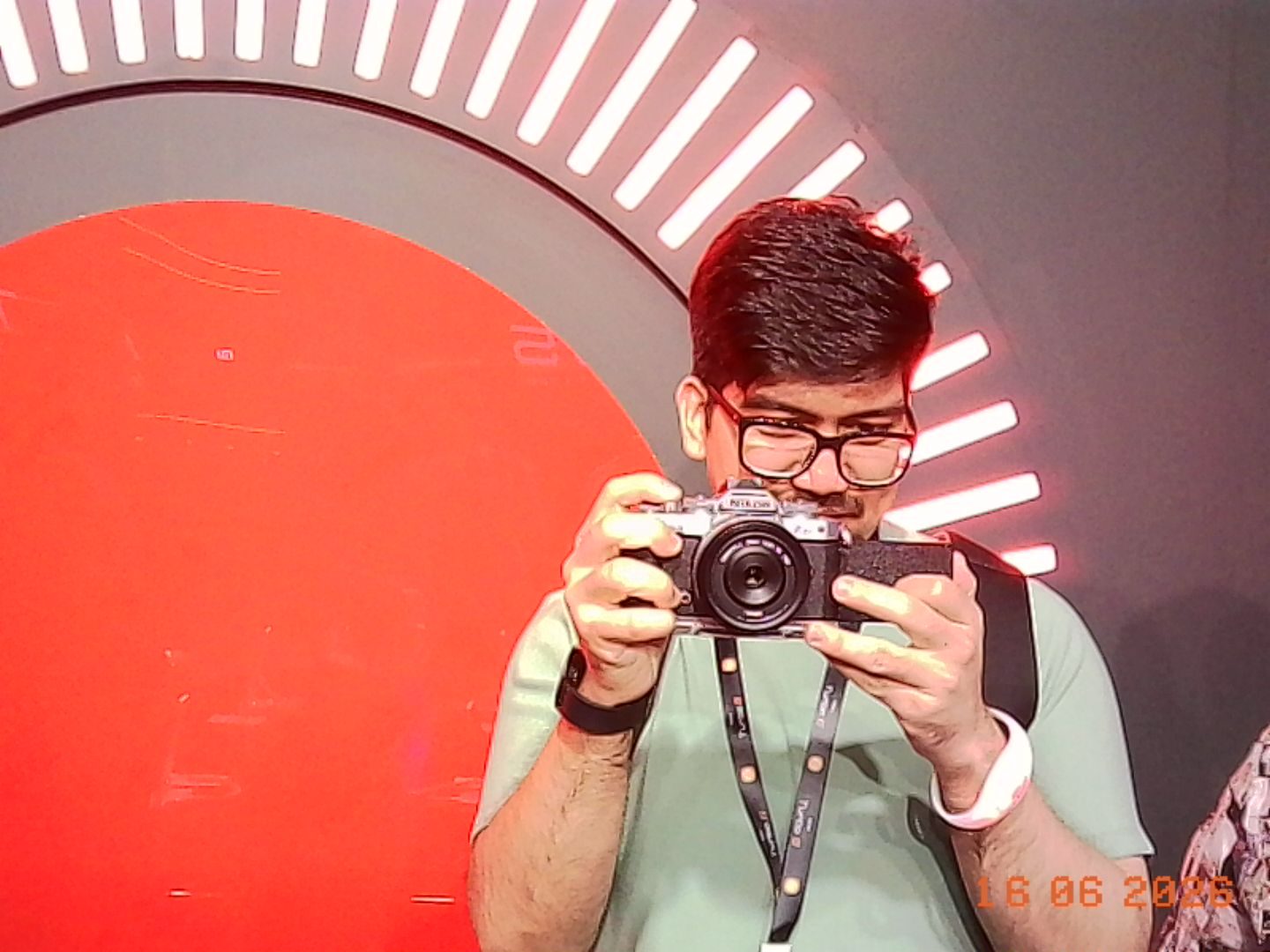






There is a certain freedom in using a camera that clearly has no interest in perfection. You press the button, accept the result, and move on.
The low-light weakness is very real
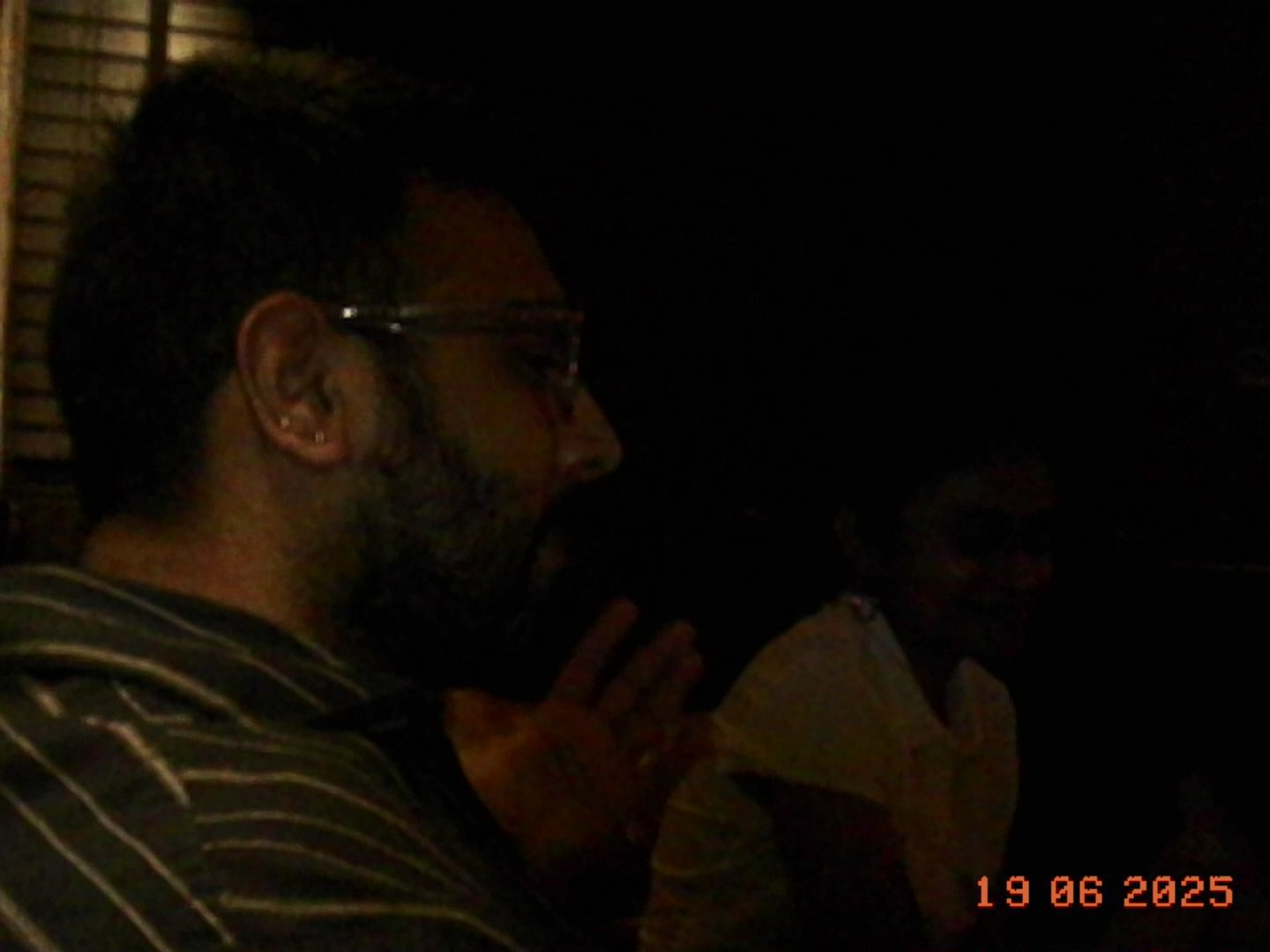
The Charmera struggles once the lights go down. I took it to a gig on a Saturday night, which was probably one of the most unfair tests I could have given it. A dim venue, moving performers, colored lights, and a tiny sensor are not exactly a dream combination.
Its flash helped, but only a little. Photos in the dark have crushed details, noise, and blurring. But the funny thing is, I still liked a lot of the shots. They did not capture the performance with accuracy, but they captured the feeling of being there.





Videos are mostly for laughs
The Charmera can shoot video too, although I would not buy it for that. The footage has the same lo-fi character as the photos, and the built-in mic is rough. I recorded a bit of the band performing, and I will happily spare you the full experience of that terrible mic quality mixed with my voice.
Which is a shame, because the band was genuinely lovely. The set had that easy Saturday-night charm where everyone on stage seemed to be having as much fun as the room, and the Charmera ended up feeling like the right camera for that kind of memory.

Still, the video mode fits the camera’s personality. It feels like a tiny digital diary rather than a proper recording tool. You use it because it is there. After all, it is funny, and the result looks like something from a much older internet.
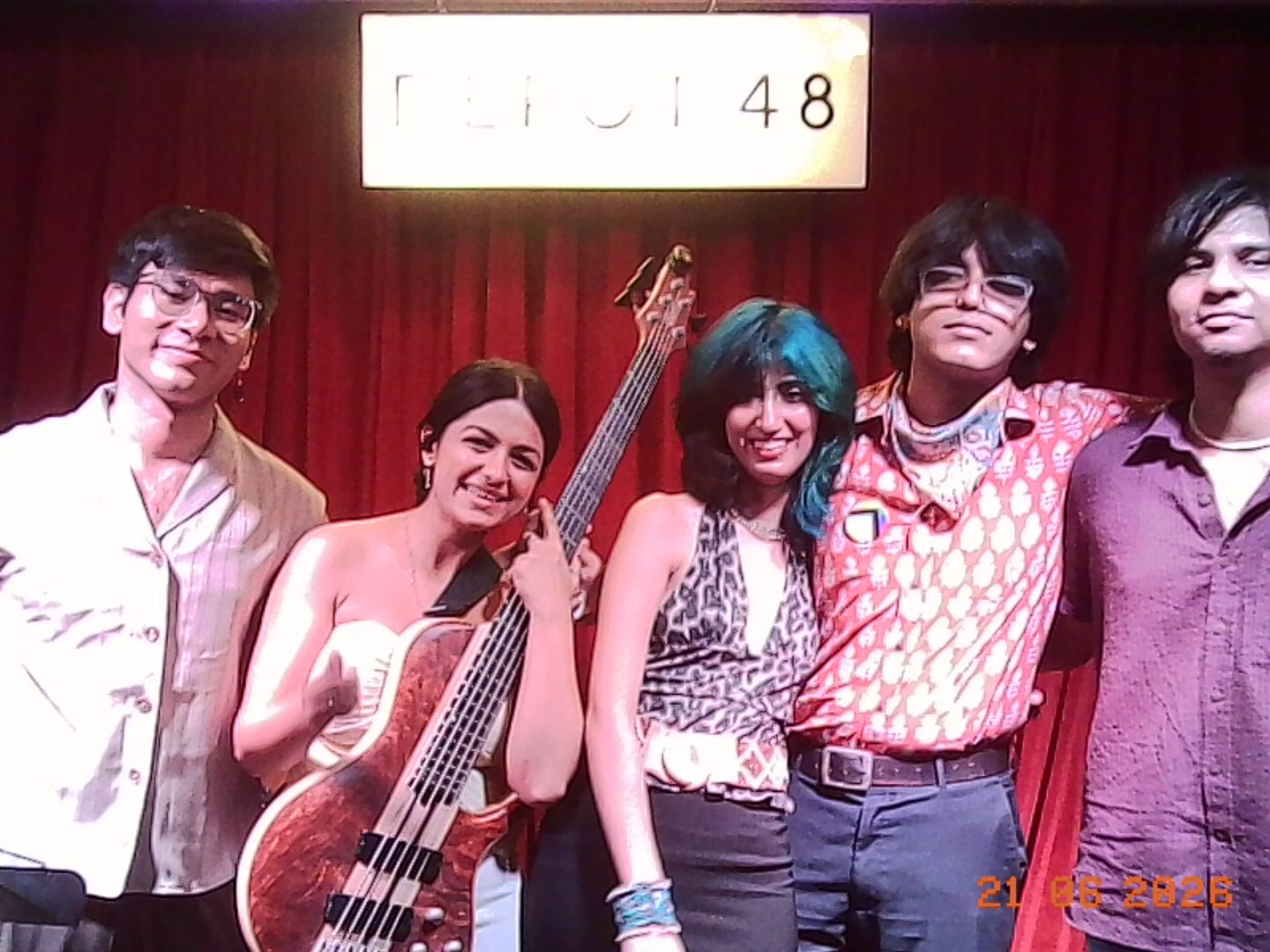
One of the best moments came after the set, when I asked the performers for a picture. The Charmera charmed them immediately. This was also one of its appeals. People react to it, smile at it, and ask about it. It turns a simple photo into a tiny interaction.

I get the hype now
The Charmera also arrives at the perfect moment. Older gadgets are having a real comeback. iPods are cool again. Digital cameras are popping up everywhere. People are chasing devices that are more deliberate, less algorithmic, and a little more personal.
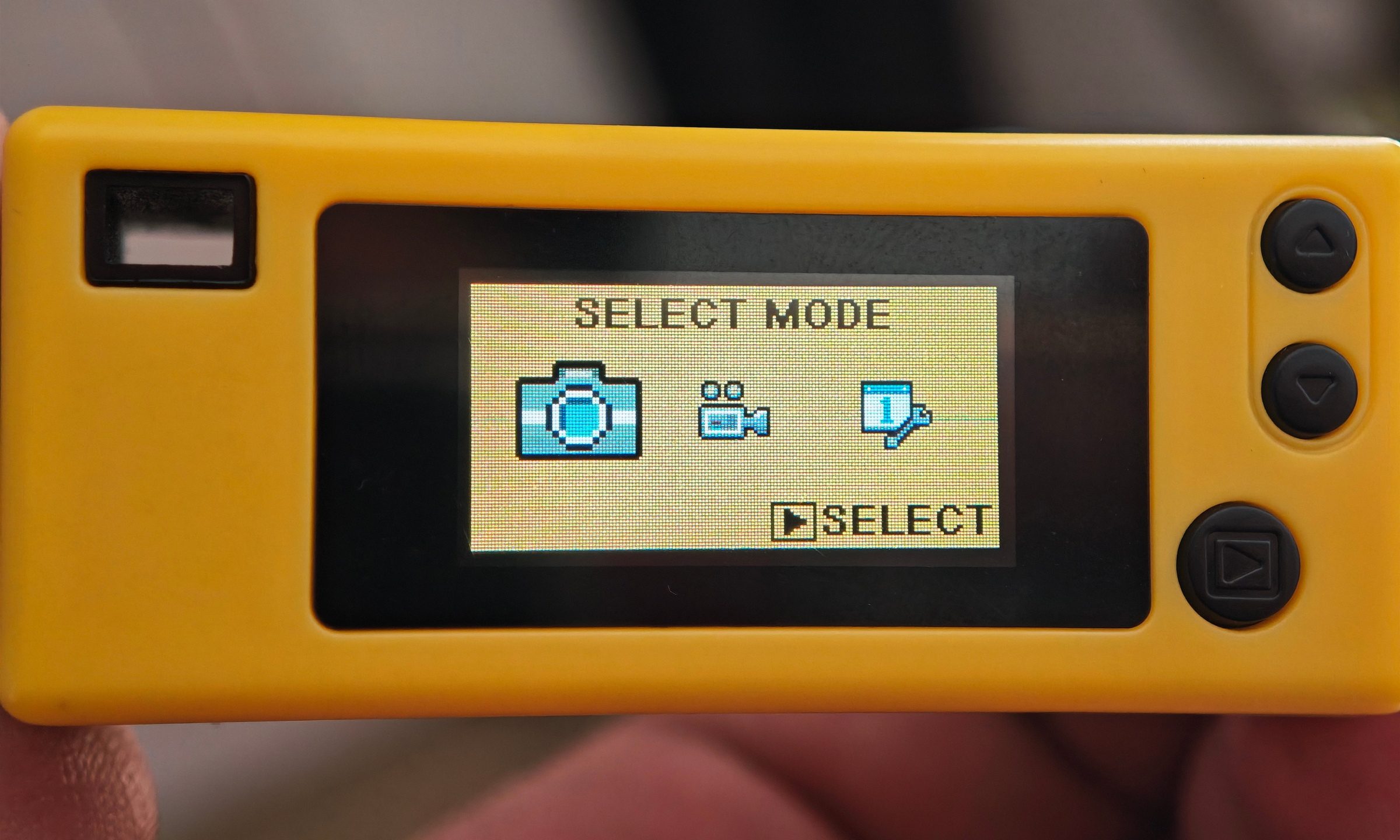
It gives you the fun of a mystery box, the look of an old digital camera, and the convenience of something that can hang from a bag. The Kodak Charmera is easy to criticize as a camera. The photos are soft, the low light is rough, the video is weak, and your phone will beat it in every technical way without even trying. Yet none of that stopped me from wanting to carry it around. I bought it for fun and kept using it for the vibe.