


I’ve been using Alienware laptops since the late 2000s, and one word has always defined the brand for me: excess. The good kind. For the longest time, if a gamer wanted a laptop that looked every bit as powerful as it played, Alienware was the name that came to mind. The bold designs, futuristic aesthetics, and unapologetically over-the-top styling made every machine feel special. Sure, they came with eye-watering price tags, but somehow that always felt justified. After all, nobody expects to buy a Porsche at a discount, right?
So when Dell announced a budget-friendly Alienware earlier this year at CES 2026, I wasn’t entirely sold on the idea. On paper, making Alienware more accessible makes perfect sense. And to be fair, that’s exactly what Dell will tell anyone who asks.
But I couldn’t shake one question: Would a cheaper Alienware still feel like an Alienware?
Think about it. ASUS has long kept its premium Republic of Gamers (ROG) lineup separate from the more affordable TUF series. Dell followed a similar playbook with its G-Series laptops. In fact, in many ways, the Alienware 15 feels like the spiritual successor to the old G15. Only this time, it’s wearing an Alienware badge instead. That had me worried. Thankfully, after spending some time with the laptop, those concerns started fading surprisingly quickly.
Plastic doesn’t mean cheap
Yes, Dell has switched to a plastic chassis to hit a more affordable price point. But no, it doesn’t feel like a compromise every time you touch it. The Nova Black finish looks clean and understated, the opalescent Alienware logo adds just the right amount of flair, and the subtle white keyboard backlighting gives it a mature look that wouldn’t feel out of place in a classroom, office, or gaming setup. It’s a far cry from the RGB-heavy Alienware machines of old, but somehow it still carries that unmistakable Alienware DNA.
Another pleasant surprise was the weight. At around 2.25kg on paper, it sits right where most 15-inch gaming laptops do. But in hand, it genuinely feels lighter than the specification sheet suggests. Whether it’s the balanced weight distribution or simply good chassis design, carrying it around didn’t feel like a workout.
The display isn’t perfect… but let’s be real
The Alienware 15 packs a 15.3-inch 16:10 WUXGA display with a 165Hz refresh rate, and simply navigating Windows felt wonderfully smooth. Now, 300 nits of brightness won’t win any awards, and the bright lights at Dell’s demo zone certainly didn’t help matters. Then again, who actually games under direct sunlight?

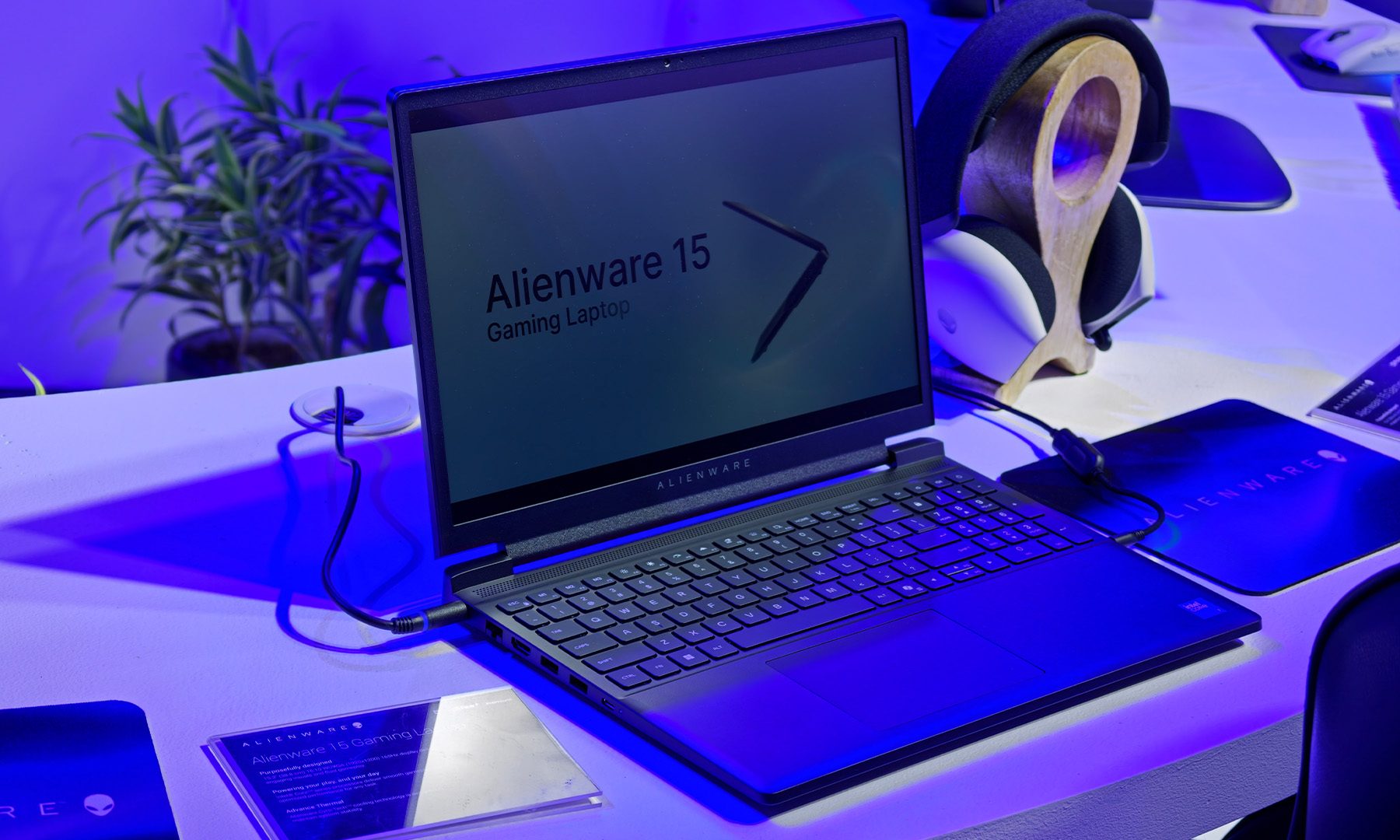
Once I stepped away from the harsh lighting, the display looked far better than I expected. Colors appeared vibrant enough for gaming and entertainment, animations felt silky smooth, and the higher refresh rate made the entire experience feel responsive. It’s not the panel I’d recommend for serious content creators, but for its intended audience, it gets the job done.
Performance? I’ll save that for the review
Unfortunately, we weren’t allowed to fire up games during the hands-on session, and honestly, I’m glad. Performance is something I prefer judging after pushing a machine through hours of gaming, benchmarks, and thermal testing — not after a five-minute demo. That’s exactly what my full review will focus on.


That said, the configuration on display paired NVIDIA’s GeForce RTX 5060 Laptop GPU with a 110W Total Graphics Power (TGP), which is encouraging. Based on my experience with Alienware’s Cryo-Tech cooling, that should leave enough headroom for solid 1200p gaming, especially with DLSS 4 and Multi Frame Generation lending a helping hand. I’ll reserve the final verdict until I’ve properly stressed the machine, but the specs certainly inspire confidence.
First Impressions: Mission Accomplished?
So, did the Alienware 15 feel like a flagship Alienware that costs two or three times as much? Not quite. However, did it feel like a dressed-up budget laptop trying to cash in on a famous logo? Absolutely not.
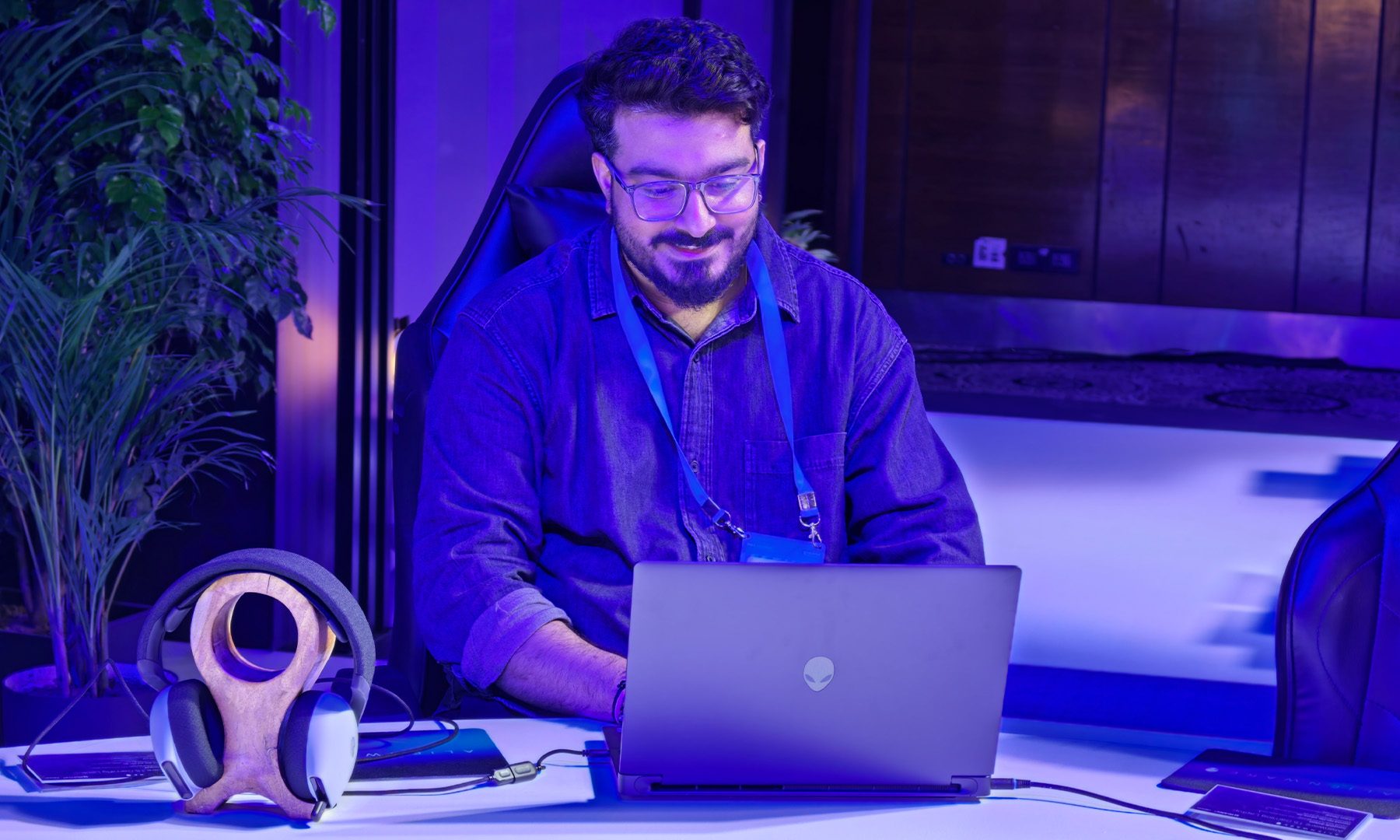
What Dell has managed to do here is arguably more impressive. The Alienware 15 captures much of what makes the brand desirable — its premium styling, solid build quality, gamer-focused identity, and unmistakable presence — without demanding flagship money. Unlike the pricier Alienware 16X Aurora lineup, this one also comes in far more approachable configurations, making it an appealing choice for students, budget-conscious gamers, and first-time Alienware buyers.
If these first impressions are anything to go by, Dell hasn’t diluted the Alienware name by making it more affordable. Instead, it has simply opened the door for a whole new generation of gamers to finally walk through it.