


A few nights ago, I was at a party trying to recommend a song to someone. Normally, I’d have to either send it to someone later on or fight someone to pair it with the Bluetooth speaker. But I had the POCO F9 Ultra with me, so I tried doing something I generally loathe on any phone and played that song on its speakers. I was actually surprised by how it cut through the noise.
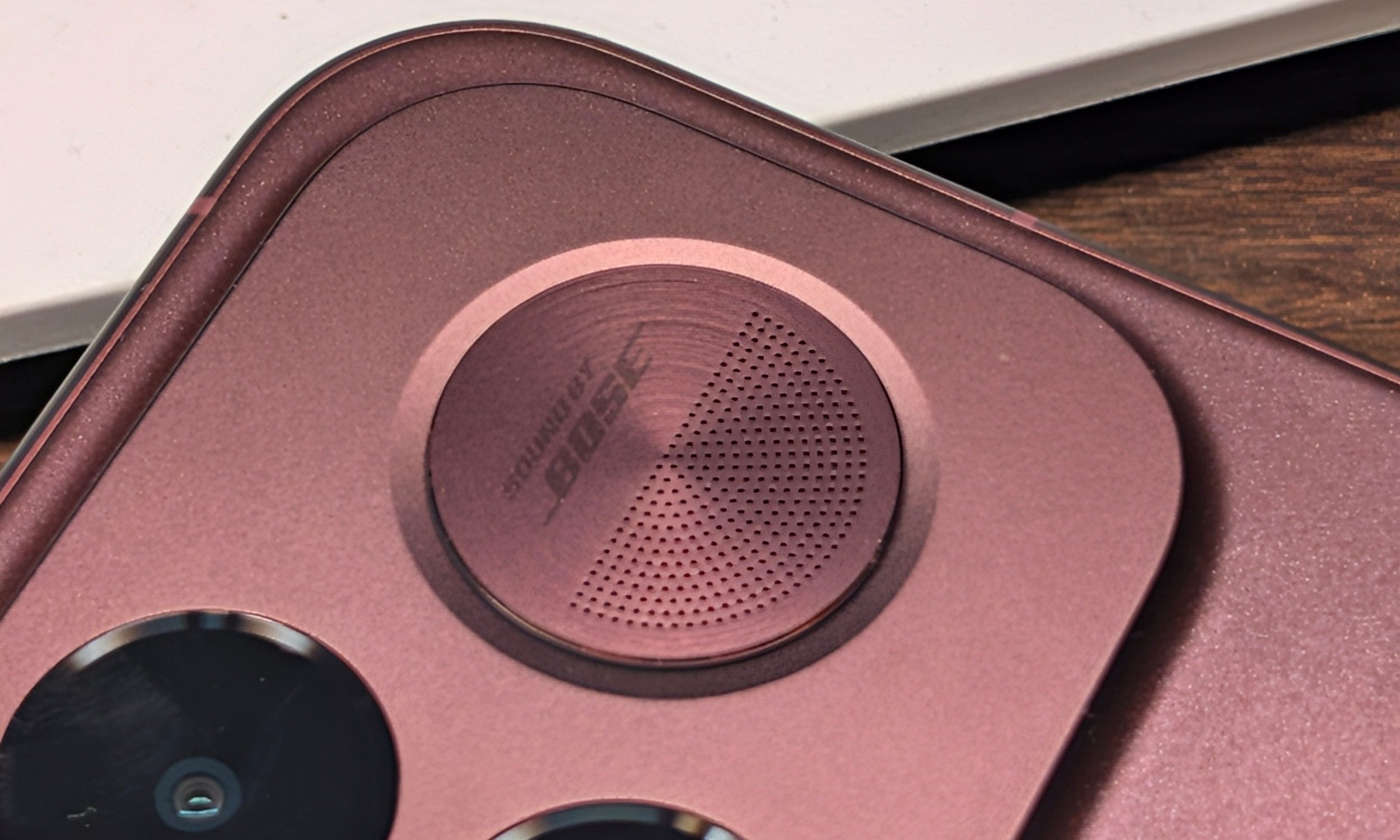
Despite the less-than-ideal situation around us, the F9 Ultra stayed loud and, more importantly, clear enough that the person beside me could properly hear what I was trying to show them. That is when I realized I’m more interested in this one aspect of the device than in its other flagship features. POCO has given the phone two symmetrical 1115D stereo speakers and an independent 1620 subwoofer (which previously took dedicated attachments), creating what it calls a 2.1-channel audio system tuned by Bose. There are Dynamic and Balanced sound profiles as well, with the former emphasizing fuller bass and the latter targeting cleaner vocals and overall balance.
But that is just specs talk. I’ve only started using the F9 Ultra, so this isn’t a full verdict on the overall experience. It is, however, the first phone in a while to make me want to talk about more than just the basics. Bose has collaborated with POCO for powerful smartphone speakers before, and I finally got to try it out.
This won’t replace your speaker, and that’s not what it was going for anyway
Calling something a subwoofer immediately creates expectations. You expect the bass to be felt. I don’t want to give the impression that the F9 Ultra somehow produces the kind of chest-thumping bass you’d get from a proper speaker. It still needs to deal with physics, as there’s only so much low-end energy you can generate from something that fits inside a smartphone. Bass notes sound more distinct than I expect from a phone this size, and the lows don’t simply collapse into a muddy layer underneath everything else. There’s a little more separation between that low-end information and the mids, which makes music sound fuller without burying vocals.

Many flagship phones can sound quite good at moderate volume; the F9 Ultra, on the other hand, gives the same presentation with more depth. The song still sounded like a song. The company claims that the independent subwoofer is meant to deliver deeper bass while also improving vocal clarity, detail, and soundstage across the complete speaker system.

It behaves a little like a tiny Bluetooth speaker
Even with the few days that I’ve had this device, the F9 Ultra kept reminding me of one of those tiny Bluetooth speakers. It can’t replace a bigger one that’s for sure, but what it manages to recreate is a little bit of that same experience. So all those chores you do, or as you’re getting ready to go out, can be more vibrant without having to find your headphones or connect your wireless speakers. Just leave the POCO F9 Ultra on the bed or table nearby, and it will make sure you hear it.
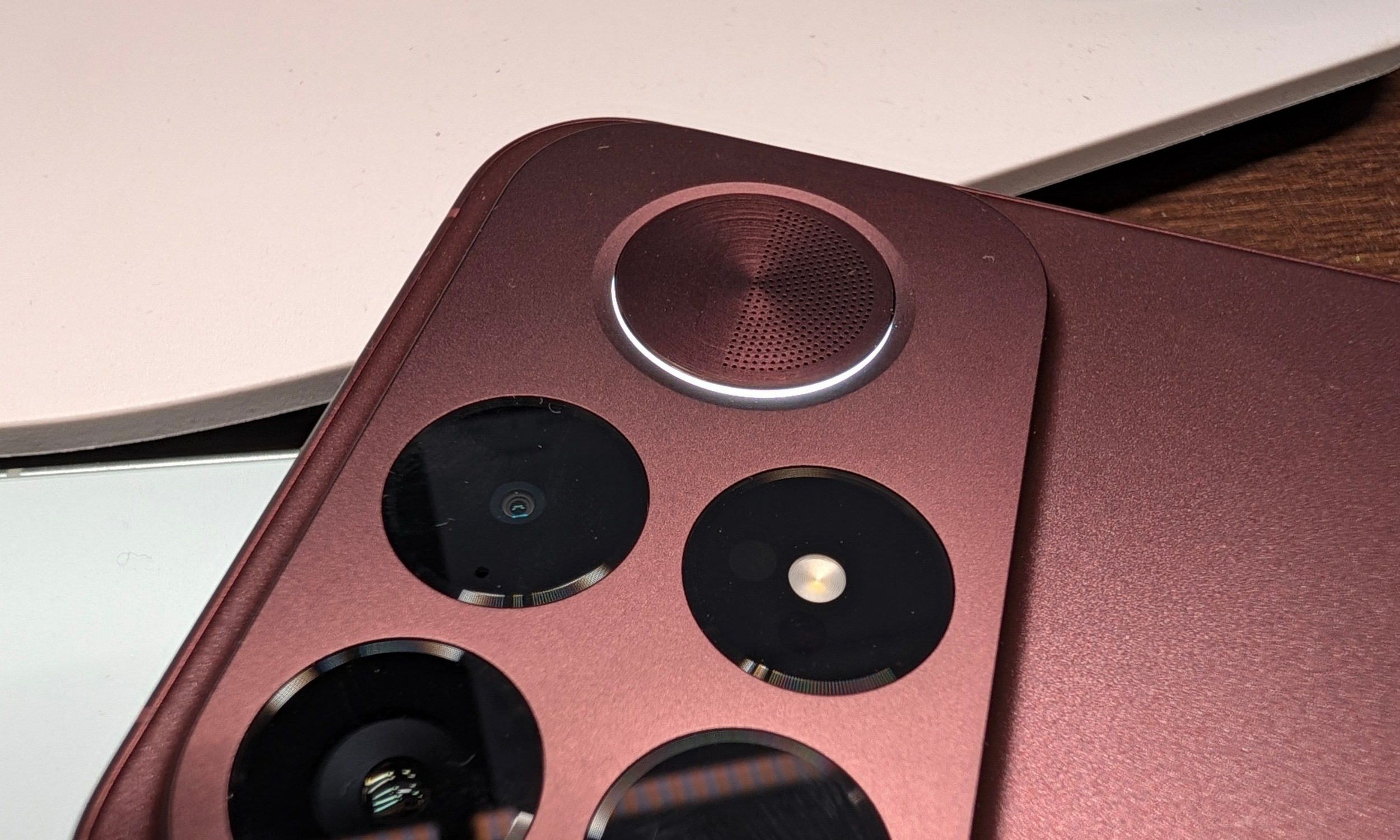
The dedicated rear driver is the big highlight here. The circular grille sits directly beside the cameras, so you can actually see the part responsible for this little experiment. My Dark Cherry unit makes the whole oversized camera-and-speaker area even more prominent, while POCO has also built dynamic lighting into the rear module for calls, music, and supported games. This is just the cherry on top. Rhythmic lighting is always fun, and having the option to use it for notifications just adds to its versatility.
The rest of the phone is pretty powerful too
POCO didn’t pour all the money into the speakers, the new subwoofer has a proper flagship phone built around it. The F9 Ultra has a 6.9-inch AMOLED display capable of running at up to 185Hz, Qualcomm’s Snapdragon 8 Elite Gen 5, and a dedicated VisionBoost D8 chipset that can handle frame-rate interpolation, super resolution, and Game HDR in supported scenarios.
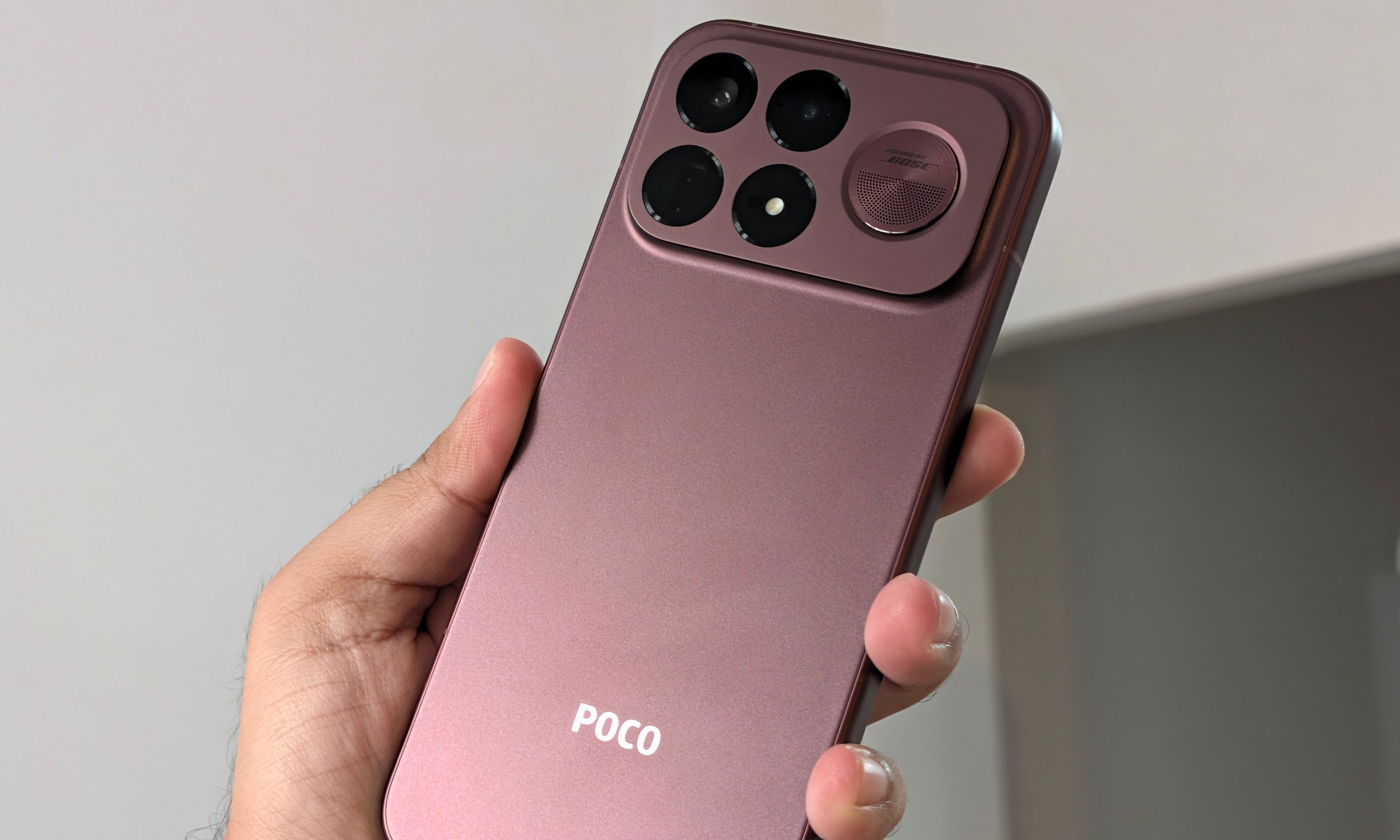
The brand is also bringing in support for more than 20 games to take advantage of the native refresh rate. I’ll spend more time testing how useful all of that is together. Right now, I like that the speakers don’t seem like an isolated gimmick attached to an otherwise ordinary device.
Modern flagships are astonishingly capable, and that ends up making them pretty predictable. You are pixel peeping to see camera quality, comparing brightness, and testing the same games to see which runs it better. Every year, you expect phones to get better and better. All things considered, the F9 Ultra meets all of those big expectations too. It packs a gigantic 8,050mAh battery, 100W wired charging, 50W wireless charging, and a 200MP main camera.