


The Red Magic 11S Pro has liquid cooling, a 24,000rpm fan, RGB lighting, and shoulder triggers that make sure you know it’s built exclusively for a high-end gaming experience. Every part of it appears designed for that purpose.
I even managed to run Ghost of Tsushima Director’s Cut on it through GameHub. The setup needed plenty of tweaking, sure, and stability depended on the performance mode–yet, the experience of playing a AAA game run on a phone showed exactly how far Red Magic has pushed the hardware. After the game closed, though, I still needed a normal smartphone.
This meant I’m browsing on this phone, making calls, streaming content, and relying on it to last me through the day without constantly checking the battery. That’s where the Red Magic 11S Pro surprised me by handling these responsibilities well.
The gaming screen is also an excellent phone screen
You spend the most amount of time interacting with the display, and the Red Magic 11S Pro offers one of the most immersive viewing experiences by far. Sure, you’ll find a phone with a higher resolution or thinner bezels, but a full screen on the front is still rare. Thanks to its under-display selfie camera, there’s no punch-hole cutout at the top of your display. Once I became accustomed to that clean canvas, conventional phone displays started looking unnecessarily interrupted.

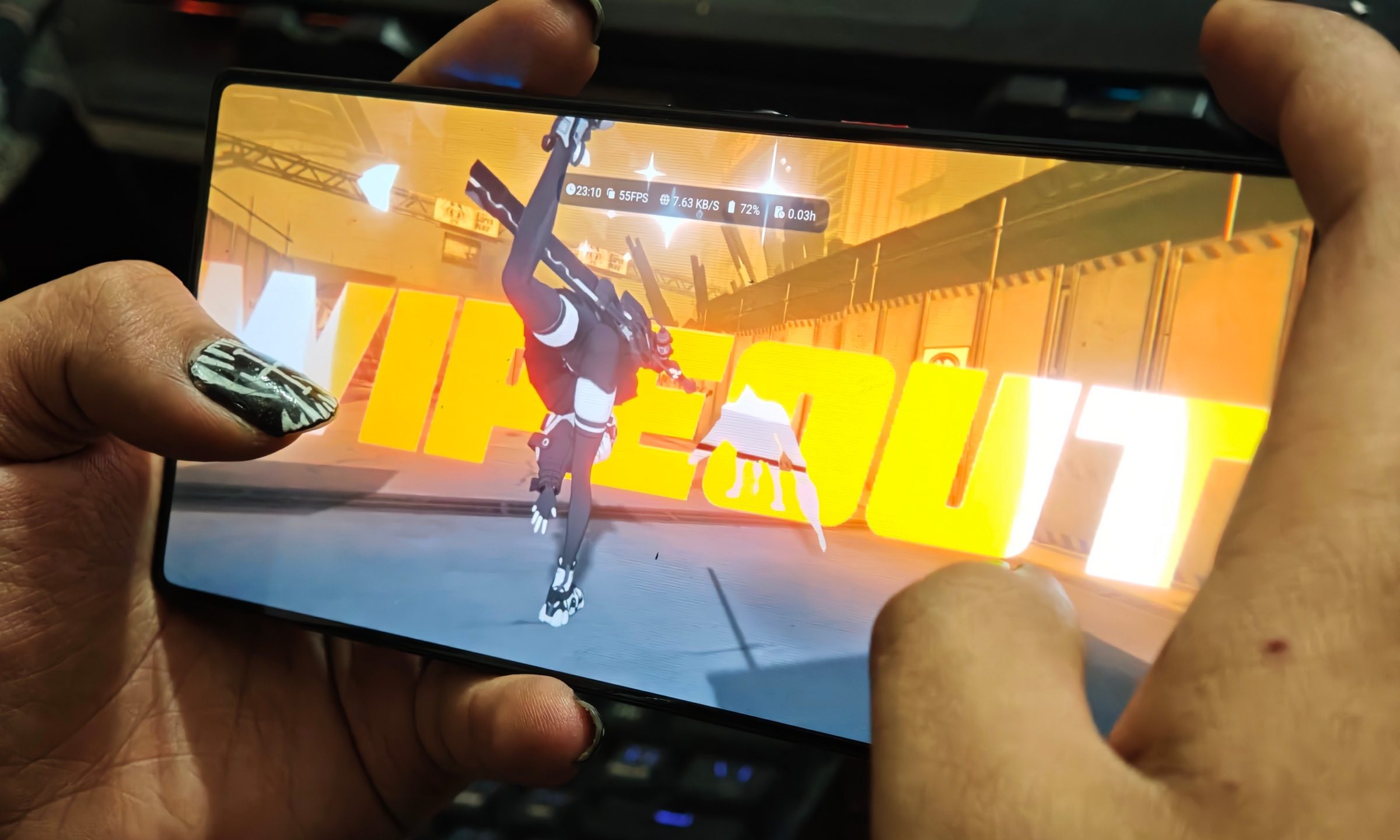
Aside from this, the 6.85-inch AMOLED display on the Red Magic 11S Pro is a great example of a gaming feature improving everyday use. It offers a 144Hz refresh rate that makes general navigation feel buttery smooth, while the 2688 x 1216 resolution keeps text and images sharp.
Big battery that just keeps it running
Gaming phones need large batteries because demanding games consume power quickly. Everyone else benefits from that capacity too. The 7,500mAh battery gave me around eight hours of screen time when I used the Red Magic 11S Pro as a regular phone. Lighter usage could comfortably stretch the experience further, while heavy gaming naturally cuts into that figure.
Ignoring software optimization, a massive cell like this is a refreshingly uncomplicated approach of improving the smartphone’s endurance. I could browse, stream, take photos, message people, and play games without planning my day around a charger or a companion power bank.


When the battery eventually ran low, the 80W charging system took it from nearly empty to around 70% in 30 minutes. A complete charge finished in just under an hour during my testing. Wireless charging reaches the same advertised 80W ceiling with compatible equipment, which is still uncommon among gaming phones.
The phone also supports bypass charging, allowing external power to run the device without continuously filling the battery. That feature is intended for long gaming sessions, and can even help anyone using the phone for navigation, video calls, or extended desktop-style workloads.
The camera clears the minimum bar
Cameras remain the easiest place to see the Red Magic 11S Pro’s gaming priorities. The 50MP main camera produced good detail in daylight, and optical image stabilization helped keep shots steady. Images could look overprocessed, while low-light performance was merely decent. The 50MP ultrawide adds useful flexibility, although neither camera competes with the best photography-focused phones around this price.

The under-display selfie camera makes a larger sacrifice. Hiding it beneath the screen protects the uninterrupted display, though image quality loses clarity compared with a conventional front camera. But even with those shortcomings, I never considered the camera system unusable. It sits closer to competent midrange territory. That is enough for casual photos, social posts, video calls, and capturing the right moment. I believe the best camera is the one you have on you at any given moment, and while you do miss out on the advanced filters or better processing, you’re not suffering the camera hardware here either.




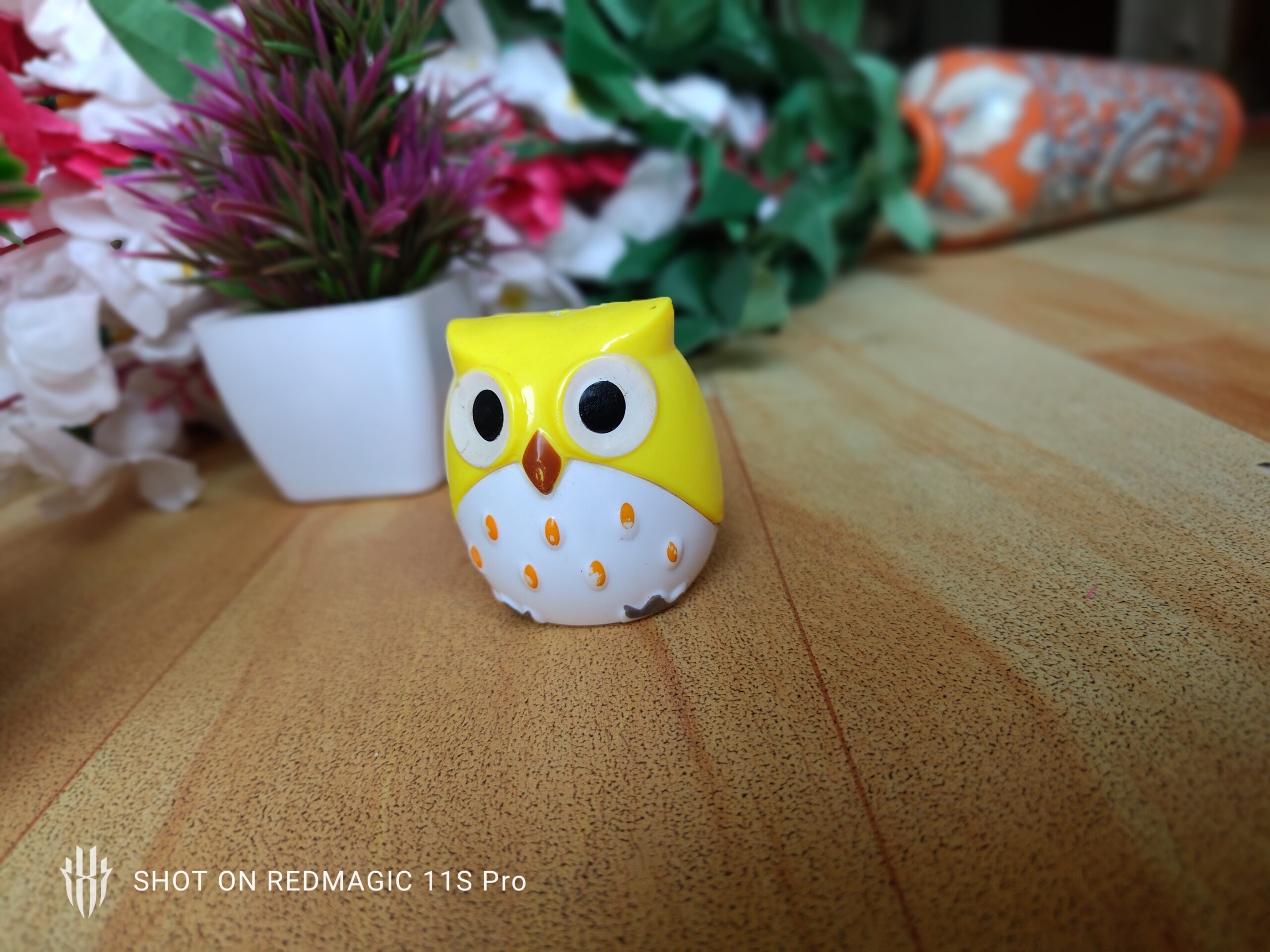
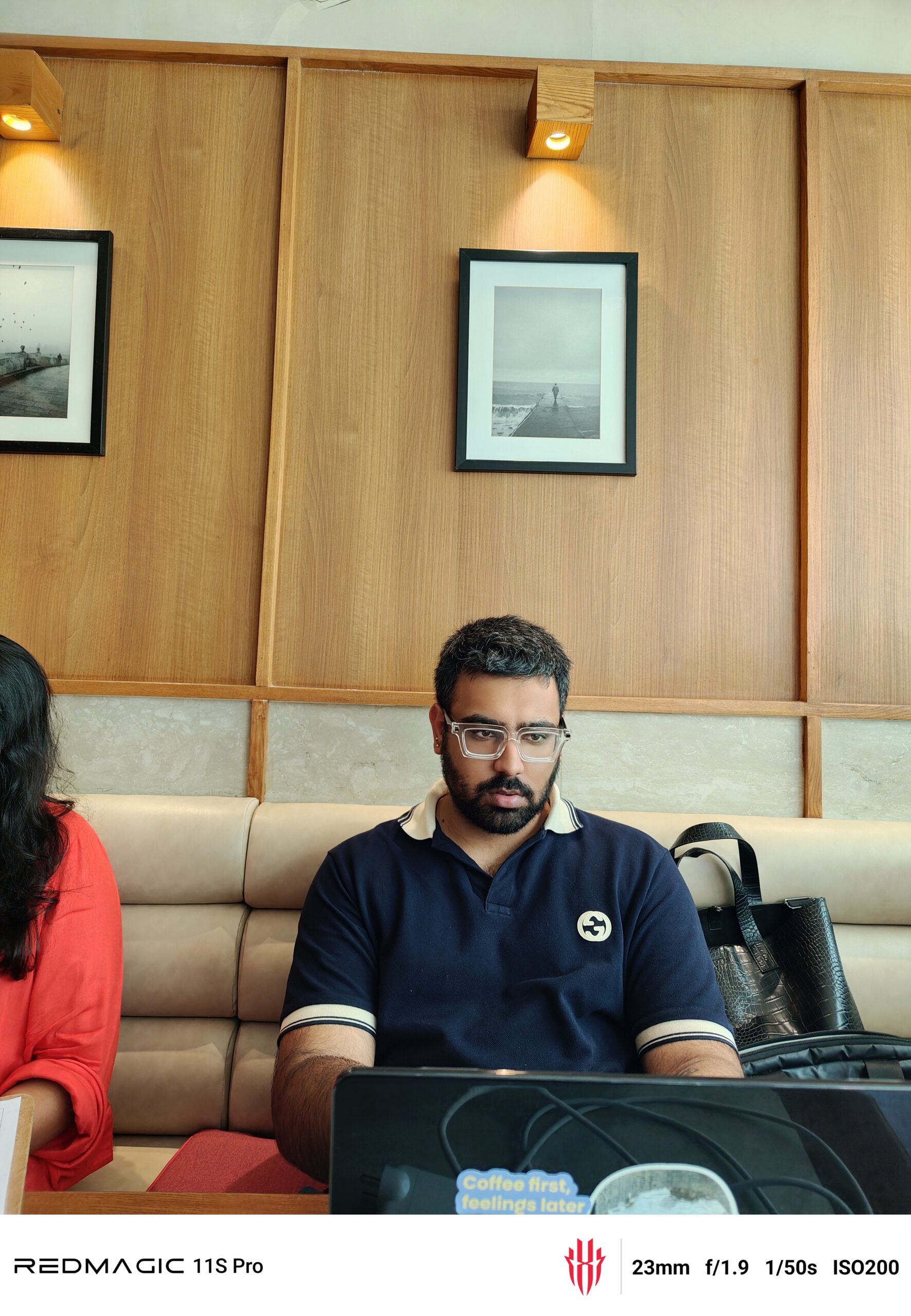
Anyone who prioritizes photography is probably not in the market for this phone. My expectations were tempered–I just wanted a camera that could document daily life without ruining the rest of the phone, which it managed to do.
Gaming features have uses beyond gaming
Several gaming-focused additions also became useful during ordinary use. The physical shoulder triggers can be mapped inside games, while the customizable Magic Key can launch the camera, flashlight, or another shortcut. The 3.5mm headphone jack remains useful for gaming and listening to music without Bluetooth latency or battery concerns, making me miss wired earphones.

Strong stereo speakers improve games, videos, and podcasts alike. The cooling system also keeps demanding tasks under control, whether that involves GameHub, video editing, emulation, or a long recording session. Red Magic OS still lacks the refinement of Samsung’s One UI or Google’s Pixel software. Some menus need tidying, and the long-term update commitment deserves consideration when buying a phone this expensive. During regular use, however, performance remained consistently smooth.
A gaming phone can still be your only phone
The Red Magic 11S Pro asks you to accept its loud design and every other compromise. To some, the cuts in cameras or size might be too deep. But at the end of the day, it is still a smartphone, and you’re still getting that core experience–just with some gaming goodies.

When I wanted to play, the same device became one of the most capable portable gaming systems I had tested. But when I’m not gaming, the battery lasted long, the display was gorgeous, charging was super fast, and everyday performance was effortless.