


Meta’s smart glasses have run into a place where hands-free cameras are not particularly welcome: the courtroom.
According to a report by The Guardian, courts across England and Wales are banning Meta’s smart glasses from entering judicial buildings, with the HM Courts & Tribunals Service (HMCTS) confirming that anyone arriving with the glasses will have them confiscated and returned when they leave. The decision comes amid growing concerns that smart glasses could be used to secretly record court proceedings.
The rule applies specifically to smart glasses capable of recording images or video. HMCTS said there are clear restrictions on taking images or videos inside courts and tribunals, and that using recording equipment without permission can lead to contempt of court proceedings. Unlike smartphones, Meta’s glasses will not be allowed into court buildings even if the wearer promises not to use their recording function.
The problem is not the glasses. It is what they can record
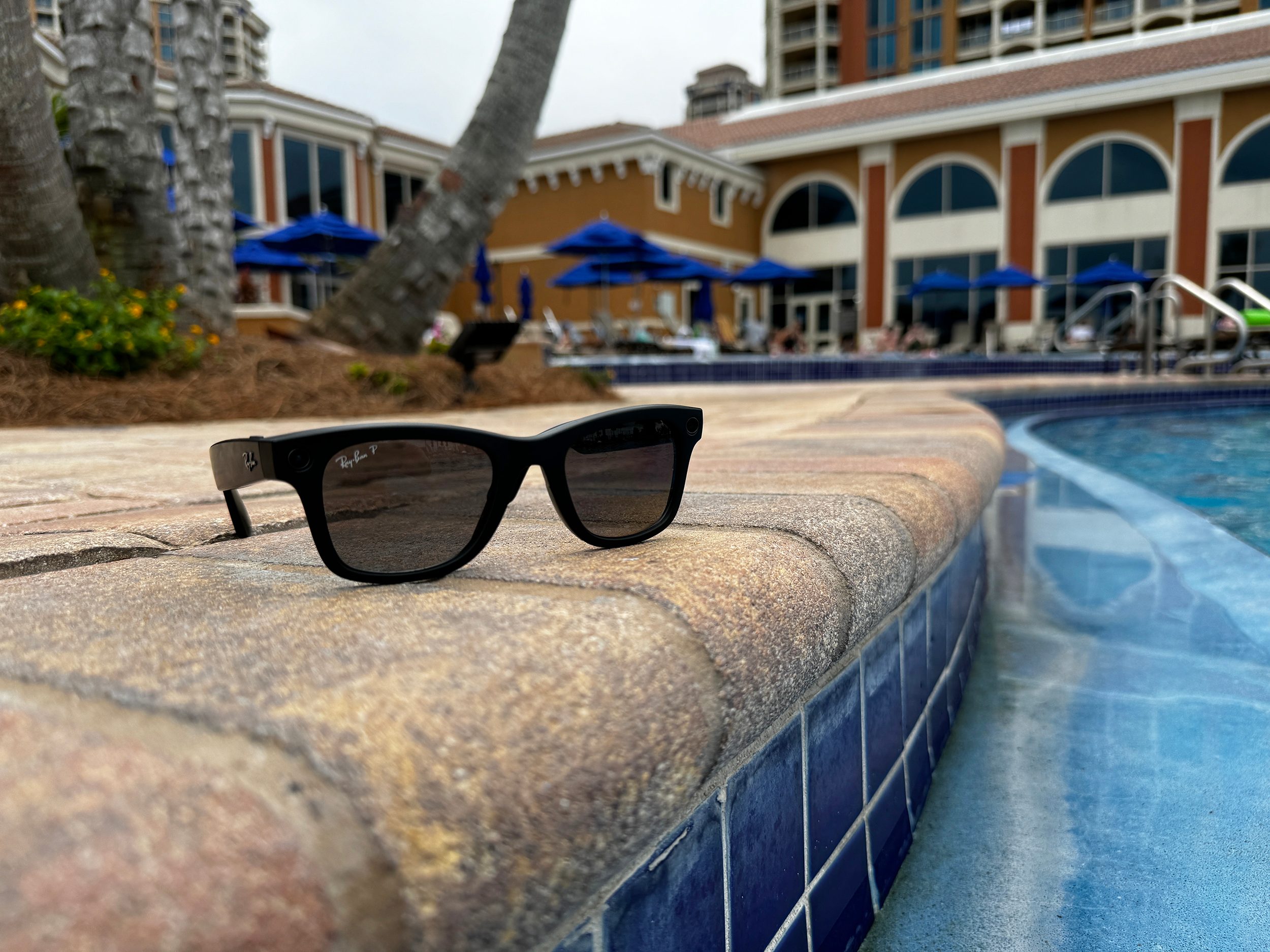
The concern is fairly straightforward. Meta’s glasses look like ordinary eyewear, but their cameras can capture photos and video without requiring the wearer to pull out a phone. That makes it considerably harder for people around them to know when they are being recorded.
HMCTS told The Guardian that users bringing Meta glasses into courts or tribunals will have them confiscated on entry and receive them back when they leave. Smartphones, meanwhile, remain permitted under the condition that they are not used to record court proceedings.
The decision follows a case earlier this year in which a claimant was accused of wearing smart glasses during a High Court hearing and receiving “coaching” through them. The claimant denied using the glasses to receive answers and said they were not connected to their phone. HMCTS said it does not have figures on how many incidents involving smart glasses have occurred in courts.
There is also a wider privacy issue behind the restrictions. Meta’s glasses have faced criticism over concerns that people could be filmed without their knowledge, particularly in places such as restaurants, theatres and pubs. Some venues have already introduced their own restrictions.
Smart glasses are entering the awkward part of their evolution
The court ban highlights a problem that goes beyond Meta. As cameras, microphones and AI assistants become increasingly discreet, the old social cues around recording are starting to disappear.
Meta has sold 7 million pairs of its smart glasses, with prices ranging from £269 to £469 ($360 to $640), according to the Guardian report. The company has also continued updating the glasses’ tamper-detection technology and says a visible pulsing light appears when the glasses are recording.

That may reassure some users, but courts are taking the more conservative approach. In an environment where even the appearance of undisclosed recording can undermine the integrity of proceedings, the easiest solution is to leave the cameras at the door.
For Meta, this is another reminder that making smart glasses look and behave like normal glasses is precisely what makes them useful. It is also what makes institutions increasingly cautious about where they can be worn.