


Every summer, social media rediscovers the same “life hack”: if your phone gets too hot, stick it in the fridge for a few minutes. It sounds logical. Refrigerators are cold. Phones are hot. Problem solved. Except it isn’t. Repair technicians, smartphone manufacturers, and safety experts all agree this is one of the worst things you can do to an overheating phone. While the trick might cool the exterior temporarily, it can quietly create a much bigger problem inside the device – one that could permanently damage components or shorten the life of its battery.
According to a new BBC report, the latest warning comes from a UK phone repair shop, but it’s one experts have been repeating for years.
Your phone isn’t overheating because it needs a fridge
According to a report by the BBC, Jamie Farnell, who runs Shropshire Phone Repairs in Wem, says his shop has been inundated with devices suffering heat-related issues during the recent heatwave. Many customers admitted they had tried cooling their phones by putting them inside a fridge or freezer after seeing the advice circulate on social media.
Farnell says that’s exactly what people shouldn’t do. The problem isn’t the cold itself – it’s what happens when a warm electronic device is exposed to a cold, humid environment. Rapid temperature changes create condensation, allowing moisture to form inside the phone. Unlike the water you might notice on the outside of a cold drink, condensation inside a smartphone can reach the display, charging port, logic board, or battery connectors. That moisture can lead to corrosion, short circuits, or expensive repairs.
Farnell also pointed out another familiar internet myth that refuses to die: putting wet phones in rice. He says that trick is just as ineffective as the refrigerator hack, despite both continuing to circulate widely online. The warning comes after an alarming incident at his repair shop, where an iPad with a swollen lithium battery reportedly burst into flames during June’s heatwave. Swollen batteries are often a sign of excessive heat stress and should never be ignored.
Apple and Samsung say the same thing: let the phone cool naturally
This isn’t simply one repair technician’s opinion. Apple says iPhones are designed to protect themselves when they become too hot by dimming the display, slowing charging, reducing performance, or temporarily disabling certain features until temperatures return to normal. The company’s advice is straightforward: move the phone to a cooler environment out of direct sunlight and allow it to cool naturally. Apple does not recommend exposing the device to sudden temperature extremes.
Samsung offers similar guidance for Galaxy devices. If a phone displays a “Device cooling down” warning, users should stop using it, unplug it from charging, remove any protective case, close background apps, and simply let it cool on its own. The phone automatically reduces performance and pauses charging to protect its internal components while it sheds heat.

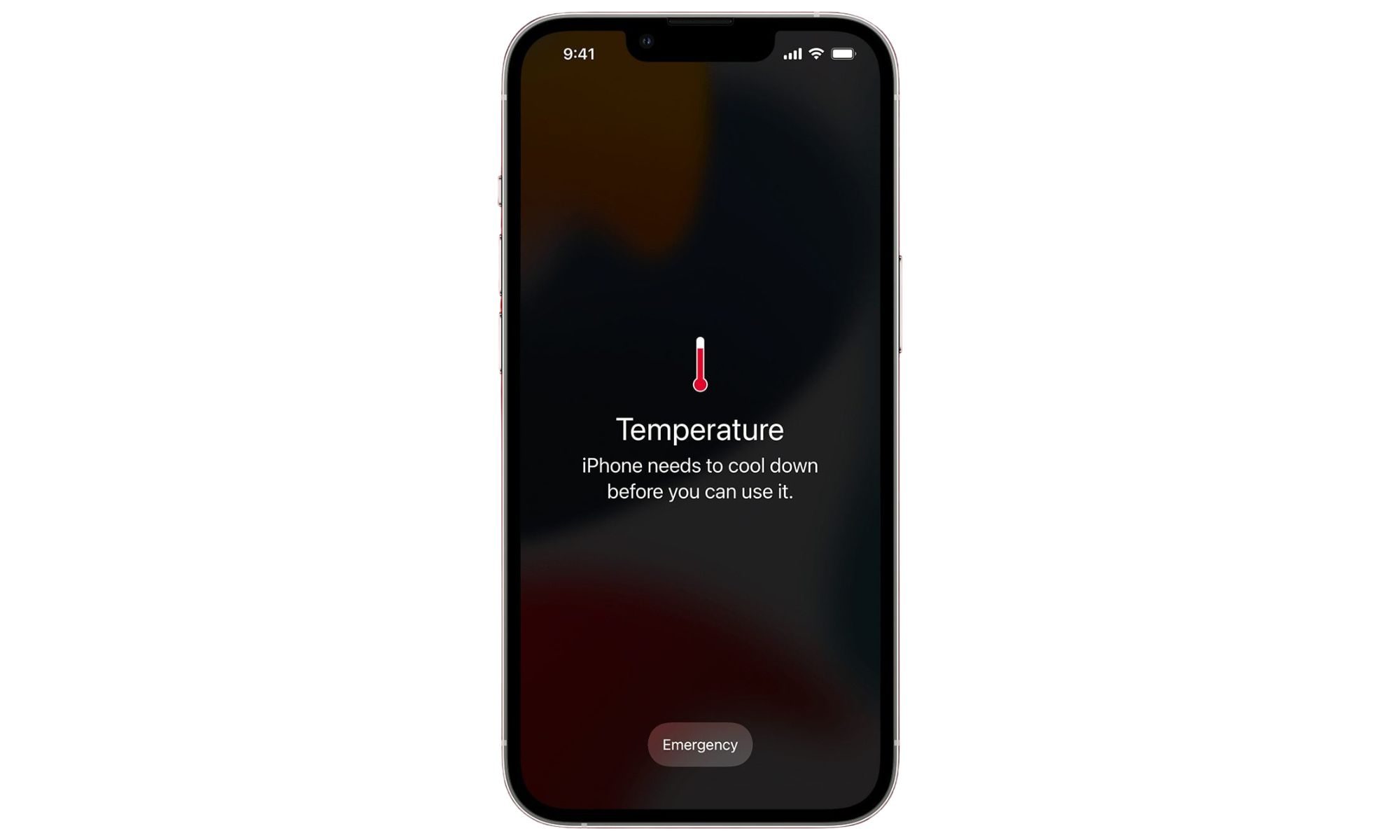
Even the Associated Press, citing guidance from Apple, Samsung, Google and UK electronics retailer Currys during last summer’s heatwave, warned against placing phones in refrigerators or freezers because of condensation risks. If your phone genuinely feels too hot to hold, there are safer ways to help it recover. Turn it off if possible, remove the charging cable, close demanding apps, lower the screen brightness, take off thick protective cases, and keep it somewhere shaded with good airflow. Avoid charging while gaming or recording long videos, especially in direct sunlight.
Modern smartphones already contain sophisticated thermal management systems designed to slow themselves down before permanent damage occurs. The temporary performance hit may be annoying, but it’s considerably cheaper than replacing a moisture-damaged motherboard. As tempting as the refrigerator trick may seem during a heatwave, your phone doesn’t need a blast of cold air. It just needs a little patience.