


“A tale of subtle upgrades reach for the summit of OLED TV excellence.”
Pros
- Brighter OLED panel with improved daytime performance
- Cleaner processing and useful AI enhancements
- Outstanding gaming experience
- Stable and well-balanced picture quality
Cons
- AI features don’t fundamentally change the experience
- Samsung rivals still deliver more immediate visual impact
- Discounted C5 may offer better value for some buyers
The LG C-Series has long occupied a unique position in the TV market. For years, it has been the default recommendation for anyone looking for a premium OLED experience without stepping into flagship pricing territory. It consistently delivered the picture quality, gaming performance, and overall reliability that made it one of the safest OLED recommendations available.
Consistency, however, has also been its biggest challenge.
Over the past few generations, the C-Series has evolved through incremental upgrades. There have been improvements in brightness, processing, and software, but rarely has a new model felt dramatically different from its predecessor. The LG C6H OLED Evo AI changes that.
After spending time with the 77-inch model, it becomes clear that while this is still unmistakably a C-Series OLED, it feels more refined and more ambitious than previous generations. The changes are not revolutionary, but they are meaningful enough to make the C6H feel like the first genuinely meaningful shift in the C-Series in years.
LG C6H OLED Evo AI: What’s New This Year?

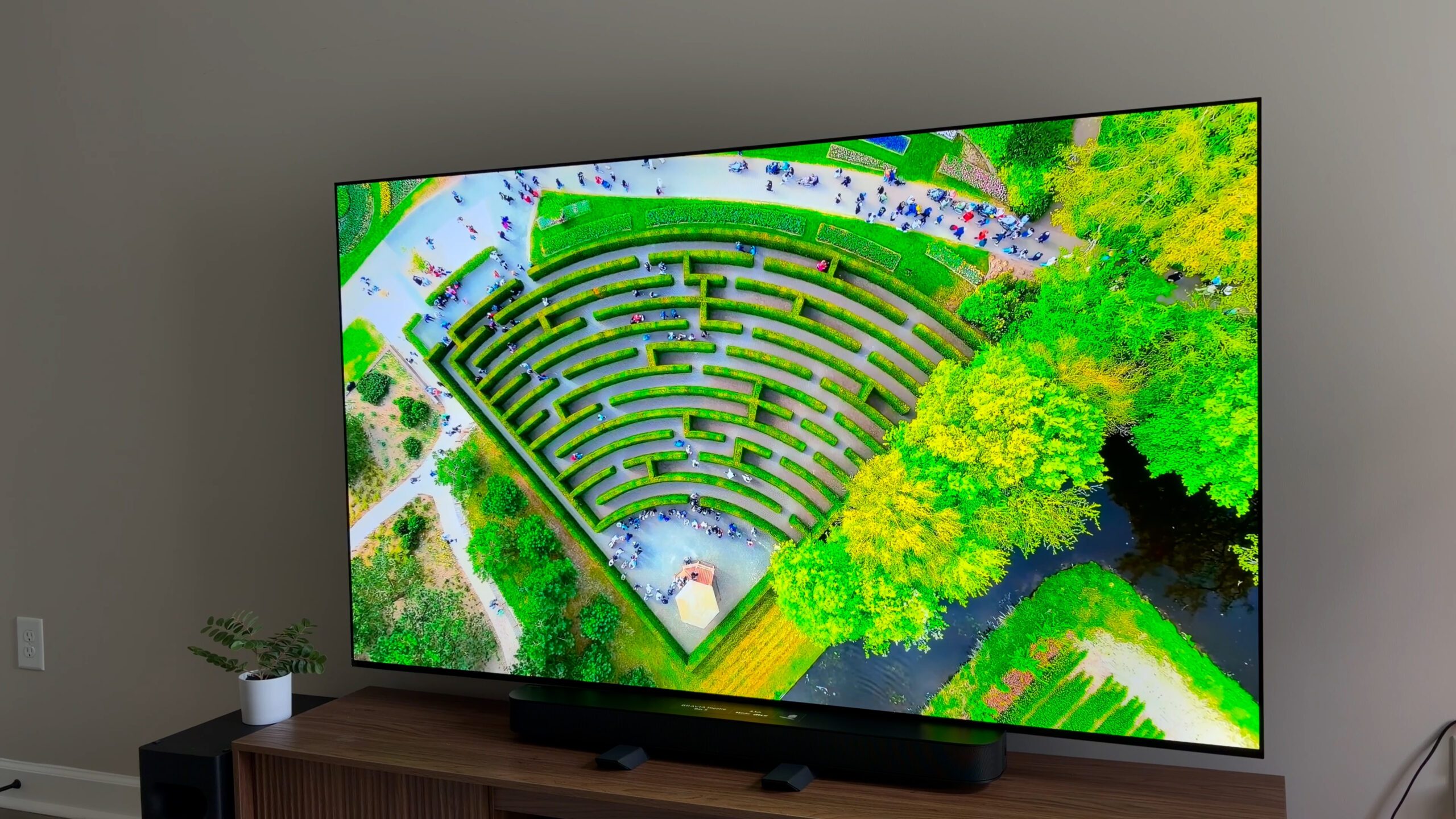
One of the biggest changes this year is the introduction of the C6H submodel. Alongside the standard C6, LG has created a version that layers more of its premium Evo AI experience onto the traditional C-Series formula.
The distinction is important. While the standard C6 continues the familiar C-Series approach, the C6H introduces a more adaptive and intelligent experience powered by LG’s latest processing technologies. Think of it as the iPhone Pro to the standard iPhone. The differences are not dramatic, but after spending time with the television, they become noticeable.
The result is a TV that feels smarter and more refined without losing the qualities that made the C-Series popular in the first place. It still delivers the OLED fundamentals buyers expect—deep blacks, excellent contrast, smooth motion handling and strong gaming performance—but now does so with a greater emphasis on intelligent optimisation and real-world usability.
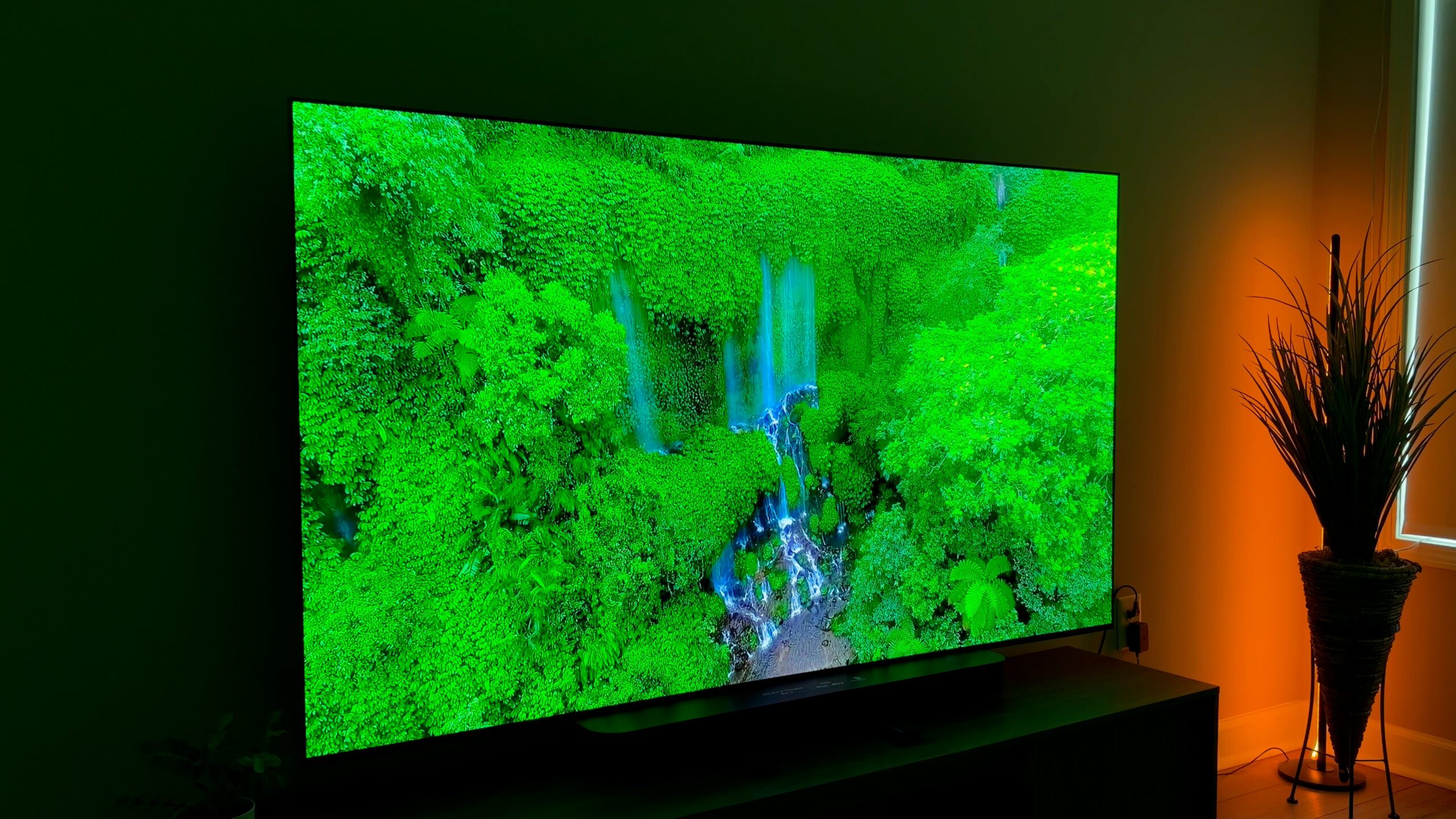
The timing is important because the C-Series has become one of the reference points for the OLED market. Buyers know exactly what they are getting: great blacks, great motion handling, strong gaming performance, and consistently impressive movie viewing. Predictability has been a major part of its appeal.
The challenge is that predictability can sometimes start to feel repetitive. For several generations, improvements largely amounted to slightly better brightness and slightly better processing. Nice improvements, certainly, but not the kind that fundamentally changed the experience. The C6H feels different because it finally feels like LG is trying to move the lineup forward rather than simply refine it.
Picture Quality Feels More Refined Than Revolutionary
The C-Series has built its reputation on delivering flagship-level picture quality at a more accessible price point, and that remains true here.
The biggest visual improvement comes from brightness. LG claims meaningful gains over the previous generation, particularly in HDR highlights and brighter scenes, and those improvements are noticeable in everyday use. While the jump is not dramatic enough to completely redefine the viewing experience, it does make the C6H feel more comfortable in brighter rooms.

Daytime viewing, traditionally one of the weaker areas for OLED televisions, benefits significantly from these improvements. The panel retains the contrast, rich colours and inky blacks OLED is known for, while delivering a punchier image that holds up better when ambient light enters the room. It does not suddenly become Mini LED bright, but it feels noticeably more capable than previous C-Series models when viewed during the day.
More than brightness, what stands out is how stable the image feels. Bright scenes do not appear overly aggressive, dark scenes retain their cinematic appeal, and everything in between feels controlled. On a large 77-inch screen, weaknesses tend to become obvious very quickly, but the C6H manages to hold together remarkably well regardless of the content being displayed.
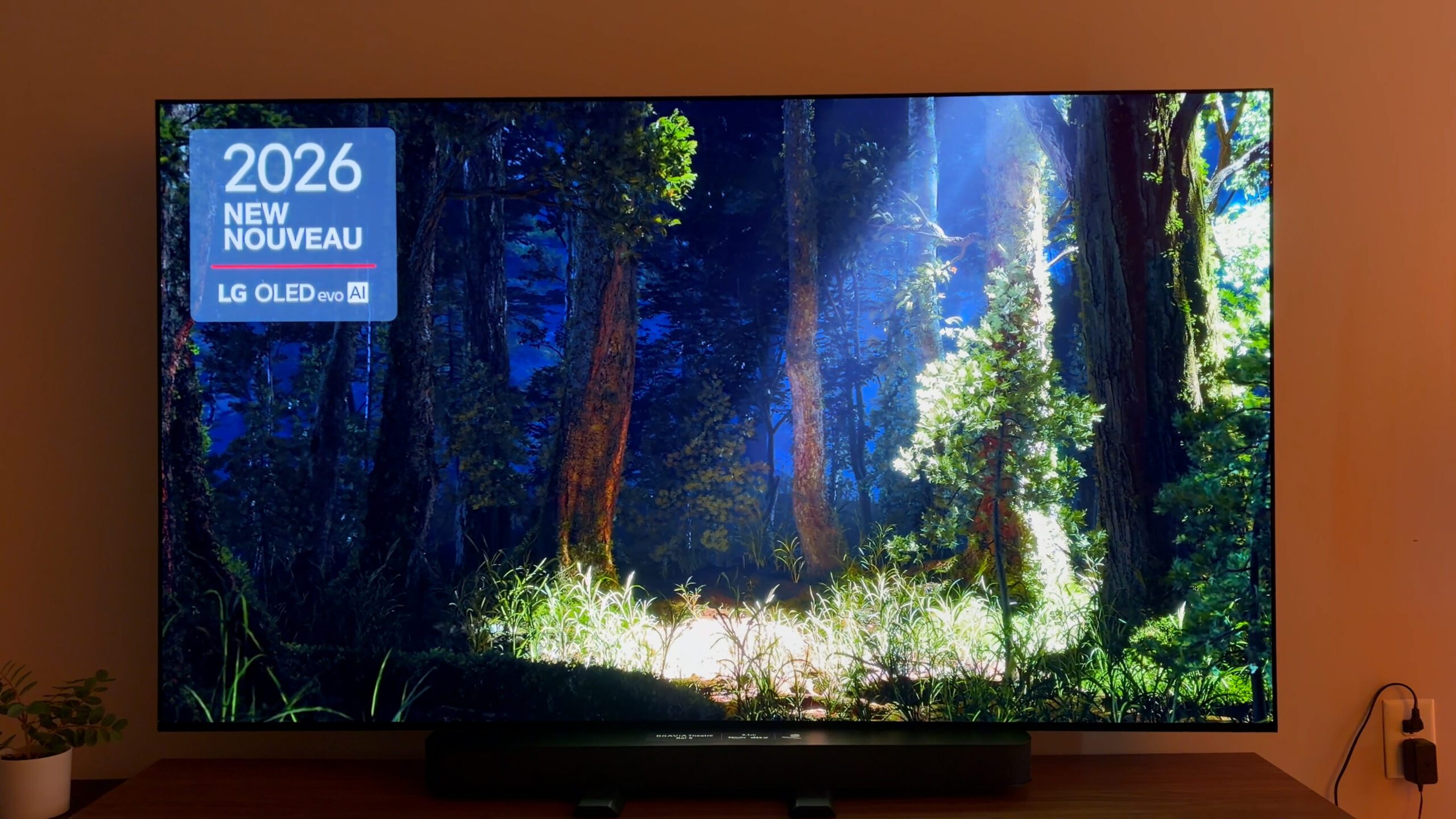
At night, the television continues to deliver everything viewers expect from a premium OLED. Perfect blacks, excellent contrast and impressive depth combine to create a genuinely cinematic experience, particularly when watching Dolby Vision content.
Processing also feels cleaner this year. Older content benefits from better clean-up, lower-bitrate streams look more polished, and darker scenes exhibit less visible noise. None of these improvements is dramatic on its own, but together, they contribute to a more refined viewing experience.
Do the AI Features Actually Matter?
AI is one of the biggest talking points surrounding the C6H, but it is also the area where expectations need to remain realistic.
LG’s Evo AI platform combines the OLED panel with deeper AI-powered processing through its latest Alpha chip. Features such as AI Picture Pro, AI upscaling, adaptive brightness adjustments, AI sound enhancements, and personalised recommendations form a significant part of the overall experience.
The reality is that these features do not fundamentally transform how the television works. Instead, they improve the experience through a series of smaller refinements.
Brightness adjustments feel more natural. Lower-quality content receives cleaner upscaling. Streaming content appears slightly sharper, while dialogue reproduction benefits from clearer sound processing. Individually, none of these improvements is game-changing. Collectively, however, they contribute to a television that feels more polished and responsive to different viewing conditions.
Ultimately, the story of the C6H is one of refinement. LG has not reinvented OLED, nor do the AI features dramatically transform the experience. Instead, they improve a collection of smaller interactions that become more noticeable over time.
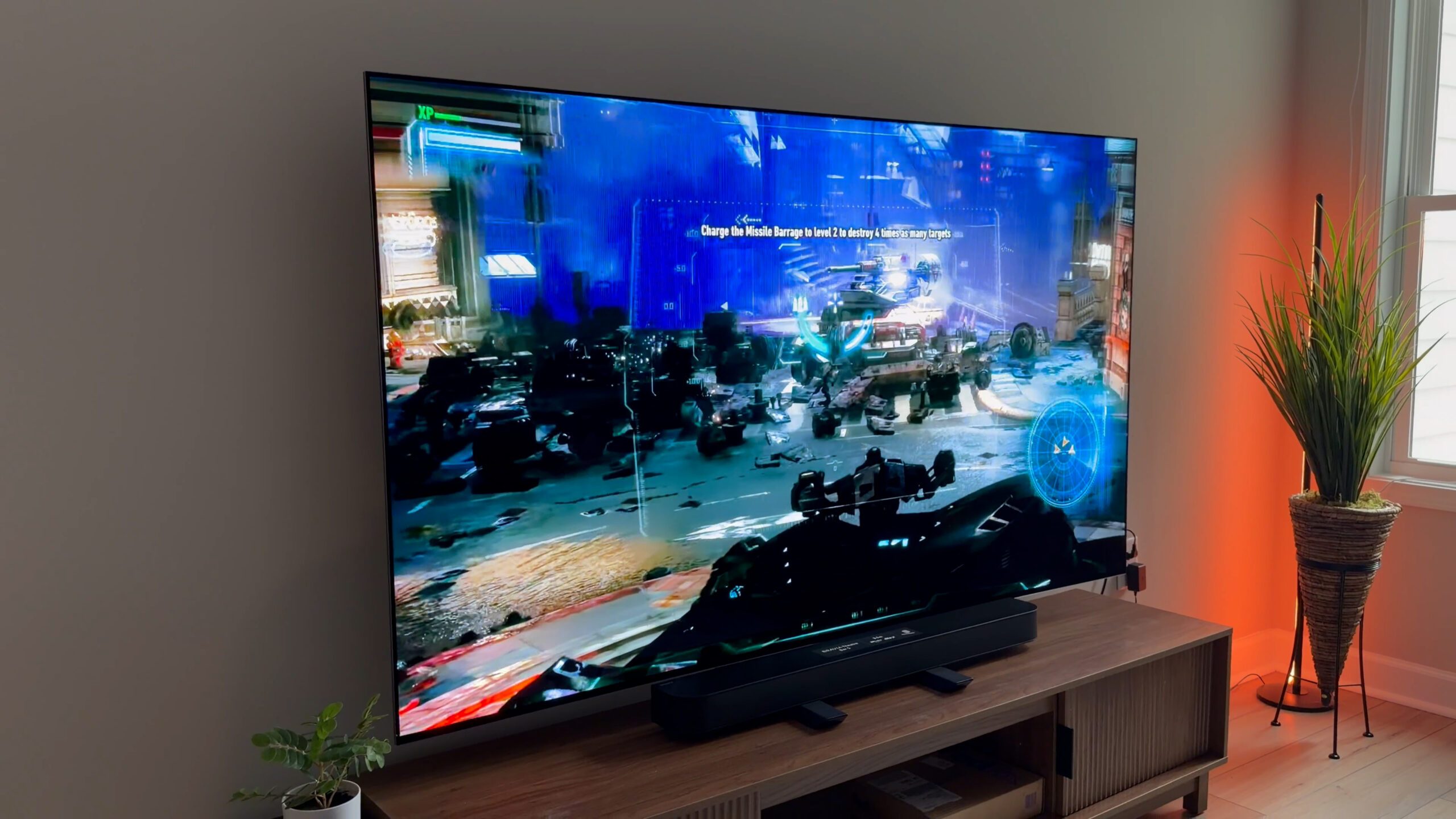
Gaming Remains One of LG’s Biggest Strengths
Gaming continues to be an area where LG holds a significant advantage, and the C6H does little to change that reputation.
The television supports high refresh rates, VRR, NVIDIA G-SYNC, AMD FreeSync Premium, and extremely low input lag. Combined with OLED’s near-instant response times, the result is a gaming experience that feels consistently responsive.
Fast motion stays clean, HDR highlights have greater impact, and even chaotic scenes remain composed. Much like the picture quality itself, the gaming experience feels stable and controlled rather than flashy for the sake of it.
For gamers looking for a premium OLED television, the C6H remains one of the easiest recommendations in its class.
How It Compares to the Competition
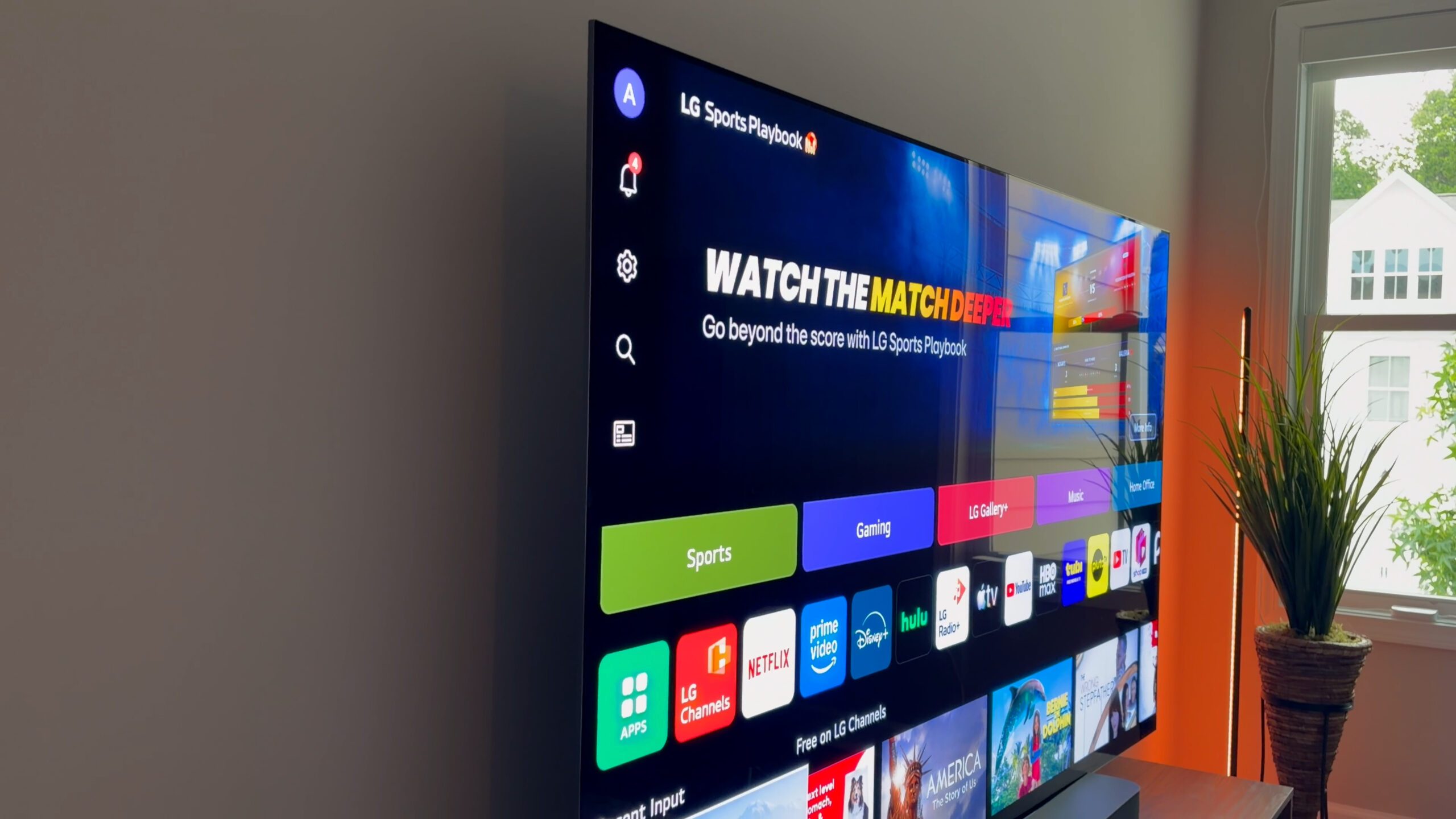
The premium OLED market has become increasingly competitive, and the C6H enters a category filled with strong alternatives.
Samsung’s S90F is perhaps its most direct rival. Buyers looking for brighter, punchier colours and a more immediate wow factor may find Samsung’s approach more appealing. The LG, however, counters with a more balanced presentation, stronger gaming credentials, and a more predictable overall experience.
Sony’s Bravia 8 II remains a compelling option for movie enthusiasts. Sony’s image processing continues to be among the best in the industry, particularly for cinematic content. The trade-off, however, is often a higher price and a gaming experience that is not quite as versatile as LG’s offering.
There is also the question of LG’s own C5. If significant discounts become available on the older model, it may still represent the smarter purchase for budget-conscious buyers. The improvements on the C6H are meaningful, but value-conscious shoppers should pay close attention to pricing before making a decision.
Verdict
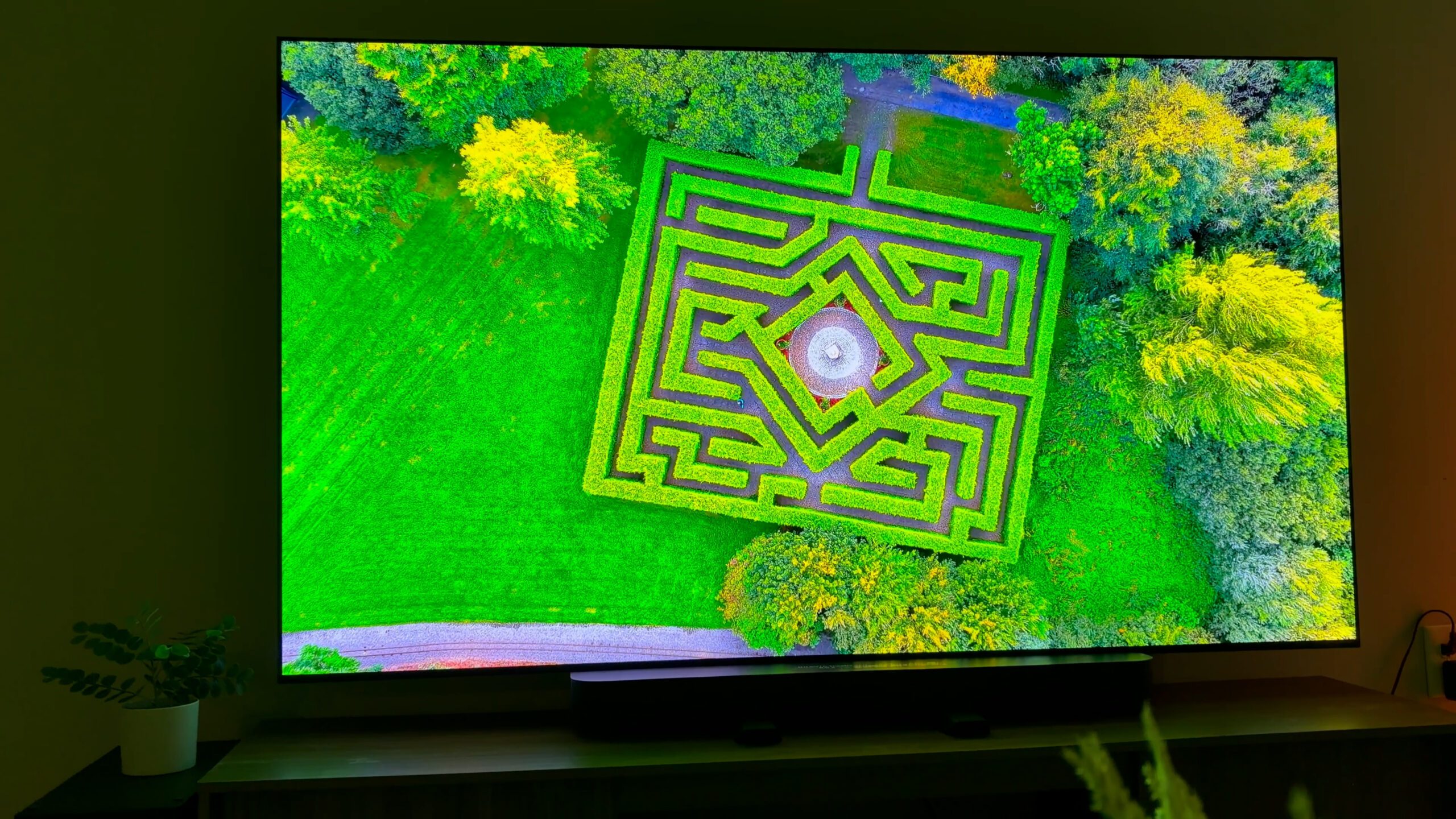
The LG C6H OLED Evo AI feels like the first genuinely meaningful C-Series upgrade in years.
LG has not reinvented OLED technology, nor do the AI features fundamentally change the experience. The gains are more subtle than that. Brightness is better, processing feels cleaner, and the television adapts more effectively to different viewing conditions. None of those improvements are revolutionary on their own, but together they make the C6H feel noticeably more refined than its predecessor. The picture feels more stable, the processing is cleaner, the AI enhancements are genuinely useful in day-to-day viewing, and the gaming experience remains among the best in the category. Rather than introducing a single headline-grabbing feature, LG has improved multiple aspects of the experience in ways that become more apparent the longer you spend with the television.
The premium OLED segment is also more competitive than it has ever been. Samsung continues to offer brighter, punchier visuals, Sony remains a benchmark for movie lovers, and a heavily discounted C5 could still represent excellent value. Even so, the C6H manages to carve out a strong position for itself by delivering one of the most balanced and complete OLED experiences currently available.
The C-Series became the default OLED recommendation for a reason. Consistently strong picture quality, class-leading gaming features, and dependable all-round performance made it one of the easiest televisions to recommend. The C6H builds on that foundation while introducing enough meaningful improvements to make the lineup feel fresh again.
The safe choice is not usually the exciting one. In the case of the C6H, LG has managed to make a convincing argument for both.