


AI smart glasses have a trust problem. Even when they’re not recording, simply wearing a camera on your face can make people around you uneasy. Solos’ latest answer isn’t another blinking LED or software toggle. Instead, it’s a piece of plastic.
Two different approaches to solving the same problem
The company has unveiled two privacy-focused additions to its wearable lineup: the camera-free AirGo A6 smart glasses and a new Privacy Kit for the AirGo V2 that physically blocks the camera whenever users don’t want it active.
Unlike many AI smart glasses entering the market, the AirGo A6 doesn’t include a camera at all. Instead, Solos has focused on creating a lighter pair of everyday smart glasses that prioritize comfort, privacy, and a more traditional eyewear design. Users still get AI-powered features through the built-in microphones and speakers, including voice assistants, translations, notifications, and hands-free interactions — just without any image capture.

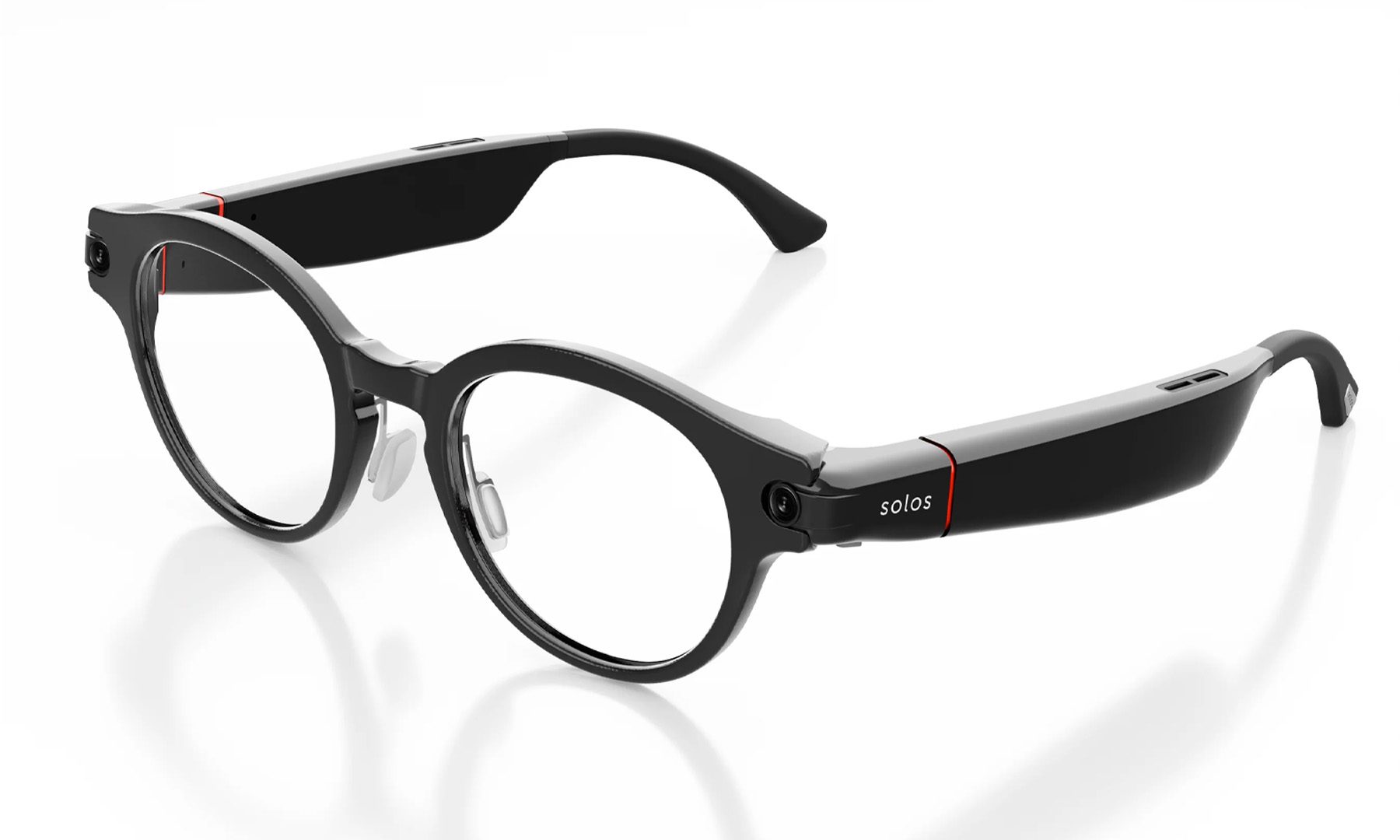
The camera hasn’t disappeared entirely, though. Solos has also launched the AirGo V2 globally, starting at $299. It features a 16MP camera capable of capturing 2K video, modular frames, and up to 12 hours of battery life, making it the company’s flagship option for users who do want visual AI capabilities.
A physical privacy switch beats software
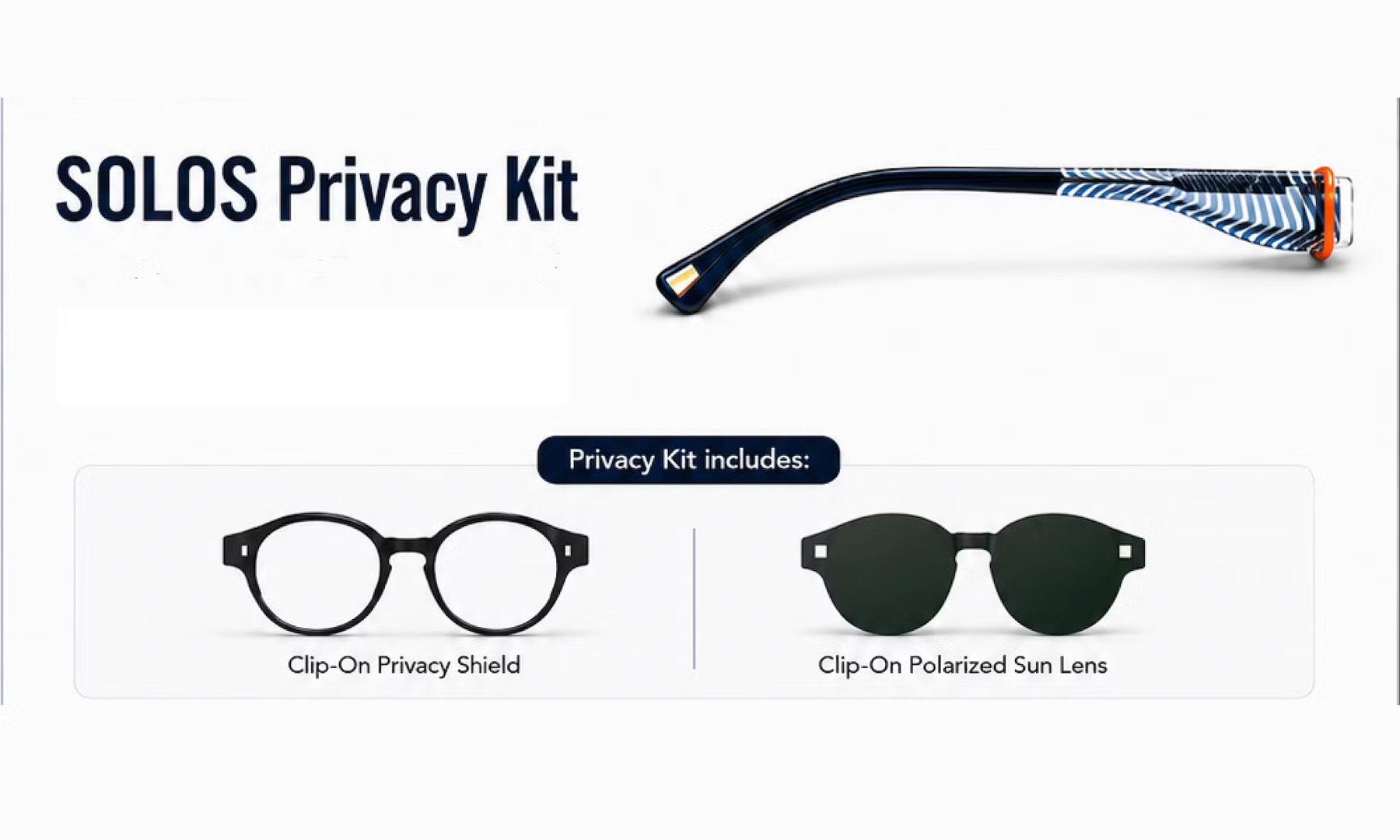
To address concerns around wearable cameras, Solos is introducing a Privacy Kit for the AirGo V2. Rather than relying solely on software indicators or recording lights, the accessory physically covers the camera lens, making it immediately obvious to everyone nearby that the camera cannot see anything.
It’s a surprisingly low-tech solution to one of AI’s biggest perception problems. As smart glasses become more common, convincing bystanders that they aren’t being recorded may be just as important as convincing buyers to wear them. A removable plastic camera cover might not sound particularly futuristic—but it could end up being one of the most practical features we’ve seen on AI wearables so far.