


Choosing the right smartphone in 2026 is no easy task. Apple and Android manufacturers now have strong options at almost every price, while better cameras, longer battery life, improved software support, new AI features, and more refined foldable designs have made the market more competitive than ever. But picking one is not easy, especially if your budget is tight, or you are just legitimately concerned about getting the best value for your money and need a reliable daily driver for long-term usage.
We have tested and compared the leading smartphones available today, looking beyond the spec sheet to see how they actually perform in daily use. Camera quality, battery life, performance, display quality, software, design, and long-term value all play a part in our recommendations. Whether you are looking for a powerful flagship, a dependable budget phone, a compact device, or a foldable, this guide should help narrow down your choices.
To make this guide easier to navigate, we have divided our recommendations into three sections. The first one covers the best flagship phones priced at $800 and above, followed by the best mid-range phones between $500 and $799, and the best budget phones below $500. Those thresholds may appear high, particularly for the budget categories, but the smartphone market has moved up in price. The ongoing shortage of DRAM and NAND flash memory has increased component costs, forcing manufacturers to raise prices or make greater compromises in lower-cost devices.
Best flagship phones ($800 and above)
Samsung Galaxy S26 Ultra
The BEST ANDROID Phone
| Pros | Cons |
| Smooth day-to-day performance. | No upgrade in battery capacity. |
| Privacy display works well. | No magnetic wireless charging. |
| Excellent stylus experience. | Cameras need some tuning. |
| Impressive low-light camera. | Heat and throttling. |
| Solid build and clean looks. | AI tricks are still unconvincing. |
| Charging speed boost is welcome. | Pretty expensive. |
| Long-term software support. | Privacy Display takes a toll. |
| Secure on-device AI tools. | Could use a better IP rating. |
| Display | 6.9″ Dynamic LTPO AMOLED 2X, 1440 × 3120 pixels, 120Hz |
| Camera | 200MP (Main), 50MP (Ultrawide), 50MP (5x Tele), 10MP (3x Tele) |
| Battery | 5,000 mAh, 60W Wired, 25W Wireless Charging |
| Processor | Snapdragon® 8 Elite Gen 5 for Galaxy |
| Memory | 12GB or 16GB RAM |
| Storage | 256GB / 512GB / 1TB (UFS 4.0) |
| Dimension | 163.6 x 78.1 x 7.9 mm |
| Weight | 214 g |
Price: 1299.99
Why you should buy this: It delivers top-tier performance, a versatile camera system, a built-in S Pen, and useful features such as the Privacy Display in one polished package.
Who it’s for: Anyone who wants the most complete Android phone and is willing to pay a premium for Samsung’s best hardware and software.
Why we picked the Samsung Galaxy S26 Ultra:
The Galaxy S26 Ultra is the most complete Android phone you can buy right now. It does not rely on one standout feature to make its case. Instead, Samsung has packed it with almost everything a power user could ask for and fixed a few long-standing annoyances along the way.
The switch to Armor Aluminum makes the phone lighter, while the rounded corners are far kinder on the palm than the sharp edges of older Ultra models. The 6.9-inch AMOLED screen is bright, sharp, and easy to see outdoors, and the new Privacy Display is more useful than it sounds. It can hide sensitive information from anyone sitting beside you without needing a separate screen protector.
The phone has a custom-tuned Snapdragon 8 Elite Gen 5 for Galaxy chip, which can handle games, heavy multitasking, camera work, and on-device AI without slowing down. You also get features that are still difficult to find elsewhere, including the built-in S Pen, DeX, Good Lock customization, and seven years of software support.
The camera system is where Samsung has made some of its most useful improvements. The 200MP main camera now uses a wider f/1.4 aperture, which helps preserve more detail in low-light scenarios such as dim restaurants and evening streets. The default 12MP shots are sharp and well balanced, while the 50MP and 200MP modes give you far more room to crop when the light is good.
The 3x telephoto is still useful for portraits, but it is the weakest part of the system due to its smaller sensor, which can lead to over-sharpened results in low light and limits its ability to record 4K video natively. The 5x camera produces attractive background separation and holds up better after dark. It can hunt for focus at close range, though, and the 100x mode is still more useful for reading distant signs than taking photos worth keeping. Shutter lag and occasional exposure inconsistencies remain, but Horizon Lock is genuinely impressive for handheld video.
Battery life is the main weakness. The 5,000mAh capacity is unchanged and trails several competitors, although faster 60W charging helps. Native magnetic Qi2 charging is also missing. Even so, few Android phones can match the Galaxy S26 Ultra’s combination of performance, cameras, software, productivity features, and long-term support.
OnePlus 15


The best Daily driver
| Pros | Cons |
| Unmatched three-day battery life. | Downgraded display resolution. |
| Blazing fast charging speeds. | Underwhelming low-light primary camera detail. |
| Cutting-edge processor performance. | Noticeable performance throttling under benchmarks. |
| Extreme multi-tier weatherproofing durability. | Discarded convenient hardware alert slider. |
| Smooth fluid 165 Hz gaming. | Inconsistent telephoto lens autofocusing. |
| Elegant textured fingerprint-resistant back. |
| Specification | Details |
| Display | 6.78-inch, 2772*1272 (FHD+), 120Hz Adaptive / 165Hz (Gaming) |
| Camera | Main: 50MP (OIS), Telephoto: 50MP (3.5X Optical), Ultra-wide: 50MP, Front: 32MP |
| Battery | 7,300 mAh (Dual-cell), 120W Wired / 50W Wireless Charging |
| Processor | Snapdragon® 8 Elite Gen 5 Mobile Platform |
| Memory | 12GB / 16GB LPDDR5X |
| Storage | 256GB / 512GB UFS 4.1 |
| Dimensions | 16.14 cm x 7.67 cm x 0.81-0.82 cm |
| Weight | 211g – 215g (depending on model) |
Price: 899.99
Why you should buy this: It delivers exceptional battery life, blistering performance, fast charging, serious durability, and a polished everyday experience at a price below many premium rivals.
Who it’s for: Anyone who wants a dependable Android phone that can handle demanding daily use without constant charging or performance concerns.
Why we picked the OnePlus 15:
The OnePlus 15 gets our vote as the best daily driver because it takes care of the things that tend to become annoying over time. It is fast, the battery lasts for ages, and a short charge is enough to get you through several more hours.
The 7,300mAh battery is the star of the show. Even on busy days involving navigation, 5G, gaming, music streaming, and plenty of camera use, the phone can reach the end of the day with a healthy amount left. Lighter users may get close to three days. Once it does run low, the bundled 120W charger can fill it in roughly 42 minutes.
The Snapdragon 8 Elite Gen 5 sits at the heart of the experience, paired with up to 16GB of RAM and 512GB of storage. It tears through demanding games, heavy multitasking, and everyday apps without breaking a sweat. The 165Hz display adds another layer of smoothness, although the lower 1.5K resolution and modest peak brightness leave some room for improvement.
The cameras are good, though not class-leading. The main camera takes pleasing daylight photos, portraits have strong subject separation, and the 3.5x telephoto lens is useful for tighter shots. Low-light processing can look heavy-handed, and telephoto autofocus is not always reliable.
OxygenOS 16 takes some getting used to, but features such as Mind Space, extensive customization, and easy file transfers to an iPhone are genuinely useful. Four years of Android updates is disappointing, and losing the Alert Slider still stings. Even so, the OnePlus 15 is one of the easiest flagship phones to live with day after day.
iPhone 17 Pro Max

The Best iPhone
| Pros | Cons |
| Impressive battery life. | Expensive premium baseline pricing. |
| Incredibly bright three-thousand-nit screen. | Aluminum frame scratches relatively easily. |
| Superior optical quality, eight-times zoom. | The footprint is bulky and thick. |
| Highly effective vapor chamber cooling. | Device weight feels slightly heavy. |
| Useful landscape front-facing selfie capabilities. | Advanced Apple Intelligence software features still unavailable. |
| Generous 12 gigabytes of standard memory. |
| Specification | Details |
| Display | 6.9-inch Super Retina XDR OLED, 2868×1320 (460 ppi), 120Hz |
| Camera | 48MP Main, 48MP Ultra Wide, 48MP Telephoto (4x/8x Optical) |
| Battery | Rechargeable lithium-ion; supports 40W fast charging & 25W MagSafe |
| Processor | Apple A19 Pro chip |
| Memory | 12GB RAM |
| Storage | 256GB, 512GB, 1TB, 2TB |
| Dimension | 163.4 mm x 78 mm x 8.75 mm |
| Weight | 231 grams |
Price: $1,199
Why you should buy this: It delivers Apple’s fastest performance, its most capable camera system, excellent battery life, and a large, bright display in one premium package.
Who it’s for: Anyone upgrading from an older iPhone who wants the most capable model Apple currently sells and plans to keep it for several years.
Why we picked the iPhone 17 Pro Max:
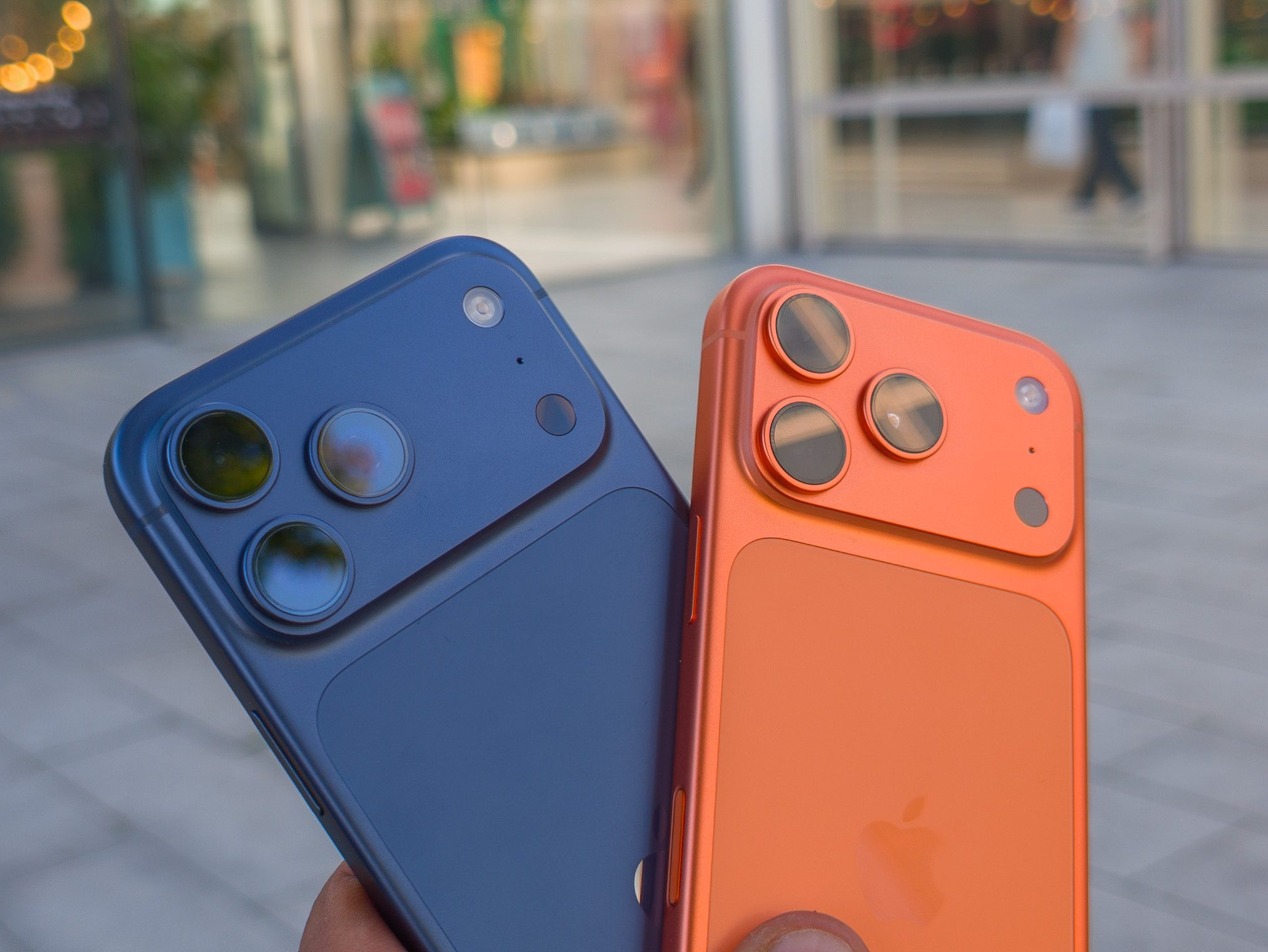
The iPhone 17 Pro Max is the best iPhone you can buy in 2026. It is large, expensive, and probably more phone than most people need, but Apple has made enough meaningful improvements to justify its place at the top of the lineup.
The 6.9-inch ProMotion display is excellent, and the higher brightness and improved anti-reflective coating make a noticeable difference outdoors. Apple’s switch to an aluminum unibody also helps the new vapor-chamber cooling system spread heat more evenly, which matters during long gaming sessions, 4K video editing, or other demanding workloads.
The cameras are another major reason to choose it. All three rear lenses now use 48MP sensors, while the new 4x telephoto camera gives you more flexibility for portraits and distant subjects. The 8x sensor crop holds up surprisingly well, too. Apple has also upgraded the front camera to an 18MP Center Stage sensor, which can widen the frame for group selfies and keep you centered during video calls.
Battery life is among the best we have seen from an iPhone, comfortably stretching beyond a full day for most users. The A19 Pro remains exceptionally fast, and the phone rarely feels strained, even when pushed hard.
It is not perfect. The size will be uncomfortable for some people, advanced Apple Intelligence features are yet to arrive, and faster charging requires a separate adapter. Even so, no other iPhone matches the 17 Pro Max across cameras, performance, display quality, and battery life.
iPhone 17


The Best iPhone for Most People
| Pros | Cons |
| Superfast dynamic 40W charging. | No telephoto lens. |
| Fast 25W magnetic wireless charging. | A19 chipset isn’t as capable as the A19 Pro. |
| Outstanding 120Hz display. | |
| Strong main and ultrawide cameras. | |
| Square selfie camera is great for pictures. | |
| All-day battery life and then some. | |
| Solid performance from the A19. |
| Specification | Details |
| Display | 6.3-inch Super Retina XDR OLED, 2622×1206 (460 ppi), 120Hz |
| Camera | 48MP Dual Fusion Main, 48MP Ultra Wide |
| Battery | Built-in lithium-ion; up to 30 hours of video playback |
| Processor | A19 chip |
| Memory | 8GB RAM |
| Storage | 256GB, 512GB |
| Dimension | 149.6 mm x 71.5 mm x 7.95 mm |
| Weight | 177 grams |
Price: $799
Why you should buy this: It gives you a 120Hz ProMotion display, excellent cameras, strong battery life, faster charging, and 256GB of storage for $799.
Who it’s for: Anyone who wants a new iPhone and does not see themselves needing the extra zoom or performance of the Pro models.
Why we picked the iPhone 17:
The iPhone 17 is the easiest iPhone to recommend in 2026. Apple has finally brought the standard model much closer to the Pro series, and it has done so without raising the $799 starting price.
The biggest upgrade is the display. The iPhone 17 now gets the same 120Hz ProMotion panel as the iPhone 17 Pro, which fixes one of the most frustrating things about the iPhone 16. Scrolling feels smoother, animations look cleaner, and the screen gets bright enough to remain easy to see outdoors.
The A19 chip is not quite as powerful as the A19 Pro, but most people are unlikely to notice the difference outside demanding games or heavier creative work. Everyday performance is fast, and Apple has also doubled the base storage to 256GB, which should be enough for most buyers.
The cameras are very good too. The 48MP main and ultrawide cameras are the same ones used on the Pro models, while the new 18MP Center Stage front camera makes selfies and group shots much easier to frame. The missing telephoto lens is the obvious limitation, so anyone who regularly zooms beyond 2x should look at the iPhone 17 Pro instead.
Battery life comfortably lasts through a full day, and the addition of 40W wired charging and 25W MagSafe charging makes topping it up far less of a chore. The lighter 177-gram body also feels better balanced than the Pro model. The iPhone 17 does not have every feature Apple offers, but it gets close enough that most people will not feel they are settling.
Pixel 10 Pro XL


The Best Big Android Phone
| Pros | Cons |
| Excellent fast 45W charging. | Tensor G5 isn’t the fastest. |
| 25W Qi2.2 wireless charging. | The phone does occasionally freeze. |
| Large Super Actua display. | AI features don’t always work. |
| Outstanding 100x zoom. | |
| Fantastic all-around camera. | |
| A battery life champion. |
| Specification | Details |
| Display | 6.8-inch Super Actua, 1344 x 2992, 120Hz |
| Camera | 50MP Wide, 48MP Ultrawide, 48MP Telephoto (5x optical) |
| Battery | 5200 mAh, 45W charging, 25W wireless |
| Processor | Google Tensor G5 + Titan M2 |
| Memory | 16 GB RAM |
| Storage | 256 GB, 512 GB, 1 TB |
| Dimension | 6.4 in x 3 in x 0.3 in |
| Weight | 8.2 oz |
Price: $1,999
Why you should buy this: It gives you a huge display, excellent cameras, strong battery life, and much faster charging than previous big-screen Pixels.
Who it’s for: Anyone who wants the best large-screen Pixel and values camera quality, battery endurance, and Google’s version of Android over outright gaming performance.
Why we picked the Google Pixel 10 Pro XL:
The Pixel 10 Pro XL is the big-screen Pixel Google has been working toward for years. It keeps the excellent cameras and clean software people expect from the series, while finally delivering the battery life and charging speeds a phone this size should have.
The 5,200mAh battery comfortably gets through a full day, usually with some charge left by bedtime. The jump to 45W wired charging also makes a real difference, taking the phone to around 70% in just over half an hour. Native 25W Qi2.2 charging is another useful addition, since magnetic chargers, stands, wallets, and other accessories work without requiring a special case.
Its 6.8-inch Super Actua display is bright, sharp, and well suited to watching videos, editing photos, or running apps side by side. It is a heavy phone, though, and anyone who values one-handed use will be happier with the smaller Pixel 10 Pro.
The cameras will be your main reason to buy it. Photos from the main, ultrawide, and telephoto lenses are consistently good, while the 100x zoom can recover a surprising amount of detail from faraway subjects. Google relies heavily on AI processing beyond 10x, so some images can look more constructed than natural.
The Tensor G5 is not the fastest flagship processor, and the occasional freeze stops the experience from feeling completely polished. Some of Google’s AI features can also be hit or miss. Even so, the Pixel 10 Pro XL gets the essentials right and stands out as the best big Android phone for buyers who put cameras, battery life, and software first.
Samsung Galaxy Z Fold 7

The Best Foldable Phone
| Pros | Cons |
| Stunning ultra-thin design. | Battery is not as reliable as the competition. |
| Crease is almost imperceptible. | Cameras are not as good as rivals’. |
| Great main and cover displays. | Charging speed is underwhelming. |
| 200MP main camera is good. | Snapdragon processor throttles. |
| Excellent software and multitasking. | No S Pen support on either display. |
| 7 years of updates support. | Expensive. |
| Lighter than the Galaxy S25 Ultra. | |
| No future cost for preloaded AI features. |
| Specification | Details |
| Display | Main: 8.0″ Dynamic AMOLED 2X (2184 x 1968); Cover: 6.5″ Dynamic AMOLED 2X (2520 x 1080) |
| Camera | Rear: 200MP Wide, 12MP Ultrawide, 10MP Telephoto (3X); Front/Cover: 10MP |
| Battery | 4,400 mAh, 25W Wired Charging |
| Processor | Snapdragon® 8 Elite for Galaxy |
| Memory | 12GB / 16GB RAM |
| Storage | 256GB / 512GB / 1TB |
| Dimension | Folded: 72.8 x 158.4 x 8.9mm; Unfolded: 143.2 x 158.4 x 4.2mm |
| Weight | 215g |
Price: $1,999
Why you should buy this: It gives you a huge folding display, excellent multitasking, a much slimmer design, and the most polished foldable experience available right now.
Who it’s for: Anyone buying their first book-style foldable who wants a device that feels familiar when closed and far more capable when opened.
Why we picked the Samsung Galaxy Z Fold 7:
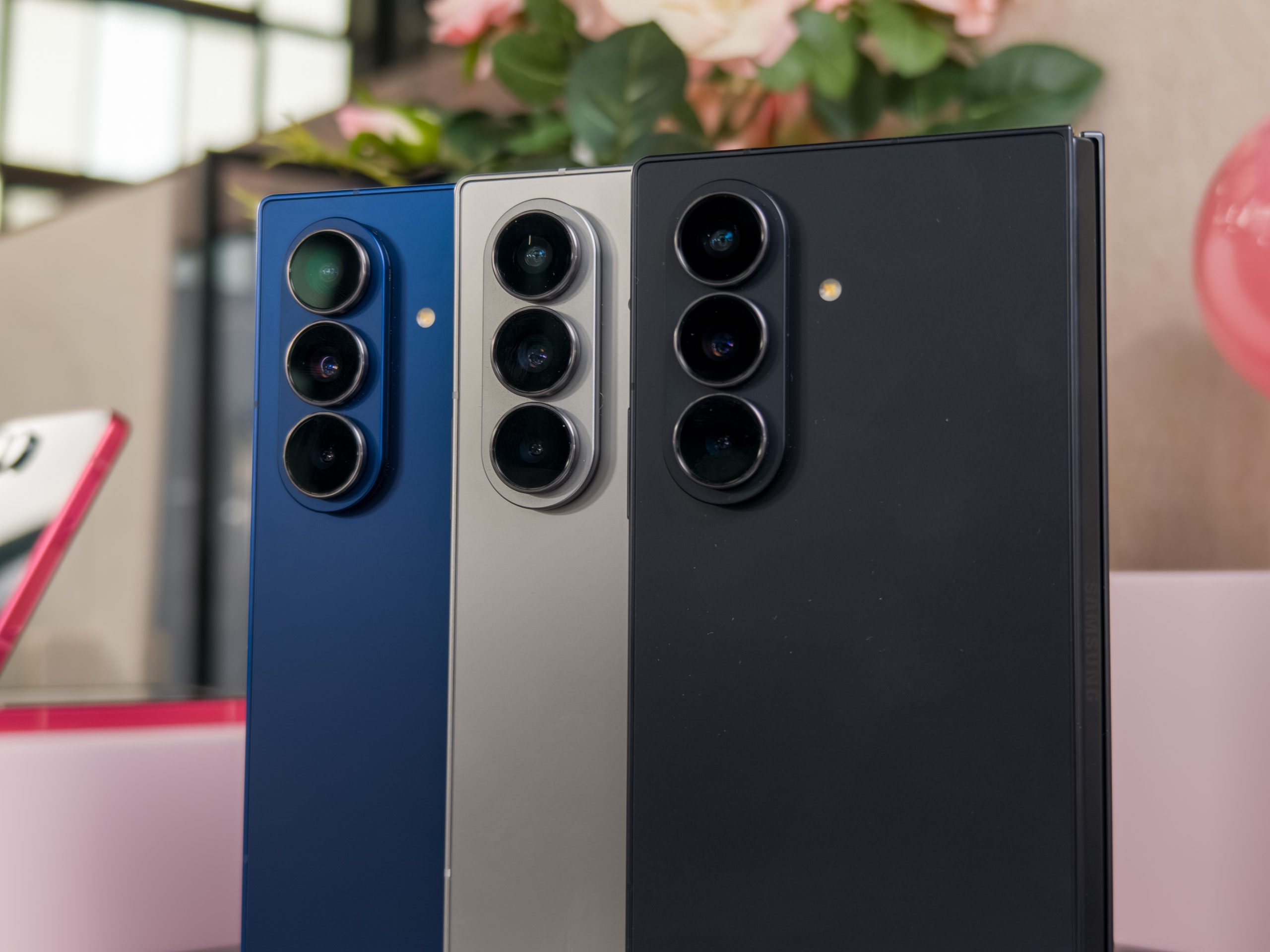
The Galaxy Z Fold 7 is the first Samsung foldable that feels genuinely easy to recommend to almost anyone. Previous models always came with an obvious trade-off in thickness, weight, or cover-screen usability. Samsung has addressed all three this time.
At just 8.9mm thick when folded, the Fold 7 no longer feels like two phones stacked together. It weighs about the same as the Galaxy S26 Ultra, is comfortable to hold, and the wider 6.5-inch cover screen finally works like a normal phone display. Open it up, and you get an 8-inch inner screen that is excellent for watching videos, editing photos, reading, or running multiple apps at once. The crease is still there, but it is much harder to see and barely noticeable under your finger.
Samsung’s software is a major reason why we recommend it over other foldables. Multi-window support is polished, apps make good use of the larger screen, and seven years of updates give the phone far more long-term value than many rivals.
Battery life is far less impressive. The 4,400mAh cell feels undersized for a phone built around two large displays, and the sluggish 25W charging only makes matters worse. On a $2,000 foldable, Samsung should be doing much better in both areas. Losing S Pen support adds another frustrating compromise.
Those compromises are hard to ignore, but they do not outweigh what the Galaxy Z Fold 7 gets right. It is slim, comfortable, widely available, and backed by mature software and long-term support. For most buyers considering a foldable for the first time, this is the easiest model to recommend.
Best mid-range phones ($500-800)
Google Pixel 10


The Best Mid-Range Android Phone
| Pros | Cons |
| Superb photography abilities. | eSIM-only is frustrating. |
| Genuinely useful AI tools. | The camera bar is sizable. |
| Camera Coach is surprisingly good. | Magic Cue needs more time. |
| PixelSnap is exciting for Android. |
| Specification | Details |
| Display | 6.3-inch Actua OLED, 1080 x 2424, up to 120Hz |
| Camera | 48MP Wide, 13MP Ultrawide, 10.8MP Telephoto (5x optical); 10.5MP Front |
| Battery | 4,970 mAh, 30W wired, 15W wireless charging |
| Processor | Google Tensor G5 |
| Memory | 12GB RAM |
| Storage | 128GB / 256GB |
| Dimension | 152.8 x 72 x 8.6 mm |
| Weight | 204 g |
Price: $799
Why you should buy this: It delivers a bright 120Hz display, excellent cameras, a dedicated 5x telephoto lens, all-day battery life, and clean Android software.
Who it’s for: Anyone shopping at the upper end of the mid-range segment who values camera quality, Google software, and long-term support over class-leading performance.
Why we picked the Google Pixel 10:
At $799, the Google Pixel 10 sits right at the upper limit of our mid-range category, but it offers enough flagship-level hardware to justify the price. Its bright 6.3-inch OLED display supports a smooth 120Hz refresh rate, while the premium build feels every bit as polished as more expensive alternatives.
Photography is one of its strongest advantages. Google has added a dedicated telephoto camera for the first time on a standard Pixel, bringing 5x optical zoom and far greater flexibility than the Pixel 9 offered. The main and ultrawide cameras continue to produce strong results with minimal effort, while Camera Coach can provide useful guidance on framing and composition.
The Tensor G5 processor and 12GB of RAM provide enough power for everyday use, multitasking, and gaming, although rival chips offer stronger peak performance. Google’s AI tools also remain inconsistent. Magic Cue can surface useful information from supported apps, but it does not always return accurate or relevant suggestions.
Battery life is dependable enough to last a full day, and Qi2 magnetic charging gives the Pixel 10 access to a wide range of compatible chargers, stands, wallets, and other accessories. Google also promises seven years of software and security updates.
The Pixel 10 is not a major upgrade for Pixel 9 owners, but anyone moving from a Pixel 8 or another older phone will get a brighter display, better cameras, improved performance, and a more complete Android experience. Few phones below $800 offer such a well-rounded package.
Samsung Galaxy S25 FE


Most value-for-money mid-range phone
| Pros | Cons |
| Sleek and thin premium design. | Poor thermal management under load. |
| Vibrant Dynamic AMOLED 2X display. | Limited to eight gigabytes of RAM. |
| Strong flagship-level processor performance. | Average ultra-wide camera low-light detail. |
| Industry-leading seven-year software support. | Subpar dynamic range on secondary lenses. |
| Fast forty-five-watt wired charging. | The slippery back panel requires a case. |
| Highly detailed primary camera shots. | Middling battery life for heavy users. |
| Specification | Details |
| Display | 6.7-inch Dynamic LTPO AMOLED 2X, FHD+, 120Hz |
| Camera | Rear: 50MP Wide, 12MP Ultra-Wide, 8MP Telephoto; Front: 12MP |
| Battery | 4900 mAh, 45W wired charging, 15W wireless charging |
| Processor | Samsung Exynos 2400 |
| Memory | 8GB RAM |
| Storage | 128GB, 256GB, 512GB |
| Dimension | 161.3 x 76.6 x 7.4 mm |
| Weight | 190 g |
Price: $649.99
Why you should buy this: It delivers a premium design, flagship-level performance, a superb AMOLED display, and seven years of updates for just $650.
Who it’s for: Anyone who wants a large Samsung phone with premium hardware and long-term support without paying Galaxy S-series flagship prices.
Why we picked the Samsung Galaxy S25 FE:
The Galaxy S25 FE may sit behind the Pixel 10 in our rankings, but its $650 price makes it one of the strongest deals in the upper mid-range market. Samsung has cut the price without stripping away the features that make its flagship phones appealing.
Its slim 7.4mm body, Armor Aluminum frame, and Gorilla Glass Victus+ protection give it a decidedly premium feel. The 6.7-inch Dynamic AMOLED 2X display is another major strength, and it gets bright enough to remain easy to see outdoors.
The 50MP main camera produces detailed and attractive photos, but the supporting cameras prevent the S25 FE from taking the top spot. The ultrawide and telephoto lenses struggle more indoors, particularly with shadow detail, dynamic range, and edge sharpness. Heavy workloads also expose the phone’s biggest weakness. It can become noticeably warm during extended gaming and camera use, leading to reduced performance. Battery life is merely average for demanding users, but 45W charging helps make up for it.
The Pixel 10 remains the more polished all-rounder, particularly for camera consistency and software. However, the Galaxy S25 FE costs significantly less while offering a larger display, premium construction, strong performance, and equally impressive software support. At $650, those compromises become much easier to forgive.
Motorola Moto Edge 2026


The Best compact mid-range smartphone
| Pros | Cons |
| Thin, light, and compact design. | Reduced base storage to 128 GB. |
| Bright, high-quality OLED screen. | Short two-year OS update window. |
| Excellent battery life. | Average mid-range processing performance. |
| Fast 60W wired charging speed. | Photos appear slightly over-sharpened. |
| Premium IP69 and MIL-STD-810H durability. | Higher price than its predecessor. |
| Versatile camera with a telephoto lens. | Available in only a single color option. |
| Specification | Details |
| Display | 6.3″ Extreme AMOLED, 2640 x 1216, up to 120Hz |
| Camera | Rear: 50MP Main (OIS), 50MP Ultrawide, 10MP Telephoto (3x); Front: 50MP |
| Battery | 5000mAh, 60W TurboPower™ Wired, 15W Wireless Charging |
| Processor | MediaTek Dimensity 7450 (Octa-core) |
| Memory | 8GB LPDDR5X |
| Storage | 128GB |
| Dimension | 152.3 x 71.98 x 7.22 mm |
| Weight | 160.5g |
Price: $599.99
Why you should buy this: It delivers a compact design, excellent battery life, fast charging, serious durability, and a versatile camera setup for $600.
Who it’s for: Anyone tired of oversized Android phones who wants something easier to use one-handed without sacrificing battery life.
Why we picked the Motorola Edge 2026:
Most mid-range Android phones have become large, heavy slabs, so the Motorola Edge 2026 feels like a welcome change. Its 6.3-inch OLED display is still big enough for videos, games, and everyday browsing, but the 160-gram body is much easier to handle than most phones in this price range. It fits comfortably in one hand and does not feel like a brick in your pocket.
Motorola has also managed to fit a 5,000mAh battery inside the slim frame. It can easily last a full day and may stretch into a second depending on how heavily you use it. The 60W wired charging is another plus, especially when you only have a few minutes to plug in.
Surprisingly, Motorola has decided to make this device into a tank, as it carries IP68 and IP69 ratings, MIL-STD-810H certification, and Gorilla Glass 7i protection. You also get a dedicated telephoto camera, which is still far from guaranteed at this price. Photos can look a little over-sharpened, but the camera setup is more versatile than most compact rivals.
The Dimensity 7450 is perfectly fine for everyday use, although demanding games will push it harder than flagship-level chips. All that said, the phone does deserve some criticism for its limited 128GB storage and the promise of only two Android upgrades, which feels a bit stingy for the asking price.
It is not the most powerful mid-range phone, nor is it the cheapest. But if size, comfort, battery life, and durability matter more to you than benchmark scores, the Motorola Edge 2026 is one of the easiest phones in its class to recommend.
iPhone 16

The Best Affordable iPhone
| Pros | Cons |
| Fun, refreshing new design. | 60Hz display, no always-on display. |
| Stunning color options. | Slow charging speeds. |
| Camera Control is so, so good. | Apple Intelligence not yet available. |
| The Action button rules. | |
| Excellent camera system. | |
| Reliable battery life |
| Specification | Details |
| Display | 6.1-inch Super Retina XDR OLED (2556 x 1179) |
| Camera | 48MP Fusion (Main) + 12MP Ultra Wide |
| Battery | Up to 22 hours of video playback |
| Processor | Apple A18 chip |
| Memory | 8GB RAM |
| Storage | 128GB, 256GB, 512GB |
| Dimension | 147.6 x 71.6 x 7.80 mm |
| Weight | 170 grams |
Price: $699
Why you should buy this: It still delivers fast performance, dependable cameras, strong video recording, and long software support, provided you can find it for around $700.
Who it’s for: Anyone upgrading from an older iPhone who wants a compact, reliable model without stretching to the price of the iPhone 17.
Why we picked the iPhone 16:
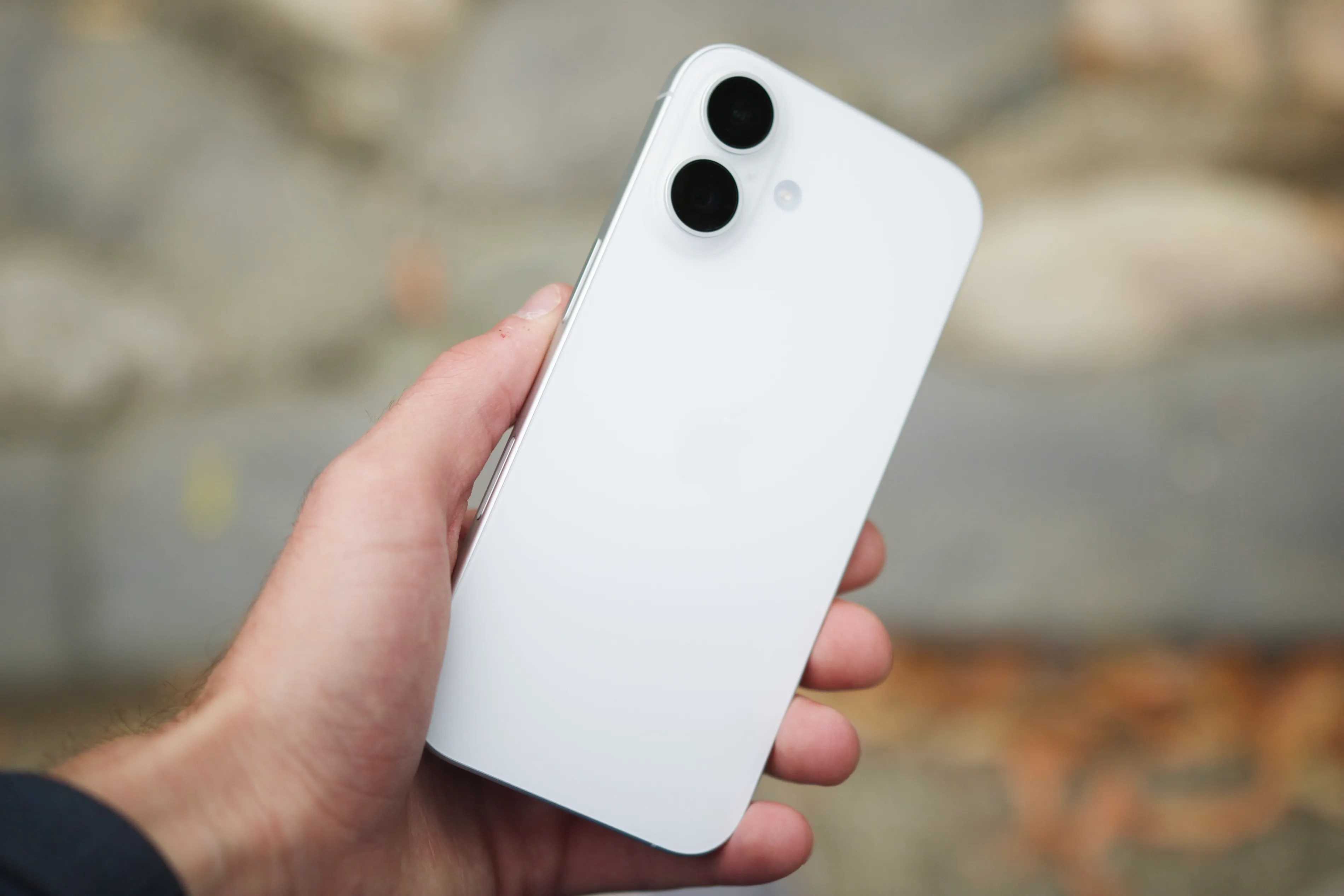
The iPhone 16 may no longer be the newest model in Apple’s lineup, but it has not suddenly become a bad phone. The A18 chip still has plenty of power, everyday performance remains smooth, and there is enough headroom here to keep the phone feeling quick for years.
The cameras hold up well too. You get dependable photos from the main and ultrawide lenses, while video remains one of the iPhone 16’s strongest areas. Stabilization is excellent, exposure stays consistent, and 4K60 HDR recording makes it a good fit for anyone who shoots a lot of clips for social media or work. Battery life is solid enough to get most people through a full day, while the Action button and Camera Control give the phone a few useful extras that older base iPhones do not have.
The 60Hz display is the part that now feels dated. Scrolling is noticeably less fluid than on the iPhone 17, and the lack of a telephoto camera limits what you can do with zoom.
Everything comes down to price. At around $700, the iPhone 16 still makes sense for someone moving up from an older model, and discounts regularly push it even lower. However, spending another $100 gets you twice the storage and all the improvements that come with the newer iPhone 17. Go with the iPhone 16 only if your budget has a firm ceiling.
Best budget phones ($500 and below)
Google Pixel 10a
Best no-fuss budget phone
| Pros | Cons |
| Comfortable flat-back flush design. | Recycles older Tensor G4 processor. |
| Smooth 120Hz bright Actua display. | Slow wired and wireless charging. |
| Long-lasting battery. | No dedicated telephoto lens. |
| Guaranteed seven years of OS updates. | Thick bezels remain unchanged. |
| Dependable camera performance. | Slippery matte exterior plastic finish. |
| Specification | Details |
| Display | 6.3-inch Actua (pOLED), 1080 x 2424, 120Hz |
| Camera | Rear: 48MP Wide, 13MP Ultrawide; Front: 13MP |
| Battery | 5,100 mAh, 30W wired, 10W wireless charging |
| Processor | Google Tensor G4 |
| Memory | 8 GB LPDDR5X |
| Storage | 128 GB / 256 GB |
| Dimension | 153.9 x 73 x 9 mm |
| Weight | 183 g |
Price: $499
Why you should buy this: It gives you a smooth 120Hz display, dependable cameras, excellent battery life, and seven years of updates for $499.
Who it’s for: Anyone who wants a clean, reliable Android phone on a budget and does not need flagship-level performance or a telephoto camera.
Why we picked the Google Pixel 10a:
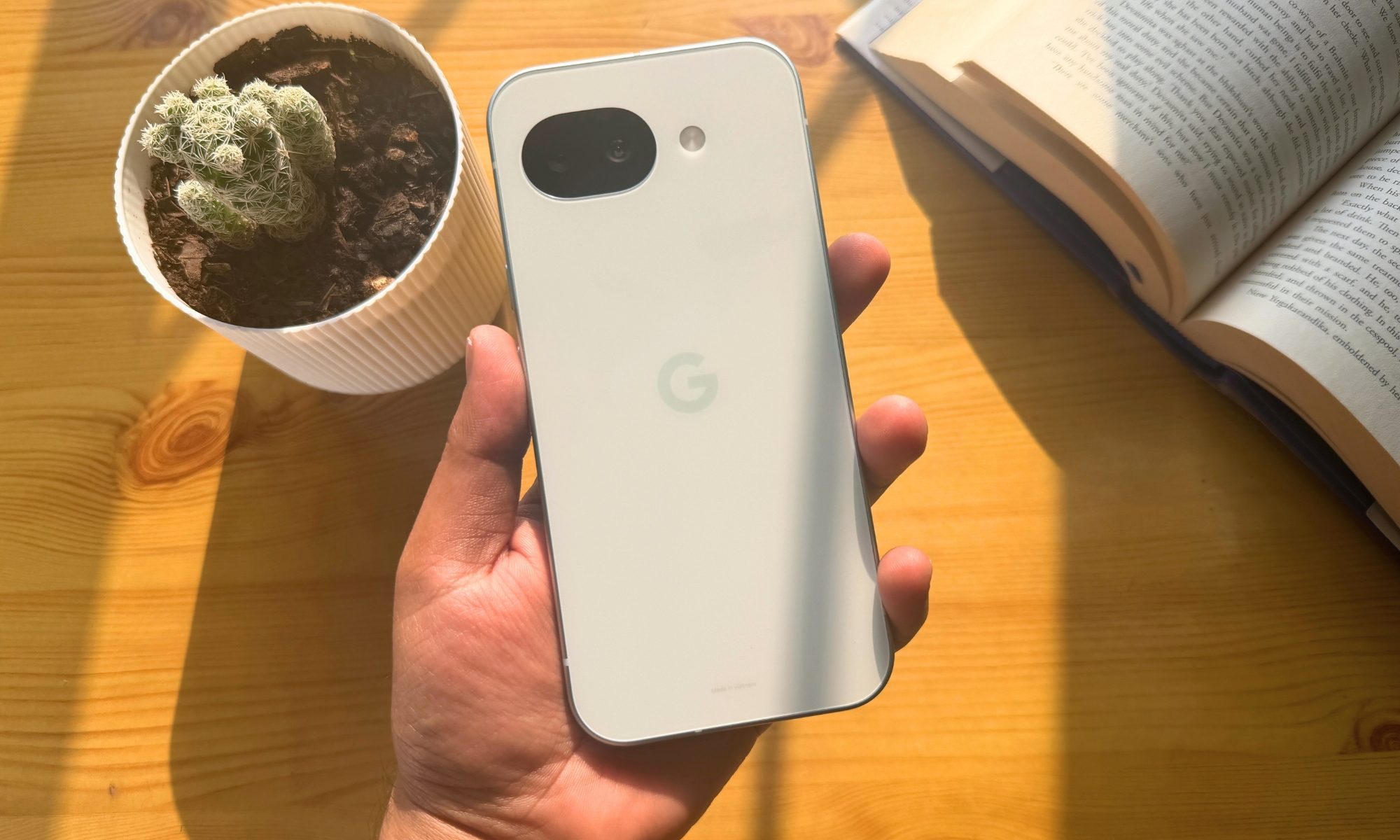
The Pixel 10a sticks closely to the formula that has made Google’s A-series phones such an easy recommendation. It covers the essentials well, costs $499, and gives you most of the Pixel experience without making you pay flagship money.
Its 6.3-inch display and 183-gram body will appeal to anyone who finds most modern Android phones too large. It is comfortable to use with one hand and easy to carry around, although people who watch a lot of video may still prefer something bigger. The completely flat back is also a nice touch, since the phone does not wobble when you use it on a table. The matte plastic finish is less convincing. It feels slippery enough that you may want to add a case, but doing so adds bulk and takes away some of the appeal of having a smaller phone in the first place.
The camera experience is exactly what you would expect from a Pixel. In our limited testing, the 48MP main camera produced reasonably sharp photos with natural colors, good detail, and plenty of visible texture. Skin tones looked convincing too. The 13MP ultrawide is not quite as consistent and tends to push the ISO higher, which can lead to a slight difference in color between the two cameras.
The 120Hz OLED screen feels smooth, and the 5,100mAh battery should comfortably last through a full day. The older Tensor G4 processor and 8GB of RAM are fine for everyday use, but demanding games will expose their limits. Charging is slow as well. Even so, the Pixel 10a gets enough right to remain one of the strongest budget Android phones available.
Nothing Phone 4a Pro

The most ambitious budget phone
| Pros | Cons |
| Distinctive design language. | Noticeably weak secondary ultrawide camera. |
| Aluminum unibody chassis. | Below-average dust and water protection rating. |
| Smooth monochrome dot matrix software. | Weak three-year software update policy. |
| Large high-resolution AMOLED display. | Subpar low-light video performance. |
| Powerful dedicated periscope telephoto lens. | Lacks 4K 60fps video recording. |
| Impressive battery life. |
| Specification | Details |
| Display | 6.83″ 1.5K AMOLED, 144Hz, 5000 nits peak brightness |
| Camera | Rear: 50MP Main (OIS), 50MP Telephoto (3.5x optical), 8MP Ultrawide; Front: 32MP |
| Battery | 5,400 mAh, 50W wired charging |
| Processor | Qualcomm Snapdragon 7 Gen 4 |
| Memory | 8GB / 12GB LPDDR5X RAM |
| Storage | 128GB / 256GB UFS 3.1 |
| Dimensions | 163.6 x 76.6 x 7.9 mm |
| Weight | 210g |
Price: $499
Why you should buy this: It gives you a premium metal design, a smooth 144Hz display, clean software, and a proper zoom camera for $499.
Who it’s for: Anyone who wants something more distinctive than the Pixel 10a and is willing to trade longer software support for better hardware and more personality.
Why we picked the Nothing Phone (4a) Pro:
At $499, the Nothing Phone (4a) Pro costs exactly the same as the Pixel 10a, but the two phones take very different approaches. Nothing has spent more of the budget on design, display quality, and camera hardware, and you notice it as soon as you pick the phone up.
Its aluminum unibody feels solid and more expensive than its price suggests, while the dot-matrix Glyph lights on the rear panel are arguably the best implementation of Nothing’s signature gimmick yet. Nothing OS runs smoothly, avoids unnecessary clutter, and maintains a consistent monochrome look across the interface and widgets, although you can disable it if that is not your cup of tea.
The large 6.83-inch AMOLED display is another strong point. Its 144Hz refresh rate keeps scrolling and animations looking fluid, and the Snapdragon 7 Gen 4 has enough power for everyday apps, multitasking, and casual gaming.
Its camera setup is unusually ambitious for the price. The 50MP main camera performs well in daylight, while the 3.5x periscope lens gives you real optical zoom instead of a cropped image from the main sensor. The 8MP ultrawide is much weaker, though, and video quality falls apart more quickly once the light drops. The lack of 4K recording at 60fps also feels strange on a phone carrying the Pro name.
Battery life is dependable, and standby drain is especially low. Three years of Android updates is the bigger concern, especially when the Pixel 10a promises seven years at the same price. Still, the Nothing Phone 4a Pro is the more interesting choice for buyers who care about design, display quality, and zoom.
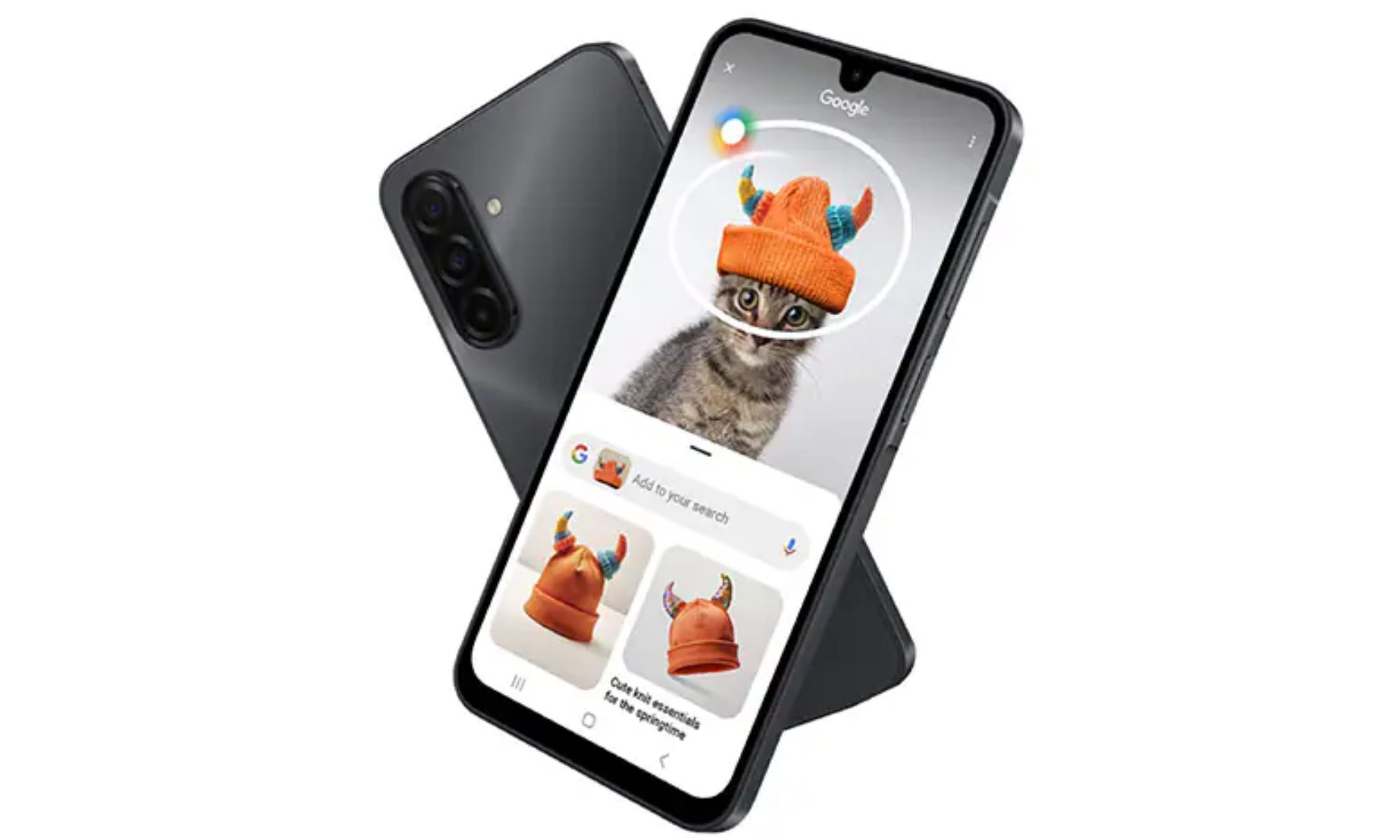
Samsung Galaxy A17 5G
The Best Cheap Budget Phone
| Pros | Cons |
| Bright, vibrant Super AMOLED screen. | Noticeable lag and sluggish performance. |
| Unmatched six-year software update promise. | Frustratingly slow 25W wired charging. |
| Good daylight main camera photos. | Outdated display notch design. |
| Clean, sleek, premium-feeling design. | Disappointingly low-light camera quality. |
| Includes expandable microSD card slot. | Mediocre battery life for heavy use. |
| IP54 dust and splash resistance. | A single mono speaker lacks depth. |
| Specification | Details |
| Display | 16.91 cm (6.66″) Super AMOLED, FHD+, 90 Hz |
| Camera | Rear: 50MP + 5MP + 2MP (OIS); Front: 13MP |
| Battery | 5000 mAh |
| Processor | Octa-Core (2.4GHz, 2GHz) |
| Memory | 6GB RAM |
| Storage | 128GB (Expandable up to 2TB) |
| Dimension | 164.4 x 77.9 x 7.5 mm |
| Weight | 192g |
Price: 199.99
Why you should buy this: It gives you a good AMOLED screen, expandable storage, decent daylight photos, and six years of updates for less than $200.
Who it’s for: Anyone who needs an affordable phone for calls, messaging, streaming, and other basic day-to-day use.
Why we picked the Samsung Galaxy A17 5G:
The Galaxy A17 5G is not a fast phone, but Samsung has spent its limited budget in a few sensible places. The 6.7-inch Super AMOLED display is easily its best feature. It is bright, colorful, and much nicer for watching videos or browsing than the LCD panels still found on many phones around this price. The 90Hz refresh rate helps too, even if the processor cannot always keep everything running smoothly.
The design is clean and does not immediately give away how little the phone costs. Gorilla Glass Victus protection and an IP54 rating add some welcome reassurance, and you also get a microSD card slot to expand the storage later. Samsung’s six-year update promise is unusually generous for a phone below $200. It gives the Galaxy A17 5G a clear advantage over cheaper rivals that may stop receiving meaningful updates after only a couple of years.
The Exynos 1330 is where the experience starts to get a bit rocky. Apps can take a moment to open, switching between tasks is not always smooth, and even launching the camera can feel slower than it should. The 50MP main camera takes perfectly respectable photos during the day, but low-light results are soft, and the slow shutter makes moving subjects difficult to capture. In all honesty, though, that is hardly unusual at this price.
Battery life should get most people through a normal day, though heavier use can drain it faster than expected. Charging is slow as well, taking roughly 90 minutes for a full charge. The Galaxy A17 5G works best as a straightforward starter phone for buyers who want the best display they can get on a dependable device at this price range.
Motorola Moto G 2026
The Best Basic Android Phone
| Pros | Cons |
| Incredibly long-lasting battery life. | Outdated, low-resolution 720p LCD screen. |
| Highly affordable budget-friendly price. | Sluggish performance with demanding apps. |
| Stylish textured vegan leather back. | Poor long-term software update support. |
| Solid main camera daylight photos. | Useless secondary 2MP macro sensor. |
| Includes an expandable storage slot. | Screen struggles in direct sunlight. |
| Specification | Details |
| Display | 6.7″ LCD, 120Hz, HD+ (1604 x 720) |
| Camera | Rear: 50MP + 2MP Macro; Front: 32MP |
| Battery | 5,200 mAh, 30W charging |
| Processor | MediaTek Dimensity 6300 |
| Memory | 4GB RAM (expandable up to 12GB) |
| Storage | 128GB (expandable up to 1TB microSD) |
| Dimension | 167.15 x 76.40 x 8.44 mm |
| Weight | 202g |
Price: $199.99
Why you should buy this: It delivers exceptional battery life, a decent main camera, expandable storage, and a surprisingly nice design for $199.
Who it’s for: Anyone who needs an inexpensive Android phone for calls, messaging, browsing, and other basic everyday tasks.
Why we picked the Motorola Moto G (2026):
The Moto G (2026) keeps things simple. It costs $199, covers the basics, and lasts long enough that battery anxiety should rarely be a concern. The 5,200mAh battery is easily the best thing about it. Lighter users may be able to stretch it across two days, and it performed extremely well in web-browsing battery tests. For anyone who regularly forgets to charge their phone, that alone gives the Moto G a strong reason to exist.
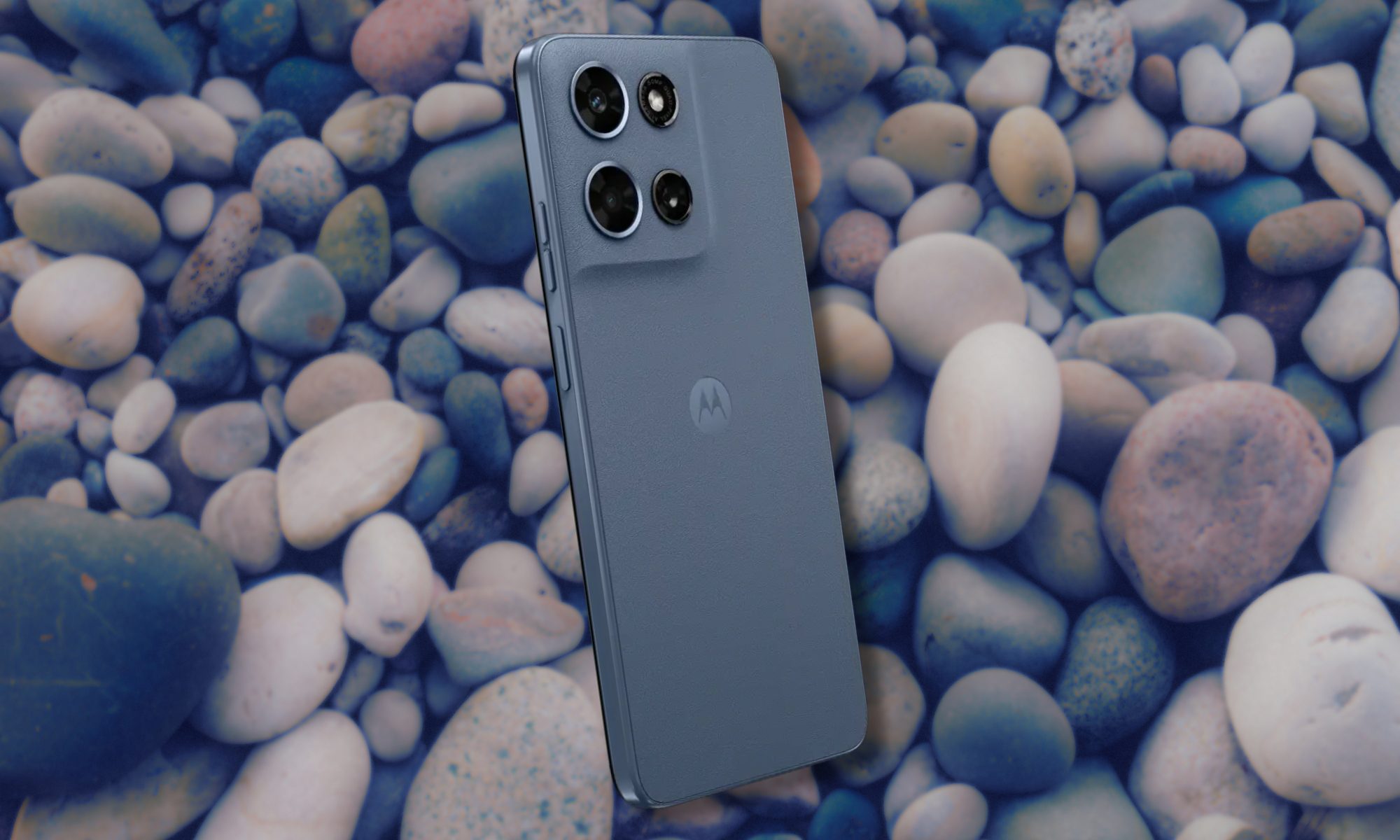
It also looks better than many phones at this price. The textured vegan leather back feels nicer than glossy plastic, does a better job of hiding fingerprints, and gives the phone a bit more personality. The 50MP main camera can take perfectly decent photos in good lighting, while the microSD slot gives you an inexpensive way to add more storage later.
The compromises are hard to miss, though. The 6.7-inch LCD is limited to 720p, so text and images do not look especially sharp, and the screen can be difficult to see outdoors. The Dimensity 6300 and 4GB of RAM are enough for basic apps, but switching between heavier apps or trying to play demanding games can make the phone feel slow. The 2MP macro camera is barely worth using, and Motorola’s short update promise does little for its long-term appeal.
The Moto G (2026) works best as a cheap, straightforward phone for someone who cares far more about battery life and price than performance or display quality.
How we made our picks
Choosing the best smartphone is never entirely objective. Design, size, software, cameras, and even the way a phone feels in your hand can matter differently from one person to the next. Some buyers want the longest possible battery life, while others would happily trade a little endurance for a smaller body, a better camera, or an operating system they already know.
Our recommendations take all those factors into account. We look at how each phone performs over extended use, how dependable its cameras and battery are, how comfortable it is to carry, and whether its software and update policy make sense for the price. We also compare every device against the alternatives around it, since a good phone can still be difficult to recommend when another model gives you more for the same money.
Price has become an even bigger part of that decision in 2026. Rising DRAM and NAND costs are putting pressure on smartphone manufacturers, and further price increases are expected as the memory shortage continues. Waiting for the next generation would normally seem sensible, but it may not lead to a better deal this year. Anyone already considering an upgrade may find that buying the right phone now is cheaper than waiting for the next round of devices and price hikes.