
The next three months will define the future of the smartphone market across the globe. As three of the most important handset makers gear up to unveil the next generation of foldables and flagships, the memory crisis is worsening with each passing quarter, pushing up phone prices across every segment.
We have Samsung going live on July 22, 2026, with its latest foldables, followed by Apple’s new CEO, John Ternus, revealing the iPhone 18 Pro and the first foldable iPhone in September (like they do every year). However, the middle month — August — is when Google finally hosts its “Made by Google” launch event, a hardware-focused event that will unveil the Pixel 11 series.
For those catching up, Google has already held two software-centric events earlier in the year: The Android Show and Google I/O 2026. In August, Sundar Pichai should take the stage with a couple of new smartphones, a foldable, a smartwatch, and possibly a pair of wireless earbuds. So, without any further ado, let’s talk about everything the company is expected to announce at the Made By Google event in August 2026.
When will Google release Pixel 11?
The Pixel 11 series, along with other devices, is expected to debut at the Made by Google launch event on August 12, 2026. The in-person event will take place in New York at 6 PM ET, while you can join the livestream via the company’s official YouTube channel or keep up with the press releases on Google’s Keyword blog.
Last year, the company announced the Pixel 10 series on August 20, 2025, and commenced sales on August 28. If there’s a similar gap planned for the Pixel 11 series, the devices should hit shelves on August 20, 2026. However, you should still be able to pre-order your unit when the launch event ends.

Made by Google August 2026: At a glance
| Product | Key Spec | Expected Starting Price | Expected Availability |
| Pixel 11 | 6.3-inch OLED, Tensor G6, 50MP camera | ~$899 (256GB) | August 20 |
| Pixel 11 Pro | 6.3-inch OLED, Tensor G6, up to 16GB RAM | ~$1,099 (256GB) | August 20 |
| Pixel 11 Pro XL | 6.8-inch OLED, Tensor G6, 5,000 mAh | ~$1,299 to $1,399 (256GB) | August 20 |
| Pixel 11 Pro Fold | Dual OLED, Tensor G6, 4,658 mAh (min.) | ~$1,899 to $1,999 | October 2026 |
| Pixel Watch 5 | 41mm + 45mm, custom Tensor chip | $399 (41mm Wi-Fi) | August 20 |
| Pixel Buds Pro 3 | N.A. | N.A. | N.A. |
Vanilla Pixel 11 could get a new camera and chipset
The baseline Pixel 11 could retain its 6.3-inch 120Hz OLED screen size, but the underlying panel could get an upgrade. An ET News report from April 2026 claims that the handset, along with all the models in the lineup, could ship with Samsung’s M16 OLED panel. If that happens, it would be the first to do so, even before a Galaxy smartphone.
That upgrade could translate to a brighter, more color-accurate display. Furthermore, the M16 OLED panel is more power-efficient than the M14 OLED used on the Pixel 10 and the iPhone 17.

With that, the Pixel 11 could also get a new Tensor G6, Google’s first chip based on 2nm fabrication technology (most likely from TSMC’s foundries, though Samsung is also a possibility). Reports suggest it could be a seven-core chipset rather than eight, with a 1+4+2 cluster design, a peak frequency of 4.11 GHz, paired with up to 12GB of RAM.
You might not be able to get the Pixel 11 with 128GB of storage, as Google might axe that option in favor of 256GB as the base storage. This would also help it raise the entry-point price. Speaking of the price, the Pixel 11 could cost $899 at launch, $100 higher than the Pixel 10.
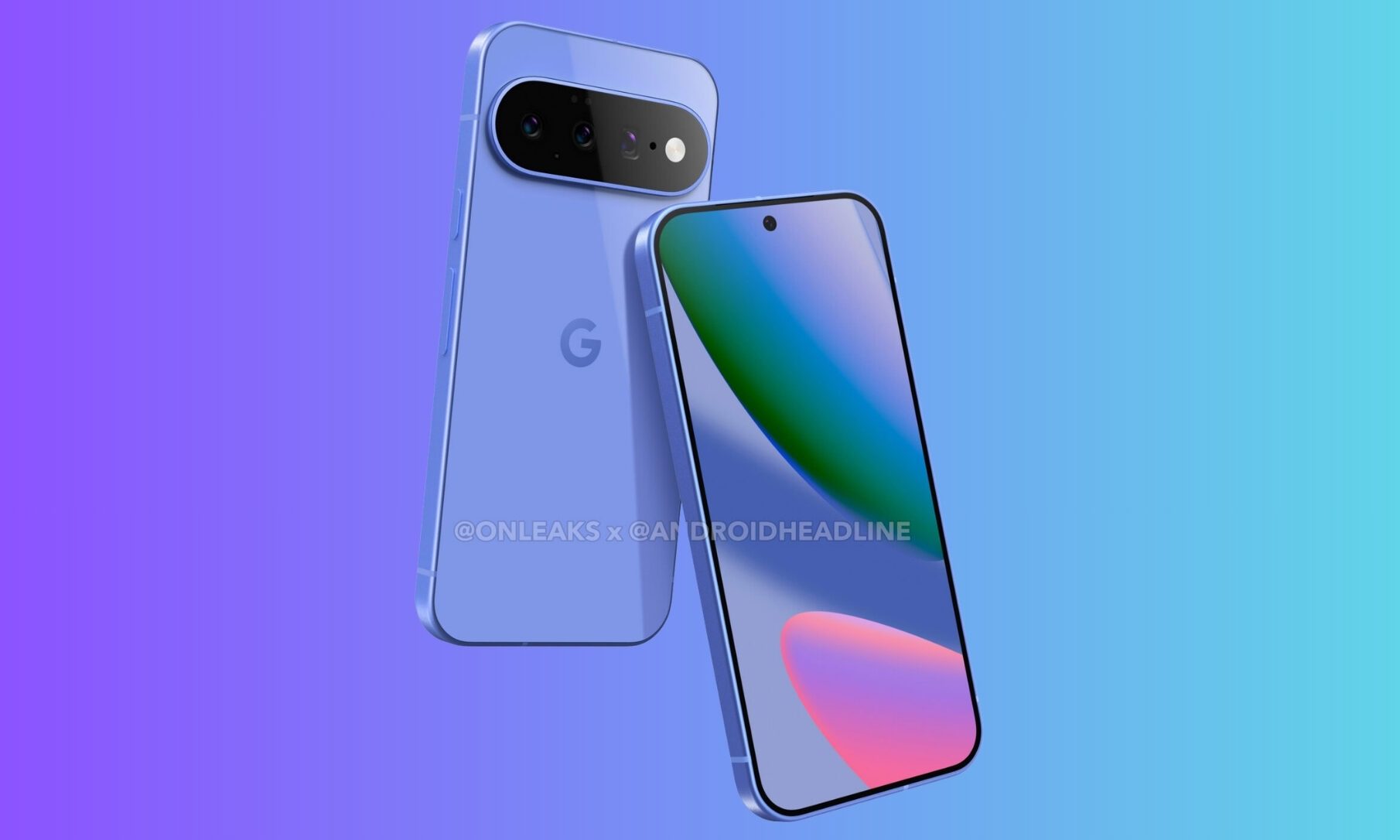
However, Google could switch to a PowerVR-based GPU, with little to no improvement in the actual performance. Even so, I expect the phone to debut with a more powerful TPU. With that, the series could finally switch from Samsung’s Exynos modem to MediaTek’s M90 modem for improved efficiency and thermal management.
Camera-wise, the Pixel 11 could move to a new 50MP main sensor codenamed “chemosh,” stepping up from the 48MP sensor on the Pixel 10. Battery is expected to be at least 4,840 mAh, which, in my opinion, could be the minimum rated capacity, while the marketed figure could be around 5,000 mAh.
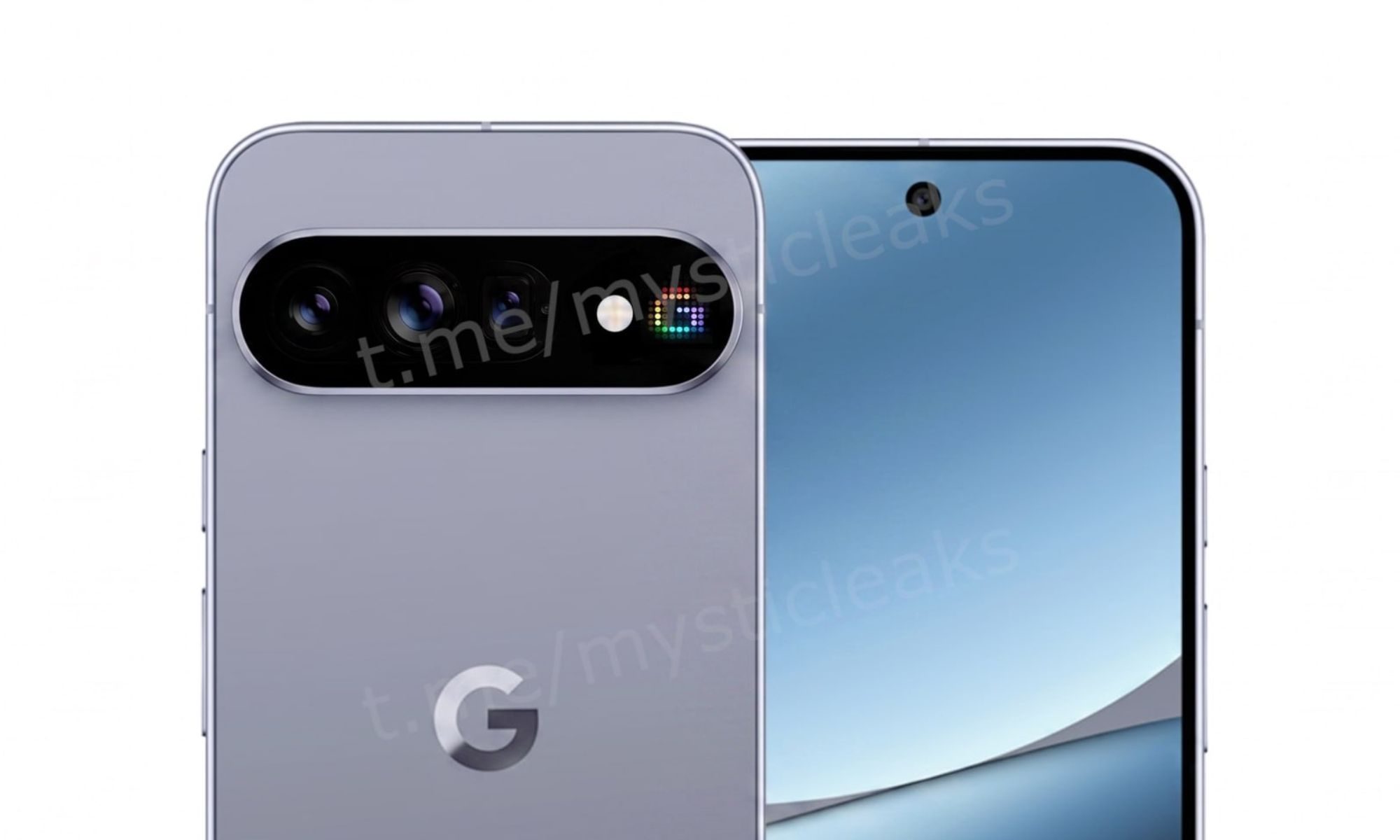
The Pixel 11 series could also get a new RGB lighting system on the back panel (in the camera array) called Pixel Glow, but nothing can be said with certainty about it at the moment.
Pro models might get Tensor G6 and two new cameras
The Pixel 11 Pro and Pixel 11 Pro XL could be based on the same core design philosophy as last year’s Pixel 10 Pro models. Expect to see a 6.3-inch screen on the Pro and a 6.8-inch screen on the XL, both supporting a 120Hz refresh rate. What could change, however, are the internals, ranging from the screen and chipset to the cameras and charging speed.
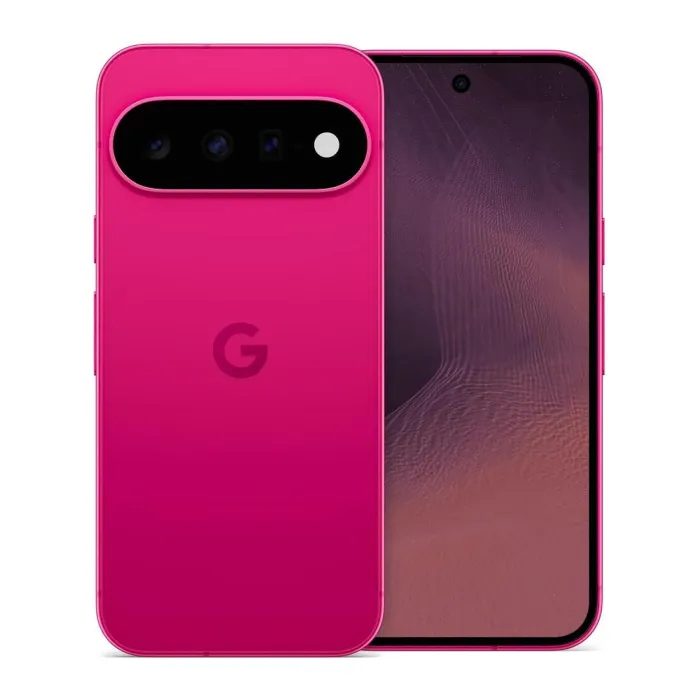
Apart from the M16 OLED panel, all three Pixel 11 models could flaunt noticeably slimmer bezels. You might not see a Pixel 11 Pro in Obsidian finish. They could come in Light Fog (white), Midnight Haze (black), Dune (pink), and Pine (green) colors.
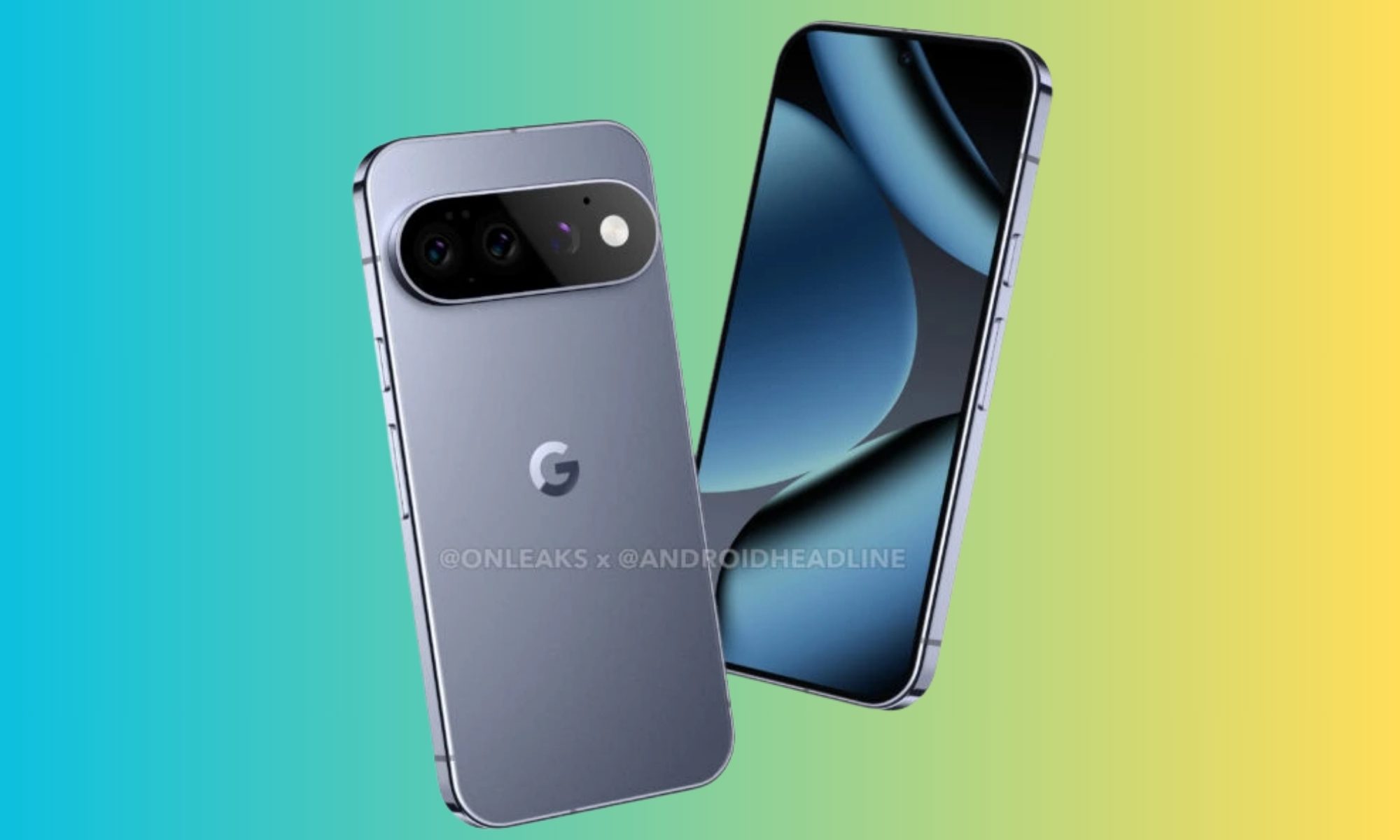
While the chipset and modem combination will remain the same as the Pixel 11, the baseline storage could increase from 128GB to 256GB. The RAM, however, could drop from 16GB on the Pixel 10 Pro models to 12GB on the Pixel 11 Pro (perhaps only on the entry-level variant), due to the global memory crisis. That could help Google keep the pricing steady.
Google might upgrade two of the three rear-facing cameras, likely the main and telephoto cameras. Whether they’ll be entirely new sensors or the same ones paired with a wider aperture remains unclear.

The battery capacity might remain the same, but the wired charging speed could be bumped up to 45W. I’d also hope that Google unlocks 25W Pixelsnap wireless charging for the smaller Pixel 11 Pro, as it was only available on the Pixel 10 Pro XL last year.
Regarding prices, both the Pro models may cost more than what the Pixel 10 Pro did at launch. Pushing the base storage to 256GB allows Google to charge more for the device in the first place, but whether a $100 to $200 hike adds up after that remains to be seen.


Google’s book-style foldable could be slimmer
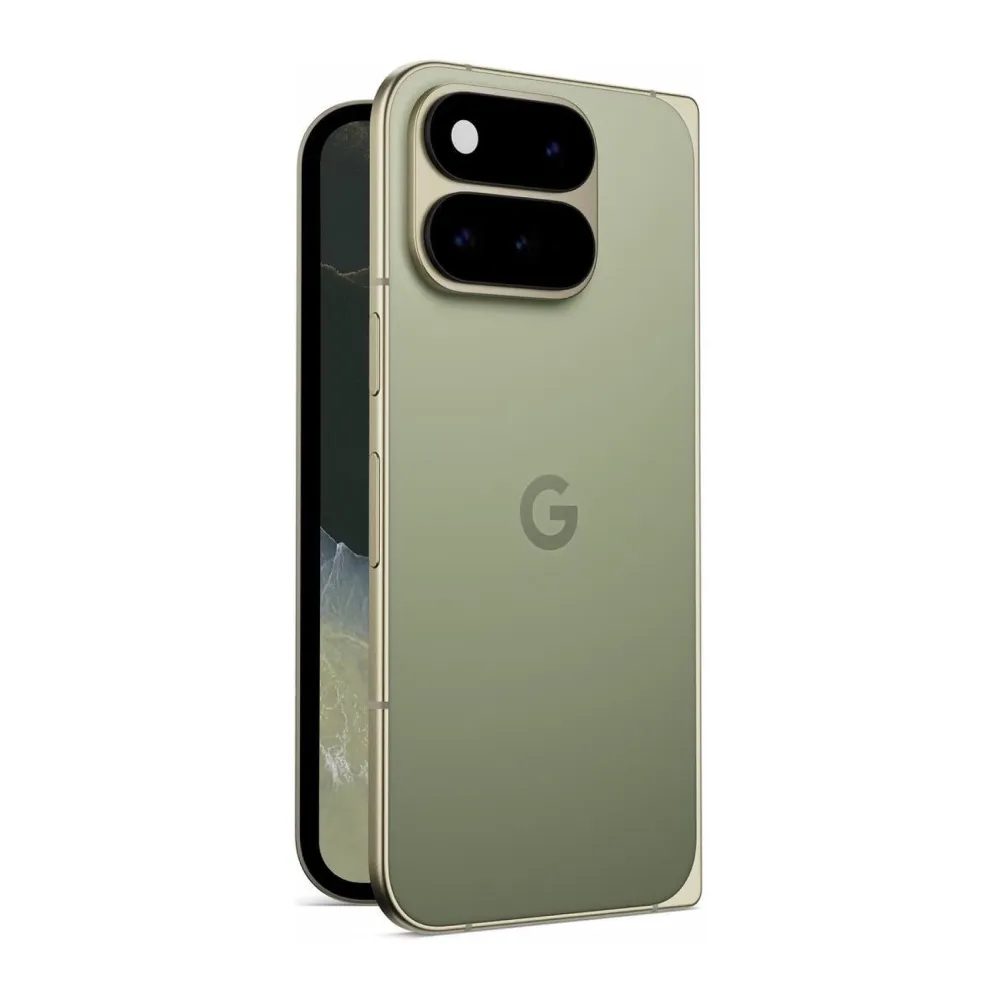
The biggest change coming to the Pixel 11 Pro Fold, aside from the Tensor G6 (2nm) chipset, could be its design. For one, the book-style foldable could be noticeably slimmer. It might measure 10.1mm thick when folded (down from 10.8mm) and 4.8mm when unfolded (down from 5.2mm).
Unlike the camera island on the Pixel 10 Pro Fold, the one on the upcoming foldable could feature more curved edges and less excess metal around the lens cutout. In addition, the handset could be available in color options such as Pine (muted gray-green) and Midnight Haze (black).
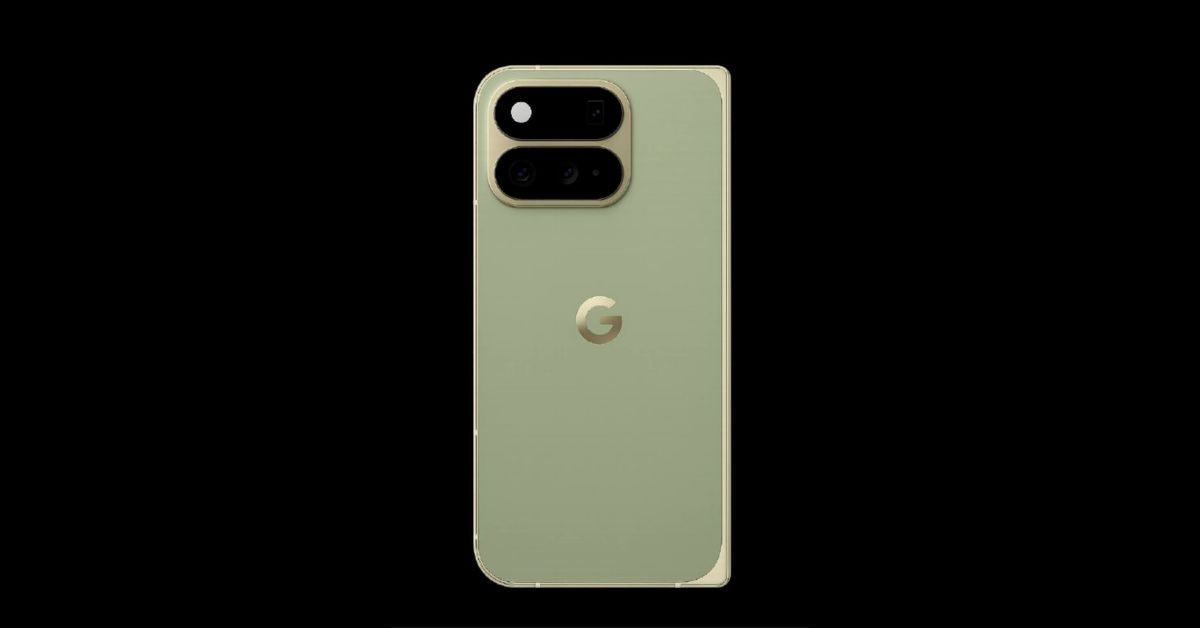
Other notable upgrades could include generative AI-powered 100x zoom, Cinematic Blur for 4K video at 30 fps, and a larger flash unit that might double as the Pixel Glow notification system (chances are quite slim, though). Like the other models in the lineup, expect this one to get the M16 OLED panel, the new Tensor G6 chipset, 256GB of base storage, and either 12 or 16GB of RAM.
The starting price for this foldable could increase from $1,799 to $1,899, while the 512GB and the 1TB (new variant expected this year) could cost even more. Last year, Google shipped the Pixel 10 Pro Fold in October after revealing it in August. However, that might not be the case this year.

Android 17 and Gemini Intelligence
All the phones in the Pixel 11 lineup will debut with Android 17 out of the box. In addition to new features such as App Bubbles, Screen Reactions, a dedicated assistant volume, a foldable gaming mode, several Instagram-related updates, and security enhancements, the phones should also offer Gemini Intelligence.

While releasing Android 17, Google mentioned that Gemini Intelligence will ship later this summer to “select advanced devices.” What it meant was devices with a flagship chip, 12GB of RAM or more, and support for Gemini Nano v3 or higher. From what it looks like, the Pixel 11 lineup could be the first to get the agentic AI features. Eventually, they might trickle down to older models like the Pixel 10.
For the uninitiated, Gemini Intelligence includes features such as task automation, screen and image context, Gboard Rambler for a seamless dictation experience, Superfill for Chrome, and the Create My Widget tool, which generates custom widgets from natural language prompts. Finally, Android Halo turns the status bar into a persistent indicator of whatever an AI agent is working on in the background.

Pixel Watch 5 could get a new chipset
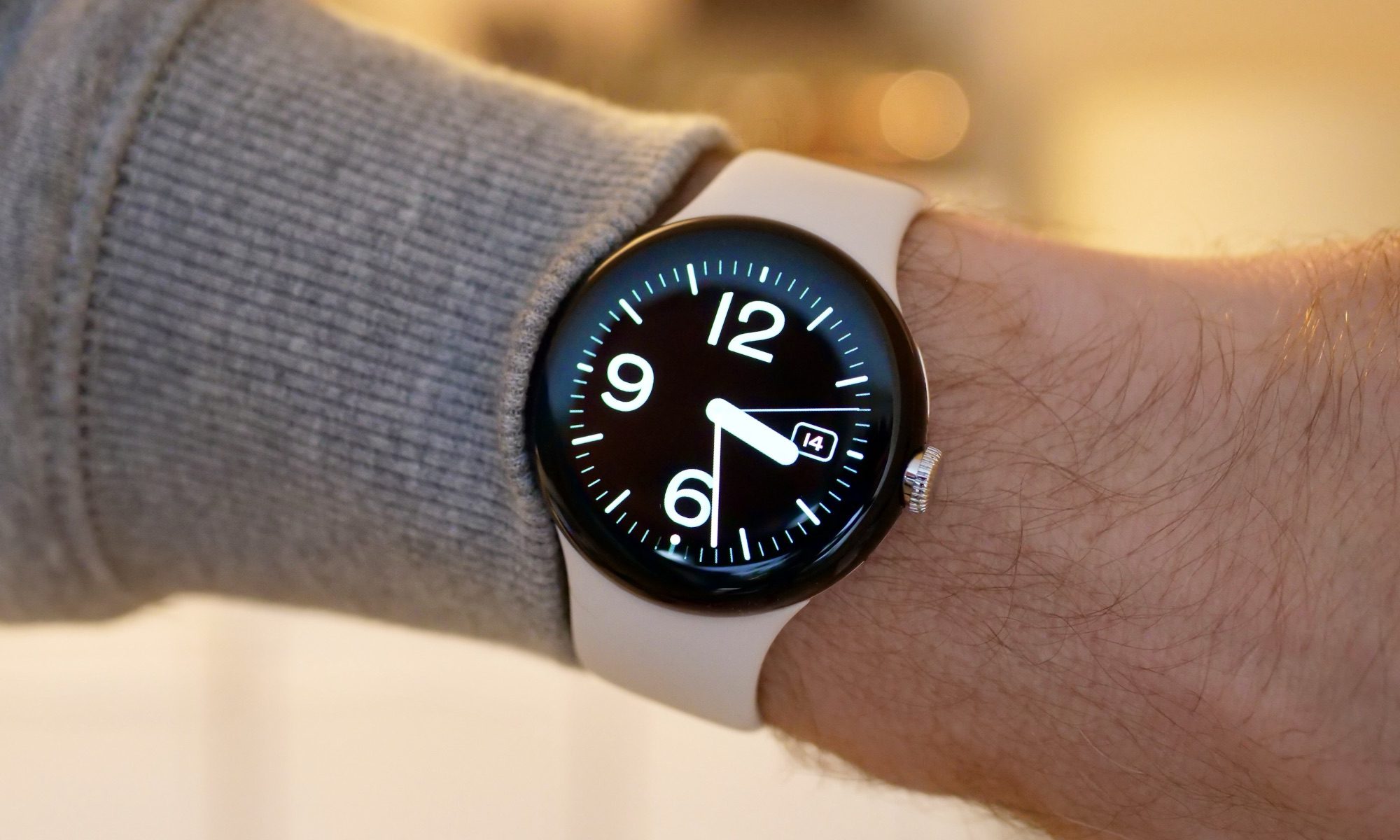
The Pixel Watch 5’s appearance will largely remain the same, as evidenced by an alleged prototype recovered from the ocean. Even the size options are expected to be similar: 41mm and 45mm. What could be new, however, are the colors: Dark Anthracite (black), Natural Silver, Pyrite (darker gold), and Warm Gold; the latter one could only be available for the smaller variant.
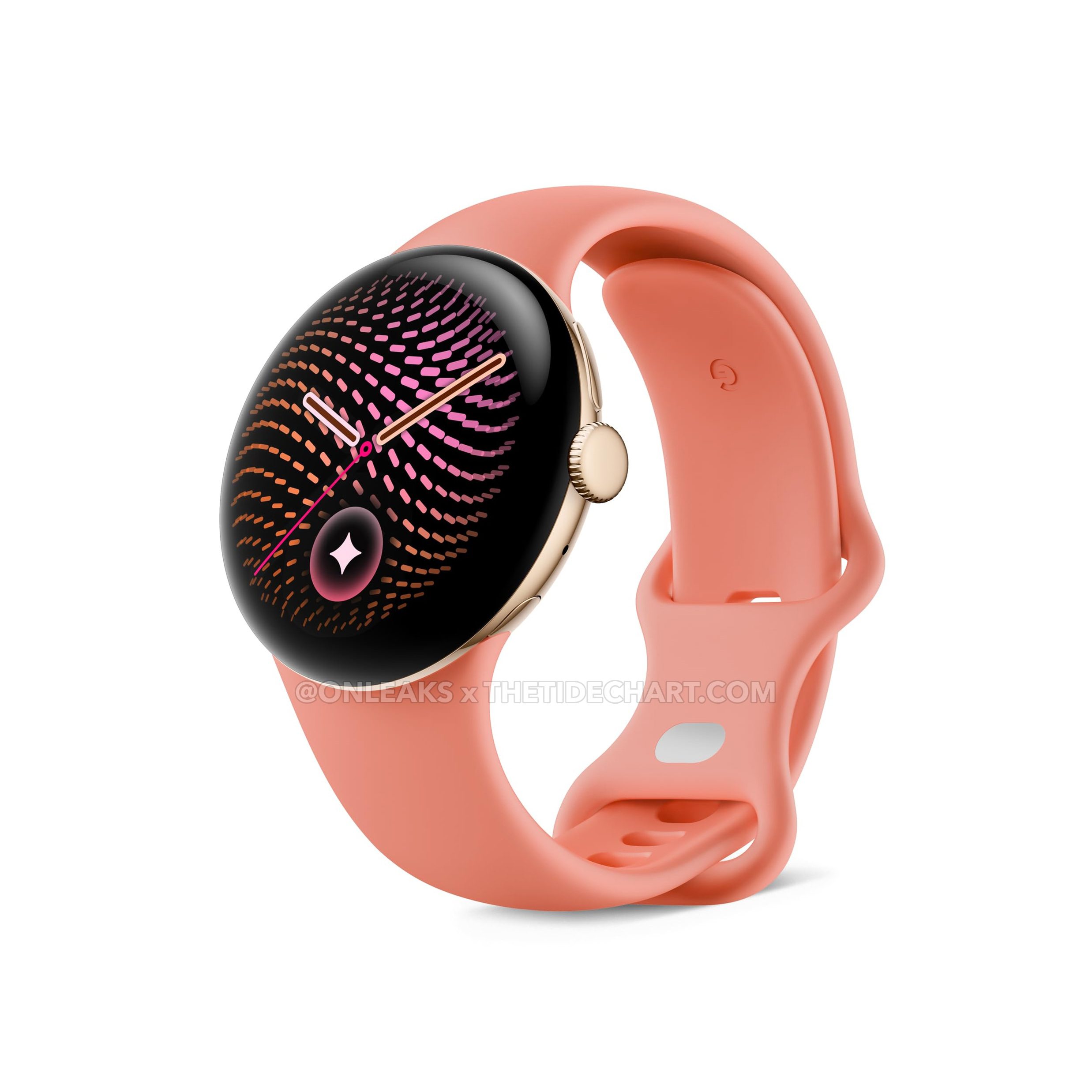
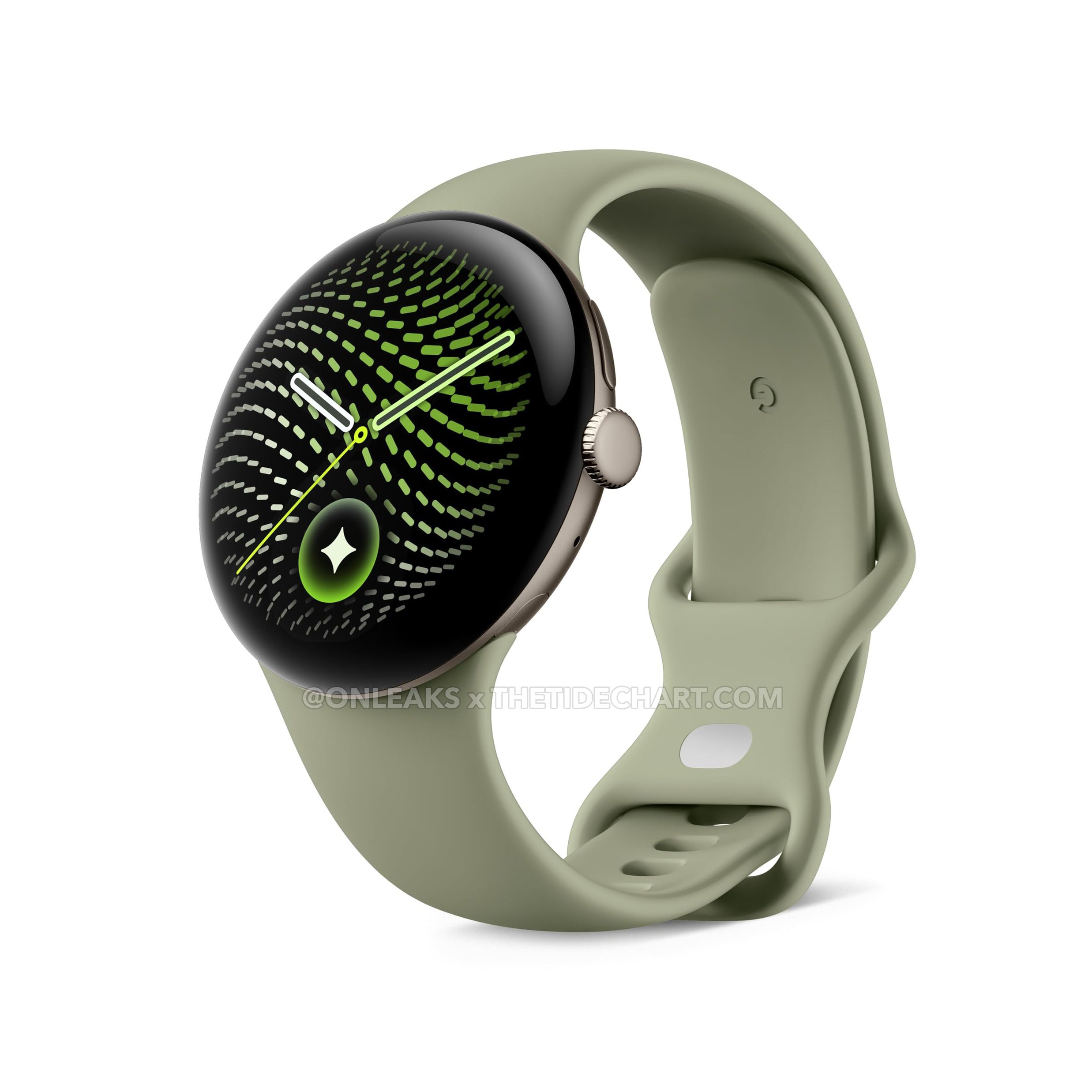
Under the hood, the Watch 5 could either be based on the Snapdragon Wear Elite chipset or a custom Tensor chipset. The new chip could bring noticeable improvements in AI processing speed, fluid UI animations, increased battery efficiency, and ultra-wideband (UWB) integration for precise spatial tracking in Find Hub. In addition, the smartwatch could also offer satellite connectivity in the LTE variants.
With all the upgrades, the Pixel Watch 5 could be more expensive than the current generation. The 41mm and 45mm Wi-Fi variants could cost $399 and $429, respectively, while the LTE variants could cost $499 and $529.
What about a new Pixel Buds Pro?
Google’s wearable lineup has always included earbuds alongside the watch at Made by Google events, and right now, it’s the Pixel Buds Pro that’s due an update. Current Pixel Buds Pro 2 launched in October 2025 alongside the Pixel 10, so a Pixel Buds Pro 3 announcement this year would be a notably faster turnaround than usual.
However, almost nothing has leaked about the third-generation model ahead of the event, and hence, there’s a chance Google could skip it this year. The company has been active with firmware updates and software development throughout 2026, but no hardware specifications have surfaced through any reliable channel.

Google’s August 12 event is shaping up to be its most consequential hardware showing in years. Tensor G6 on 2nm represents the biggest chipset leap the Pixel line has ever taken. Gemini Intelligence finally gives Google a genuine AI differentiator with real hardware teeth. Price increases across every product category are real and not going away. If there was ever a year to pay close attention to what Google announces, this is it.