


Amazon has taken a significant step toward launching its long-awaited satellite internet service. Following its latest rocket launch, the company now has 396 Project Kuiper satellites in low-Earth orbit, enough to begin offering continuous service across select regions. The milestone keeps Amazon on track for its previously announced goal of launching commercial service by mid-2026.
However, history suggests early users shouldn’t expect the polished experience that SpaceX’s Starlink offers today. Like every satellite internet constellation, Project Kuiper will need years of additional launches before it reaches its full potential.
Amazon is finally ready to switch on Project Kuiper
Chris Weber, Amazon’s Vice President overseeing Project Kuiper’s business and product strategy, confirmed that the company now has enough satellites in orbit to provide continuous coverage across its initial service latitudes. The announcement comes after Amazon’s latest launch increased its constellation to 396 operational satellites. While that is enough to begin offering internet access in selected regions, it remains only a fraction of Amazon’s long-term goal of deploying 3,232 satellites in low-Earth orbit.
Project Kuiper is Amazon’s answer to SpaceX’s Starlink, aiming to provide high-speed broadband connectivity to homes, businesses, and remote communities where traditional internet infrastructure is limited or unavailable. Amazon has repeatedly stated that commercial availability is expected to begin in mid-2026, and this latest deployment suggests the company remains on course despite earlier launch delays.
Starlink shows why patience will be necessary
Although Amazon has reached an important milestone, its network is still in its infancy compared to Starlink. When SpaceX introduced its “Better Than Nothing Beta” in 2020, the company already had nearly 900 satellites in orbit. Even then, service was limited to parts of the United States and Canada, with users frequently reporting connection dropouts, sensitivity to obstacles such as trees and buildings, download speeds ranging between 50Mbps and 150Mbps, and latency between 20ms and 40ms.
Those limitations gradually disappeared as SpaceX continued launching satellites. Today, Starlink operates more than 10,000 satellites, serving customers in over 160 countries across residential, maritime, aviation, and enterprise markets. Depending on the subscription plan and location, users can typically expect median download speeds of around 200Mbps, upload speeds between 10Mbps and 40Mbps, and latency close to 25ms.

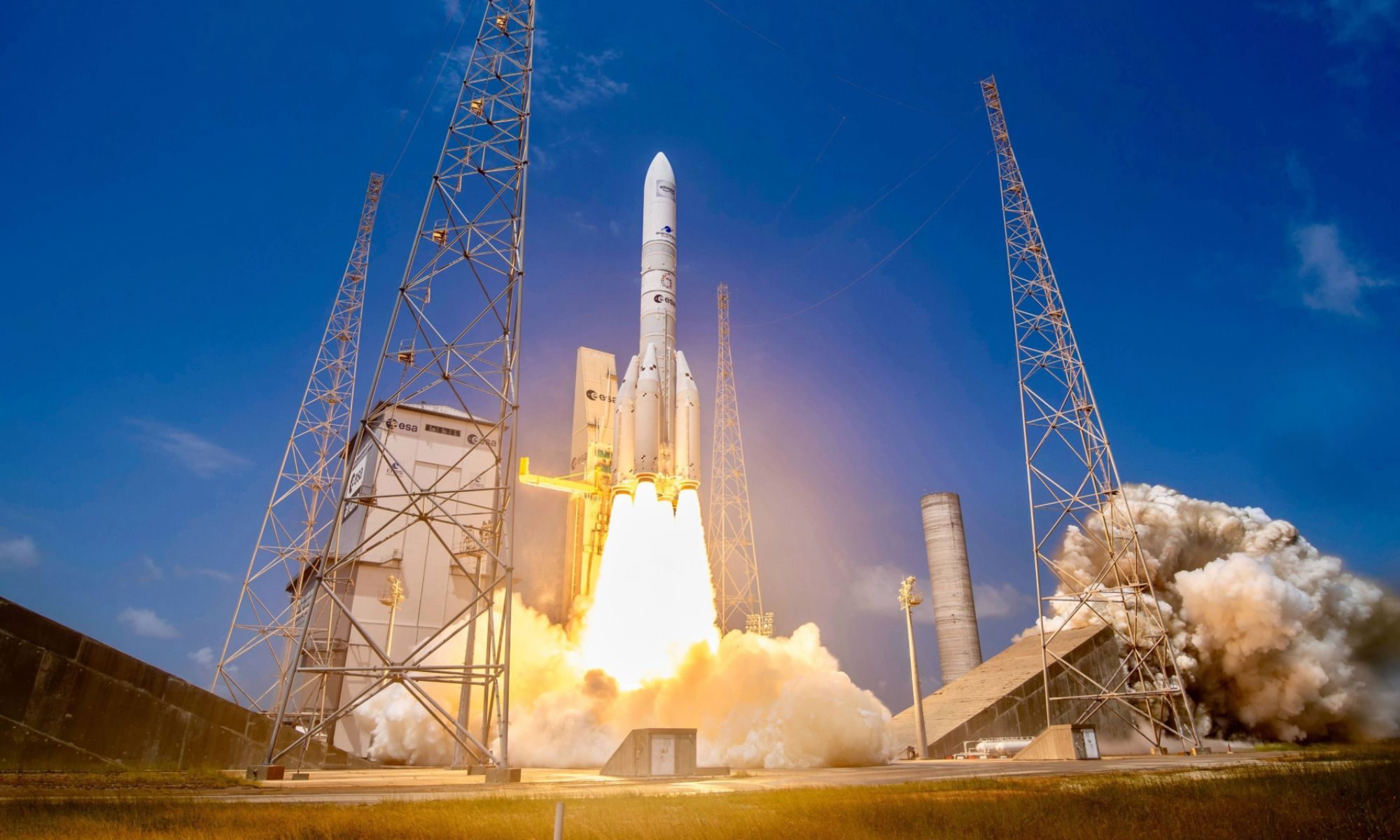
Amazon is hoping to follow a similar trajectory, but it faces a longer road ahead. The company still needs to deploy thousands more satellites before Project Kuiper can offer comparable capacity, coverage, and performance. Part of that challenge has been launch availability. Amazon has relied on multiple launch providers while also waiting for Blue Origin’s New Glenn rocket, backed by Amazon founder Jeff Bezos, to enter regular commercial service.
If Amazon can maintain its launch cadence, Project Kuiper could eventually emerge as Starlink’s first serious large-scale competitor. For now, though, the latest milestone is best viewed as the beginning of the journey rather than the finish line.