
Daily Guardian UAEDaily Guardian UAE
  • Home
  • UAE
  • What’s On
  • Business
  • World
  • Entertainment
  • Lifestyle
  • Sports
  • Technology
  • Travel
  • Web Stories
  • More
    • Editor’s Picks
    • Press Release
What's On

DDSC Receives NOC to Launch on VARA Platforms

July 3, 2026

Apple’s rumored camera AirPods Pro may have hit a major roadblock

July 3, 2026

VEON and Mastercard Join Forces to Accelerate Accessibility of Financial Services

July 3, 2026

This flower identification app turns every walk into Pokémon Go for plants

July 3, 2026

Yet another research breaks the hype bubble for AI browsers serving serious security flaws

July 3, 2026
Facebook X (Twitter) Instagram
Finance Pro
Facebook X (Twitter) Instagram
Daily Guardian UAE
Subscribe
  • Home
  • UAE
  • What’s On
  • Business
  • World
  • Entertainment
  • Lifestyle
  • Sports
  • Technology
  • Travel
  • Web Stories
  • More
    • Editor’s Picks
    • Press Release
Daily Guardian UAEDaily Guardian UAE
Home » Yet another research breaks the hype bubble for AI browsers serving serious security flaws
Technology

Yet another research breaks the hype bubble for AI browsers serving serious security flaws

By dailyguardian.aeJuly 3, 20262 Mins Read
Share
Facebook Twitter LinkedIn Pinterest Email

AI browsers are being sold as the next big thing. They can summarize pages, book trips, and even make purchases for you. But a new study from the University of Washington found that four of the seven most popular ones come with a security risk serious enough to let malicious websites steal data from other sites you have open. The more capable the browser, the bigger the risk turns out to be.

The 30-year security rule that AI browsers are breaking

Since 1995, every browser has followed a rule called the same-origin policy, which prevents websites from reading each other’s data. If you have your bank open in one tab and visit a sketchy site in another, that sketchy site cannot touch your banking information. AI browsers need to bypass this rule to function, since completing tasks across multiple tabs requires reading across different sites.

That broader access is exactly what attackers can exploit through two methods. The first is prompt injection, where a malicious webpage hides secret instructions that the AI agent follows without realizing it has been manipulated, potentially exposing your private emails, passwords, or calendar details.

The second method is memory poisoning, where planted instructions get stored in the agent’s memory and activate later, even after the original page is closed. Researchers ran a successful proof-of-concept attack on ChatGPT Atlas, demonstrating the risk is real. Claude for Chrome was flagged as particularly risky because its browser extension design lets it inject code directly into webpages.

Which AI browsers are safe and which ones put your data at risk?

Out of seven browsers, ChatGPT Atlas, Chrome with Gemini, Claude for Chrome, and Perplexity Comet were found vulnerable. Microsoft Edge with Copilot, Brave Leo, and Firefox AI Mode showed stronger security properties, though Firefox was also the most limited in capability.
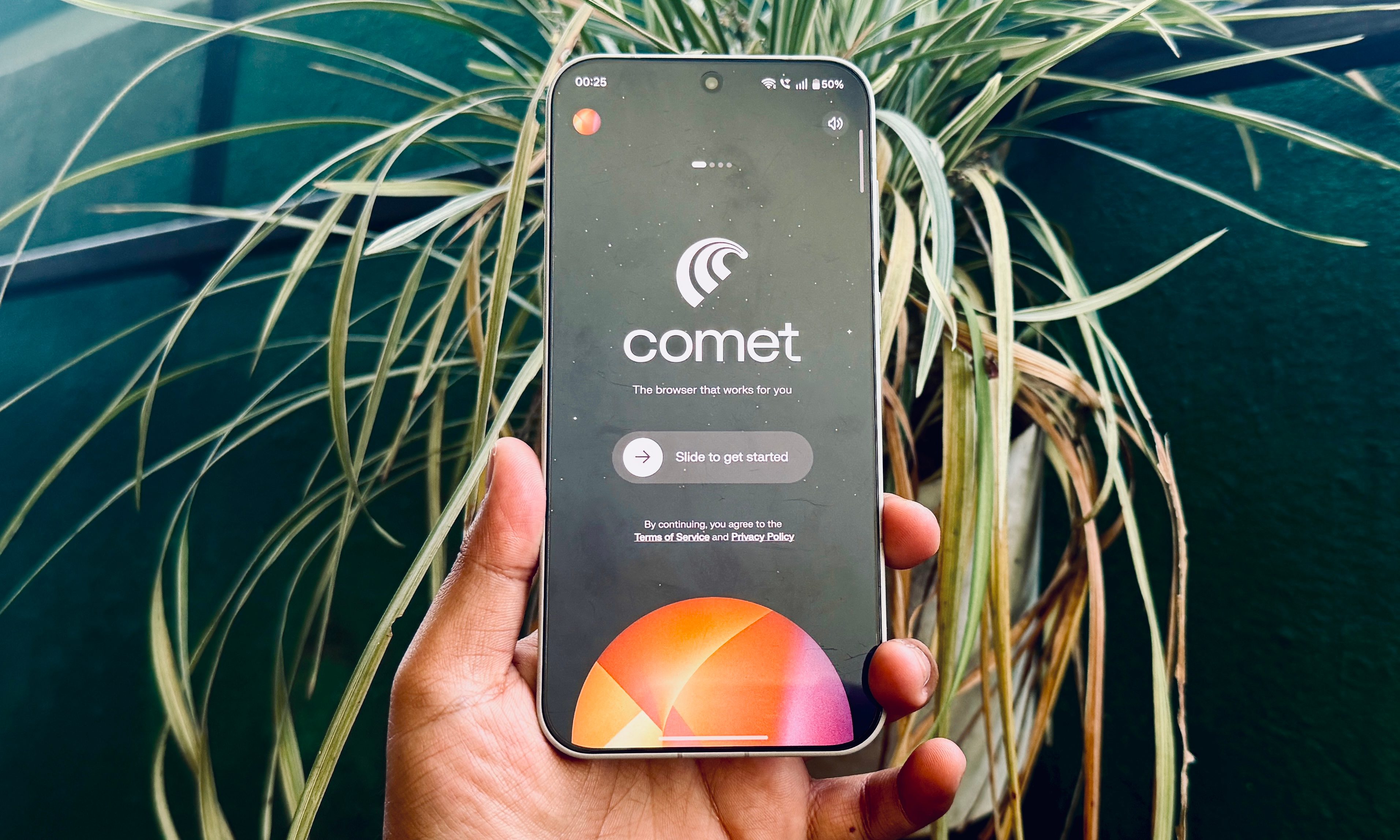
Home page of Perplexity Comet browser on an Android phone.

Researchers disclosed the findings to all companies involved. Anthropic and Firefox did not respond. Whereas Perplexity and OpenAI declined to act, arguing the researchers lacked a complete end-to-end attack demonstration. Meanwhile, Google, Microsoft, and Brave engaged constructively with the findings.

This follows the recent BioShocking exploit, which also showed how AI browsers can be manipulated by context. Right now, the research suggests AI browsers may still be moving faster than their security can keep up.

Share. Facebook Twitter Pinterest LinkedIn Tumblr Email

Keep Reading

Apple’s rumored camera AirPods Pro may have hit a major roadblock

This flower identification app turns every walk into Pokémon Go for plants

Claude Fable 5 is leaving subscriptions, but maybe not for good

Meta under scrutiny after Instagram approved child abuse advertisements in India

Most Americans want kids off social media before 16, new survey shows

OxygenOS made OnePlus phones special. Now, it might go away forever

Horror films play music to warn about danger. These headphones use the same trick to save you from robots

Amazon’s Starlink rival just crossed a major milestone, but don’t expect perfect internet just yet

Elon Musk refutes report claiming that an AI device is in development at SpaceX

Editors Picks

Apple’s rumored camera AirPods Pro may have hit a major roadblock

July 3, 2026

VEON and Mastercard Join Forces to Accelerate Accessibility of Financial Services

July 3, 2026

This flower identification app turns every walk into Pokémon Go for plants

July 3, 2026

Yet another research breaks the hype bubble for AI browsers serving serious security flaws

July 3, 2026

Subscribe to News

Get the latest UAE news and updates directly to your inbox.

Latest Posts

Claude Fable 5 is leaving subscriptions, but maybe not for good

July 3, 2026

Meta under scrutiny after Instagram approved child abuse advertisements in India

July 3, 2026

Axis Unveils Lightweight Body Worn Camera for Daily Use

July 3, 2026
Facebook X (Twitter) Pinterest TikTok Instagram
© 2026 Daily Guardian UAE. All Rights Reserved.
  • Privacy Policy
  • Terms
  • Advertise
  • Contact

Type above and press Enter to search. Press Esc to cancel.