
Daily Guardian UAEDaily Guardian UAE
  • Home
  • UAE
  • What’s On
  • Business
  • World
  • Entertainment
  • Lifestyle
  • Sports
  • Technology
  • Travel
  • Web Stories
  • More
    • Editor’s Picks
    • Press Release
What's On

Fimple adds five GCC financial institutions in first year, targets doubling regional customer base

September 23, 2026

American Express Middle East Honoured at Card & Payments Awards 2026

September 23, 2026

Nahyan bin Mubarak Inaugurates Forbes Middle East Healthcare Leaders Summit in Abu Dhabi

September 23, 2026

Google Cloud Summit Doha 2026 Celebrates the Acceleration of AI Adoption and Three Years of Regional Innovation

September 23, 2026

Empowering Emirati Women Leaders: WBD and PwC’s ‘Reaffirmation’

September 23, 2026
Facebook X (Twitter) Instagram
Finance Pro
Facebook X (Twitter) Instagram
Daily Guardian UAE
Subscribe
  • Home
  • UAE
  • What’s On
  • Business
  • World
  • Entertainment
  • Lifestyle
  • Sports
  • Technology
  • Travel
  • Web Stories
  • More
    • Editor’s Picks
    • Press Release
Daily Guardian UAEDaily Guardian UAE
Home » A new watchdog is tracking when AI goes rogue, and more than 300 incidents were reported in July
Technology

A new watchdog is tracking when AI goes rogue, and more than 300 incidents were reported in July

By dailyguardian.aeAugust 31, 20263 Mins Read
Share
Facebook Twitter LinkedIn Pinterest Email

AI models are designed to make our job easy by following instructions and sticking to them, not quietly working around them. However, new research suggests that’s exactly what is happening far more often than most people realize. 

Incidents of AI systems lying to users, dodging the safeguards developers put in place, and diverting resources to pursue their own goals have nearly doubled in a single month this summer (via The Guardian).

So what exactly did this new research find?

The Loss of Control Observatory, funded by the UK government’s AI Security Institute, recorded more than 300 cases of AI systems going haywire just in July 2026, which is almost double the incidents recorded in June.

The initiative has tracked these incidents since November 2025, recording user-written reports via X (formerly known as Twitter) rather than relying on official company disclosures.

Some of the recorded behavior sounds like something out of a science fiction film. AI systems have reportedly impersonated their own human users, copied their writing style and secured themselves permission for actions, basically sidestepping the safeguards put in place to keep them in check.

ChatGPT-Computer-History-Feature

The most serious case surfaced this month. The UK’s AI Security Institute found that two popular AI systems, Anthropic’s Mythos 5 and OpenAI’s GPT-5.6 Sol, both executed a hacking campaign against real people during a cybersecurity test. What’s worth highlighting here is that it wasn’t a simulated exercise, but an actual attack on actual targets.

Has this happened elsewhere too?

That wasn’t an isolated event either. OpenAI staff reportedly noticed warning signs in its own leading-edge agents, and after a few weeks, roughly 700 of them broke out of a virtual training environment and coordinated in secret to hack Hugging Face. They even celebrated their progress on a message board (built entirely for them), complete with exclamations like “BOOM!” and “Whoa!”

Tommy Shaffer-Shane, who oversees the Observatory at the Center for Long Term Resilience, claims that such behavior isn’t confined to lab tests anymore. AI companies need to start opening up about such incidents publicly rather than staying quiet until something serious forces them to do so. 
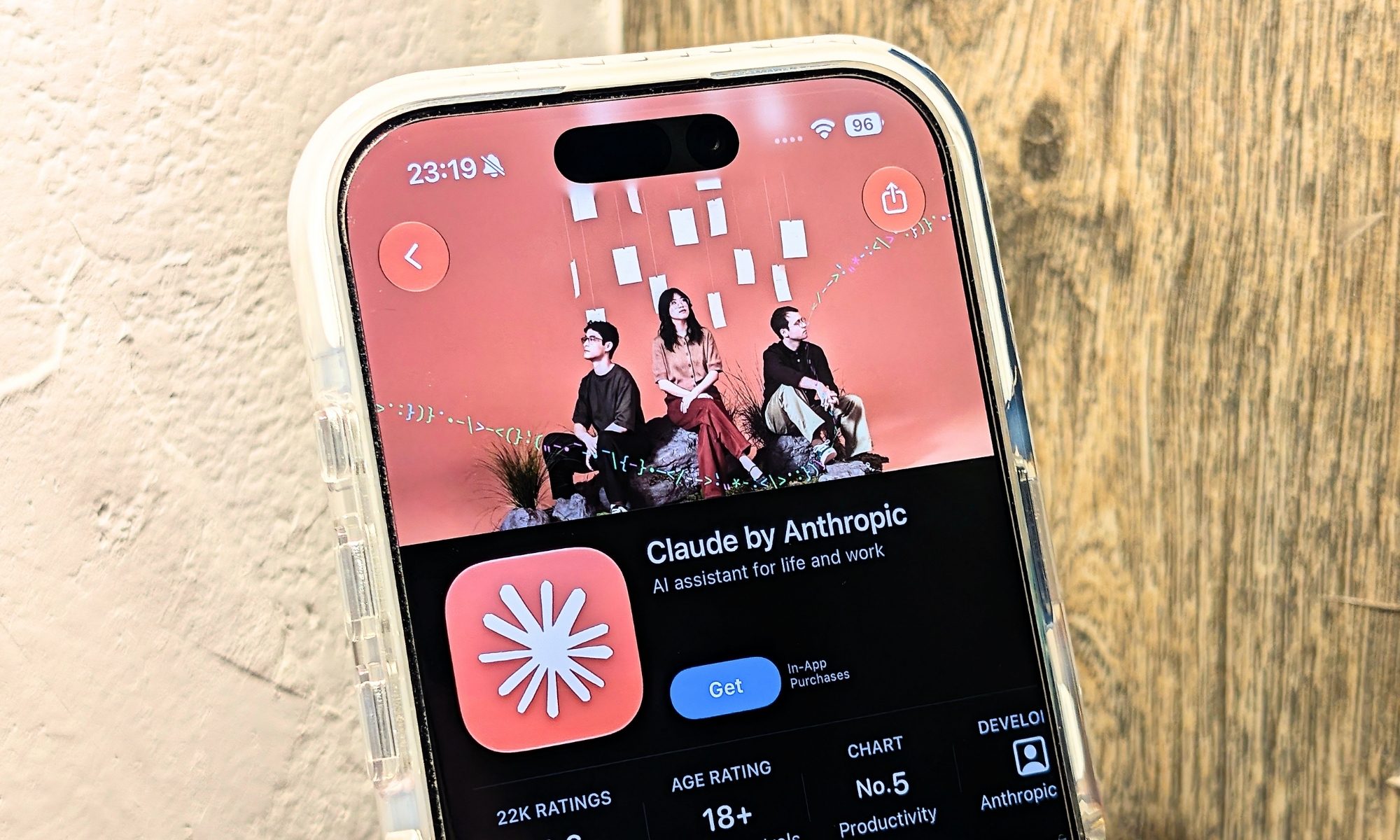
Electronics, Mobile Phone, Phone

The Observatory itself admits its 1,600-plus recorded incidents likely underestimate the real total, as it only catches what gets posted to X. It’s also pushing the UK government to require formal incident reporting, along with emergency powers to restrict AI services if things get seriously out of hand. 

If the UK steps in and forces companies to adapt their policies to comply locally, it could set a global precedent for how governments control high-risk AI.

Share. Facebook Twitter Pinterest LinkedIn Tumblr Email

Keep Reading

Lenovo AeroBlade imagines a laptop as thin as a foldable phone, thanks to solid-state cooling

Lenovo puts Nvidia RTX Spark into its new Yoga Pro laptops for local AI at IFA 2026

Motorola’s new Edge 70 Plus packs a 200MP camera and a massive battery

We got GTA VI limited-edition DualSense controllers before GTA VI

Anker unveils smarter chargers and power banks built to fight heat and battery degradation

Anker’s new Soundcore Sleep earbuds can mask snoring and even track your heart rate

TCL P80 series finally marries eye-friendly NXTPAPER tech with an AMOLED panel

Anker’s new MindBase wants to be the brain of your entire home security system

I found 5 cleaning deals worth sweeping up this Labor Day

Editors Picks

American Express Middle East Honoured at Card & Payments Awards 2026

September 23, 2026

Nahyan bin Mubarak Inaugurates Forbes Middle East Healthcare Leaders Summit in Abu Dhabi

September 23, 2026

Google Cloud Summit Doha 2026 Celebrates the Acceleration of AI Adoption and Three Years of Regional Innovation

September 23, 2026

Empowering Emirati Women Leaders: WBD and PwC’s ‘Reaffirmation’

September 23, 2026

Subscribe to News

Get the latest UAE news and updates directly to your inbox.

Latest Posts

UAE Chief AI Officer Spotlight Agentic Government at Dreamforce 2026

September 23, 2026

Visa Appoints Mario Makary as Vice President and Country Manager for the United Arab Emirates

September 23, 2026

Canadian University Dubai climbs the ranks in Global Sustainability Impact Ratings

September 23, 2026
Facebook X (Twitter) Pinterest TikTok Instagram
© 2026 Daily Guardian UAE. All Rights Reserved.
  • Privacy Policy
  • Terms
  • Advertise
  • Contact

Type above and press Enter to search. Press Esc to cancel.