
I’ve spent a decent bit of time with the Pixel 11 Pro recently, and there is plenty to love about Google’s latest flagship–even if it made some lackluster hardware updates. Instant Night Sight made me appreciate Google’s low-light photography once again, while Magic Capture has already helped me grab pictures of my cat that I probably would have missed.
HiLight is a nifty new addition that Google is being extra protective of, while people have already found a way to liberate it. So, just a few days after its announcement, the phone has caused a buzz. But spending north of $1,000 for a phone isn’t a casual purchase. The Pixel 11 Pro now starts at the same $1,099 as Apple’s iPhone 17 Pro, while excellent Android flagships such as the Galaxy S26 and OnePlus 15 cost $200 less at MSRP.
How I picked these models
I’ve been using the Pixel 11 Pro extensively for our current coverage, I reviewed the Galaxy S26 earlier this year, and I’ve also spent some time with the OnePlus 15. For the iPhone 17 Pro and the two 2026 clamshells, I’m drawing from our existing testing alongside current manufacturer specifications and market pricing. Each recommendation consequently focuses on a particular strength rather than attempting to declare one universal Pixel killer.
Samsung Galaxy S26/S26+
If the 6.3-inch Pixel 11 Pro appeals to you because you don’t want an enormous smartphone, the Galaxy S26 is the first alternative I’d consider. I reviewed the S26 earlier this year, and its size remains one of my favorite things about it. Samsung managed to fit a 6.3-inch display into a body weighing only 167 grams. The Pixel 11 Pro also has a 6.3-inch display and weighs 204 grams, making that 37-gram difference surprisingly noticeable once you’re carrying the phone around all day. The S26 starts at $899.99 as well, giving you a $200 saving before any promotions enter the picture.

Its Exynos 2600 variant performed extremely well during my testing. Apps were quick, animations remained smooth, and games ran well enough that I never considered it a compromised flagship. One UI 8.5 also gives you Samsung’s massive software toolbox, including Good Lock and DeX, if you enjoy digging deeper into Android than Google’s relatively restrained Pixel interface allows.

There are compromises I wouldn’t gloss over. I averaged around five hours of screen-on time, 25W charging remains frustratingly slow, and Samsung has carried forward camera hardware that is beginning to show its age. Google’s camera system is the one I’d choose between the two. But if compactness isn’t essential, the Galaxy S26+ is the better pick. You get a taller and sharper 6.7-inch display, a larger 4,900mAh battery, and faster charging.
OnePlus 15
Just looking at the spec sheet alone, the OnePlus 15 makes the most, mathematically speaking. For $899.99, it packs the faster Qualcomm Snapdragon 8 Elite Gen 5, a humongous 7,300mAh silicon-carbon battery, 80W wired charging in the US, and 50W wireless charging that is faster than the wired charging on the Pixel 11 Pro. A 6.78-inch LTPO display that can reach 165Hz in supported games is just the cherry on top. Google’s 4,850mAh battery looks downright pretty disappointing in comparison.

Sure, you can argue that it’s a compact phone, but silicon-carbon battery tech has made sure that even smaller phones pack solid capacities. We spent around a month reviewing the OnePlus 15, and battery endurance emerged as one of its biggest strengths. You’ll end the day with around 40% to 45% remaining, while performance from the Snapdragon chip remained extremely quick.
I’d choose the Pixel for its more consistent computational photography, smaller footprint, Qi2 magnets, and seven-year software commitment. However, someone who games heavily, hates charging every day, or simply wants considerably more hardware for $900 has a compelling reason to go OnePlus.
Apple iPhone 17 Pro
One of the closest alternatives is quite obvious. Apple’s $1,099 iPhone 17 Pro also starts with 256GB of storage and has a similar 6.3-inch display. The physical class practically identical to the base Pixel 11 Pro. What makes it relevant here goes beyond the familiar Android-versus-iOS argument. Apple’s A19 Pro is one of the fastest mobile chips out there, and the camera system gives you three 48MP rear cameras that have remained consistently capable.

Apple supports 4K Dolby Vision recording at up to 120fps, alongside ProRes RAW, Apple Log 2, and other production-oriented tools. If your phone regularly doubles as a serious video camera, that package gives the iPhone a very clear purpose at the same price as the Pixel.
The Pixel 11 Pro remains more appealing to me for some forms of still photography, particularly after testing its dramatically faster Night Sight and features such as Magic Capture. Choosing the iPhone makes the most sense when video production, A19 Pro performance, or an existing Apple ecosystem ranks higher on your list.
Samsung Galaxy Z Flip 8
Once a regular slab phone reaches $1,099, spending $1,199.99 on the Galaxy Z Flip 8 starts looking surprisingly reasonable. The clamshell folding flip phone gets you the best of both worlds. A compact device in your pocket and a tall 6.9-inch panel that unfolds for more screen real estate. There’s also the 4.1-inch FlexWindow on the outside, and a body that has been trimmed down to just180 grams, making the Flip8 lighter than the Pixel 11 Pro despite its much larger unfolded display.
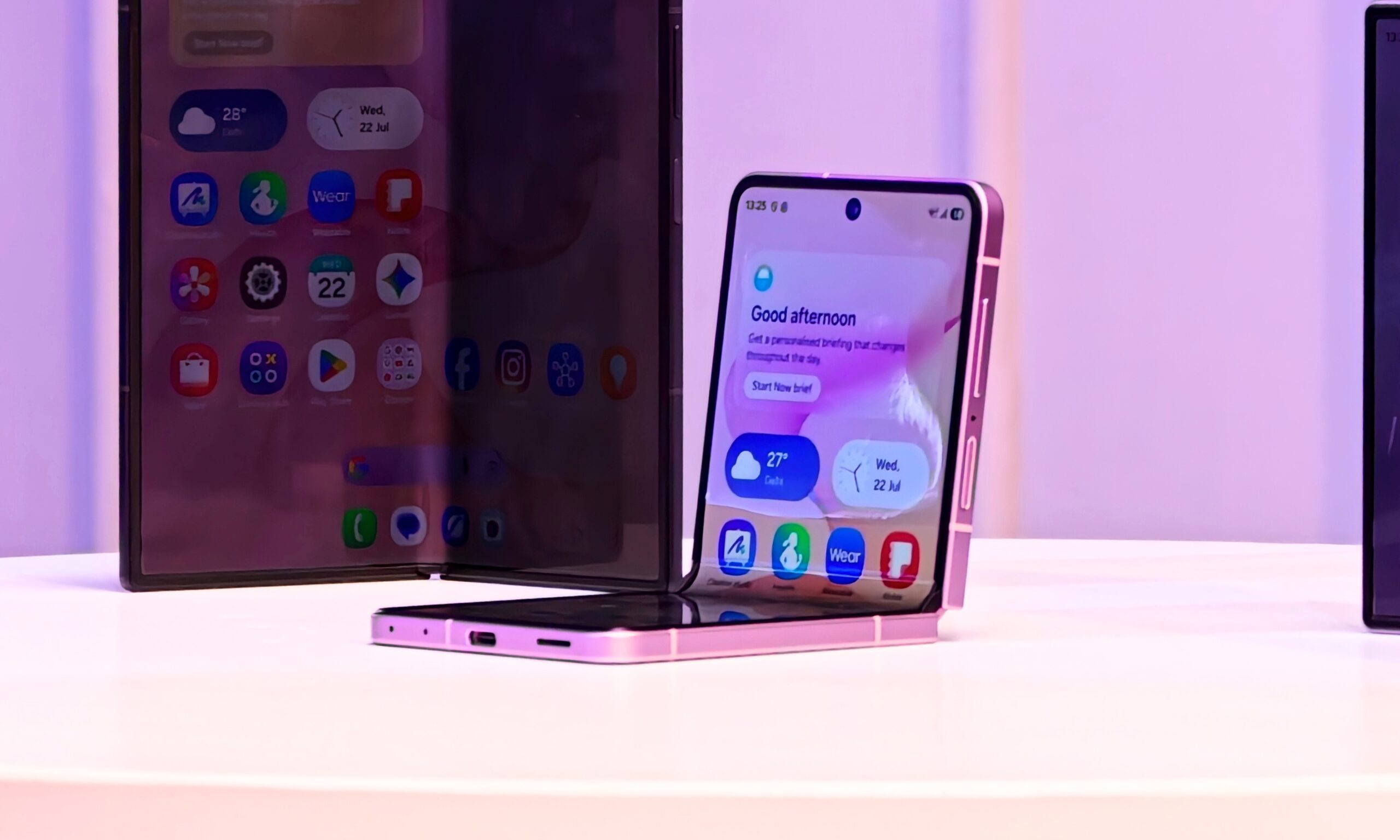
The external screen is a major part of the attraction. Quick interactions, widgets, notifications, camera previews, and Galaxy AI features can live outside. Flex mode also creates shooting angles an ordinary Pixel simply cannot replicate. Samsung also promises up to seven OS upgrades and security updates, which matches Google’s long-term commitment as well.
It’s not all perfect either, though. Its dual rear cameras lack a dedicated telephoto lens, the 4,300mAh battery is smaller than the Pixel’s, and wired charging tops out at 25W. I’d choose the Pixel if camera versatility remains the priority. The Flip 8 is for someone already spending four figures who looks at another conventional glass rectangle and wants something more distinctive.
Motorola Razr+ 2026
Motorola brings that same Samsung flip energy, but without the extra cost. The Razr+ 2026 costs exactly $1,099 in the US, essentially matching the Pixel 11 Pro dollar for dollar. Its biggest advantage is sitting outside the phone. Motorola’s 4-inch cover display can run full apps, handle messages, show maps, and perform plenty of everyday tasks without requiring you to unfold the device. Open it, and you get a 6.9-inch LTPO OLED display capable of reaching 165Hz.
Motorola also gives the Razr+ a 4,500mAh silicon-carbon battery with 45W wired charging, 15W wireless charging, an IP48 rating, and a titanium-reinforced hinge. Those specs make it an appealing middle ground between a conventional flagship and the novelty of carrying a flip phone.
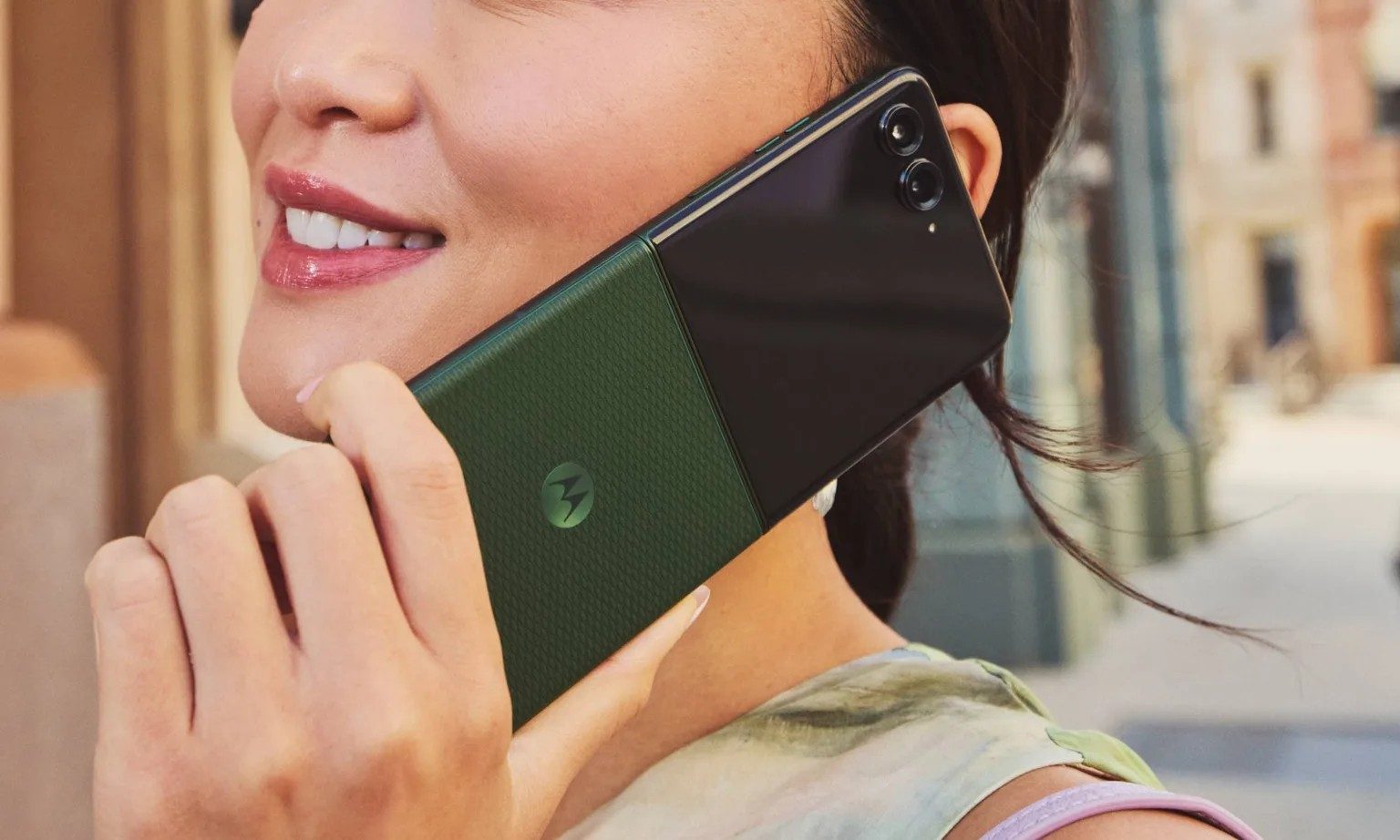
Unfortunately, that cheaper price tag does cost you in some ways. Motorola is still using the Snapdragon 8s Gen 3, a chip that first appeared a couple of generations ago. Motorola’s own support page currently lists security updates through May 2030, while the company promises three major Android upgrades.
The Pixel is still the easy choice when looking at longevity, camera versatility, and software. But the Razr+ oozes a different kind of style.
The Pixel 11 Pro still has its audience
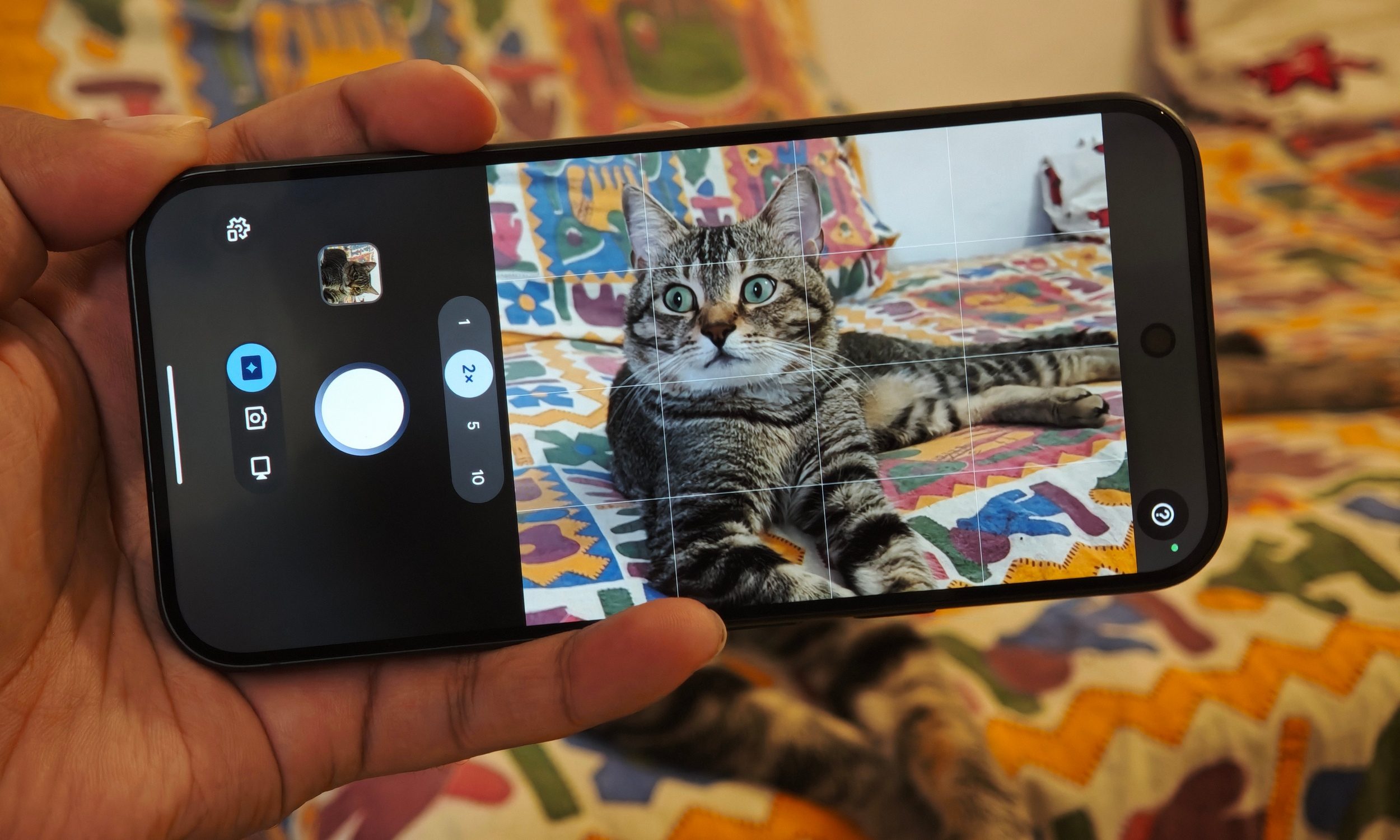
None of these alternatives suddenly makes the Pixel 11 Pro a bad purchase. Google’s built a very capable flagship in a handy form factor. It’s not for the enthusiasts or gamers. Its battery capacity might leave power users skeptical as well. I can spend $200 less and get the wonderfully compact Galaxy S26, put the same savings toward the enormous battery and performance of the OnePlus 15, or pay exactly the Pixel’s price for an iPhone 17 Pro. Samsung and Motorola will even fold the phone in half once my budget reaches this territory.
So I’d suggest going for the Pixel 11 Pro only if reliable cameras, software, and long-term support are your priority. On the other hand, battery life, raw performance, or even a cool design element is what the competitors offer for $1,099.