
Flip phones have quietly become one of the most competitive corners of the smartphone market. It provides buyers with a satisfying folding snap, reducing the footprint to half the original size, and that’s the entire point. Motorola never really left the format after reviving the Razr name, while Samsung has spent generations treating the Flip line as its scrappy, budget-friendlier sibling to the Fold.
This year, though, the gap between the two camps has narrowed to the point where picking a winner requires genuinely reading the spec sheet and learning about the phones before putting your money into one. One phone leans hard into raw display firepower, while the other leans into a deeper software ecosystem and a friendlier price tag.
I pulled every confirmed spec for both devices straight from Motorola’s own listing and Samsung’s official documentation to figure out exactly where each phone earns its keep, so that you can make an informed decision after reading this.
Flip 8 vs. Razr Ultra (2026): Price and availability
Here’s where the decision gets easier before you’ve even opened either box. Motorola’s Razr Ultra launched back in May at $1,499.99, while Samsung’s Z Flip 8 undercuts it by a full $300 at its $1,199.99 starting price, landing on shelves months later with a considerably newer software foundation baked in from day one.
| Samsung Galaxy Z Flip 8 | Motorola Razr Ultra (2026) | |
| Starting Price (US) | $1,199.99 | $1,499.99 |
| Storage Configuration | 256GB or 512GB (12GB RAM) | 512GB (fixed, 16GB RAM) |
| Announced | July 22, 2026 | April 29, 2026 |
| Released | August 7, 2026 | May 14, 2026 |
| Colors | Pink, Graphite, Cream, Mint (online) | PANTONE Orient Blue, PANTONE Cocoa |
Flip 8 vs. Razr Ultra (2026): Specs at a glance
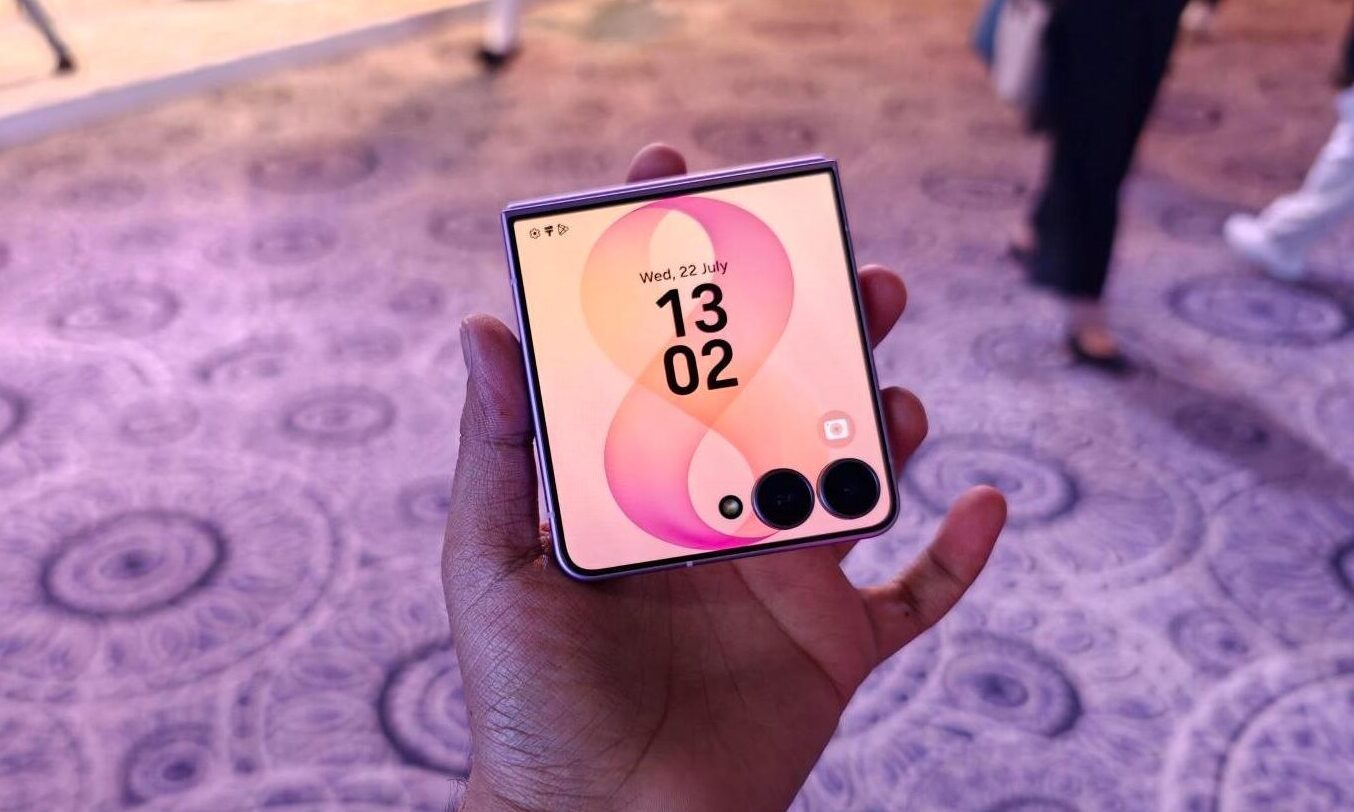
The Flip 8 takes after last year’s Flip 7. It’s Samsung’s most affordable clamshell foldable this year, as there’s no Flip 8 FE this year (unlike the Flip 7 FE). The Razr Ultra (2026) sits at the top of Motorola’s clamshell lineup this year. Before we start the comparison, I’d like you to go through the detailed specifications list. To my relief, there are plenty of differences to explain, so stay focused.
| Spec | Samsung Galaxy Z Flip 8 | Motorola Razr Ultra (2026) |
| Main Display | 6.9″, 1080×2520, 400ppi, Dynamic AMOLED 2X, 120Hz adaptive, Vision Booster | 7.0″, 1224×2992, 462ppi, LTPO AMOLED, 165Hz, 5,000 nits peak, Dolby Vision, HDR10+ |
| Cover Display | 4.1″, 1048×948, 342ppi, Super AMOLED, 60/120Hz, Vision Booster | 4.0″, 1272×1080, 417ppi, LTPO AMOLED, 165Hz, 3,000 nits peak, Gorilla Glass Ceramic |
| Refresh Rate (both screens) | 120Hz adaptive (main), 60/120Hz (cover) | 165Hz (both screens) |
| Unfolded Dimensions | 166.9 x 75.4 x 6.1mm | 171.5 x 74 x 7.2mm |
| Folded Dimensions | 85.7 x 75.4 x 13.1mm | 88.1 x 74 x 15.7mm |
| Weight | 180g | 199g |
| Build | Gorilla Glass Victus 2 (cover), Glass Fiber-Reinforced Polymer (rear), Advanced Armor Aluminum | Plastic front (unfolded), Gorilla Glass Ceramic front (folded), aluminum frame |
| Water/Dust Resistance | IP48 | IP48 |
| Main Camera | 50MP f/1.8 wide (Dual Pixel AF, OIS, 2X optical quality zoom) | Dual 50MP f/1.8 wide (PDAF, OIS) |
| Ultrawide Camera | 12MP f/2.2 ultra-wide (123° FOV) | 50MP f/2.0 ultra-wide (122° FOV) |
| Rear Video | 4K@60fps | 8K@30fps, 4K@30/60/120fps, 1080p@30/60/120/240fps, Dolby Vision, HDR10+ |
| Selfie Camera | 10MP f/2.2, 1.12μm pixel | 50MP f/2.0, 0.64μm pixel |
| Selfie Video | 4K@60fps | 4K@30/60fps, 1080p@30/60fps |
| Chipset | Snapdragon 8 Elite Gen 5 for Galaxy | Qualcomm Snapdragon 8 Elite (3nm) |
| RAM / Storage | 12GB / 256GB, 512GB (UFS 4.x) | 16GB / 512GB (UFS 4.0) |
| Battery | 4,300mAh | 5,000mAh |
| Wired Charging | 25W wired charging, up to 55% in ~30 min | 68W |
| Wireless Charging | 15W fast wireless | 30W |
| Bluetooth | v5.4 | v5.4 |
| OS | Android 17, One UI 9 | Android 16, Hello UI |
| SIM | SIM + eSIM | Nano-SIM + eSIM |
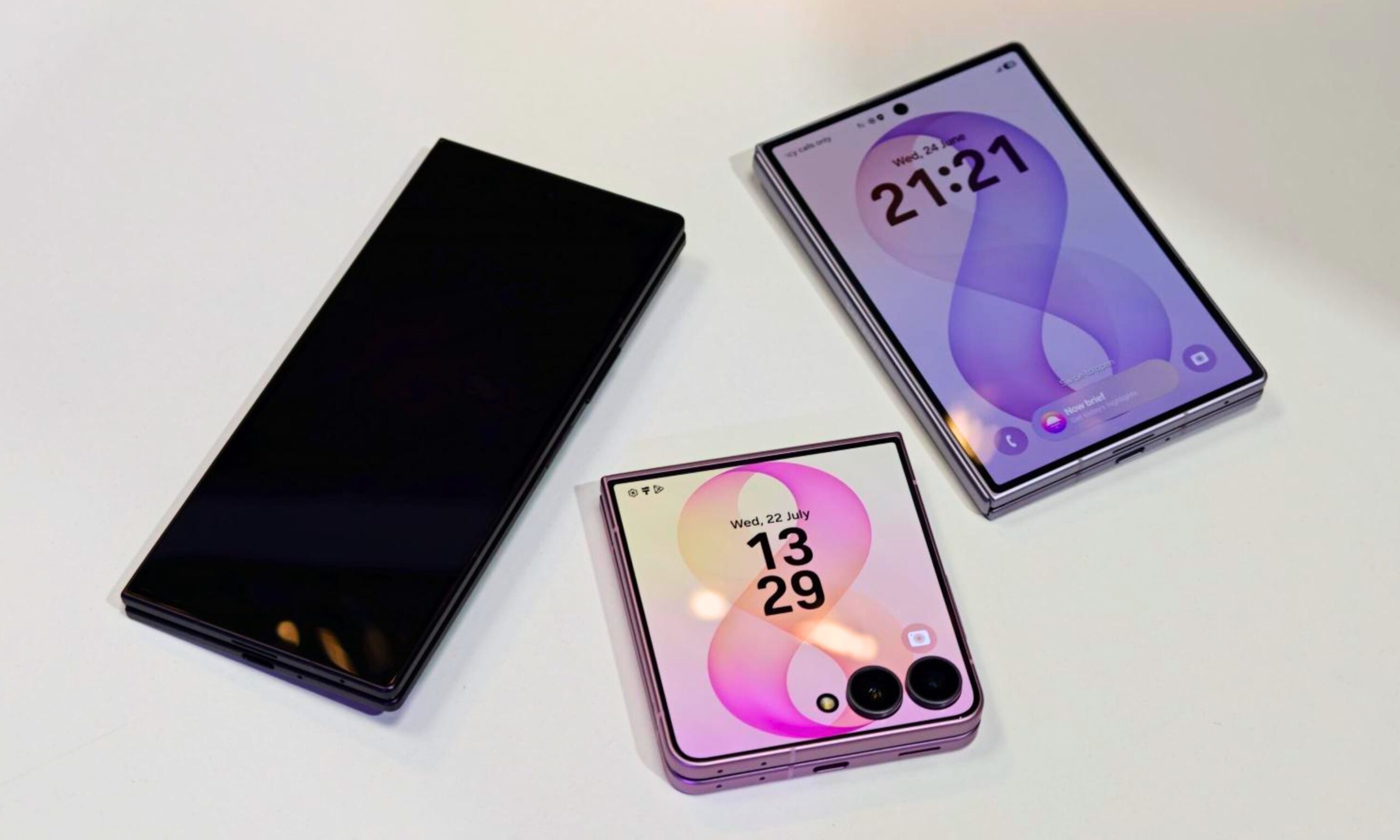
Galaxy Z Flip 8 offers a more powerful chipset at an affordable price
Right out of the box, this is the lighter (180 grams vs. 199 grams), slimmer phone by a clear margin; it measures 6.1mm unfolded against Motorola’s notably chunkier 7.2mm.
The Flip 8’s cover screen has been rebuilt as what Samsung calls an AI-native FlexWindow. It can now open apps, Now Brief insights, and actionable shortcuts without unfolding the phone.
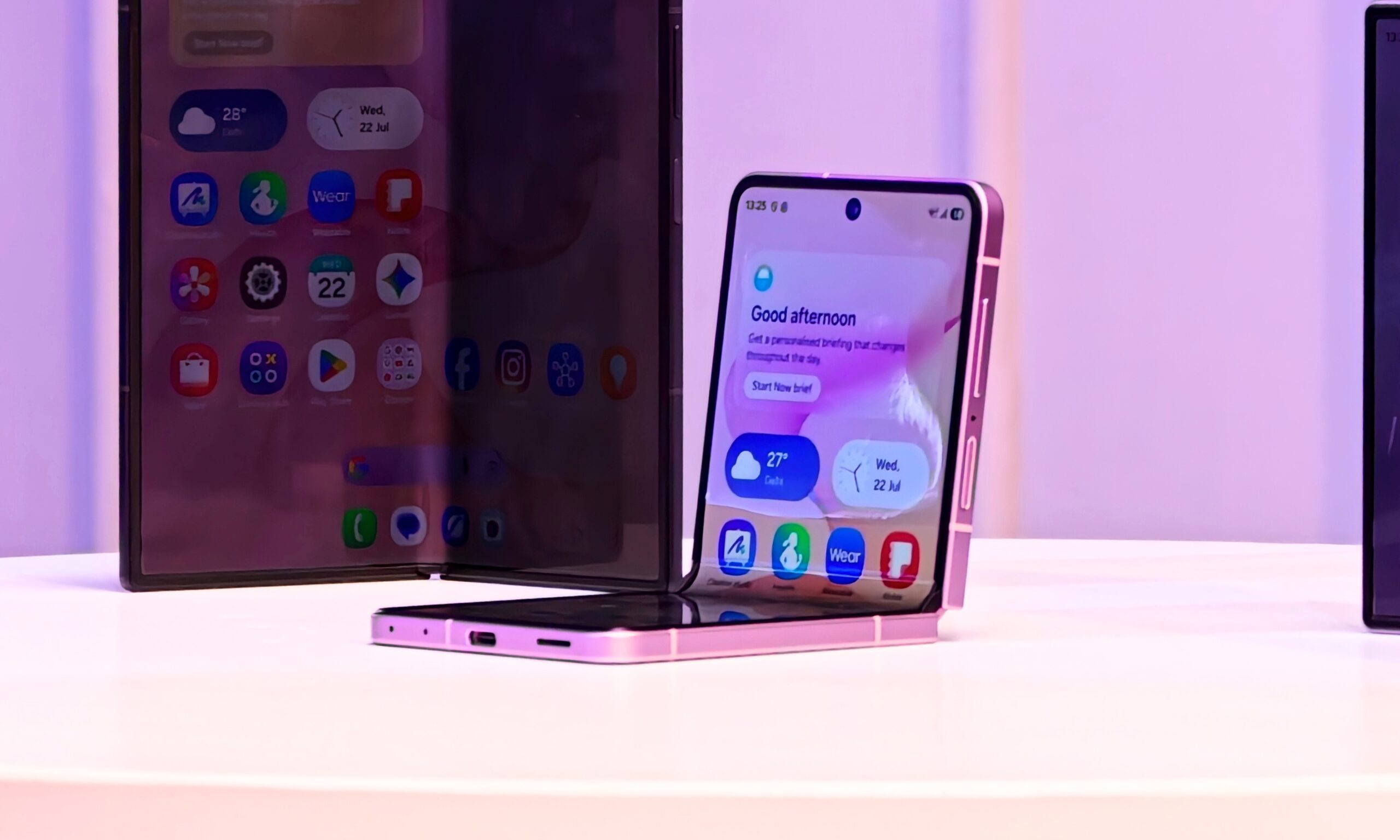
Add Gemini Intelligence on top, which can now automate tasks across more than 40 supported apps directly from that same cover display on a simple side-key press or a spoken request. In my opinion, Flip 8’s cover screen, despite being smaller and less bright, serves a better purpose of acting as a window to the full-screen experience.
Flip 8’s silicon is a similar story. It ships with the newer Snapdragon 8 Elite Gen 5 for Galaxy, a fresh chipset with CPU, GPU, and NPU gains compared to the standard 8 Elite humming inside the Razr Ultra.
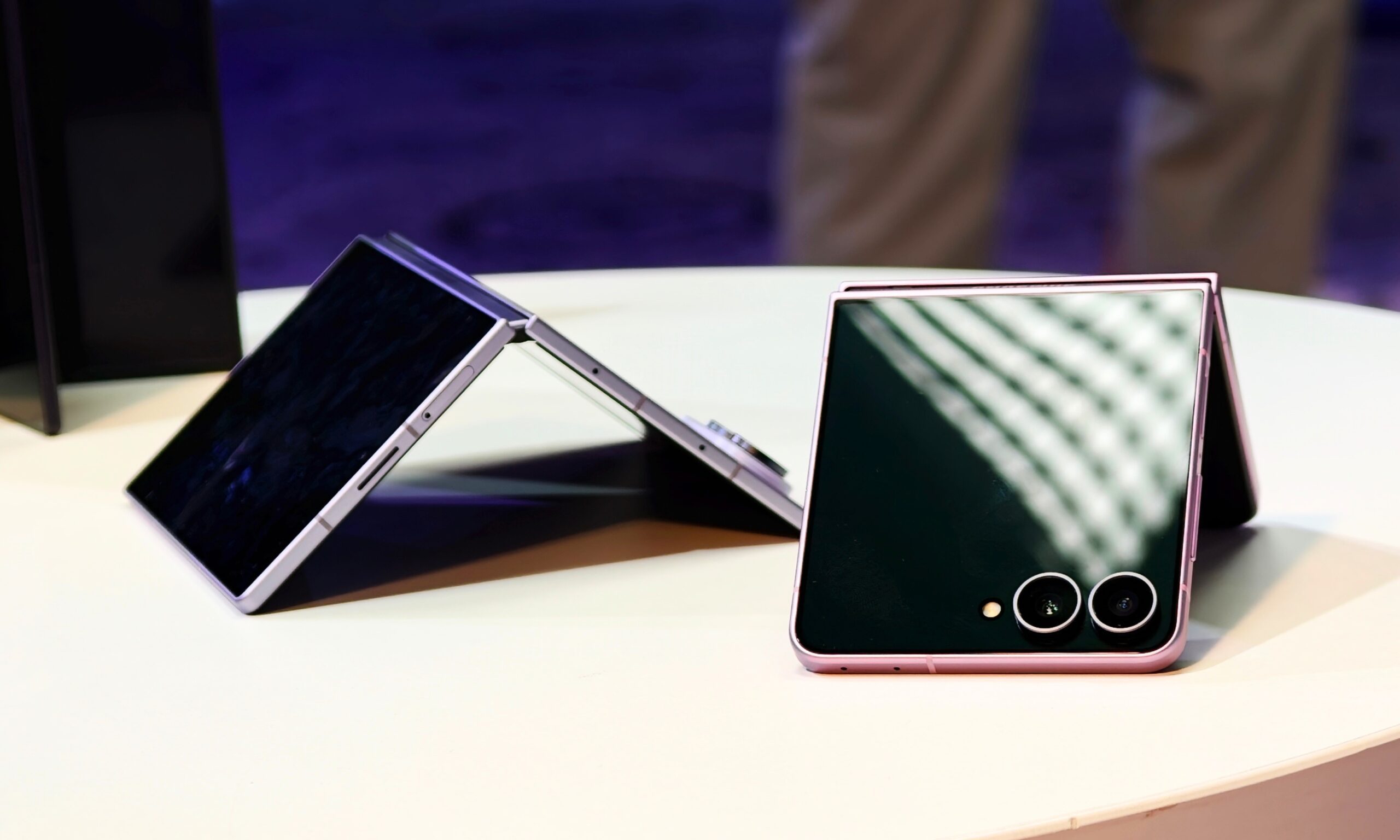
For those who won’t want to dive into the details, the Flip 8 should generally feel snappier, load apps quicker, render videos faster, and hold up better under heavy loads.
Samsung pairs the chip with One UI 9 based on Android 17, with the new FlexWindow experience, full-screen everyday app optimization, intuitive cover screen gesture controls, and the comprehensive Galaxy AI suite. Like other flagships, this one will also get seven years of operating system and security updates.
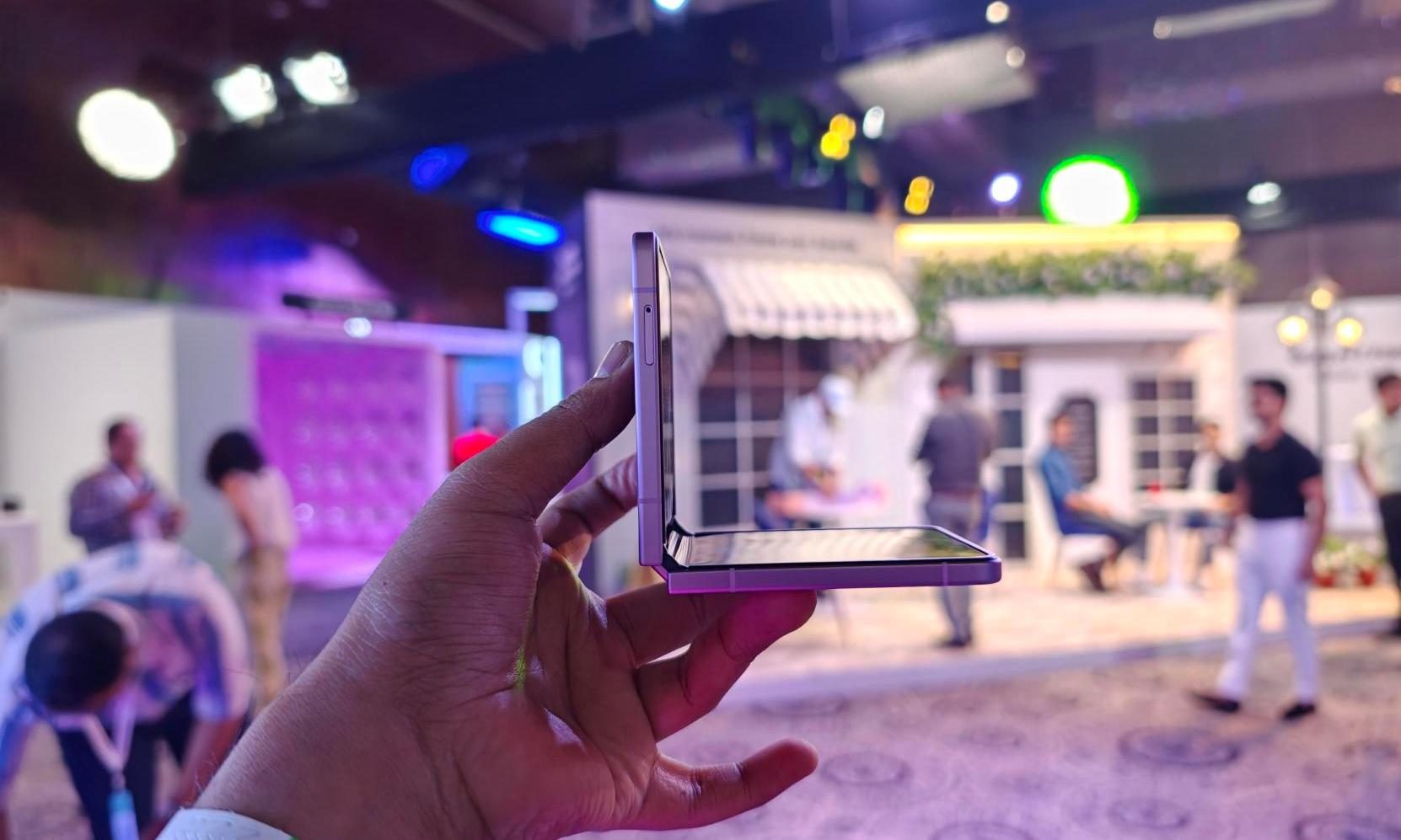
That’s not a trivial gap when Samsung’s counting on Knox-level security extras like KEEP encryption and a new AI Assistant Activity dashboard to justify its AI-heavy pitch. The Razr Ultra (2026) hasn’t received the Android 17 update yet. Even the operating system (three years) and security updates (four years) window is shorter than the Flip 8.
FlexCam rounds out the pitch nicely too, turning the sizable rear camera array into your primary selfie tool through Flex Mode hands-free framing, FlipShot mirror selfies, and Horizontal Lock stabilization, a clever workaround for a front camera that, on paper, badly trails Motorola’s.
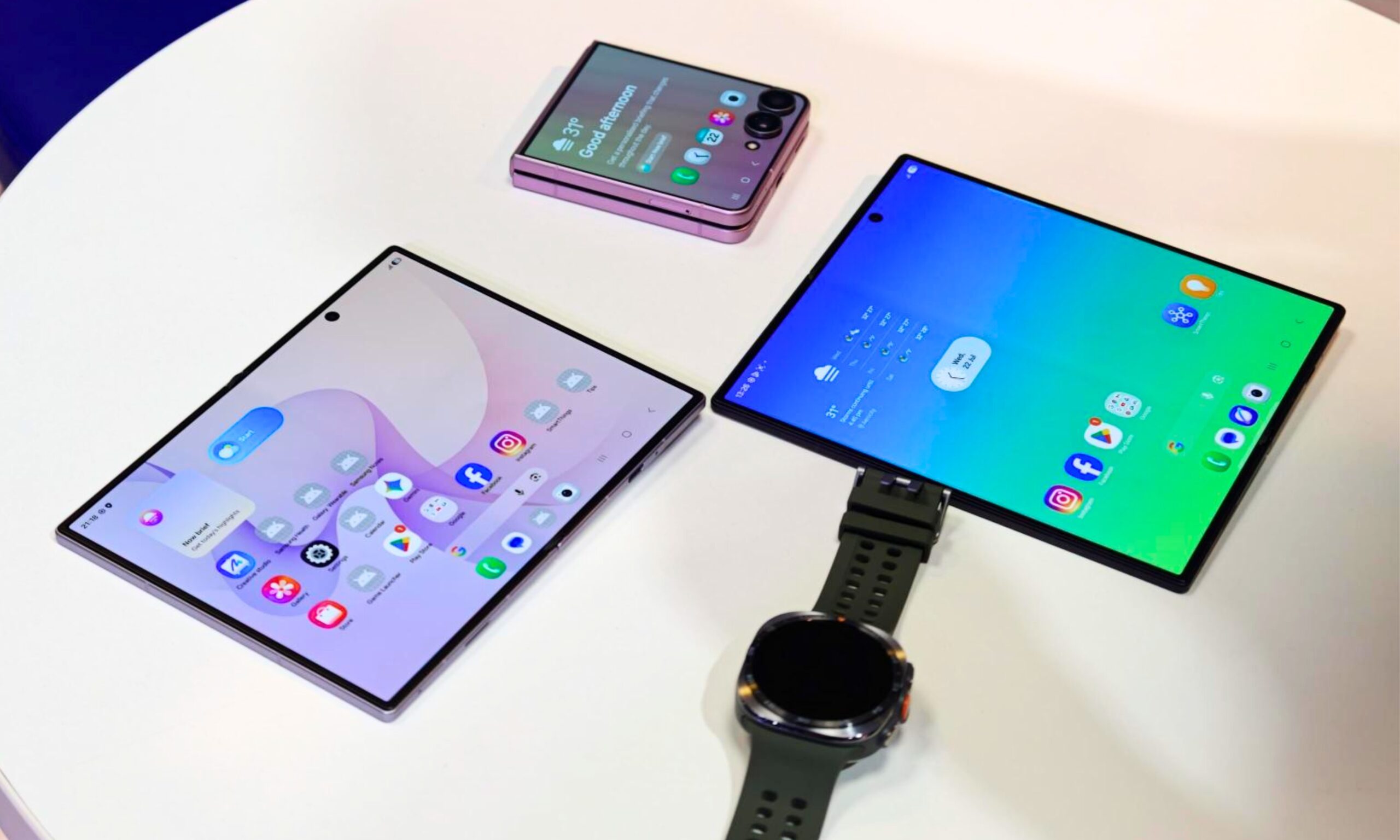
And then there’s the price. At $1,199.99 against Motorola’s $1,499.99, Samsung undercuts the Razr Ultra by a full $300 while still fielding a newer chip and a considerably fresher software stack. Clearly, Samsung is handling the memory crisis pressure much better than Motorola.
Razr Ultra (2026) offers brighter displays and a better camera array
Strip away the software and performance argument, and the Razr Ultra’s case becomes hard to dismiss. The clamshell’s 7-inch main display isn’t merely larger than the Flip 8’s 6.9-inch panel. It’s outright superior across nearly every measurable specification: 165Hz versus 120Hz, 5,000 nits (inner) and 3,000 nits (cover) peak brightness against Flip 8’s 2,600 nits.
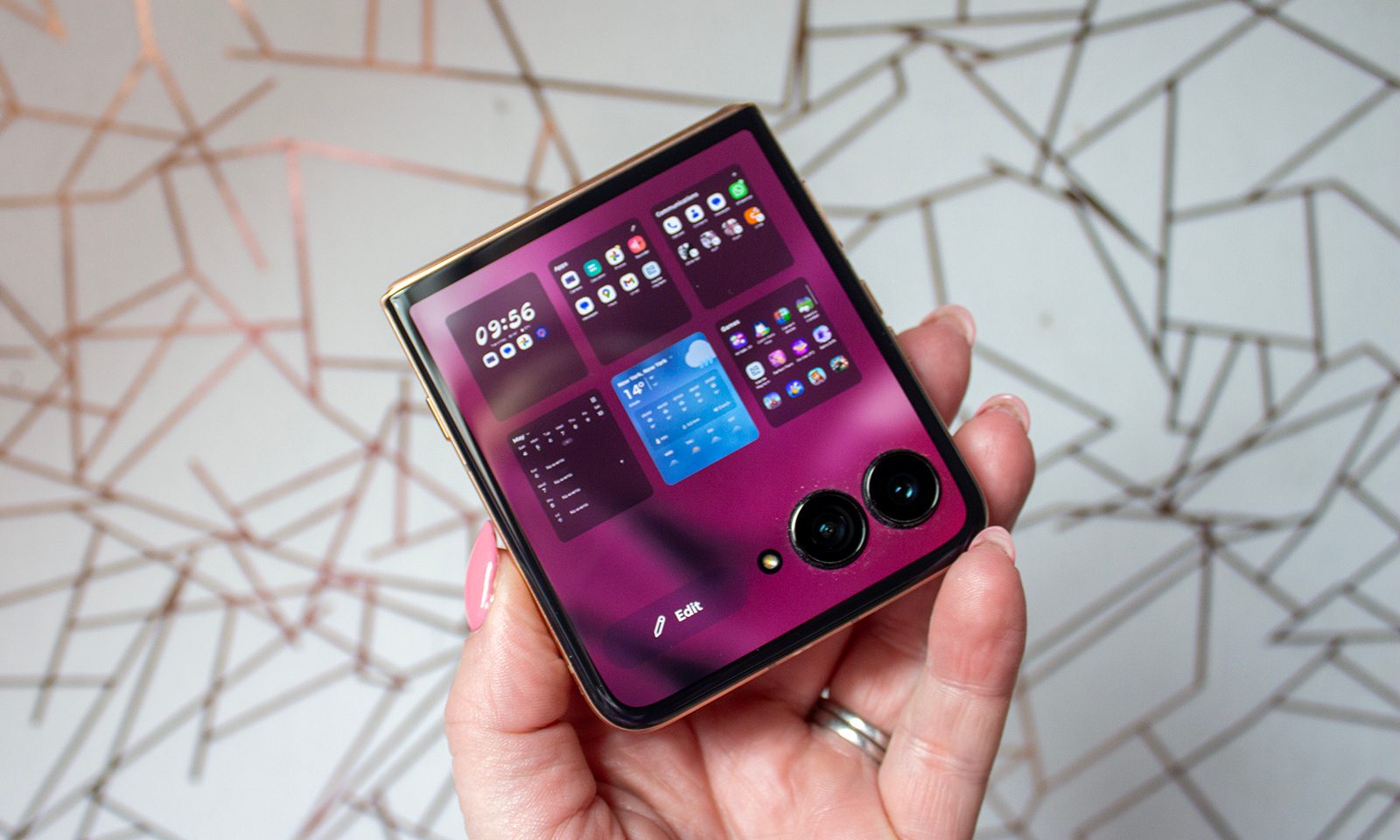
In fact, OTT content, especially those processed using high-dynamic range technologies, should come across as better on the Razr Ultra’s display, as it comes with Dolby Vision Plus and HDR10+ certification.
I’d say that the camera hardware follows the same logic. Motorola’s ultra-wide sensor packs 50MP against Flip 8’s modest 12MP unit, a gap that shows up in detail retention on wider shots; you won’t have as much flexibility to crop the shots. Razr’s 50MP selfie shooter outresolves the Flip 8’s 10MP shooter by a wide margin.
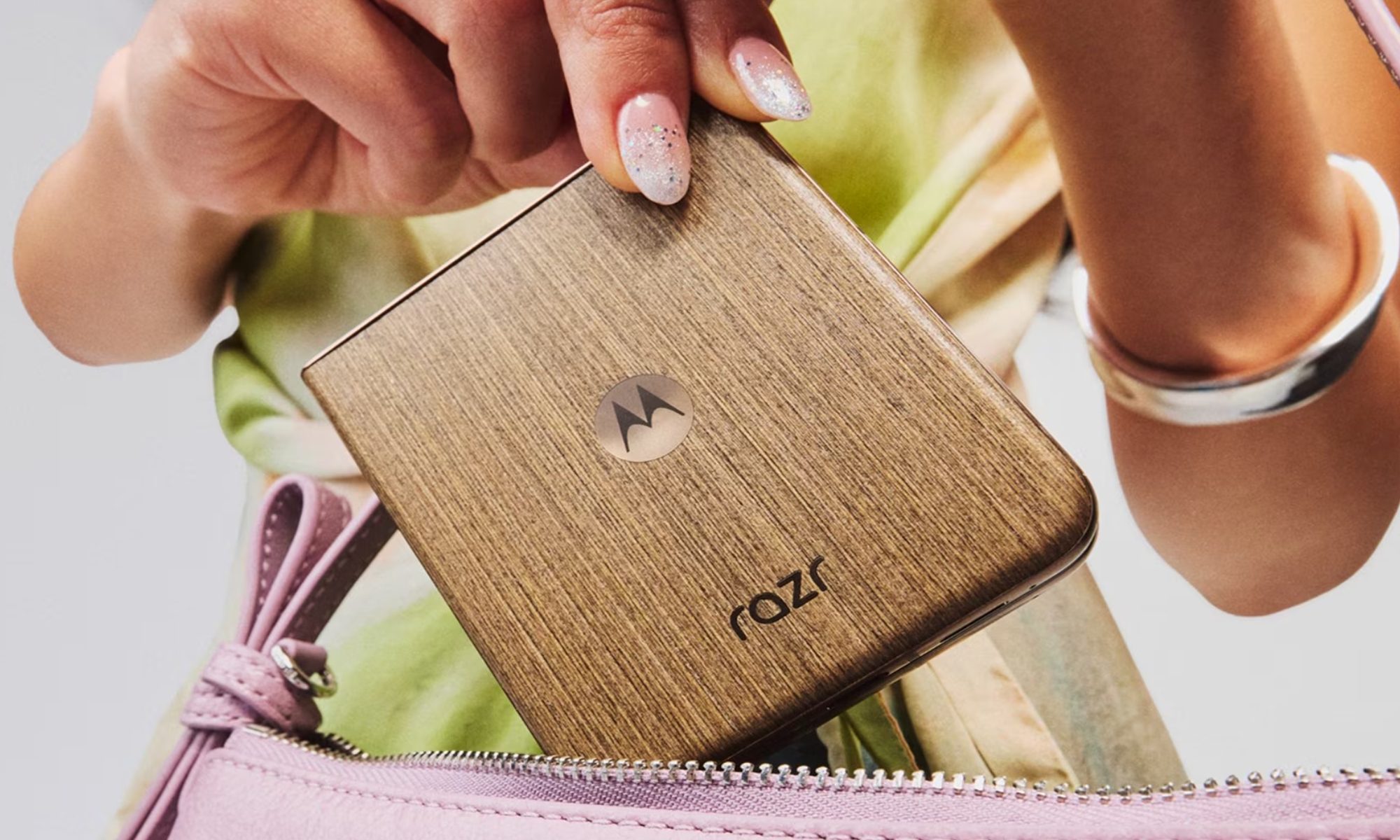
I honestly don’t know who needs it, but the Razr Ultra, despite having a slightly less powerful chipset, supports 8K video recording at 30 fps, with a full spread of 4K and 1080p frame rate options. What people are using, Dolby Vision and HDR10 video recording for platforms like Instagram and YouTube, is present on the Razr Ultra, not the Flip 8.
Battery and charging also swing decisively toward the Ultra 2026. A 5,000 mAh cell outsizes Samsung’s 4,300 mAh pack by roughly 16%, and 68W wired charging simply isn’t in the same conversation as Samsung’s 25W ceiling. Combined, the cell and the faster charging, the Ultra has a significant advantage: it should spend less time plugged in and more time in your hand or your pocket.
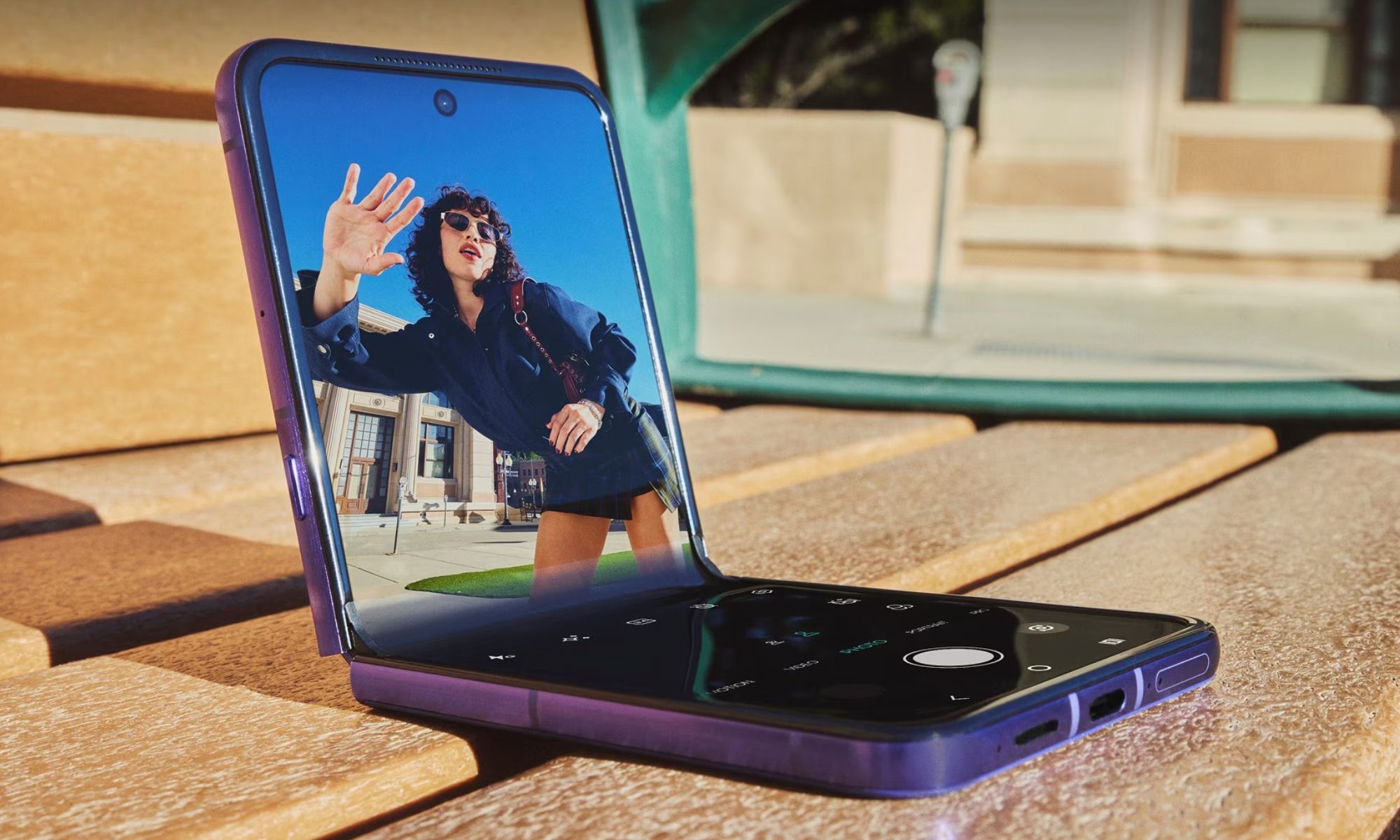
Despite featuring an older chipset, the Razr Ultra ships with 16GB of RAM and 512GB of storage. It edges out Samsung’s 12GB baseline, though buyers lose the flexibility of choosing a cheaper 256GB tier, especially since Motorola only offers one storage option.
In contrast to One UI that offers too many customization options, Hello UI is closer to stock Android. It also features a couple of AI-based features, including Catch Me Up, Look & Talk, and multi-assistant support.

So, which one should you buy?
The Flip 8 and the Razr Ultra (2026), despite sharing a similar clamshell form factor, are built for different things and, thereby, different buyers.
If you’re already in the Samsung ecosystem, perhaps you already have a pair of TWS earbuds from the company or a smartwatch, or you’re already using a One UI smartphone, and you don’t want to go through the learning curve again, the Flip 8 is the obvious choice for you. Even otherwise, the phone offers a better chipset (better for longevity), a genuinely useful AI-powered cover screen, and $300 back in your pocket; that could be the deciding factor for most buyers.
If display quality, camera resolution, a near-stock Android experience, and charging speed top your list, Motorola wins outright, full stop. I’d say one thing though. Instead of providing the Moto Buds Loop and Moto Watch with the Razr Ultra 2026, Motorola should reduce the smartphone’s upfront cost. The company doesn’t have a strong image when it comes to an ecosystem, and letting buyers get the flip phone for a more affordable price might actually help them.