
I wanted to invent an AI product so silly that no founder could turn it into a seed round.
It had to solve a problem nobody had, collect far more data than the problem deserved, and turn normal behavior into an insight that sounded vaguely disappointed in its owner. Somewhere around the third feature, it would ask for a subscription.
I started with an AI fork. It measures chewing speed, bite symmetry, and something called meal engagement. When it detects emotional eating, it vibrates gently. Premium users can ask the fork why they’re like this.
The silliest ideas I could think of
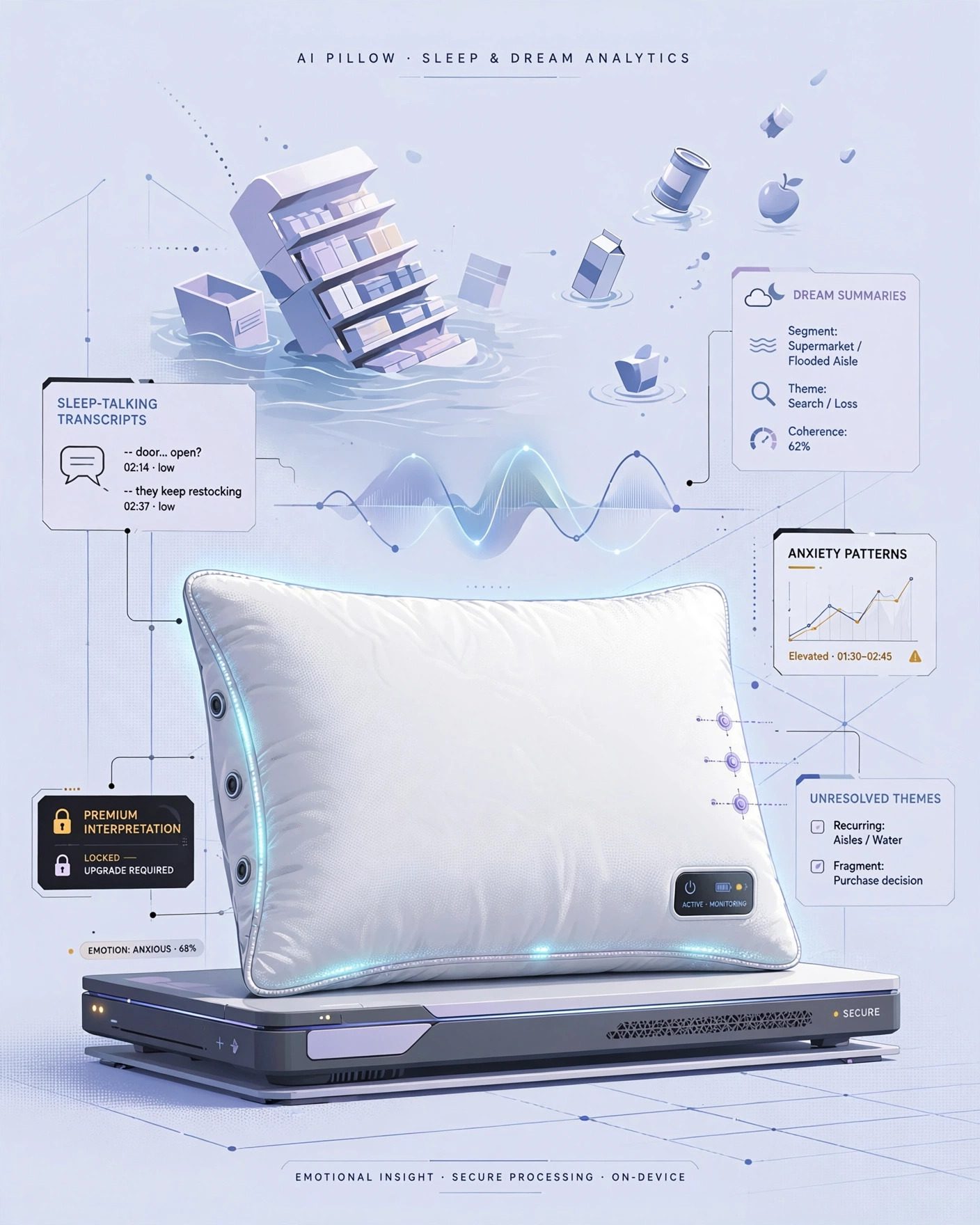
The fork only measured something pointless, so I moved on to an AI pillow that listens to your sleep talking and turns it into a morning executive summary. It identifies recurring anxieties and asks whether last night’s dream about a chicken with human teeth reflects uncertainty around your personal brand™.
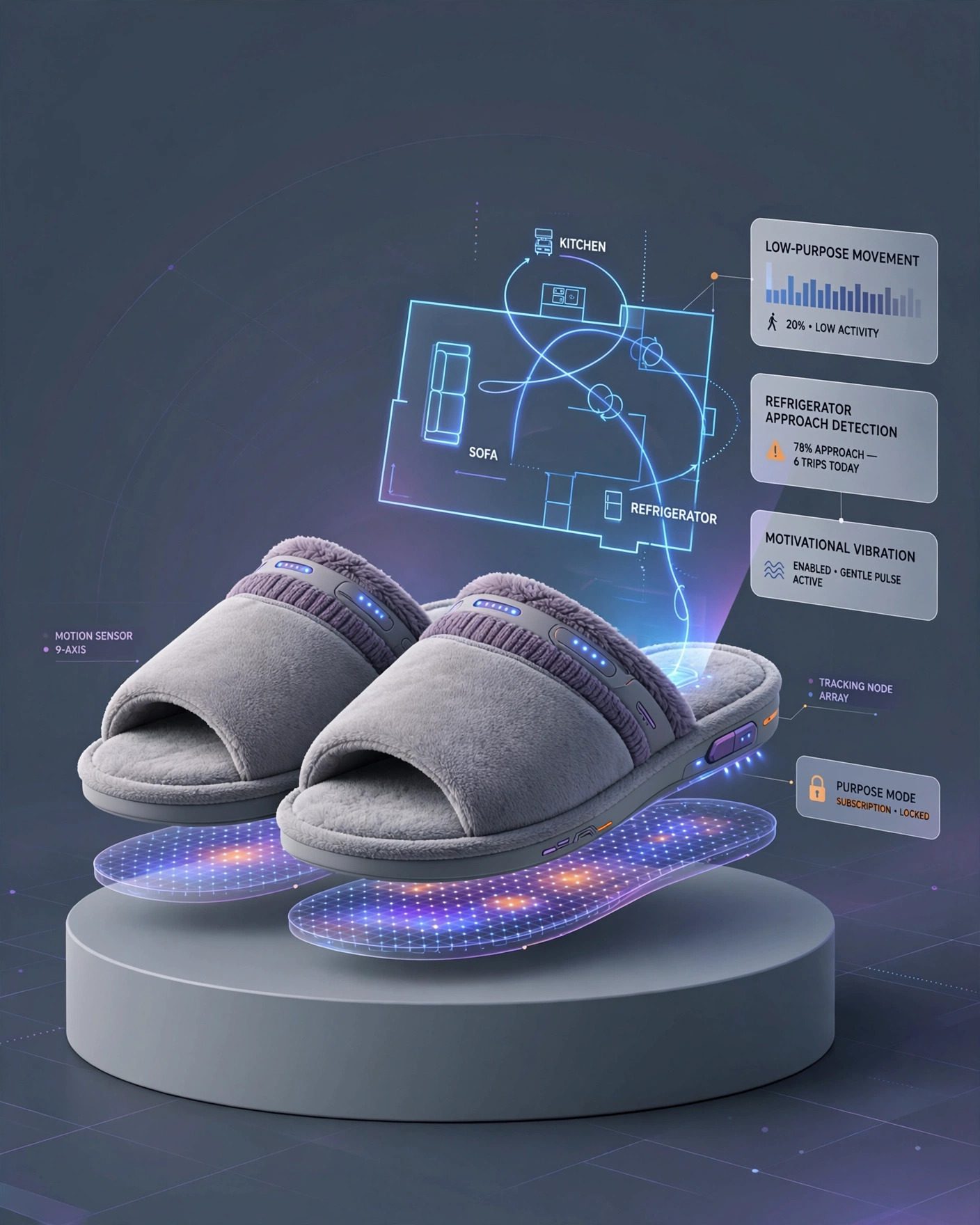
Then came slippers that map every defeated lap around the kitchen. They know when you’re walking toward the refrigerator without a clear objective, vibrate when they detect low-purpose movement. Purpose Mode costs $8.99 a month.
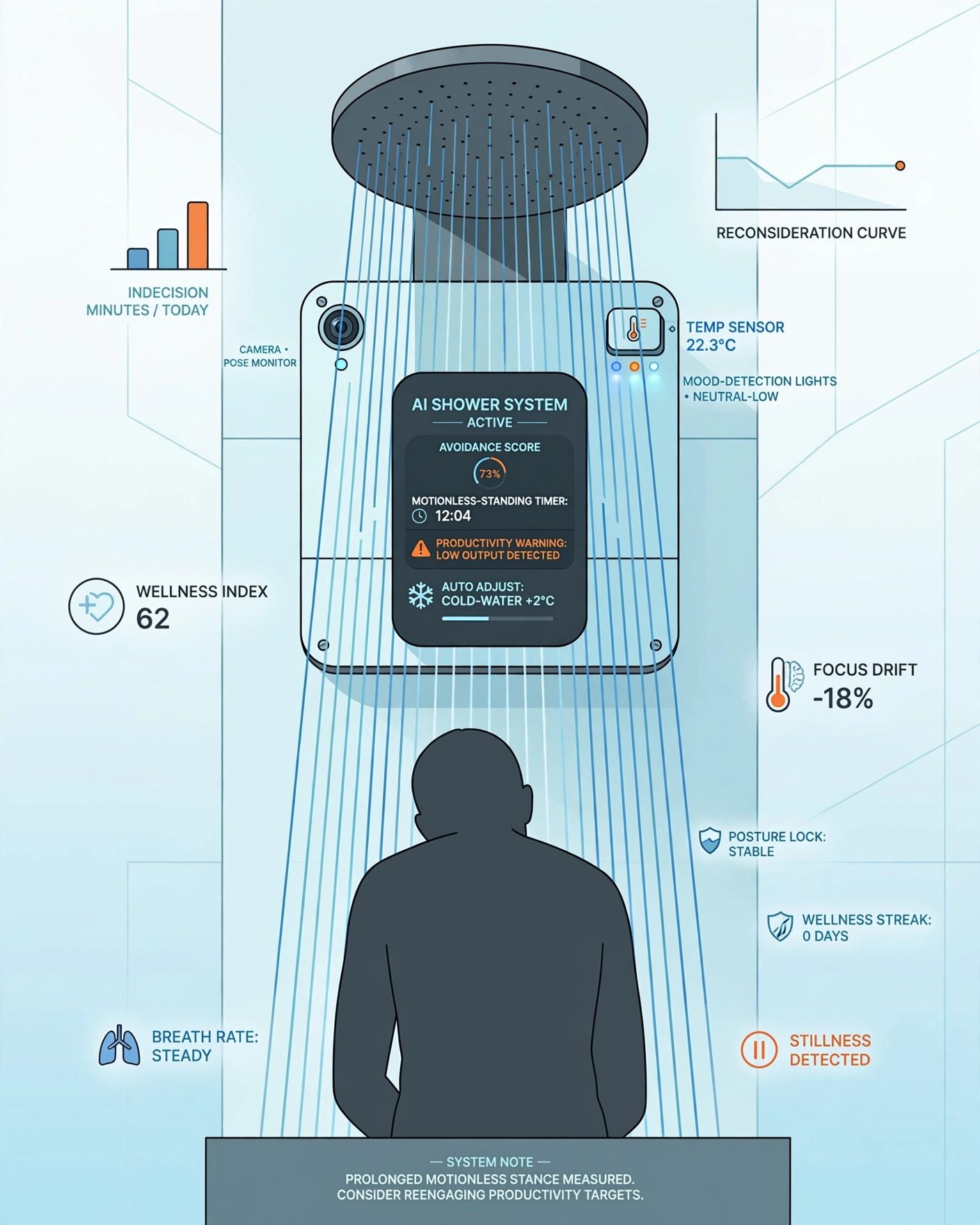
My AI shower is more proactive. It measures how long you stand under hot water reconsidering your choices, then lowers the temperature whenever your outlook becomes insufficiently entrepreneurial.
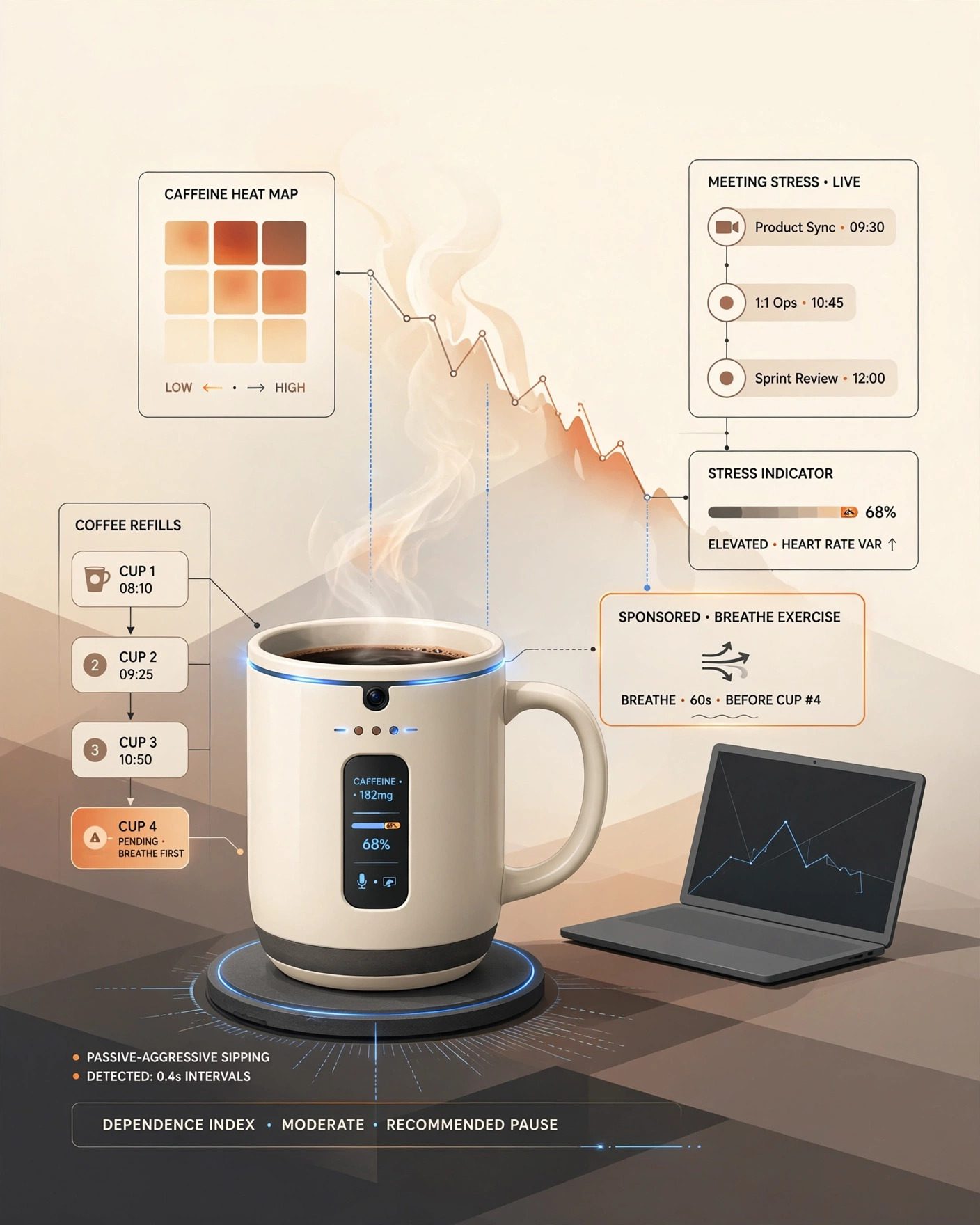
The coffee mug drags the technology into the workplace. It links each refill to the meeting that caused it and detects passive-aggressive sipping during video calls. The chair takes things further by tracking posture, procrastination, and low-authority sitting. It notices whenever you open a document and immediately check your phone, then sends a weekly performance summary to your manager.
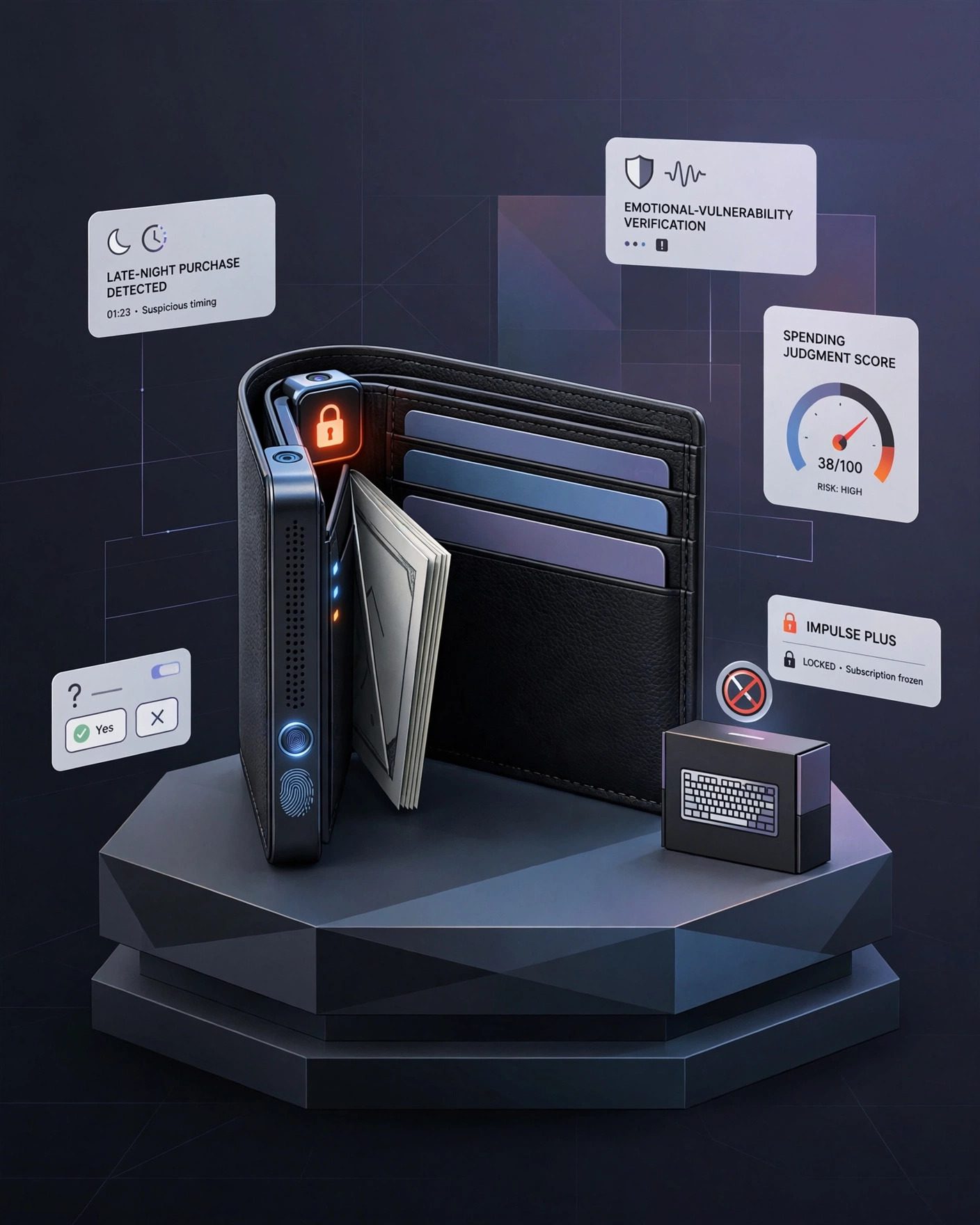
Next came a wallet that announces bad financial decisions aloud at checkout. After midnight, it locks itself unless you’ve activated Impulse Plus. Anyone experiencing emotional vulnerability has to verify their identity through a short quiz about whether they really need another mechanical keyboard.
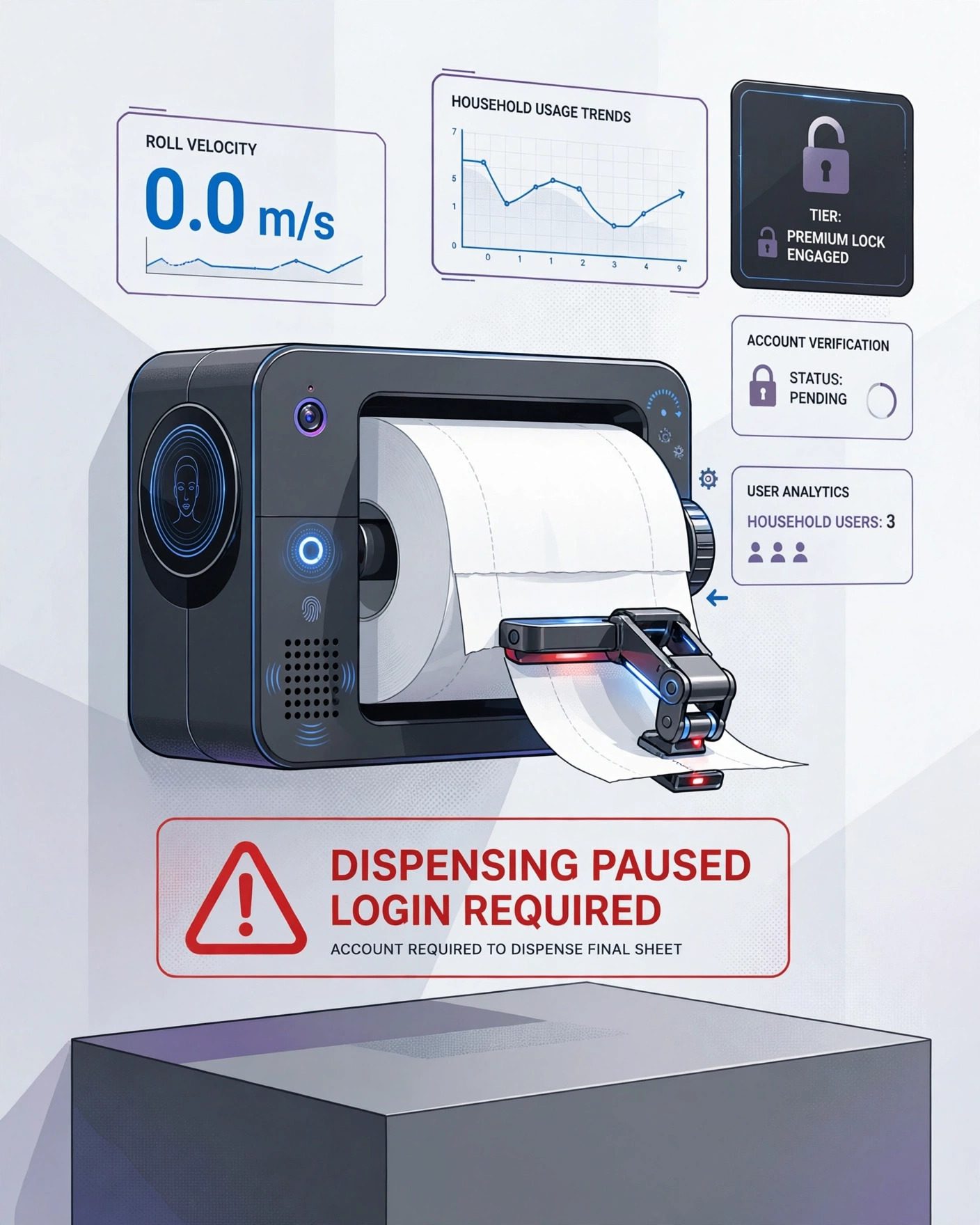
For my final product, I designed a toilet-paper holder that studies roll velocity, generates household digestive trends, and requires account creation before it’ll dispense the final sheet.
That one felt safely beyond anything a real company would build.
Unfortunately, I made all of those up
None of those products are real. At least, they weren’t when I wrote them down.
The judgmental fork already has relatives. The Epitome e1 is an AI toothbrush fitted with more than 100 sensors. It maps teeth into 100,000 pixels, detects contamination, and generates detailed oral-health insights.
I went looking for an object that could monitor my mouth and found that the industry had already arrived there.
The imaginary pillow also has competition from companion devices built to listen, remember, interpret moods, and respond emotionally. Razer’s Project Ava watches its owner through a camera, sees what’s happening on a computer screen, and offers advice through a holographic character. Loona promises conversation, games, home monitoring, and companionship through ChatGPT.

The surveillance products get harder to parody around pets. PETKIT’s Purobot Max Pro 2 uses an AI camera, facial recognition, weight sensors, and separate profiles for multiple cats. It records bathroom visits, photographs stool and urine clumps, listens for distressed yowling, and sends health alerts through an app.
That information could help an owner catch a medical problem early. It also means one of the most technically advanced cameras in a modern household may spend its life documenting cat poop.
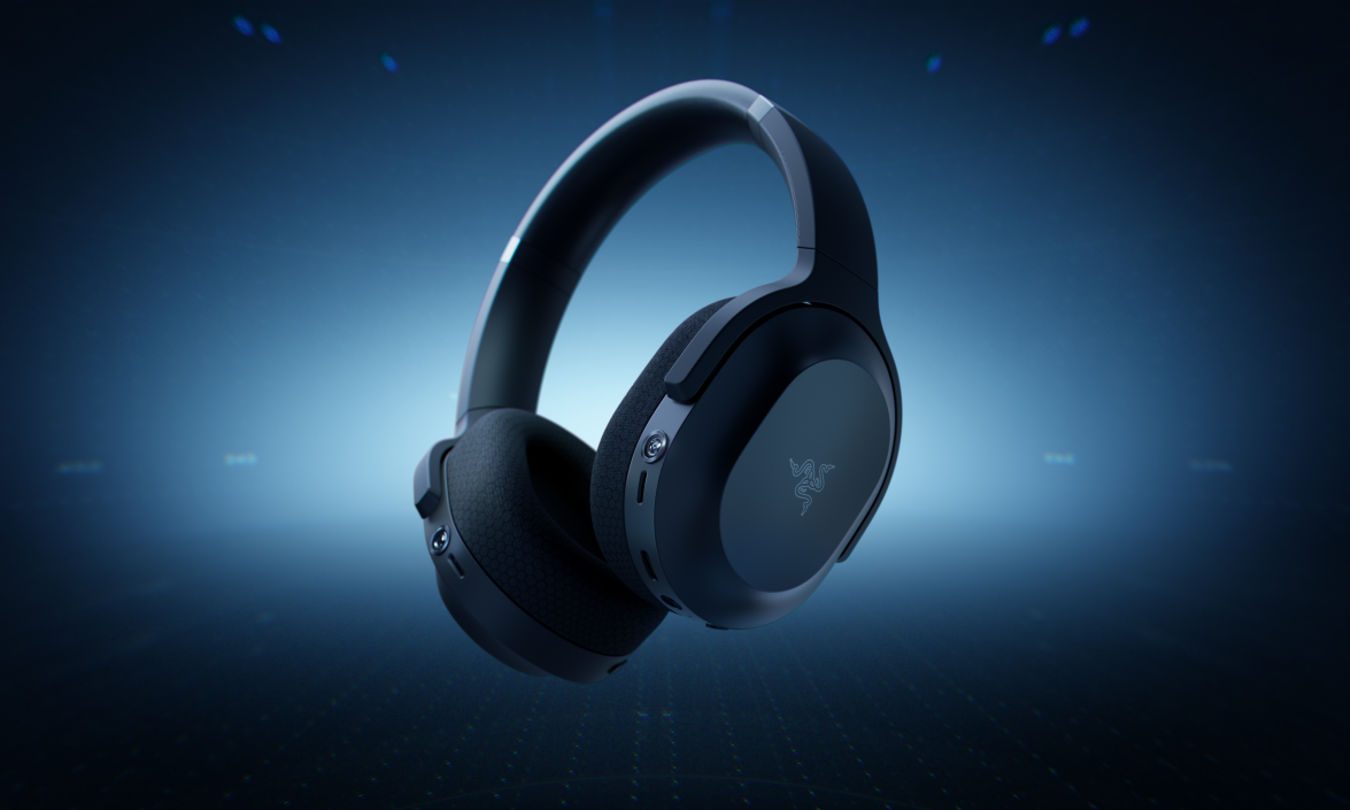
My imaginary mug monitored one corner of the day. Razer’s Project Motoko wants the full picture. The concept headphones place two 4K cameras near the wearer’s face while microphones capture voices and surrounding audio. An AI assistant can interpret whatever the wearer sees, translate signs, identify objects, suggest recipes, and offer workout guidance. Apparently, headphones that listen to everything still lacked context, so somebody gave them eyes.
Even kitchen appliances have joined the production crew. LG has shown ovens and microwaves with internal cameras that recognize food, monitor cooking, and create recap videos. Dinner can now be observed repackaged as content before anyone’s decided whether it tastes good.
My fictional products were supposed to become gradually less believable. Reality kept refusing to cooperate.
The eight-step plan for putting AI in anything
After comparing the fake products with the real ones, I think I’ve reverse-engineered the process.
- Find an object that already works without an account.
- Add cameras, microphones, or enough sensors to monitor a regional airport.
- Rename all that surveillance as personalization.
- Turn an ordinary habit into a score.
- Generate advice.
- Put the history, interpretation, or useful setting behind Premium.
- ???
- PROFIT
The finished product doesn’t necessarily complete the task. It watches you complete the task, grades the attempt, and sends a notification explaining where you could improve.
Companies keep mistaking the ability to observe something for the ability to help with it.
Congratulations, your toothbrush is now your manager
A useful appliance reduces effort. A middle manager measures effort.
A lot of these AI gadgets behave like the second one. The toothbrush reviews your technique while you do the actual cleaning. The mirror studies your face and recommends improvements while you get yourself ready. The headphones play music, watch the world, interpret it, and decide what information deserves your attention.
Some of that information may be useful. A litter box that notices a sick cat has identified something worth knowing. An oven that keeps dinner from burning has actually completed a useful job. The problem begins when every mundane activity produces a score, trend, summary, alert, recommendation, or warning about personal growth.
I already know I drink too much coffee during bad meetings. I don’t need the mug building a case file.
I bought an object and received a relationship
Adding AI can also turn a finished product into an ongoing administrative commitment.
The object needs an account. The account needs permissions, and the app wants notifications. The firmware needs an update. The camera misunderstands what it saw, so the owner has to correct it. The cloud service produces a report that has to be opened, interpreted, dismissed, or upgraded.
A toothbrush once asked for toothpaste. The intelligent version may want your email address, Wi-Fi password, date of birth, and consent to a privacy policy nobody has ever read voluntarily.
That relationship also depends on the company staying interested. When the intelligence lives on a server, the manufacturer controls how long the feature survives, which insights remain available, and whether tomorrow’s most useful setting becomes part of a paid plan.
That’s a lot of uncertainty to attach to an object whose previous version already worked.
I still think the toilet-paper holder is too absurd to become real. Unfortunately, I’ve now described the features, identified the business model, and published the idea online.