
Every time I switch from any Android phone to a Pixel, there’s one small gesture missing that always annoys me. From a modern Galaxy phone or even a device from Xiaomi, I can double-tap an empty part of the home screen and immediately turn the display off. Samsung has offered a double-tap to turn off the screen since Android 11. On a Pixel, I still have to reach for the power button.
To be fair, Google isn’t the only offender, and Motorola’s stock Android phones, like the Razr Fold, also skip such a basic feature. But this might be changing soon. Android Authority has discovered updated code strings inside Android 17 QPR2 Beta 3 pointing to Google’s long-in-development double-tap-to-sleep feature. Better still, Google appears to have expanded it beyond the lock screen and onto the home screen, which is exactly where I want it.
I need this to ship ASAP
Double-tap an empty area on either the home screen or lock screen, and the display turns off. Android Authority also found strings referring to a dedicated settings page where users could enable or disable the gesture. Google had previously been working on a narrower implementation, which was initially uncovered in Android 16 QPR1 Beta 1 last year.
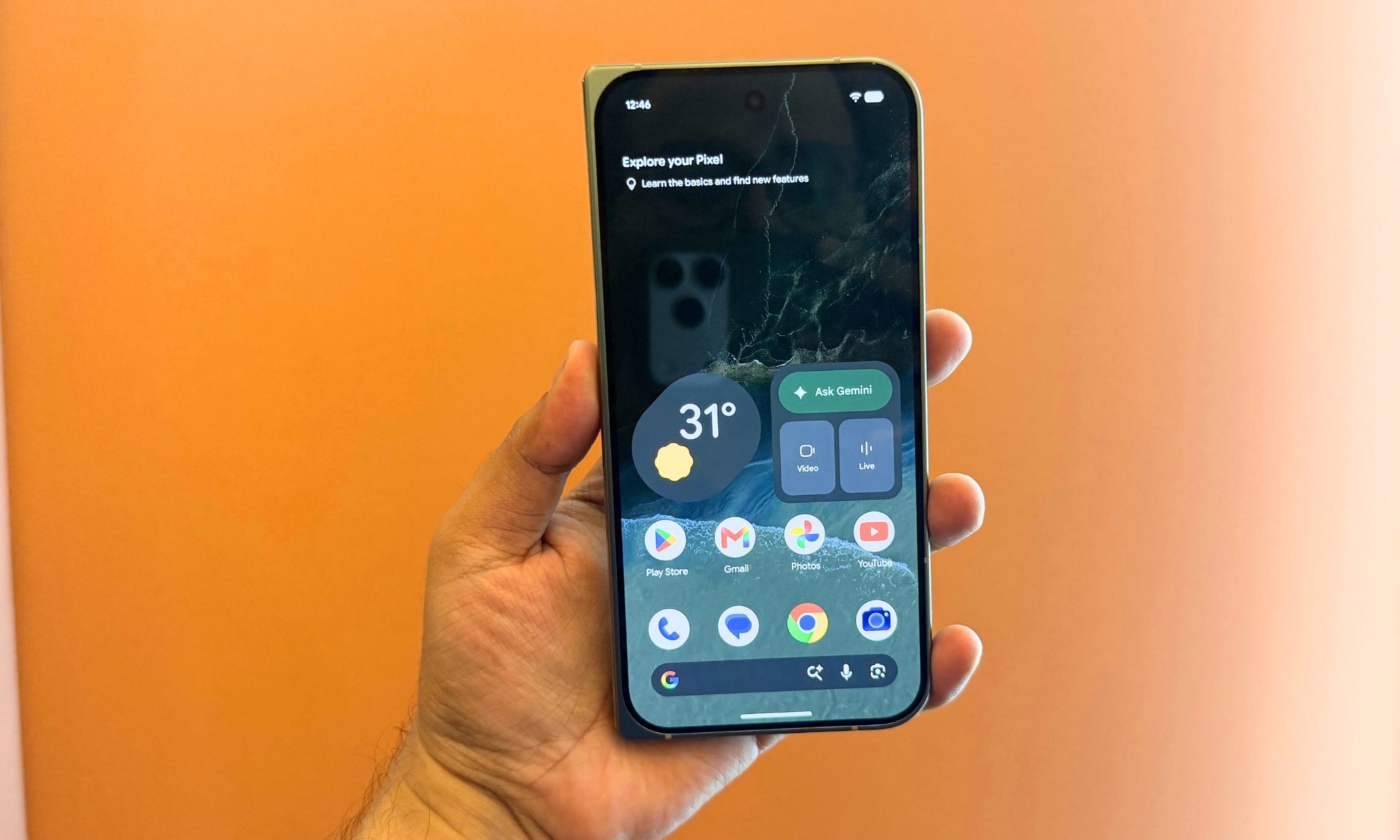
Back then, its description only mentioned double-tapping an empty area of the lock screen. More than a year later, the updated string now explicitly mentions the home screen as well. There’s even underlying support for this concept in Android’s framework. AOSP contains a “config_supportDoubleTapSleep” setting describing double-tap gestures on non-action areas of the lock screen and launcher workspace, but it is disabled by default in the referenced configuration.
Almost every other brand made me want it
I know double-tapping a screen to turn it off sounds painfully minor. After using phones that support it, I miss it almost immediately when I go back to a Pixel. It lets me put my phone down, tap the screen twice, and walk away. This is a lot more convenient than always having to press the power button. Larger phones get the most benefit; picture a model like the Pixel 11 Pro XL or Pixel 11 Pro Fold, since you don’t have to reposition your hand just to hit the power key.
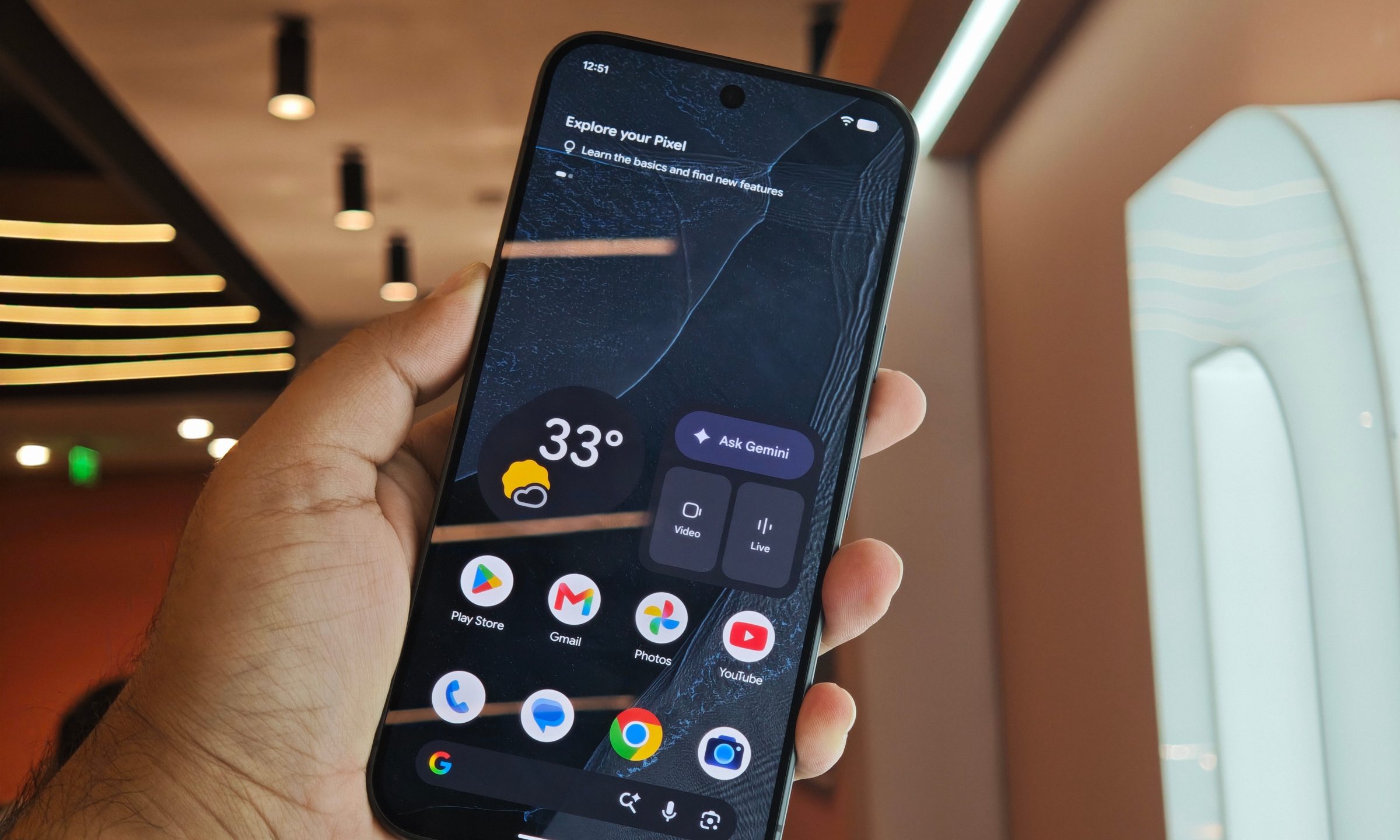
Google is arriving very late to this particular party. And yet, you still can’t actually enable the feature on a Pixel–at least not yet. This was discovered only through an APK teardown, and work-in-progress strings are never a guarantee that something will reach the public release. Google’s official Android 17 QPR2 Beta 3 release notes don’t announce the gesture either.
So I’m hoping that changes quickly. Android 17 already gives Google plenty of opportunities to make the Pixels smarter. Though sometimes the real quality-of-life upgrade is just a simple tap or two. With the latest Pixel 11 series devices having models that cost north of $1000, missing something so basic is pretty frustrating.