
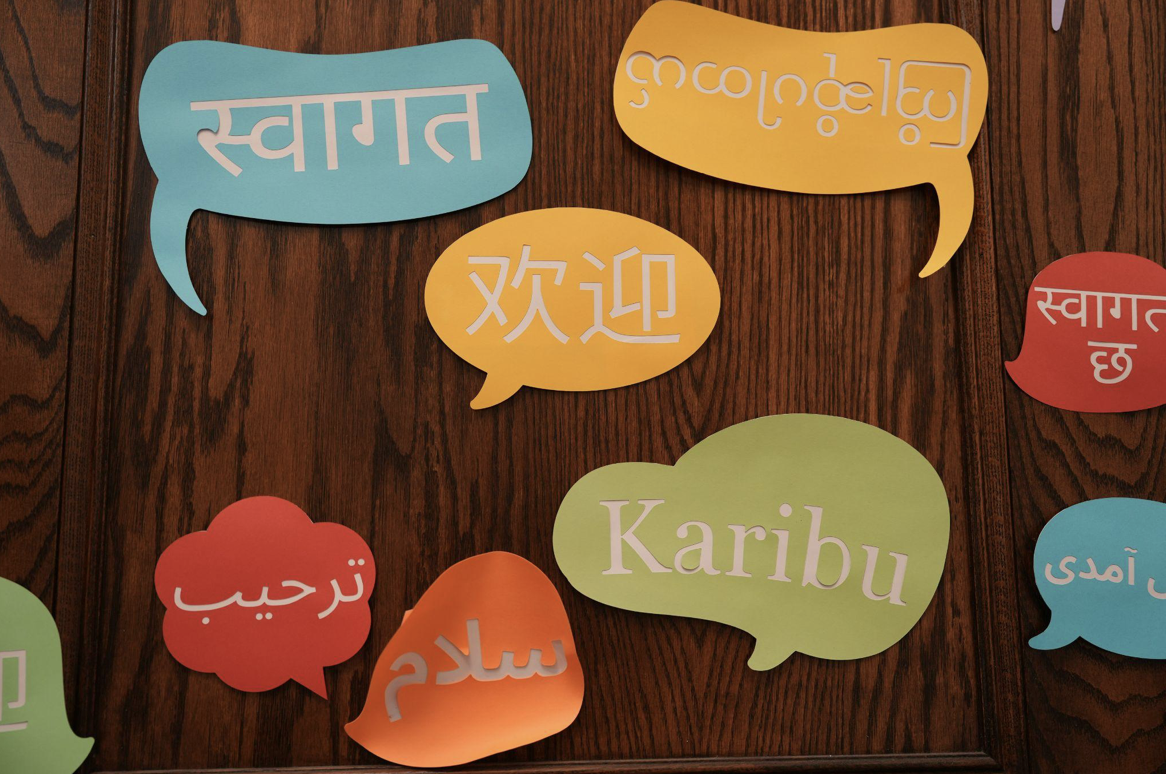
Language is more than a tool for communication—it is a vessel of identity, beliefs, and culture. Across societies, the way people speak offers insight into their values, opinions, and histories. Language reflects social shifts, adapts to new realities, and influences how we perceive the world. It can shape our sense of belonging and allow us to move between cultural spaces with ease or tension.
When people share a language, even partially, they often feel a deeper connection. In our globally connected world, Shai Hamu says that understanding the dynamics of language—how it forms, transforms, and functions—can help bridge cultural gaps and preserve diversity. Its impact reaches beyond words, impacting how we think, relate, and live together.
Language as a Mirror of Culture
The way people speak reveals a great deal about their cultural background. Words, phrases, and expressions often carry meanings shaped by history, values, and social customs. When someone greets others with a bow, a handshake, or a kiss on the cheek, each action reflects a deeper cultural code embedded in language and behavior.
In Japanese, there are multiple ways to say “I” depending on formality and social hierarchy, revealing the importance of context and respect. Similarly, regional idioms in the American South, like “bless your heart,” carry meanings that go beyond the literal, shaped by local tradition and tone. Language holds these cultural layers, even in everyday conversations.
The Role of Language in Shaping Thoughts
Language doesn’t just communicate ideas—it also guides how we form them. The structure of a language can subtly influence how its speakers perceive time, space, or emotion. In some Indigenous Australian languages, directions are given using cardinal points rather than left and right, fostering a deep, instinctual sense of direction.
Colors, too, are perceived differently across languages. Russian, for example, distinguishes between light and dark blue with separate words, which affects how speakers categorize and notice shades. The vocabulary available in a language can gently shape the way people understand their surroundings.
Language and the Sense of Belonging
The way we speak often signals where we come from and who we identify with. A shared accent or dialect can create an instant bond, a feeling of being understood without explanation. This kind of connection builds a sense of community, especially in places where language becomes a marker of identity.
Shifting between languages or dialects—code-switching—often reflects the need to navigate different cultural or social spaces. A person might speak one way at home and another at work, not out of confusion, but as a way to belong to more than one world. Language becomes both a bridge and a boundary. In multilingual families, this switching can even become a form of emotional expression, with certain feelings easier to express in one language over another.
Language Change and Social Evolution
Language is always in motion, shaped by the forces of society, politics, and technology. New slang emerges from online spaces, and old words adapt to fit current realities. Terms like “ghosting” or “doomscrolling” didn’t exist a decade ago, yet now they carry meaning that reflects modern life.
Words borrowed across cultures can shift in meaning once adopted, blending into local usage with new nuances. This constant change mirrors shifting values and priorities, making language a living record of social evolution. Even spelling and grammar rules bend under popular usage, as informal communication reshapes the expectations of written language.
Multilingualism and Cultural Dynamics
Speaking more than one language offers a richer lens through which to view the world. Bilingual individuals often navigate multiple cultural norms, shifting between them with fluidity. This ability can broaden empathy and deepen understanding across communities. It’s not uncommon for multilingual people to express certain ideas more naturally in one language than another, depending on emotional or cultural context.
At the same time, multilingual societies face unique challenges, including language preservation and equitable communication. When a dominant language overshadows indigenous tongues, cultural expressions risk being lost. Balancing linguistic diversity requires conscious effort and policy. Education systems, media representation, and public institutions play crucial roles in maintaining this balance.
Language in Cultural Context
The way people phrase requests, tell stories, or joke with one another is rarely universal. In some cultures, indirectness is a sign of politeness, while others value blunt honesty. These subtle cues guide daily interactions and reflect deeper social expectations. Even how silence is used in conversation can hold distinct meaning, signaling respect in one culture and discomfort in another.
Even humor varies widely. A pun that delights one group might fall flat with another due to cultural references or timing. Every day, language carries with it the weight of tradition, etiquette, and shared understanding, shaping how people connect in ordinary moments. Greeting rituals, storytelling styles, and idioms all play into how individuals express themselves within a cultural framework.