
Daily Guardian UAEDaily Guardian UAE
  • Home
  • UAE
  • What’s On
  • Business
  • World
  • Entertainment
  • Lifestyle
  • Sports
  • Technology
  • Travel
  • Web Stories
  • More
    • Editor’s Picks
    • Press Release
What's On

Reportage, Sabah Investment Unveil Sea Breeze Projects in Baku

October 16, 2026

Dell Study: How UAE Organizations Are Building AI-Ready, Secure IT

October 16, 2026

KASCO Developments launches FALA by KASCO: A home that flows with life

October 16, 2026

Al Sharqi Shipping inaugurates AED 70 million multi-temperature integrated logistics and distribution hub at Dubai Industrial City

October 16, 2026

AI slashes content production costs by 95%, but audience loyalty remains the real competitive advantage, SIF 2026 hears

October 16, 2026
Facebook X (Twitter) Instagram
Finance Pro
Facebook X (Twitter) Instagram
Daily Guardian UAE
Subscribe
  • Home
  • UAE
  • What’s On
  • Business
  • World
  • Entertainment
  • Lifestyle
  • Sports
  • Technology
  • Travel
  • Web Stories
  • More
    • Editor’s Picks
    • Press Release
Daily Guardian UAEDaily Guardian UAE
Home » TikTok, Instagram, Snapchat, and YouTube are failing kids with broken safety features, research finds
Technology

TikTok, Instagram, Snapchat, and YouTube are failing kids with broken safety features, research finds

By dailyguardian.aeJuly 1, 20262 Mins Read
Share
Facebook Twitter LinkedIn Pinterest Email

Social media platforms have spent years telling parents their children are safe online. New research suggests those assurances don’t hold up. A report from the Cybersafety Research Center tested 86 child safety features across TikTok, Instagram, Snapchat, and YouTube. Only 35 worked as promised, and the rest were broken, buried in settings, or missing entirely.

Which social media platforms performed the worst on child safety?

To run the tests, researchers created fake teen accounts and adult accounts to see whether safety features worked in practice. Snapchat had the worst failure rate at 73%, followed by Instagram at 66%, YouTube at 55%, and TikTok at 50%. Every conduct safeguard designed to prevent cyberbullying failed across all four platforms.

On TikTok, a minor’s test account searching for content related to disordered eating was met with the app’s own suggestions for terms linked to pro-anorexia communities, including phrases about hiding food and self-harm.

On Snapchat, an adult test account was able to find and message a child account without any restrictions at all. Meanwhile, Instagram prevented adults from starting conversations with teens who didn’t follow them, but once a child messaged an adult first, that adult could reply freely with no warnings.

Across all four platforms, nine features were classified as completely missing, meaning researchers could not trigger them even after following the steps each company described.

How the platforms responded and what this means for child safety online
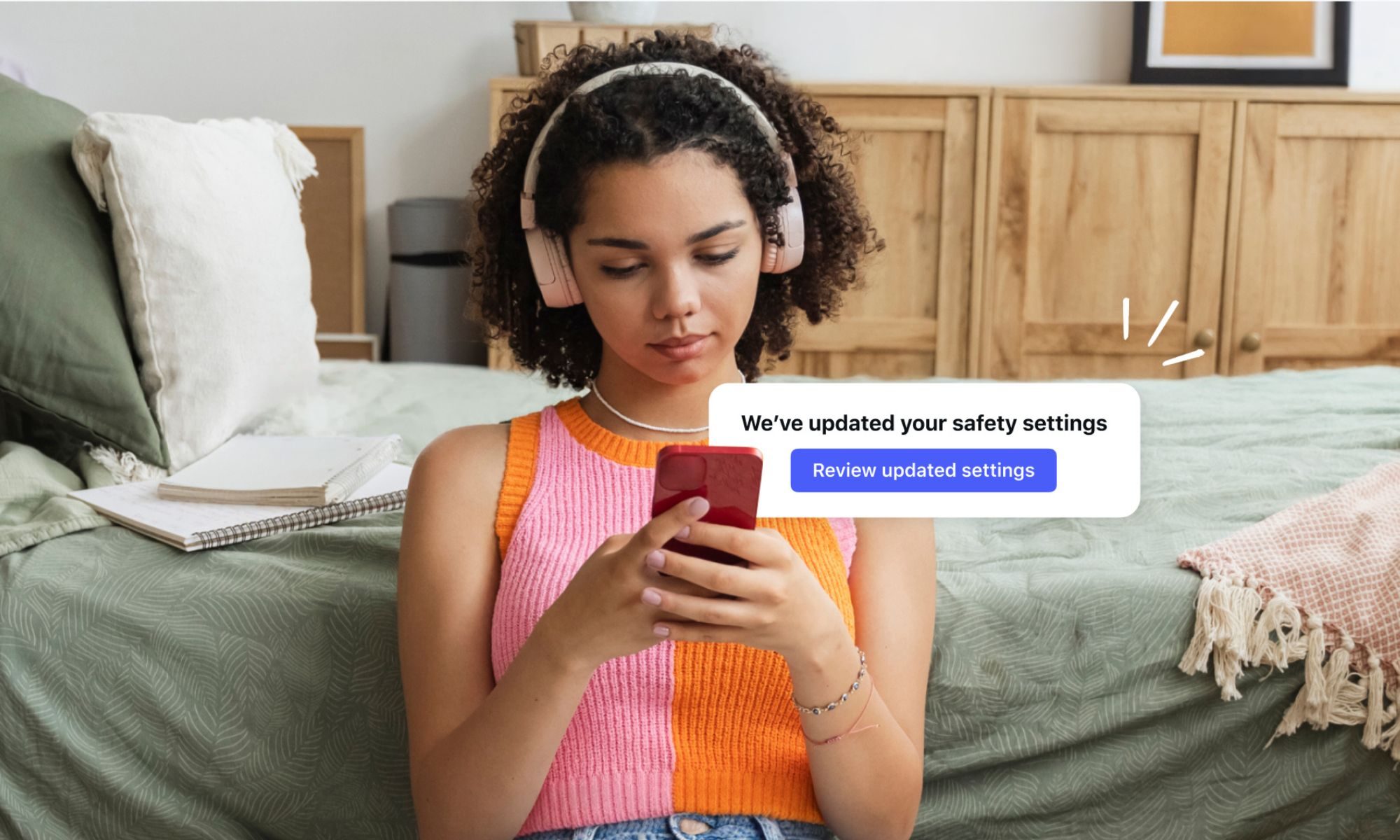
meta-AI-Age-Assurance-teen-safety

All four companies disputed the findings, arguing their features work as intended or that the tests didn’t reflect how real kids use the apps. These findings come as the UK moves toward a social media ban for under-16s, while similar restrictions gain traction in other countries.

Separate research has also found that Australia’s outright ban on under-16s has not stopped 85% of teens from accessing social media anyway, as kids have proven surprisingly creative at bypassing age checks altogether.

The bigger problem is getting harder to ignore. If platform safeguards are weak and bans are easy to dodge, your child may be relying on systems that are far less safe than they seem.

Share. Facebook Twitter Pinterest LinkedIn Tumblr Email

Keep Reading

Lenovo AeroBlade imagines a laptop as thin as a foldable phone, thanks to solid-state cooling

Lenovo puts Nvidia RTX Spark into its new Yoga Pro laptops for local AI at IFA 2026

Motorola’s new Edge 70 Plus packs a 200MP camera and a massive battery

We got GTA VI limited-edition DualSense controllers before GTA VI

Anker unveils smarter chargers and power banks built to fight heat and battery degradation

Anker’s new Soundcore Sleep earbuds can mask snoring and even track your heart rate

TCL P80 series finally marries eye-friendly NXTPAPER tech with an AMOLED panel

Anker’s new MindBase wants to be the brain of your entire home security system

I found 5 cleaning deals worth sweeping up this Labor Day

Editors Picks

Dell Study: How UAE Organizations Are Building AI-Ready, Secure IT

October 16, 2026

KASCO Developments launches FALA by KASCO: A home that flows with life

October 16, 2026

Al Sharqi Shipping inaugurates AED 70 million multi-temperature integrated logistics and distribution hub at Dubai Industrial City

October 16, 2026

AI slashes content production costs by 95%, but audience loyalty remains the real competitive advantage, SIF 2026 hears

October 16, 2026

Subscribe to News

Get the latest UAE news and updates directly to your inbox.

Latest Posts

IREIS 2026 returns to ADNEC from Nov. 10–12 as Abu Dhabi real estate transaction value exceeds Dh175 billion in 9 months of 2026

October 16, 2026

“We are stronger than ever”: Mohamed Alabbar cites Emaar’s 98% collections as proof of UAE resilience at SIF 2026

October 15, 2026

UAE targets 50% local crop production as Sharjah achieves 93% landfill waste diversion rate, local officials share at SIF 2026

October 15, 2026
Facebook X (Twitter) Pinterest TikTok Instagram
© 2026 Daily Guardian UAE. All Rights Reserved.
  • Privacy Policy
  • Terms
  • Advertise
  • Contact

Type above and press Enter to search. Press Esc to cancel.