
Venturing deep into the backcountry has changed dramatically with the assistance of aviation, but the adventure is more than just a plane ride. For Duke Valentour, accessing remote areas by air offers unparalleled solitude, abundant wildlife, and pristine natural beauty. From planning flights and packing efficiently to respecting ecosystems and practicing ethical recreation, every element contributes to preserving these locations.
Reaching Remote Terrains Through Aviation
Small aircraft like bush planes and floatplanes now make it possible to reach areas that were once days away by foot or canoe. These aircraft are designed to land on rugged strips, gravel bars, or open water, connecting outdoorsmen to isolated hunting and fishing grounds.
Pilots often rely on aerial views to scout terrain, spot wildlife movement, or identify safe landing zones. Flying into the backcountry also allows for the safe transport of gear and supplies, making extended trips more feasible without sacrificing safety or efficiency. In places like Alaska and northern Canada, this method of travel has become a routine part of outdoor life. Many outfitters even specialize in chartering such flights for seasonal expeditions.
Essential Skills for the Remote Outdoors
Even with aircraft cutting travel time, remote wilderness still necessitates serious preparation. Knowing how to navigate without GPS, build shelter from natural materials, and start a fire in damp conditions can be the difference between an inconvenience and a real emergency. These are not outdated skills—they remain essential safeguards.
In the backcountry, conditions change quickly. A sunny morning can turn into a cold, wet afternoon, and mechanical issues with aircraft or communication delays can leave travelers waiting longer than planned. That’s why carrying first aid knowledge, along with the ability to remain calm and resourceful, is just as important as having the right gear.
Hunting and Fishing in Hard-to-Reach Areas
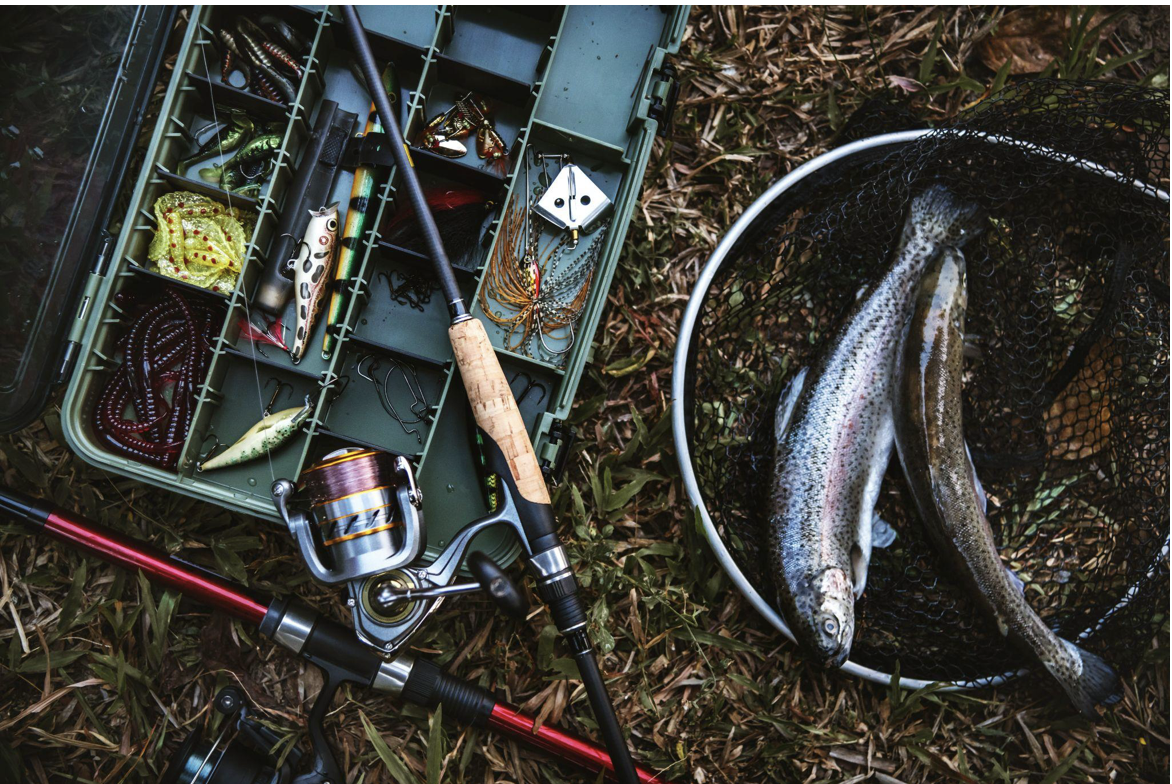
Remote access opens the door to more abundant and less pressured game. Anglers might find pristine waters teeming with trout or pike, while hunters can pursue caribou, moose, or bear in territories far removed from crowded public lands. The lack of human presence means wildlife behavior tends to be more natural and less wary.
Because fragile ecosystems often govern these locations, there’s an added responsibility that comes with the privilege. Wildlife patterns can be impacted by human activity, so understanding seasonal migrations and respecting local guidelines helps preserve the experience for future adventurers. In places where roads don’t reach, the natural balance remains intact, so long as it’s treated with care.
Planning and Logistics
Organizing a fly-in trip means thinking beyond your usual checklist. Weather patterns can shift rapidly, so timing flights with stable windows is critical—not just for comfort, but for safety. Pilots must be mindful of wind, fog, and visibility, all of which can affect takeoff and landing in rugged terrain. Flexibility in scheduling is often necessary, as weather delays are not uncommon.
From fuel calculations to weight distribution, every detail counts. Packing light without sacrificing essentials requires a balance of efficiency and preparedness. Items must serve multiple purposes, and gear needs to withstand the rigors of both the flight and the wilderness. In some regions, working with local air services or outfitters is necessary, as they often know terrain-specific conditions and regulations better than anyone.
Stewardship and Ethics
Flying into untouched areas carries a responsibility to leave no trace. Campsites should be chosen with care to avoid damaging sensitive ground cover, and human waste must be handled properly to prevent long-term impact. Minimizing noise, especially around nesting or calving seasons, is a small step that goes a long way.
Ethical hunting and fishing practices hold even greater weight in isolated environments. Overhunting in these areas can disrupt entire habitats. Respecting bag limits, using non-lead ammunition, and harvesting only what’s needed ensures these remote places remain wild and thriving. Conservation isn’t just a concept here—it’s a necessary action with visible results.
Balancing Access and Responsibility
Remote aviation allows us to explore places where few human footprints exist, but that access comes with a duty to tread lightly. It’s not just about reaching a destination—it’s about respecting it. The quiet beauty of a distant lake or alpine ridge carries an unspoken reminder: this place exists on its own terms. The less we interfere, the more authentic the experience becomes.
Modern tools like GPS, satellite phones, and aircraft shouldn’t replace personal judgment or wilderness respect. They’re aids, not guarantees. Embracing technology and traditional outdoor ethics creates a more balanced, thoughtful approach to backcountry exploration.