
Google Pixel 11 Pro XL
MSRP $1,299.99
“A bold show of AI and camera wizardry on smartphones.”
Pros
- Outdoor screen visibility beats the Galaxy S26 Ultra
- Telephoto camera is genuinely the one I reached for most
- Selfies look livelier than what my iPhone produces
- Google AI features are genuinely useful
- The phone gets seven years of software and security support
- Vibration motor is strong enough that I never miss a call
Cons
- Benchmarks trail this year’s competition by a wide margin
- Battery life isn’t the best in the segment
- Runs warm during heavy gaming or fast charging
- Bezels feel noticeably dated for a 2026 flagship
Quick Recap
Google unveiled the Pixel 11 Pro XL against one of the most chaotic industry backdrops in my recent memory. With new flagships on both sides of the iOS and Android divide scheduled to arrive in the coming months, the smartphone market is also grappling with an ongoing memory crisis that has forced manufacturers to make difficult choices: cut back on hardware or pass rising costs on to buyers.
While Google could have played it safe with the Pixel 11 Pro XL, it made sure its latest flagship earns the “Pro XL” title. The phone brings meaningful improvements across the board, including a brighter display, a more efficient chip, a genuinely upgraded telephoto camera, and seven years of guaranteed software updates. More importantly, it comes with a generous amount of memory.
Together, these updates justify the $100 price hike over the previous generation. What remains to be seen, however, is whether the Pixel 11 Pro XL is the right phone for you, or if you’re better off considering an alternative or simply saving your money for one of the upcoming launches. I’ve spent some time with the device. I think Google’s best Pixel phone in 2026 gets a lot of the stuff right, but there are a few areas where it needs some extra polish.
Google Pixel 11 Pro XL specs: The innards at a glance
| Specification | Details |
| Display | 6.8-inch ‘Super Actua’ OLED, QHD+ (2992 x 1344 pixels, 486 ppi), LTPO 1-120Hz, 3,600 nits peak (5% window), 2,400 nits max HDR, Gorilla Glass Victus 2 |
| Processor | Google Tensor G6 (3nm), 7-core: 1x C1-Ultra @ 4.1GHz + 4x C1-Pro @ 3.4GHz + 2x C1-Pro @ 2.65GHz |
| RAM | 12GB LPDDR5X (base) / 16GB LPDDR5X (tested unit) |
| Storage | UFS 4.0 (Zoned), up to 512GB |
| Main Camera | 50MP, f/1.7, 1/1.3-inch sensor, OIS |
| Telephoto Camera | 48MP, f/2.8, 1/1.95-inch sensor, OIS, 5x optical zoom, up to 120x Super Res Zoom |
| Ultrawide Camera | 48MP, f/1.7, 1/2.51-inch sensor, PDAF, 123° FOV, doubles as macro |
| Front Camera | 42MP, f/1.2, PDAF, 103° FOV |
| Battery | 5,115mAh |
| Charging | 45W wired (Extreme Charging), Pixelsnap wireless (Qi2.2 certified) |
| Build | Gorilla Glass Victus 2 (front and back), IP68 (1.5m, 30 min) |
| Software | Android 17, 7 years OS + security updates, quarterly Pixel Drops |
| Colors | Obsidian, Canyon, Fog, and one additional option |
| Price | $1,299 (256GB), $1,419.99 (512GB), $1,649 (1TB) |
Google Pixel 11 Pro XL design: Google isn’t reinventing the Pixel here
Quick Take: The Pixel 11 Pro XL wears its heft proudly, with a design language that still feels unmistakably Google.
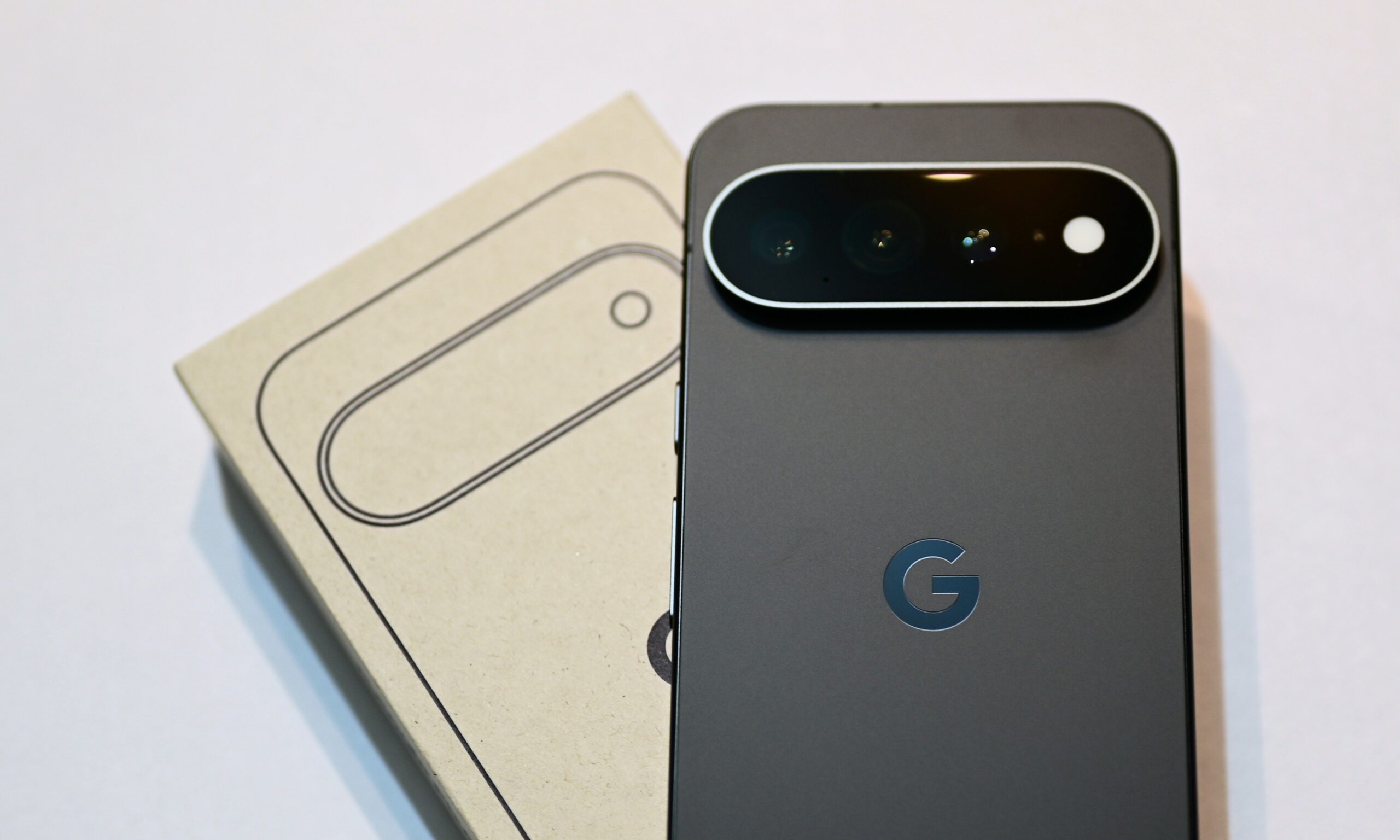
Look at the flagships from the top brands, and you’ll come across a pattern: they’ve settled on a signature design language. For Apple, it’s the trio of camera sensors. For Samsung, it’s the flush camera sensors on the back. As for Google, it’s the horizontal camera visor, which is unmistakable at a glance. It gives away a Pixel from across a room.
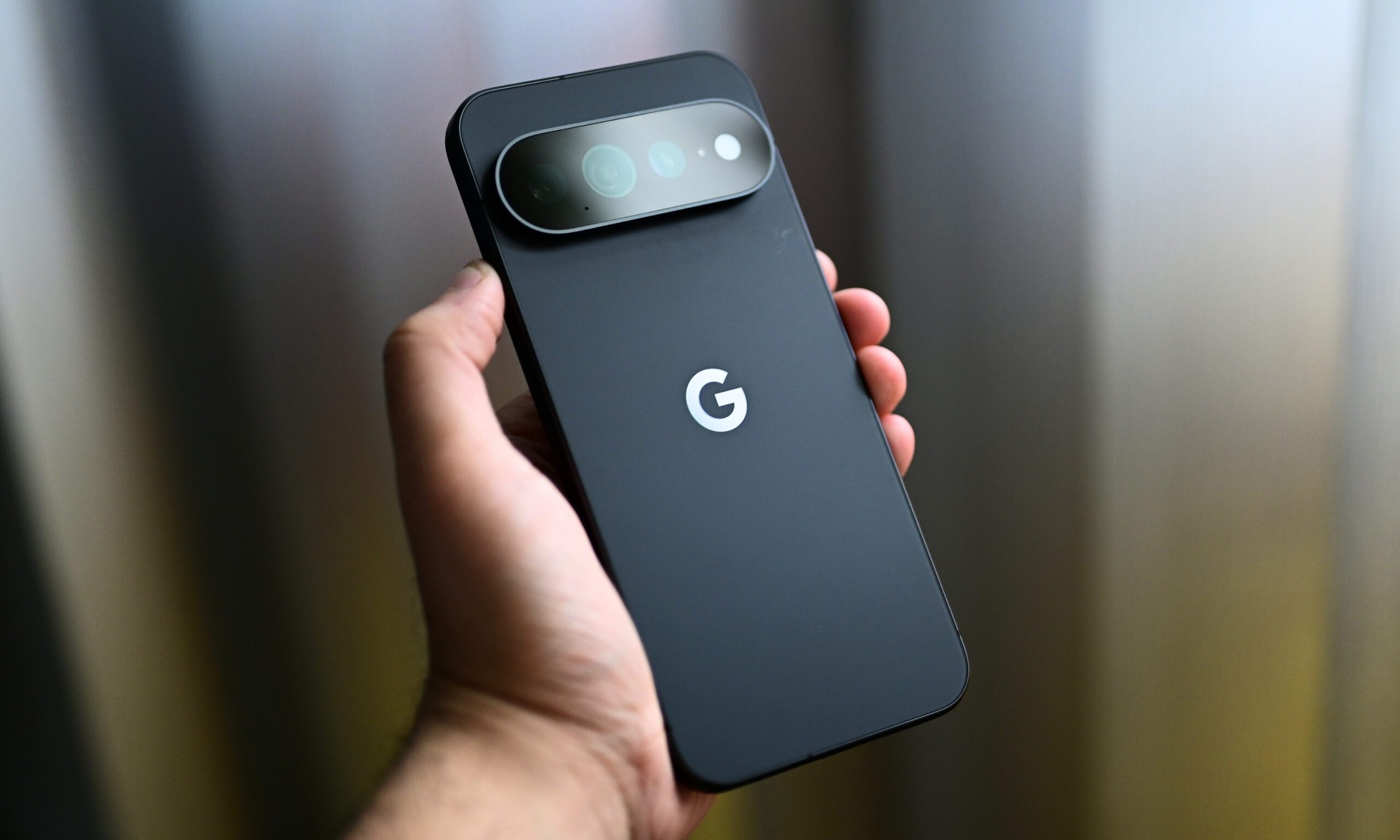
The camera visor is supposed to be 40% smaller than the Pixel 10 Pro XL, but honestly, I can’t tell the difference. What surprised me is how I ended up using the protrusion as a natural anchor point while holding the phone, my index finger settling into it out of habit, whether I’m checking notifications or answering a call.
I’d call it an accidental ergonomic win, unless Google wants to take credit.
What’s more obvious is the edge-to-edge glass design, which, regardless of the color you pick, gives the bar a more seamless look but also makes it more prone to scratches. The metal accent toward the right of the horizontal bar is gone. In its place, underneath the uniform glass, you’ll find the not-so-regular flash module, pulling double duty as the HiLight housing.
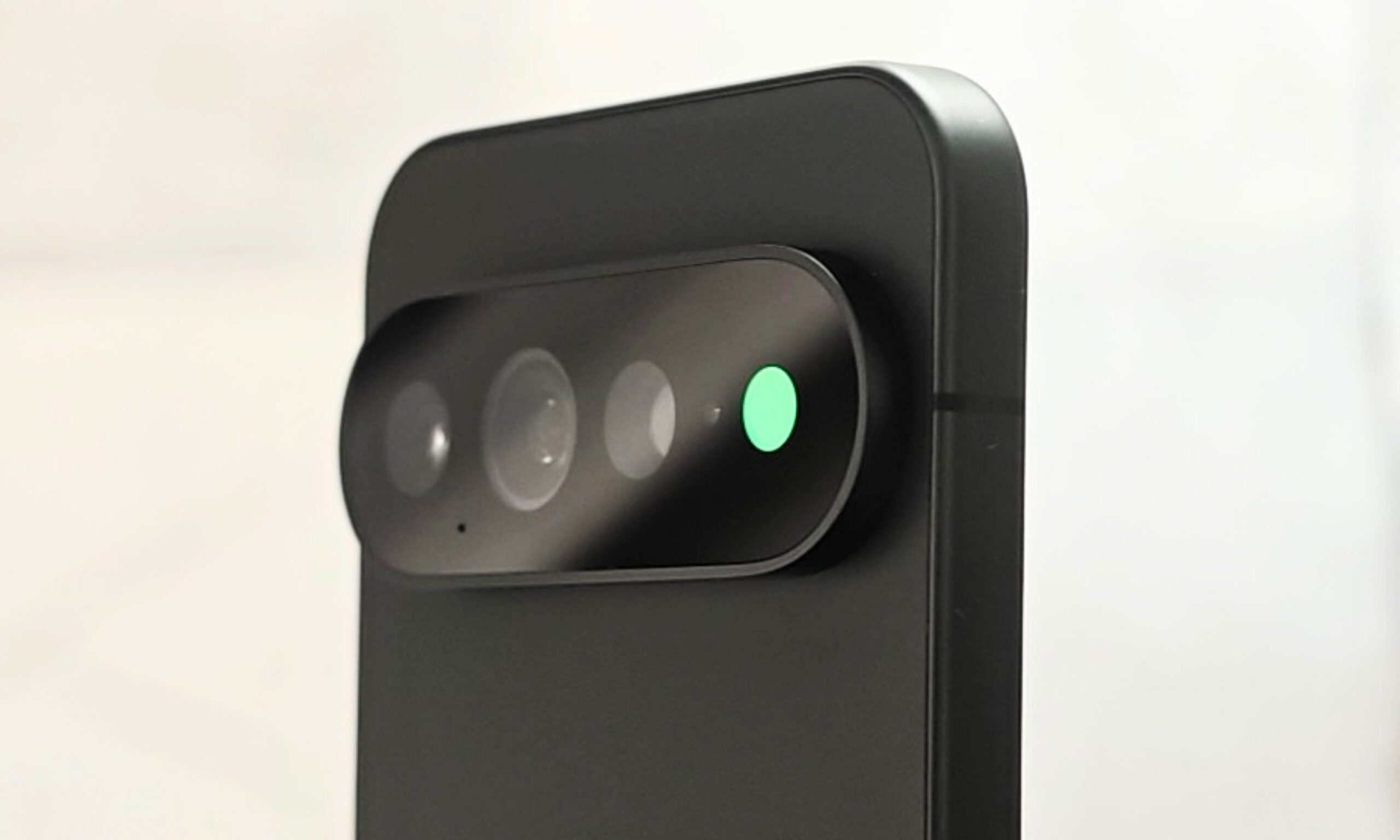
For those catching up, both the Pixel 11 Pro models come with 8 RGB LED lights arranged in a ring around the flash. Generally, the idea behind such lighting systems is to keep the user informed without seeking immediate action. However, Google’s decision to keep it locked for Gemini Interactions and calls from favorite contacts is something that I never warmed to.
The rest of the back is intentionally plain to divert attention to the visor, except for the ‘G’ logo etched in a reflective finish that stands out against the matte panel. Because the bar spans the width of the back, the phone sits dead flat, without a hint of rock, when placed face-up.
Pick it up, and the heft announces itself right away.
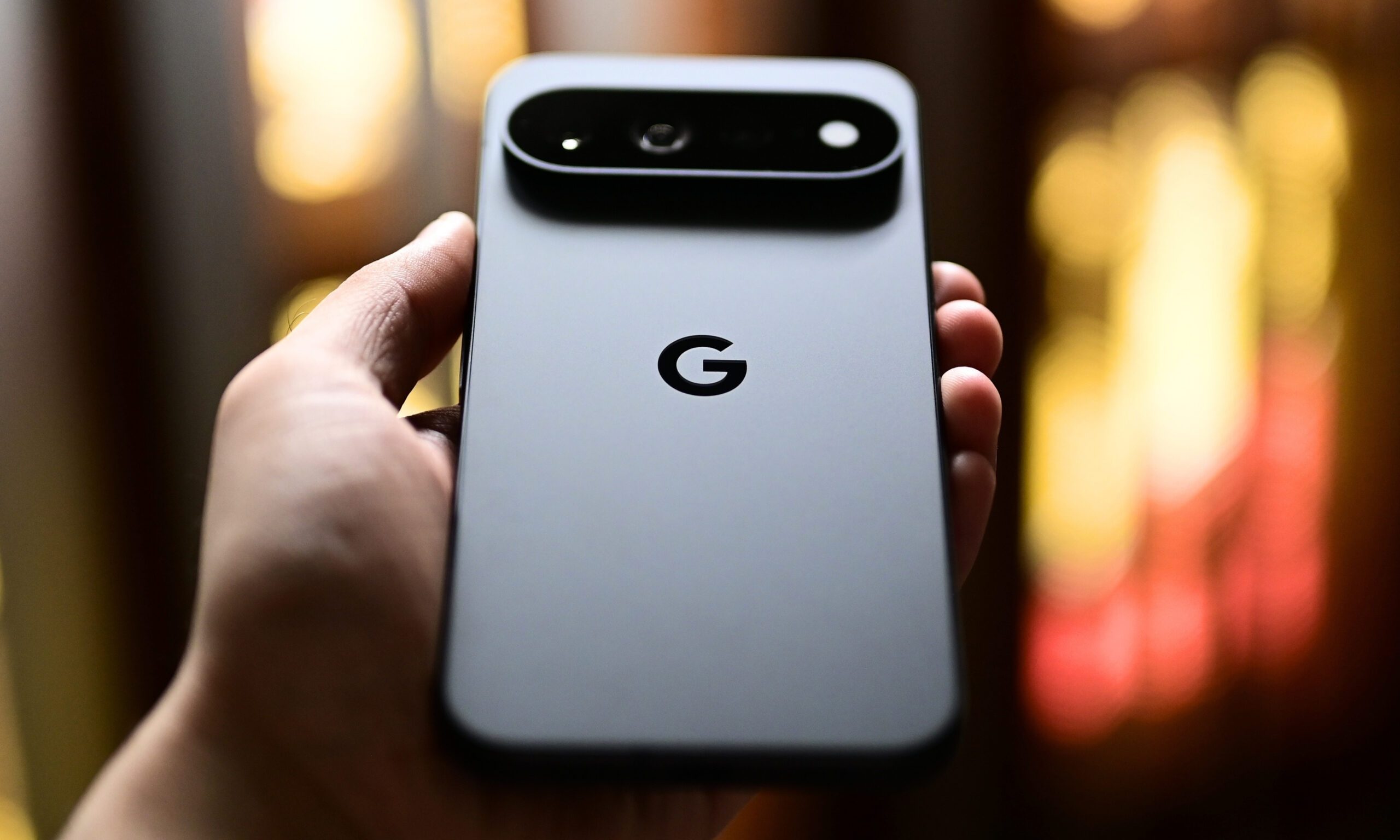
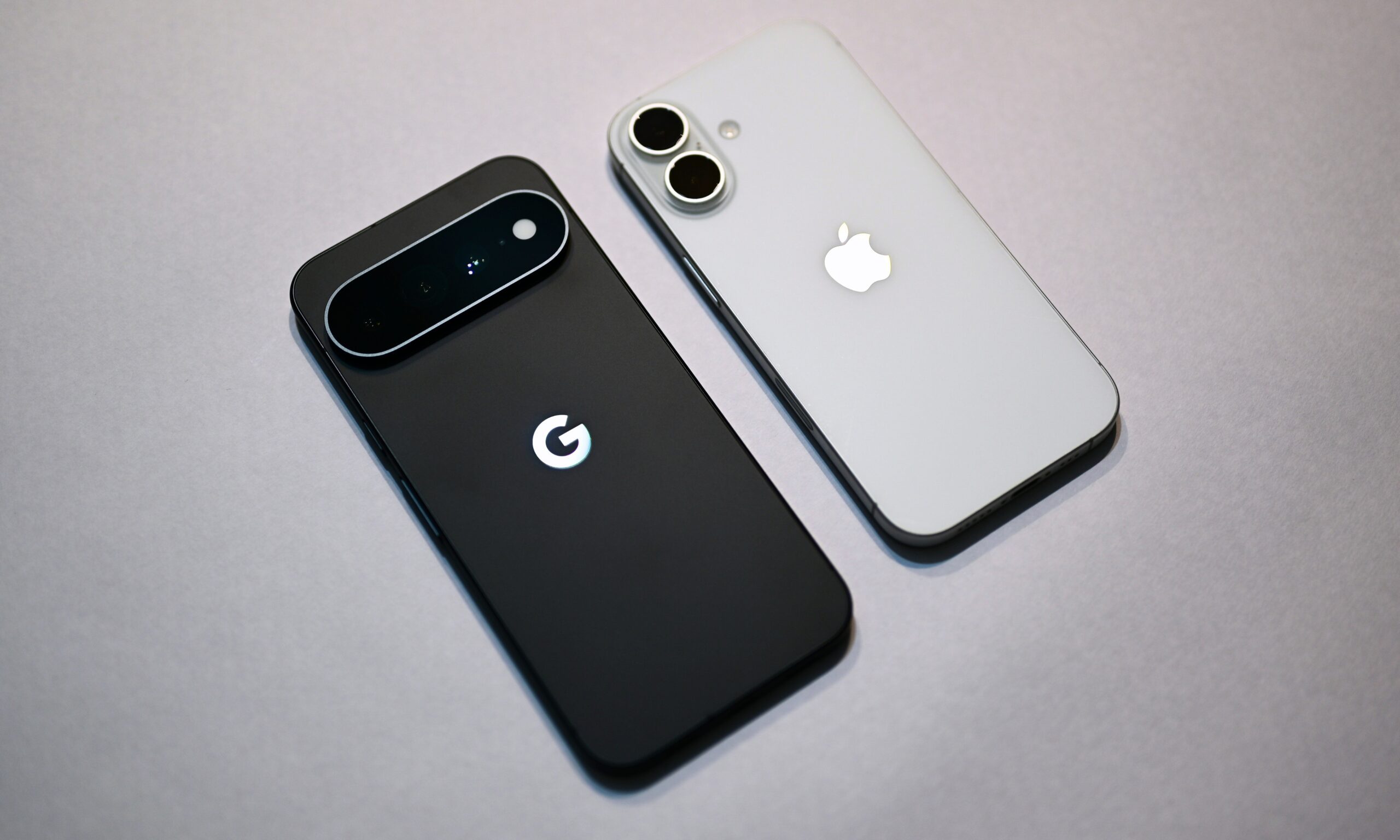
Like Apple, Google isn’t obsessing over shaving off extra millimeters. The flagship is just 0.3mm slimmer and 7 grams lighter than the iPhone 17 Pro Max, let alone the S26 Ultra, which is even lighter and thinner.
Speaking of the back panel, it’s carved out of Corning’s Gorilla Glass Victus 2. But despite its matte finish, it quickly betrays a fingerprint or two, a minor annoyance for anyone going caseless.
The screen also uses Victus 2, which offers “2x scratch resistance.” While I can’t directly test that claim, the display hasn’t picked up any major or deep scratches so far. I did notice three tiny micro-scratches, but only under close inspection, at an angle, under direct light.
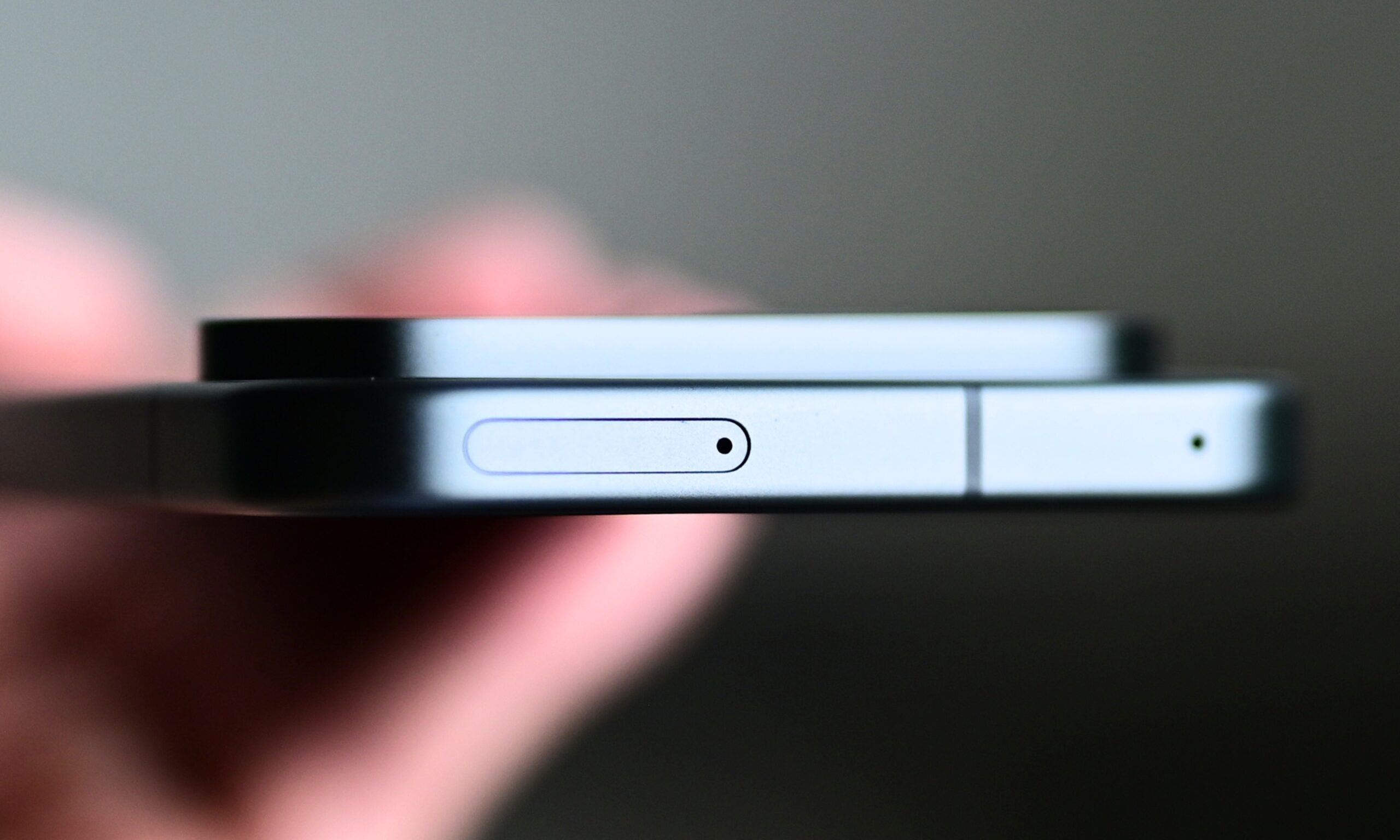
Adding confidence in the build is the IP68 dust and water resistance rating. However, within that rating, the phone can be submerged up to 1.5 meters for 30 minutes, similar to the protection offered by the Galaxy S26 Ultra. Still, it comes up a rung short of what Apple offers with the iPhone 17 Pro Max, which can be submerged up to 6 meters for 30 minutes.
I received the Obsidian finish for this review, arguably the most boring one. Unless you’re a fan of that stealthy look, the other three color options, especially the Canyon and Fog, are the more vibrant and lively ones.
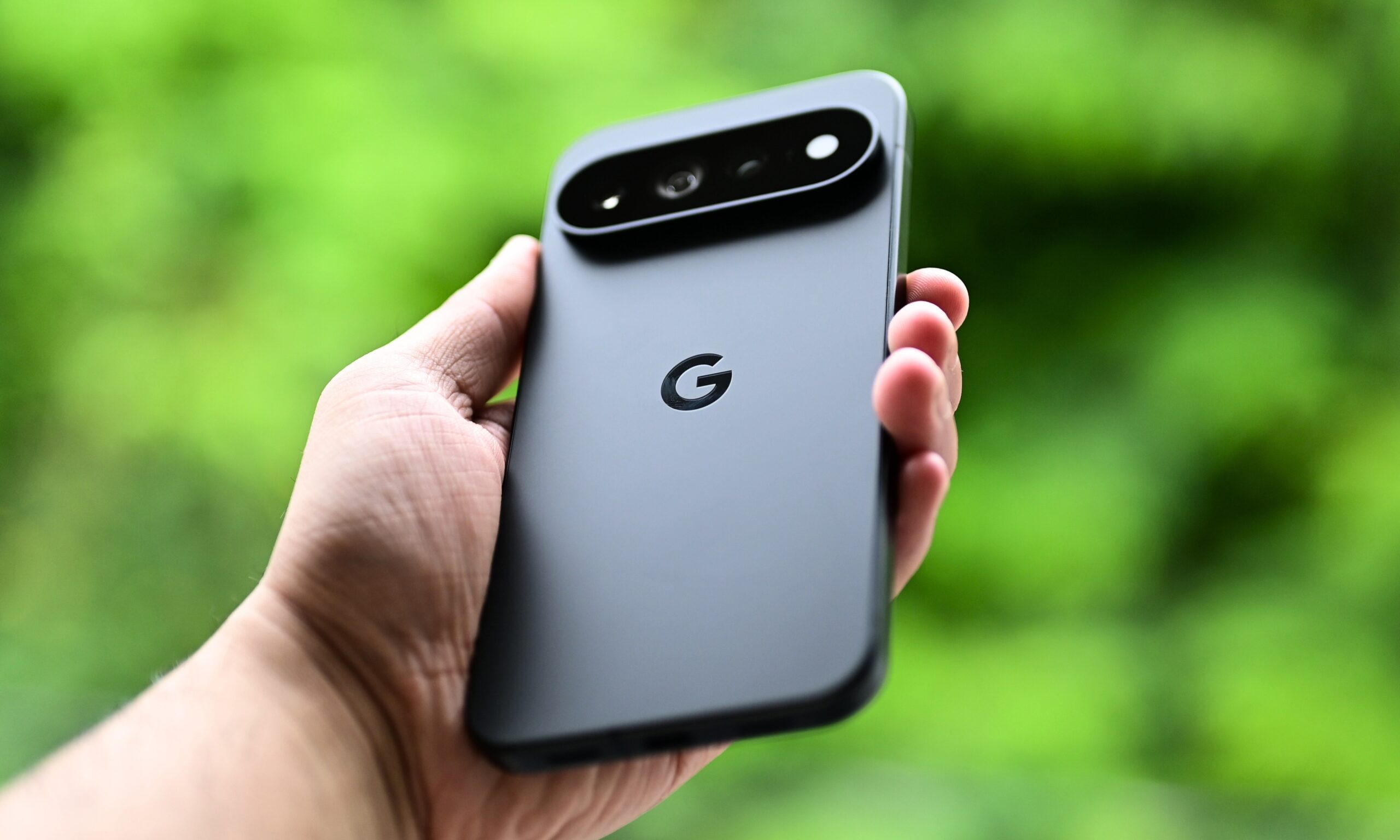
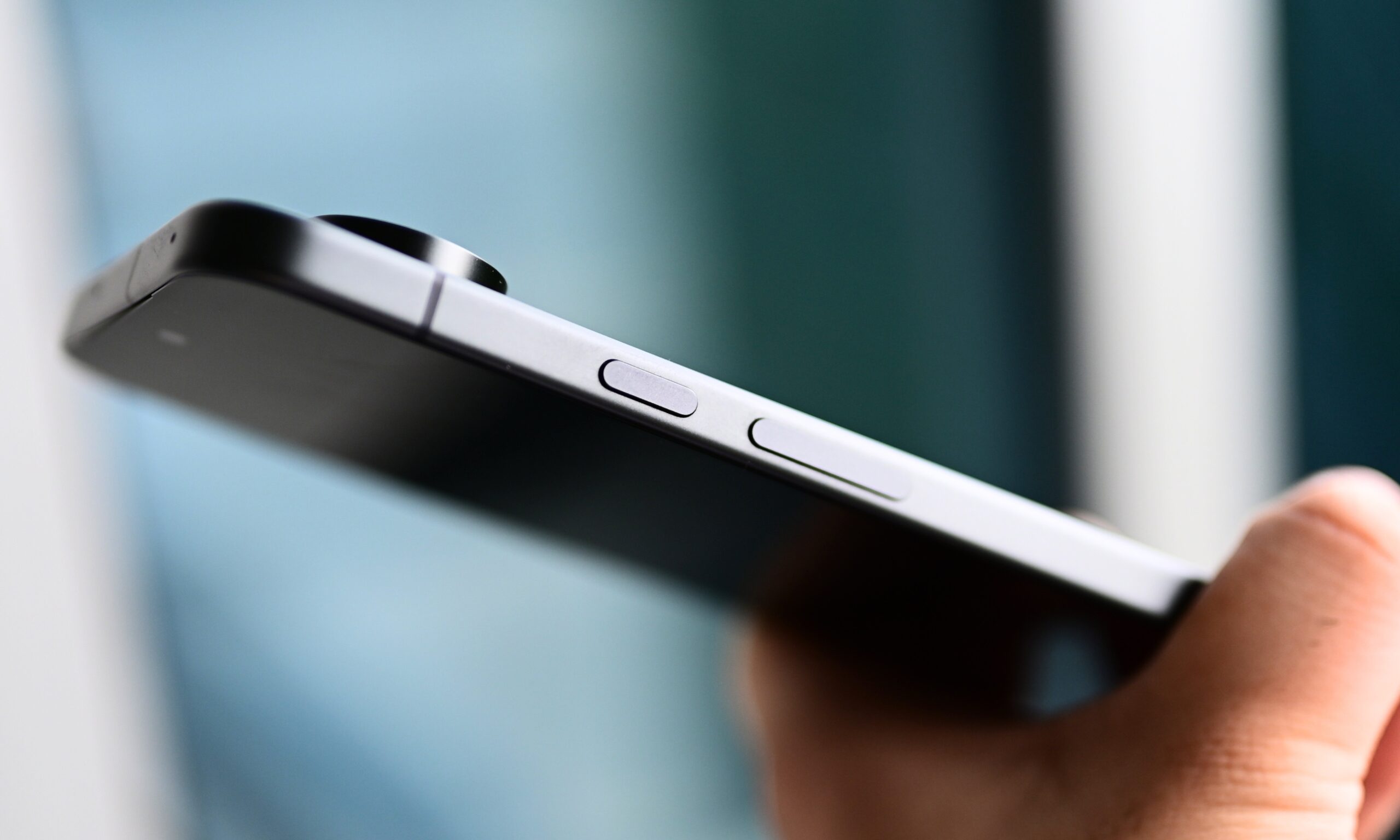
Between the rear and front glass is a micro-textured aluminum rail (slightly curved toward the edges), which feels almost smooth to the touch but still provides subtle grip while you hold the phone.
The controls are logically placed, though as an iPhone user, the right-rail volume rocker took a few days to feel natural.
The bottom houses the USB-C port and the speaker and microphone grilles. Thankfully, a fine mesh keeps dust and grime out of the vents.
With the “XL” in the name, this isn’t a compact phone by any means. At this size, my thumb simply can’t reach the top left or right corners of the screen. If you have relatively smaller hands or prefer one-handed usage, you are better off with the regular Pixel 11 Pro.
On the positive side, the vibration engine does an excellent job, too. As a habit, I always keep my phone on silent, and I’ve missed calls on my iPhone 17, especially when it was across the room. However, with the Pixel 11 Pro, the vibration is so strong that I often reach for the phone because of it.
Design score: 8.5/10
Google Pixel 11 Pro XL: Almost everything I want from a flagship display
Quick Take: The Pixel 11 Pro XL’s display is bright, gorgeous, and wonderfully smooth, though Google still makes a few baffling compromises.
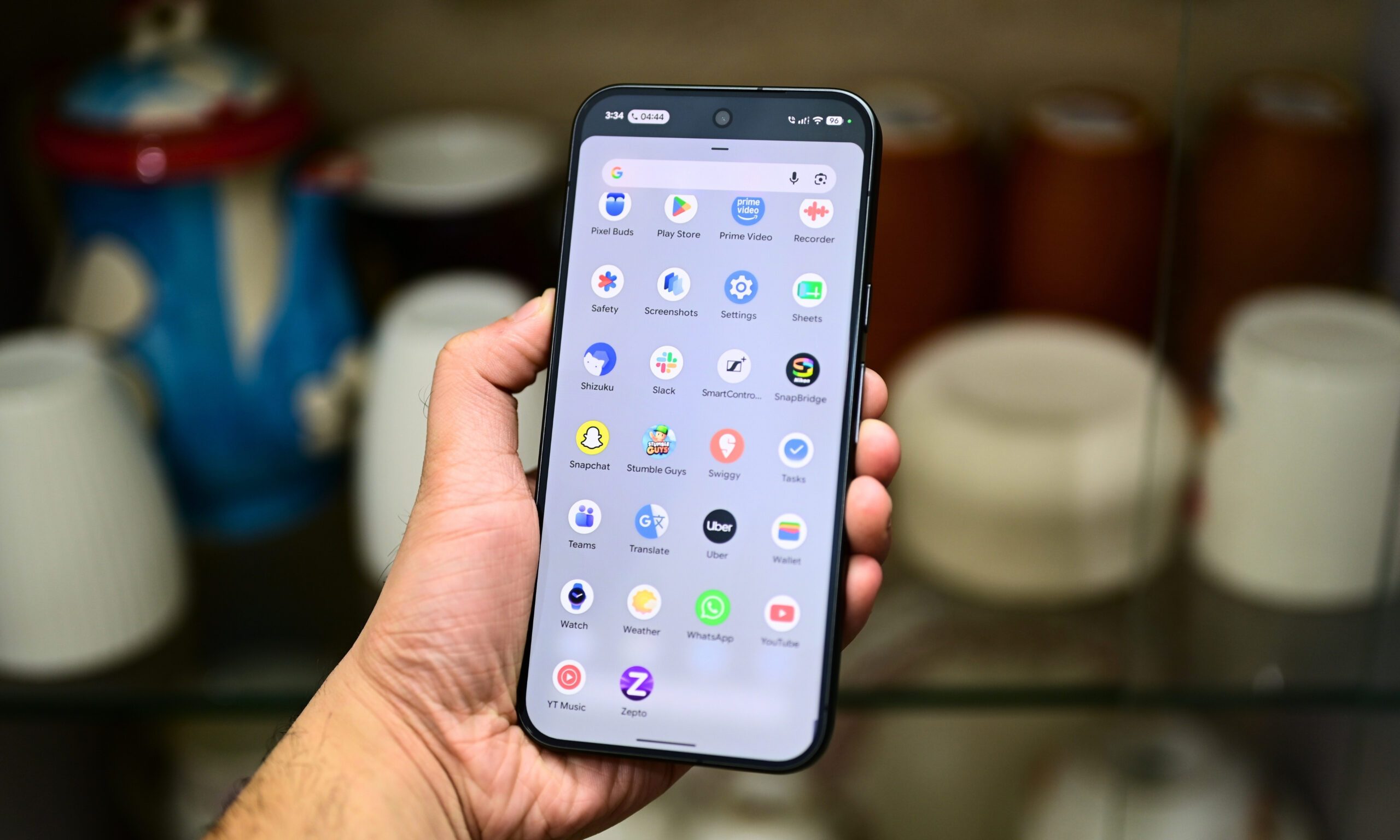
If you’re okay with the Pixel 11 Pro XL’s form factor, you’ll surely appreciate its 6.8-inch ‘Super Actua’ display, which is Google’s way of saying that it’s an OLED panel with QHD+ (2992 x 1344 pixels at 486 ppi) resolution and a 3,600-nit local peak brightness (5% of the pixels).
Now, Google’s biggest, priciest Pixel might not have a Privacy Display like the Galaxy S26 Ultra or an anti-reflective coating like the iPhone 17 Pro Max, but it most certainly gets the basics right. Whether that’s enough in 2026 is something for you to decide.
For what it’s worth, it is one of the most gorgeous displays on a conventional smartphone (unless you’re PWM sensitive). I’ve used it outdoors on several bright, sunny days.
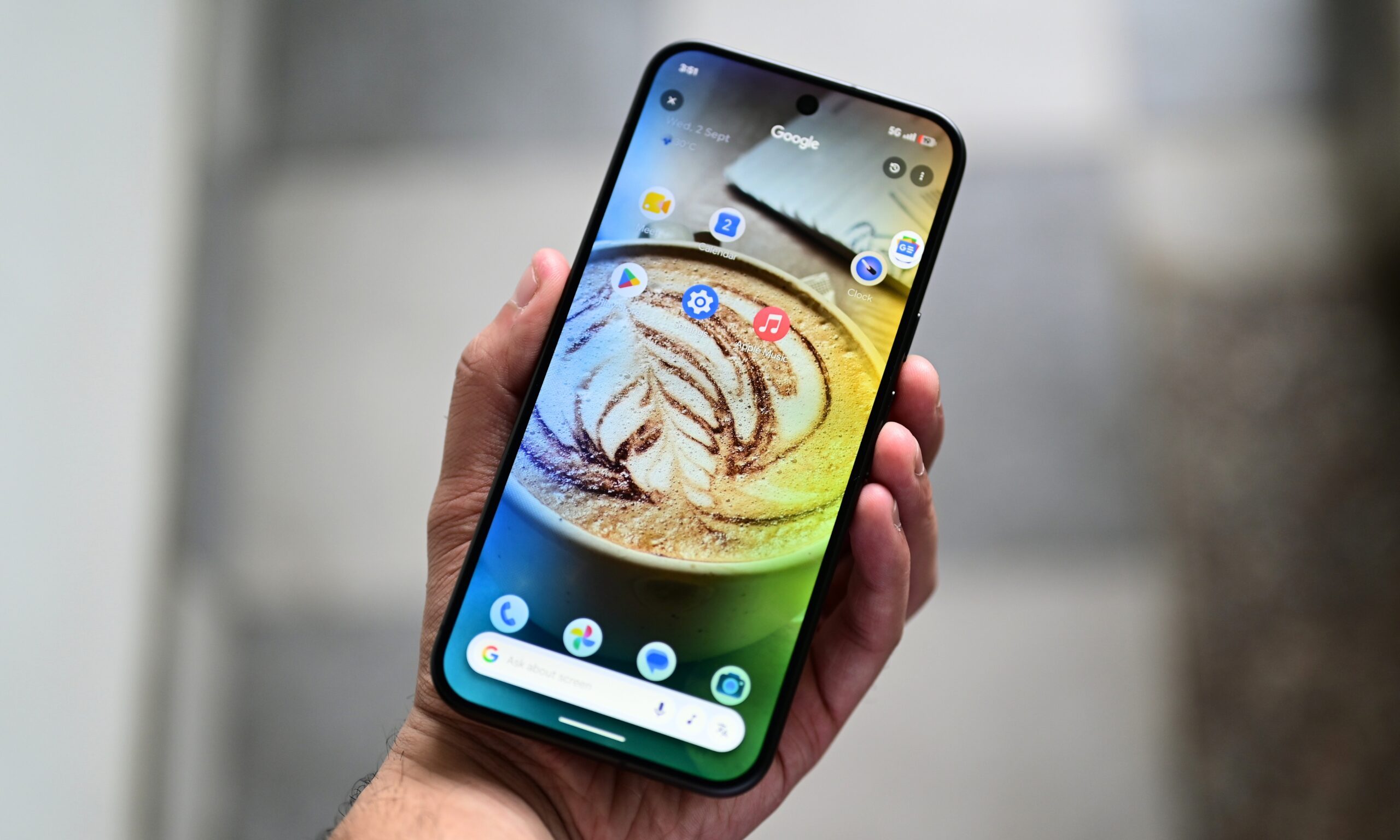
Not once did I have to shield the screen with my hand to make out what’s on it.
Set beside an S26 Ultra under direct sunlight, the Pixel is noticeably brighter.
The visibility and legibility are more than sufficient for outdoor use. Indoors, my preferred brightness level loomed between 15 and 20% depending on the room’s lighting, and at night, the slider rarely crept past 5%. As always, the adaptive brightness was too aggressive for me, so it was the first setting I switched off.
Watching HDR content on the device is a delightful experience, especially since it supports a maximum HDR brightness of 2,400 nits.
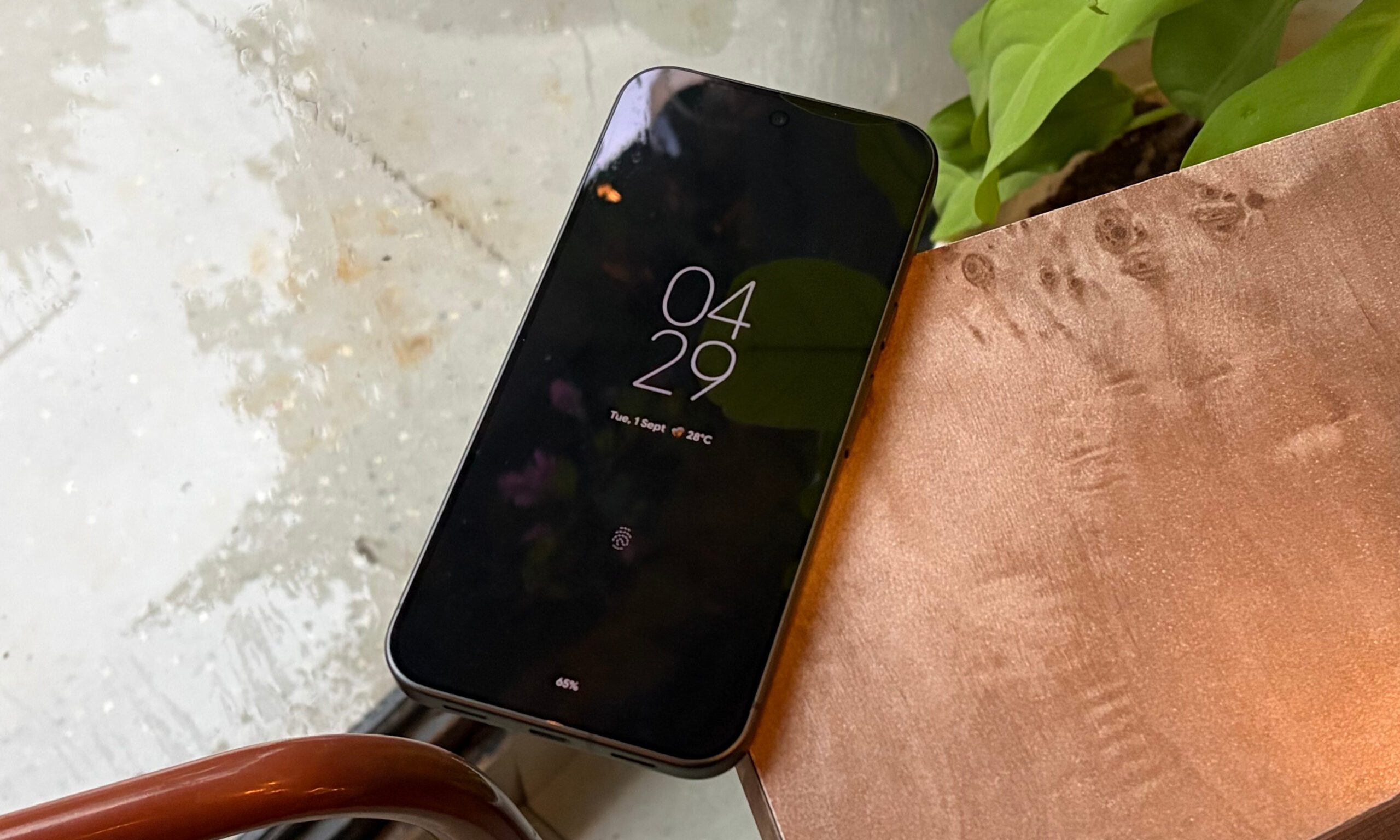
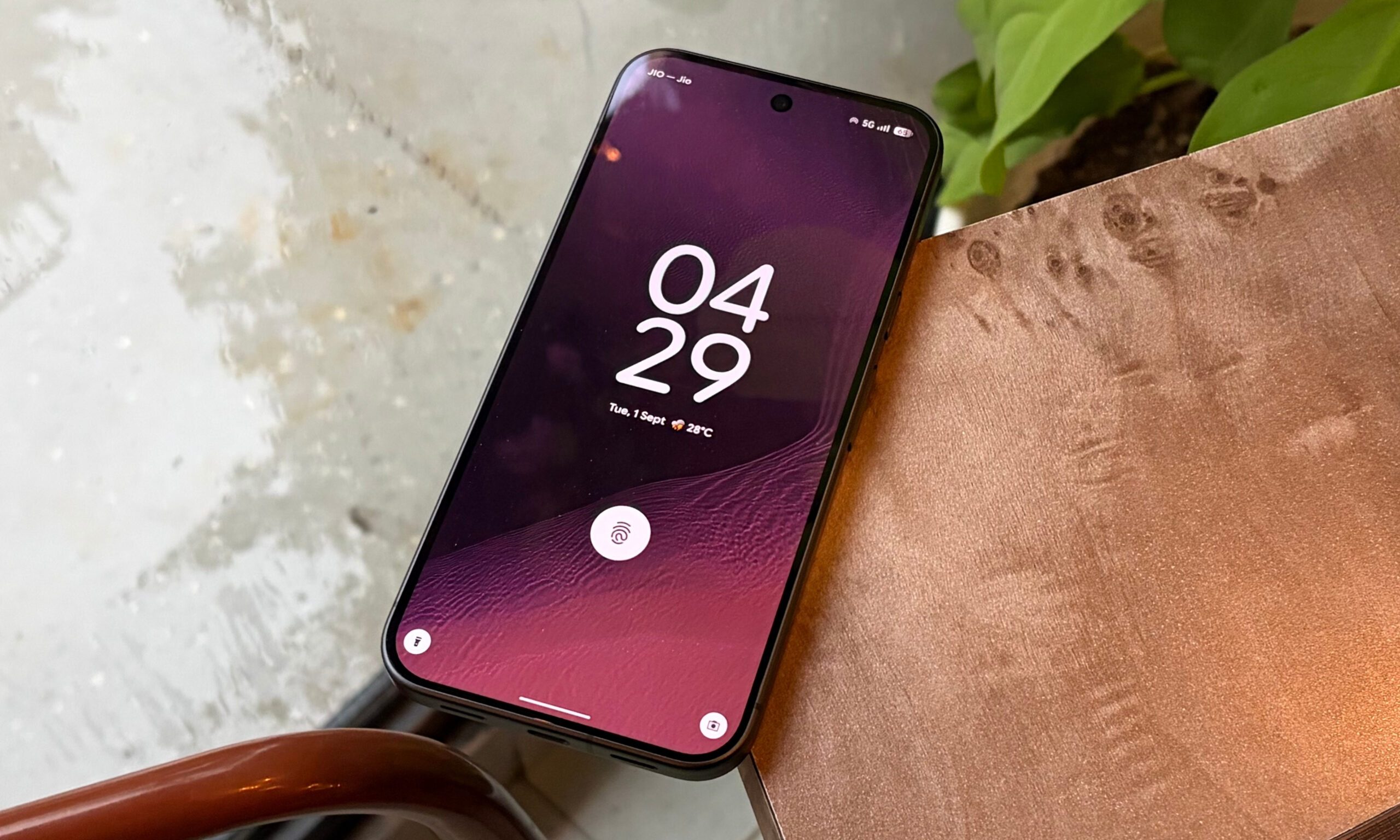
It supports LTPO technology, meaning the refresh rate can scale from 1Hz (suitable for always-on mode) to 120Hz while you’re scrolling.
Sure, 165Hz panels exist elsewhere, but past 120Hz, the difference stops registering for the average user.
To make the best of the massive screen real estate, I nudged down the display’s scale using the “Font size” and “Display size” toggles in “Display and touch.” It just makes the screen feel more spacious. The phone’s stayed on the default Adaptive color profile throughout, without a single complaint from me.
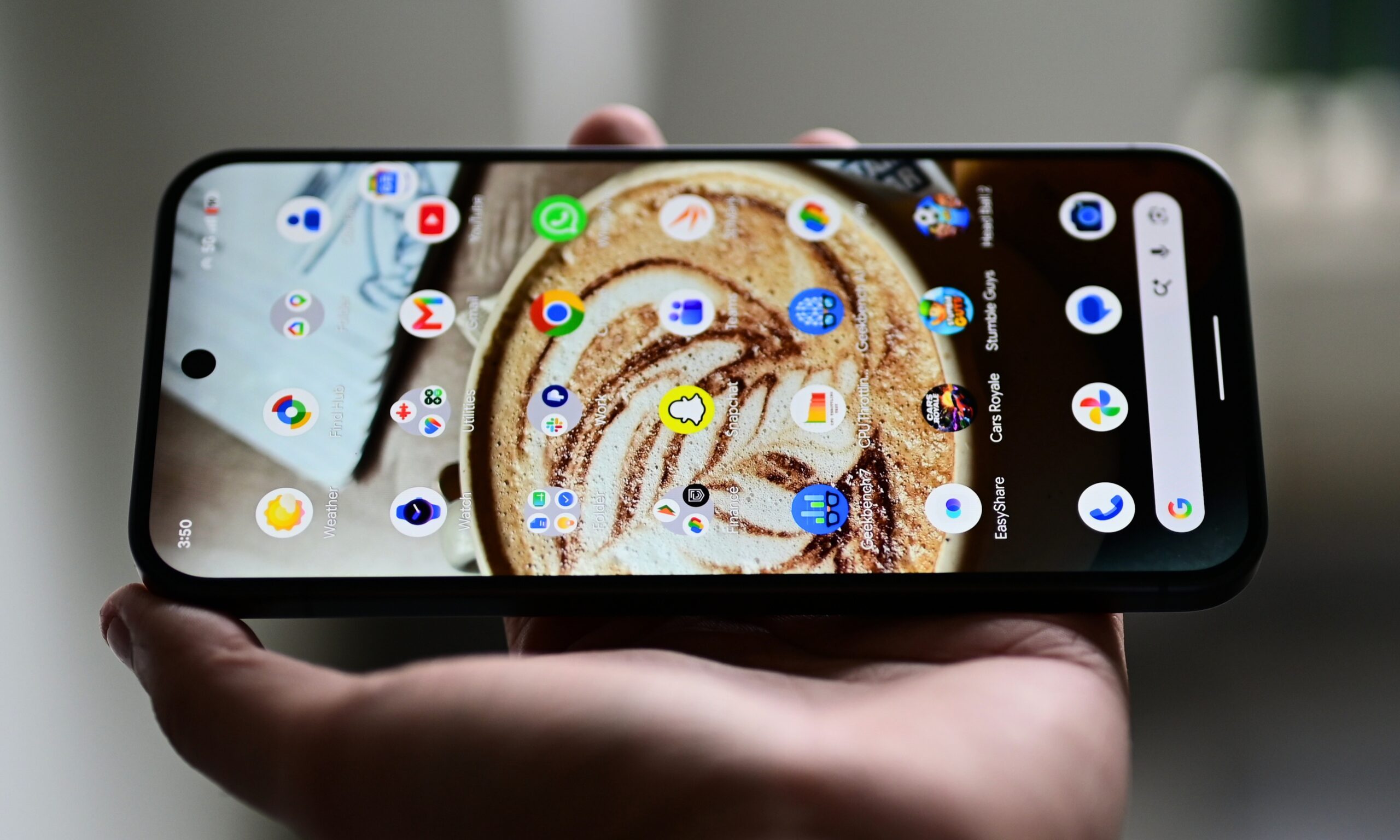
There’s a “Natural” profile as well, which mellows down the saturation a bit. And I didn’t spot any fuzziness, red tint, or grayscaling.
However, my camera and I noticed one thing almost immediately: the device’s PWM dimming rate. By default, the Pixel 11 Pro XL’s display is set to 240Hz PWM dimming, which could cause discomfort and nausea in people who’re sensitive to it.
Google already knows about the issue, which is why it added the “Adjust brightness for sensitive eyes” toggle with the Pixel 10 launch. Although it only improves the dimming rate to 480Hz. It’s a problem that’s dogged Pixel phones for years now, and one Google still owes its users a proper fix for.
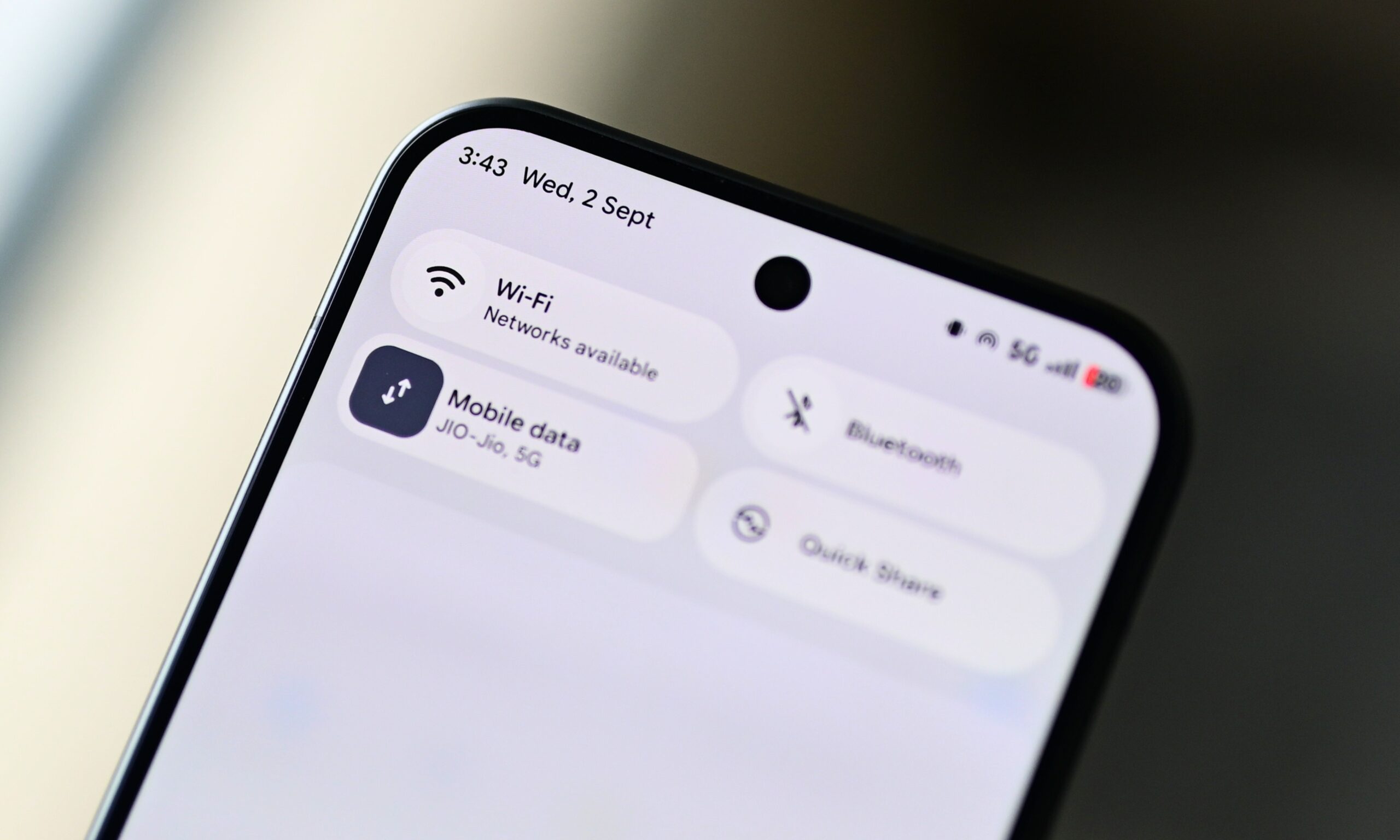
What I didn’t like is that some of the best screen features are either disabled or not available by default.
The resolution, for instance, ships capped at 2404 x 1080 (High) rather than the full 2992 x 1344 (Max) I’d prefer. Though the screen can run an always-on clock, you have to dig into the settings and turn it on. And yes, Google’s latest Pixel still carries one of the thickest bezels around, which in 2026 simply doesn’t add up anymore.
Display score: 9/10
Google Pixel 11 Pro XL performance: Great for everyday usage, sluggish when you push it
Quick Take: The Pixel 11 Pro XL feels fast every day, but its lack of flagship-level horsepower is hard to ignore at $1,400.
At the heart of the Pixel 11 Pro XL is Google’s new Tensor G6 chipset. Like the Tensor G5, the chip is based on a 3nm processing node. Even so, Google’s claims about its latest chipset are plentiful. While the G6 offers 25% faster web browsing, 15% quicker app launches, and 50% more TPU compute, it is also claimed to be up to 20% more power efficient than the outgoing chipset.
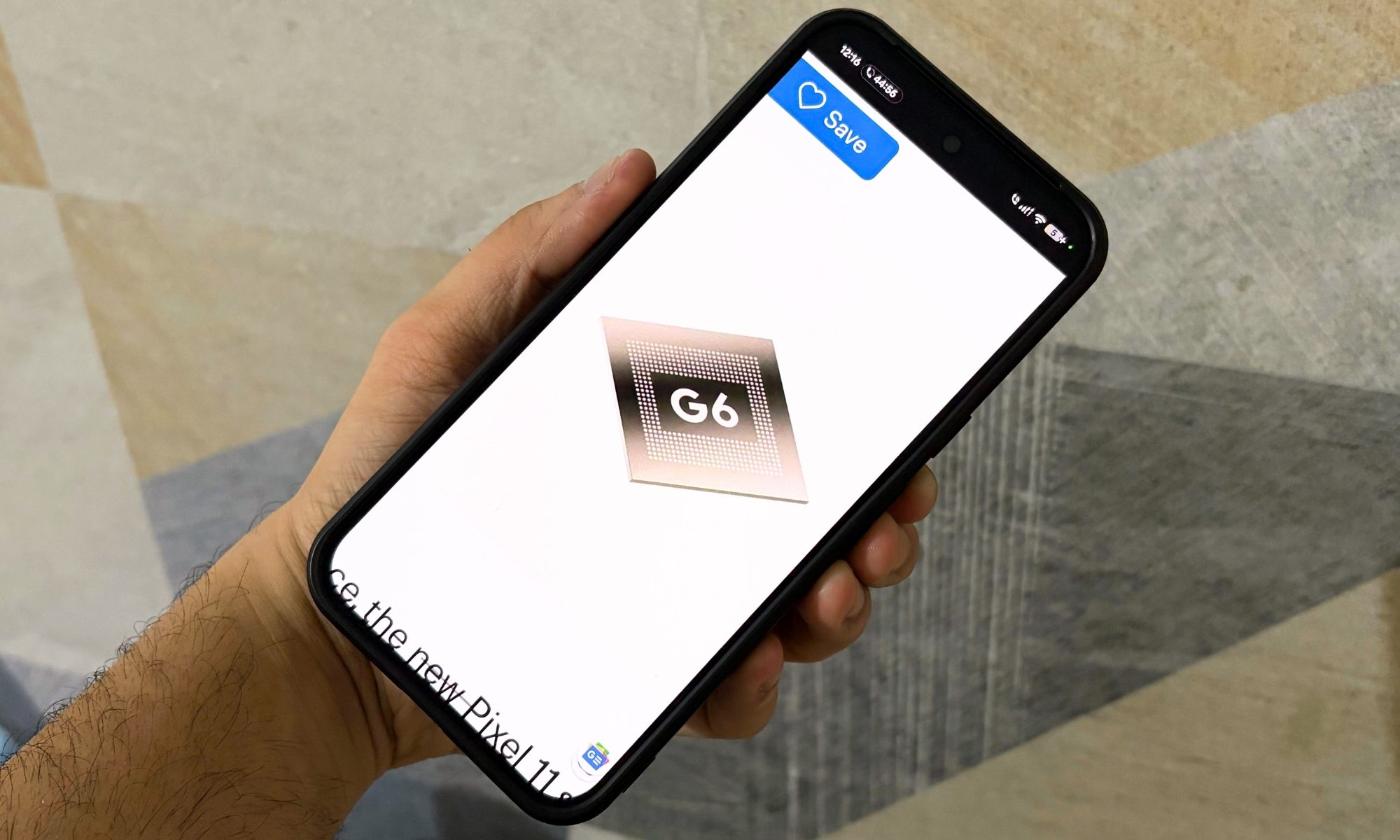
Let’s cut beyond the marketing language and understand what’s happening here for a bit. Unlike the Tensor G5 chip, which has an 8-core CPU, the Tensor G7 features only 7 CPU cores. The prime Arm C1-Ultra core is clocked at 4.1 GHz (up from 3.78 GHz), the four C1-Pro performance cores at 3.4 GHz, and the remaining two C1-Pro cores at 2.65 GHz.
From what it looks like, it’s probably the one with one fewer CPU core, and Google’s jump to ARM’s latest C1-series cores underpins the power-efficiency improvement. Meanwhile, the general performance improvements stem from the faster prime and performance cores.
On-device AI performance is 3.5x faster, thanks to the improved TPU.
While the base variant comes with 12GB of LPDDR5X RAM, the one I received has 16GB, which gives it plenty of headroom to accommodate apps. I never once felt like the phone needed more memory, even with a dozen-odd apps left running in the background. The 512GB variant I received features UFS 4.0 (Zoned) storage, which facilitates instantaneous app loads, smooth transitions, and quick boot times.
I’ve been using the phone as my primary driver for over a week now, and it has handled everything without breaking a sweat. Save for a few stutters here and there, you won’t really have a major complaint from the phone, at least until you’re not pushing it.
It’s while you’re running benchmarks, playing video games, or even capturing a picture that the lack of raw performance starts to show its seams.
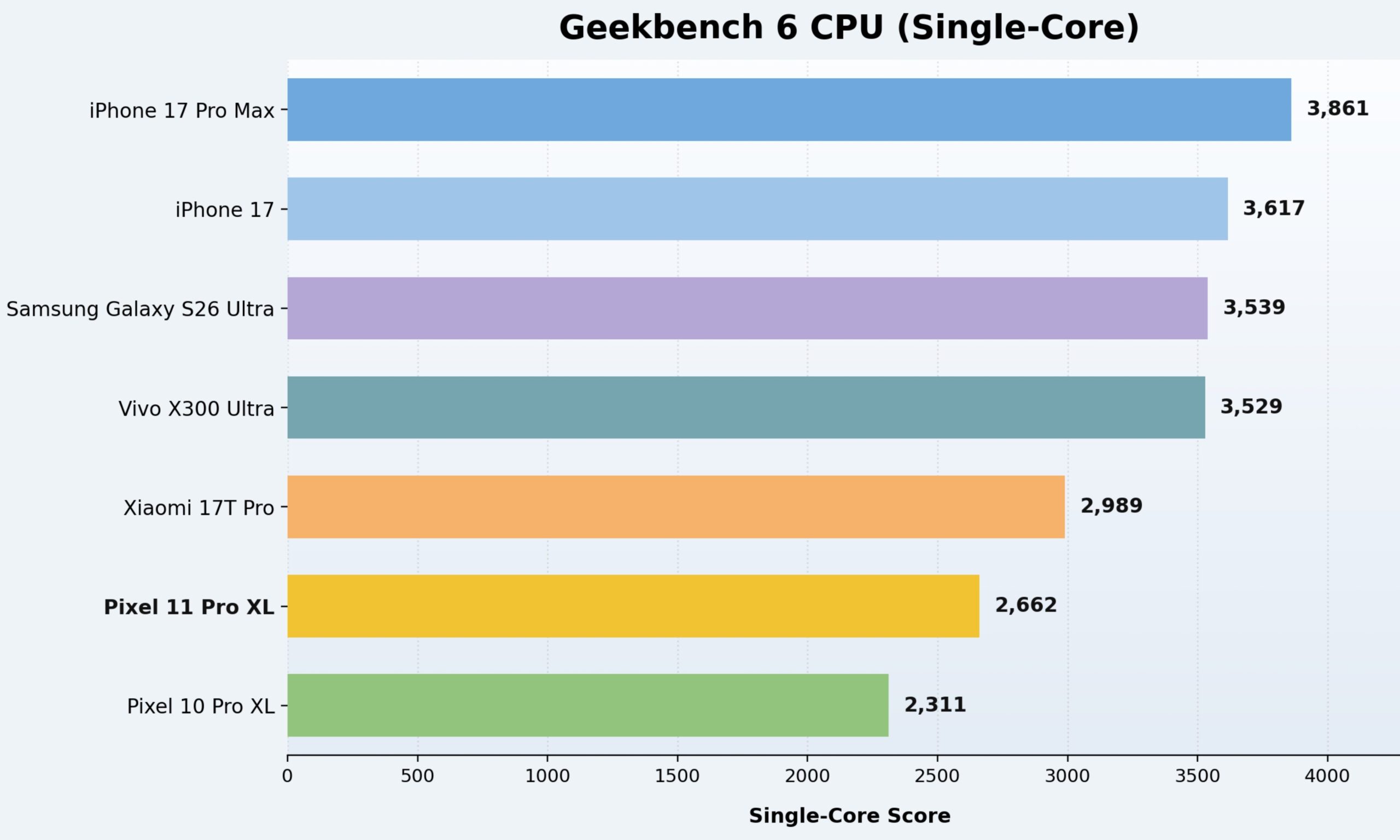
Let me explain. The Pixel 11 Pro XL scored 1.9 million points in the AnTuTu v11 benchmark test. While that’s a significant improvement over the Pixel 10 Pro XL’s score of 1.5 million, it isn’t even close to what its competitors like the S26 Ultra or even the OnePlus 15, for that matter, achieve (anything around 3 million points).
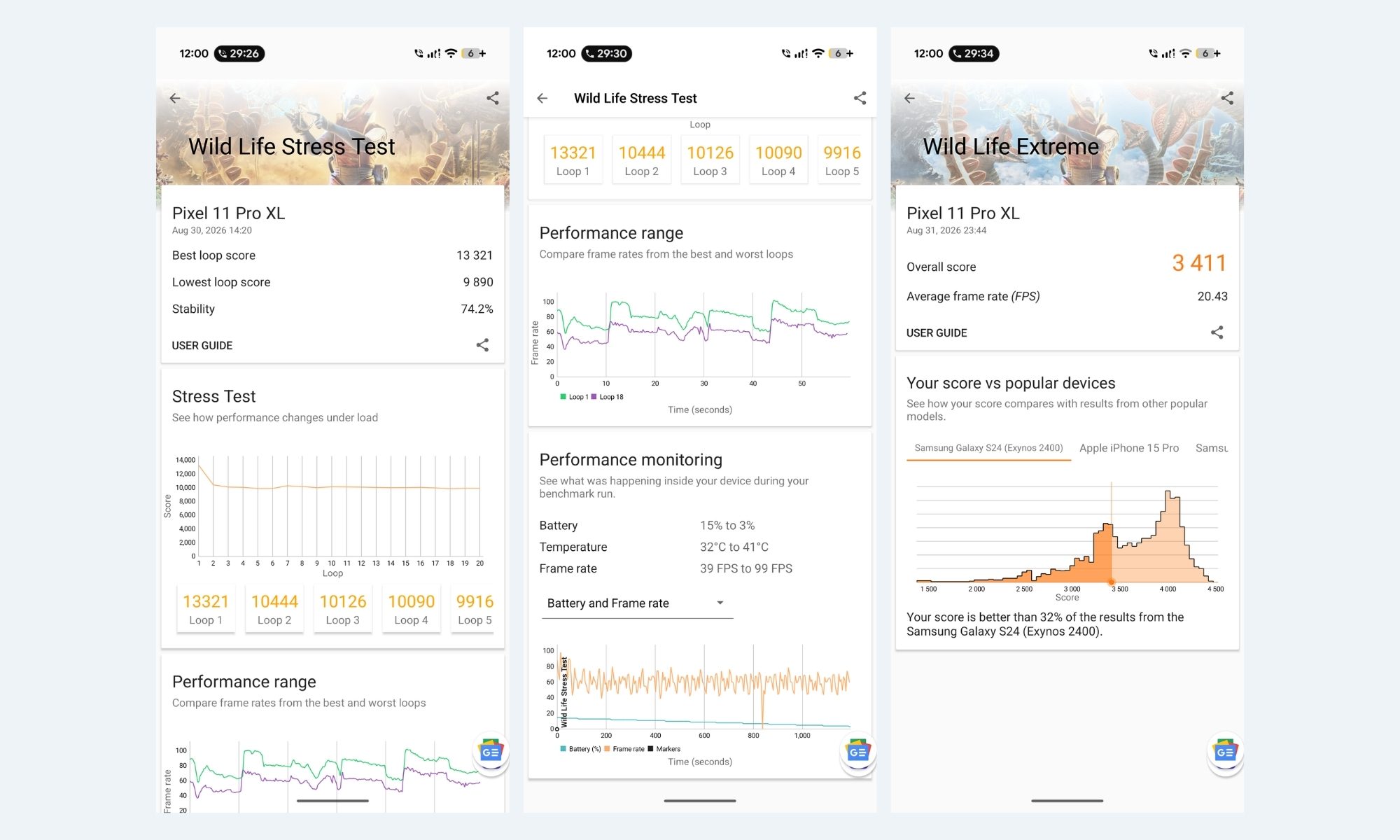
I also saw a similar trend in nearly every other benchmark I ran, including GeekBench 6 (2,662 on single-core and 6,737 on multi-core) and 3DMark Wild Life Extreme (3,411 points with an average frame rate of 20.43 fps). Giving credit where due, the chipset holds its ground well in terms of stability in the 20-loop 3DMark stress test (74.2%), thanks to the larger vapor chamber heat sink.
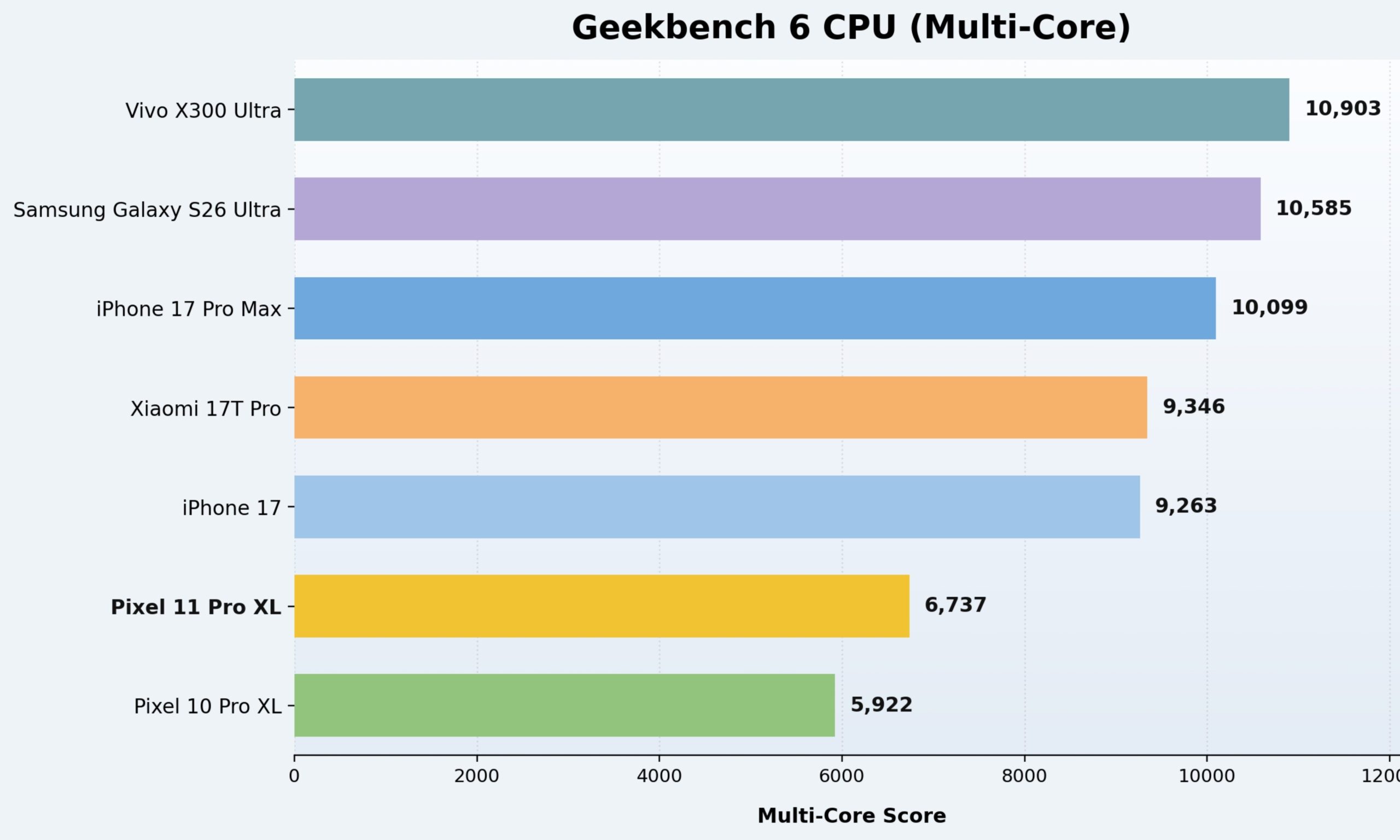
However, aiming for significantly lower peak performance and retaining 74% of it isn’t something I expect from a $1,419.99 smartphone. That is why the Pixel 11 Pro XL takes around four to five seconds to process pictures in challenging lighting or doesn’t support 120 fps in Battlegrounds Mobile India (BGMI), an adaptation of PUBG: Mobile. Zenless Zone Zero stutters a lot, especially during high-intensity action sequences with heavy animations.
When pushed, the phone gets noticeably warm.
Whether it’s capturing back-to-back pictures, recording videos, running benchmark tests, or playing a heavy video game for more than 15 to 20 minutes straight. These are the same demanding stretches where that lower peak performance already starts to bite.
While most users might not want to edit videos or play AAA gaming titles on their device, I’d expect my $1,400 smartphone to be able to do that. Higher peak performance, even if it isn’t usable immediately, translates to a better, more responsive smartphone a couple of years down the line; it simply buys the phone a longer shelf life.
This is the only flagship I’ve tested and used in 2026 (the S26, the S26 Ultra, the OnePlus 15, the iPhone 17, and the iPhone 17 Pro Max) that doesn’t prioritize raw performance over everything else.
Performance score: 7.5/10
Google Pixel 11 Pro XL software: Android 17 gives the Pixel plenty to like
Quick Take: Android 17 brings plenty of genuinely useful features, while Google’s AI is impressive in places but still hit or miss.
The Pixel 11 lineup ships with Android 17, and Google backs it with seven years of Android and security updates, good until 2033. My concern is whether the Tensor G6 can hold its ground long enough to keep everything running that whole time smoothly.
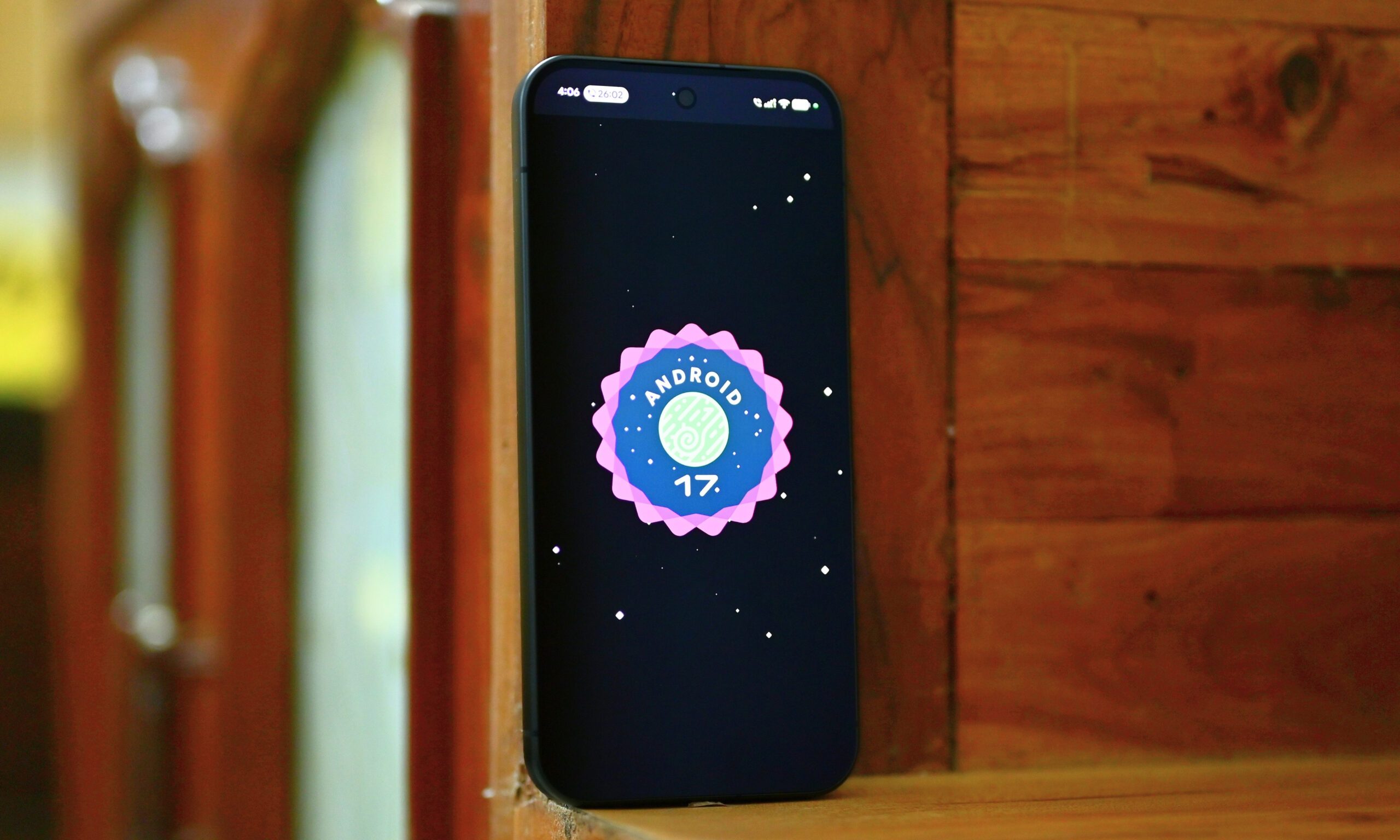
What makes this promise more exciting than Samsung’s, though, are the quarterly Pixel drops. Google shipped the last one in June 2026, adding AI-powered screen reactions and floating app bubbles, with the next expected around September.
Android 17 itself is loaded with new features. One of my favorites is App Bubbles, which turns any app into a floating icon for quick, frequent access.
On a regular workday, I keep Chrome, Teams, and WhatsApp pinned as floating icons side by side.
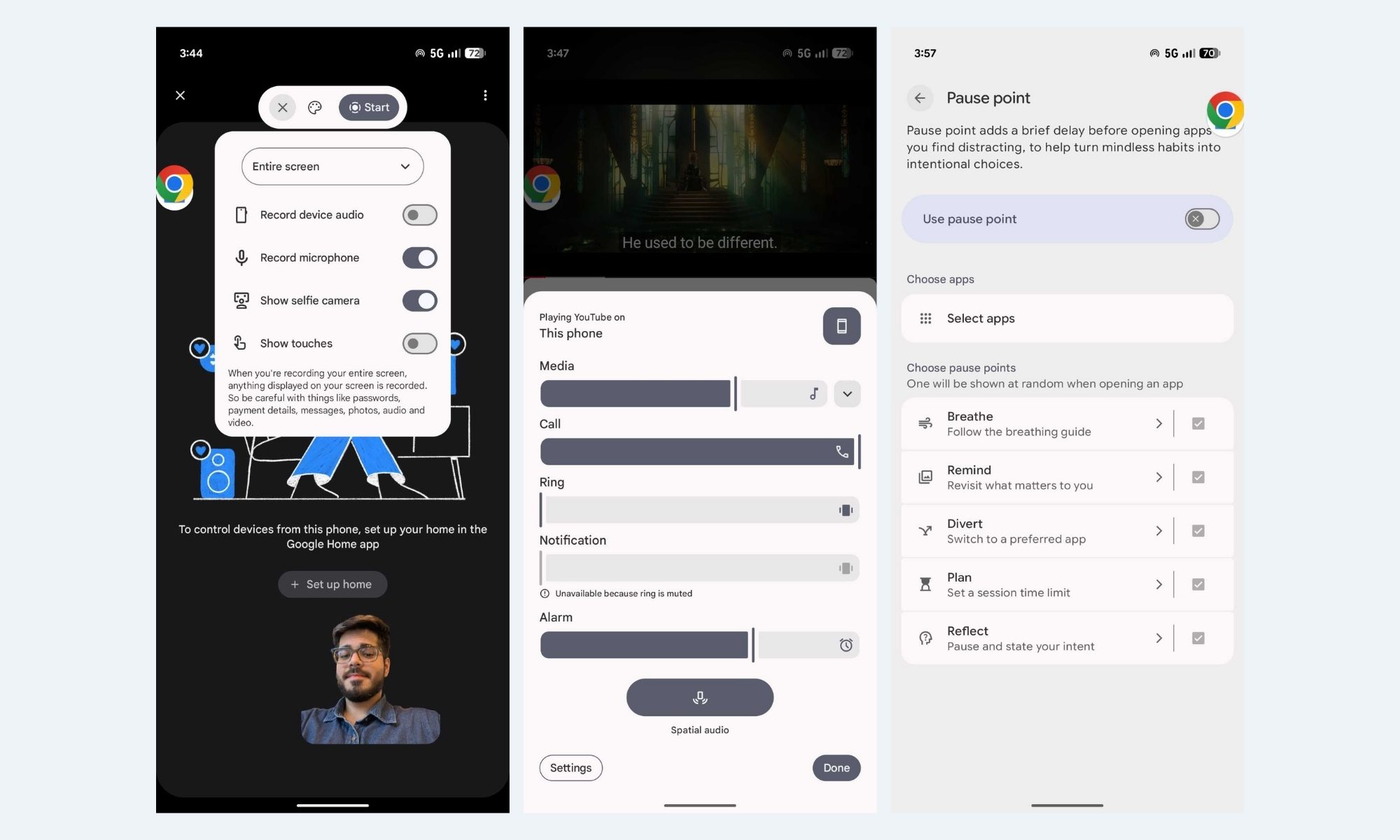
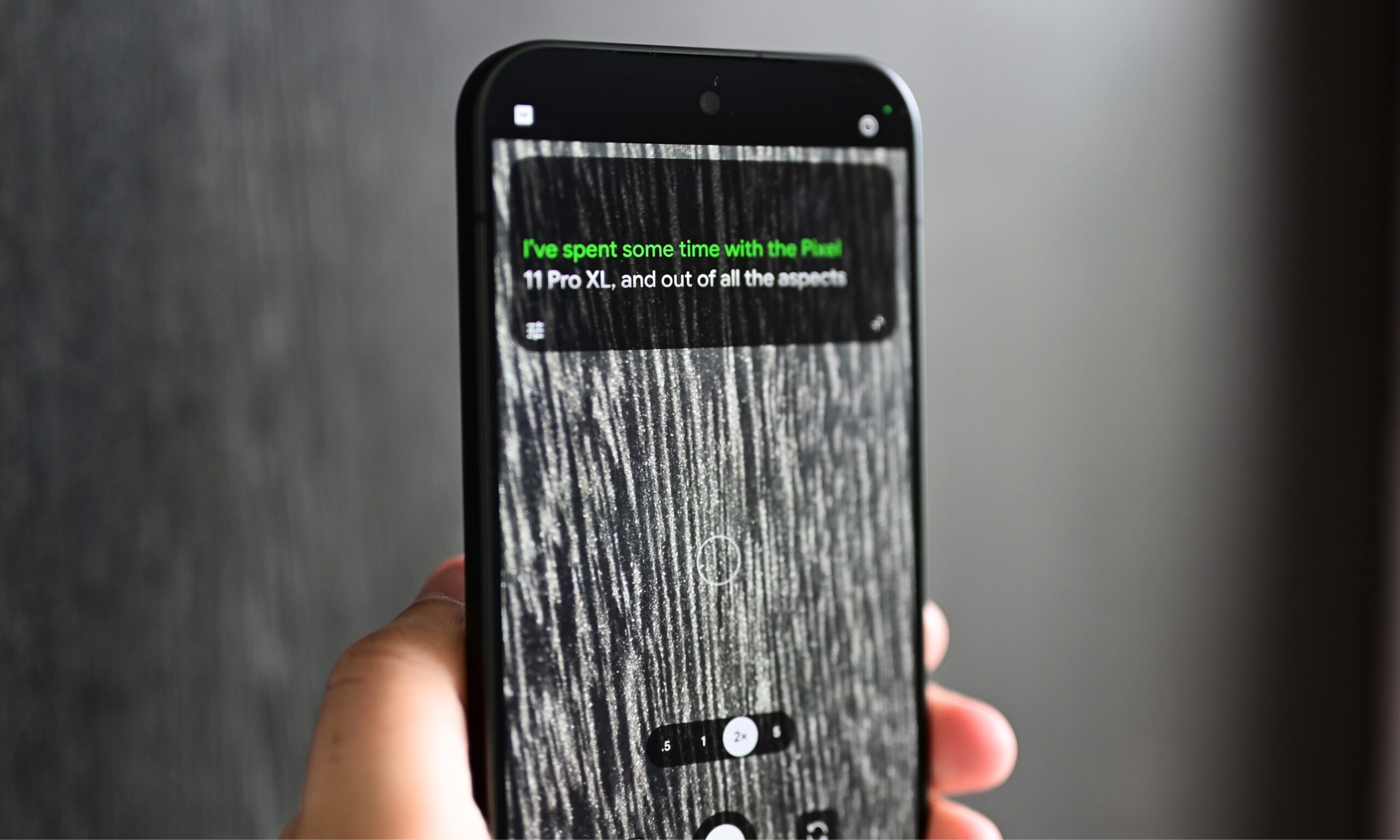
I haven’t used it much myself, but I know plenty of video creators who swear by Screen Reactions. It overlays your front-camera feed, with the background stripped out, directly on top of a screen recording. For reaction videos, shopping guides, or anything explained over on-screen visuals, it eliminates the need for a third-party app and hours of editing.
I also appreciate the decoupled volume sliders for virtually everything: media, calls, ringer, notifications, alarms. I’ll admit I still prefer the Liquid Glass design language on the iPhone, but not having any of these features on my iPhone 17 makes me a little jealous. Apple, if you’re reading this, consider it a friendly request.
Another feature worth flagging is Pause Point. Tucked into the Digital Wellbeing dashboard, it tries to break your habit of instinctively opening social media or gaming apps by adding a brief delay before they actually launch, filling the gap with a breathing exercise or a reminder of the day’s important tasks. If you’ve ever caught yourself doom-scrolling before you even realized you’d opened the app, this is one of the more effective ways I’ve found to interrupt that reflex.
The most fun I’ve had with a single feature in a while is Audio Emoji.
It’s embedded right into the Phone app. It’s been around for a while, but the sheer joy of annoying my friends with it never really wore off.
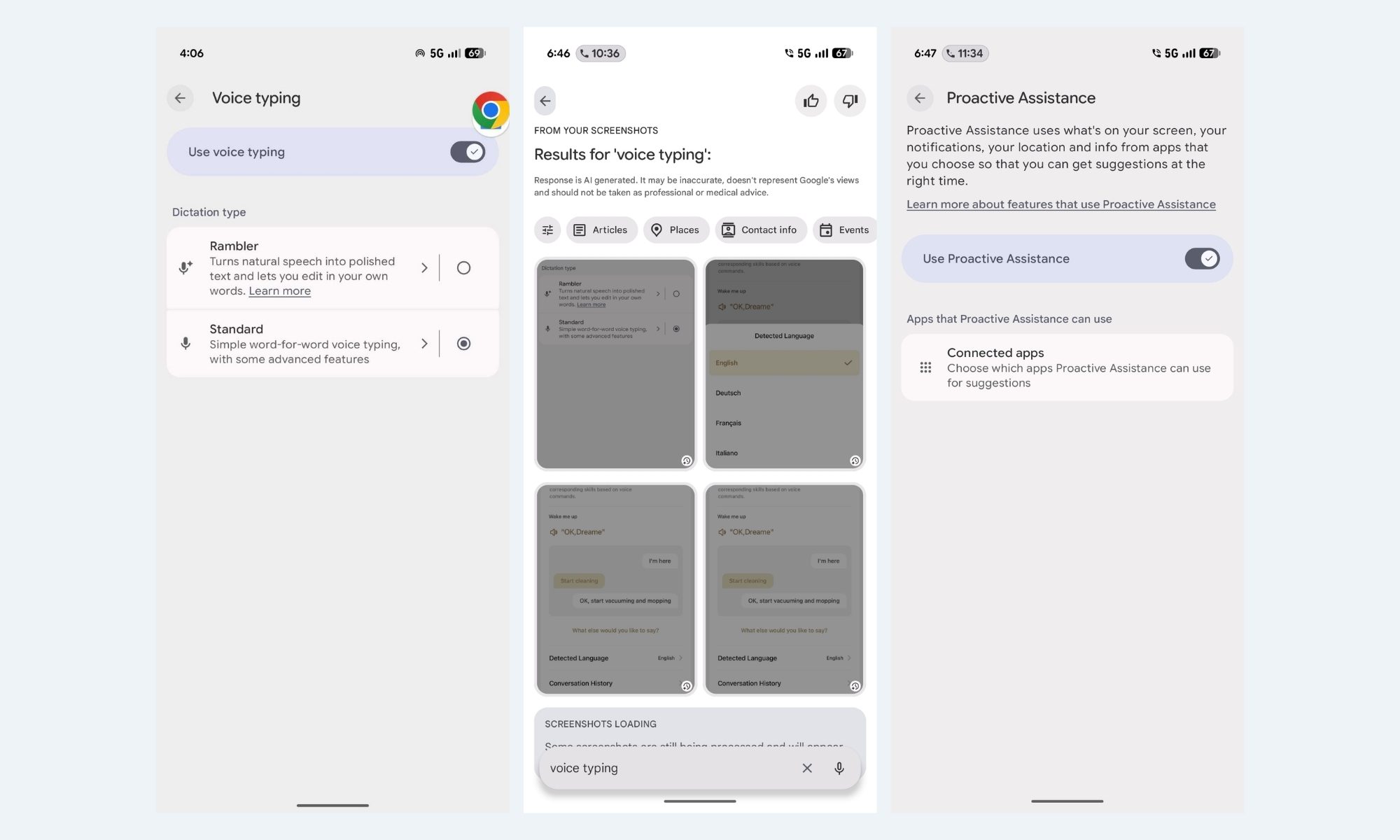
Now, the elephants in the room: Google’s new AI features. I’ve been most curious about Rambler, a built-in voice-typing tool that basically straightens out everything you say. It’s excellent at removing the “umm” pauses, but it occasionally stumbled on repeated phrases, transcribing the same sentence twice instead of catching itself. Even so, it’s found a permanent place in my daily workflow.
Pixel Screenshots deserves its own mention. Every screenshot I save gets quietly processed on-device, pulling out addresses, prices, dates, whatever’s relevant, with room for me to scribble a note on top before filing it away. Despite turning on Suggestions under Google Messages’ settings, the smart, contextual nudges I expected — the kind that quietly resurface an unanswered text or draft a reply based on what’s actually being discussed — rarely showed up in daily use.
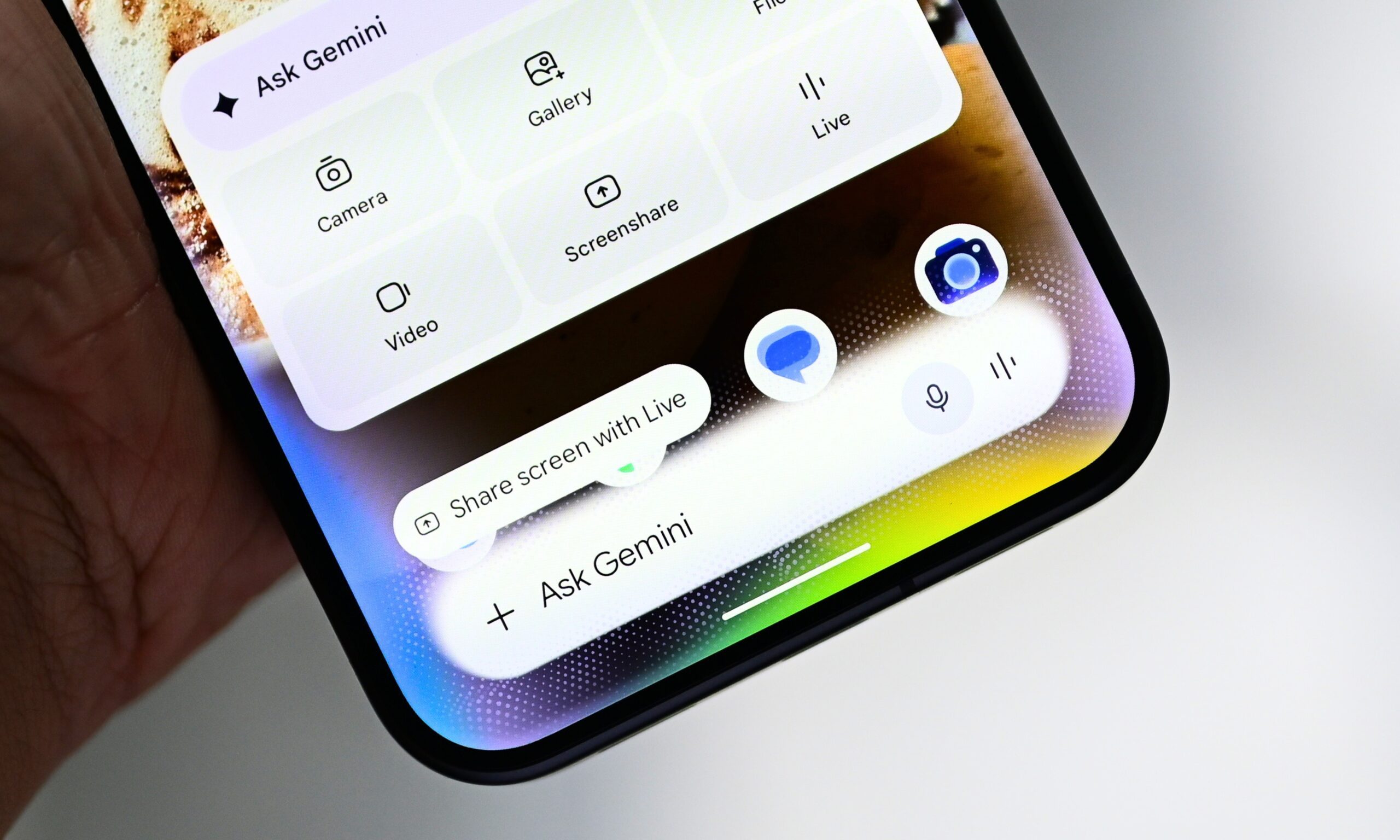
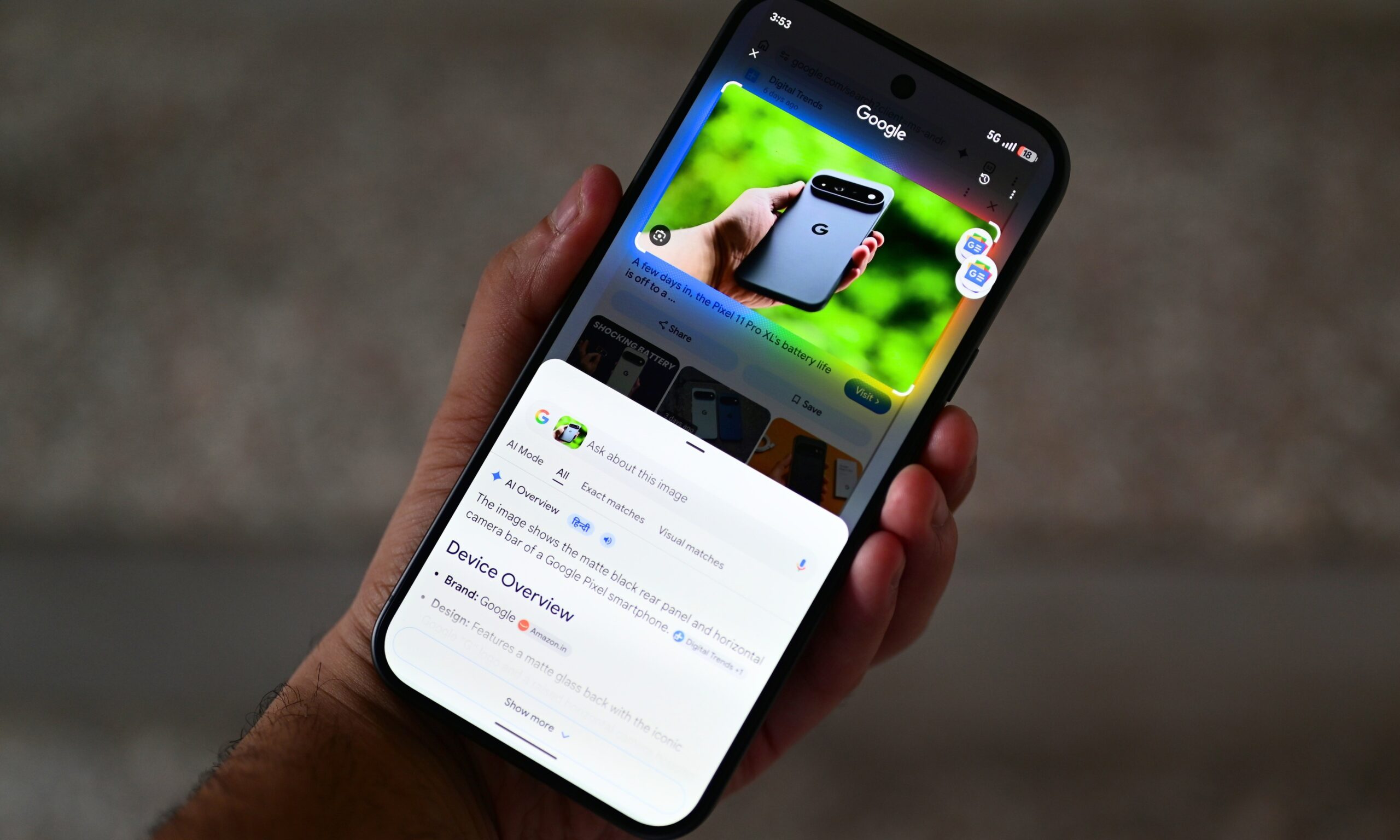
I’ve also leaned on other Gemini touchpoints regularly. Circle to Search, which lets me highlight practically anything on screen (a product in a photo, a line of text, a paused video frame) and search it without leaving the app I’m in, and AI Overviews in Gmail, which condenses a long, sprawling thread into a few lines the moment I open it. The latter, at least, is also available in the Gmail app on my iPhone 17.
Software Score: 8.5/10
Google Pixel 11 Pro XL camera: The telephoto sensor steals the show
Quick Take: The telephoto and selfie camera impressed me, though Google’s imaging pipeline could use some polish.
Google’s latest flagship gets three rear-facing cameras, and none of them is a 10 or 12MP sensor. Though it borrows the 50MP (f/1.7, 1/1.3, OIS) primary sensor from the Pixel 10 Pro, it’s the telephoto and ultrawide that have received major upgrades.
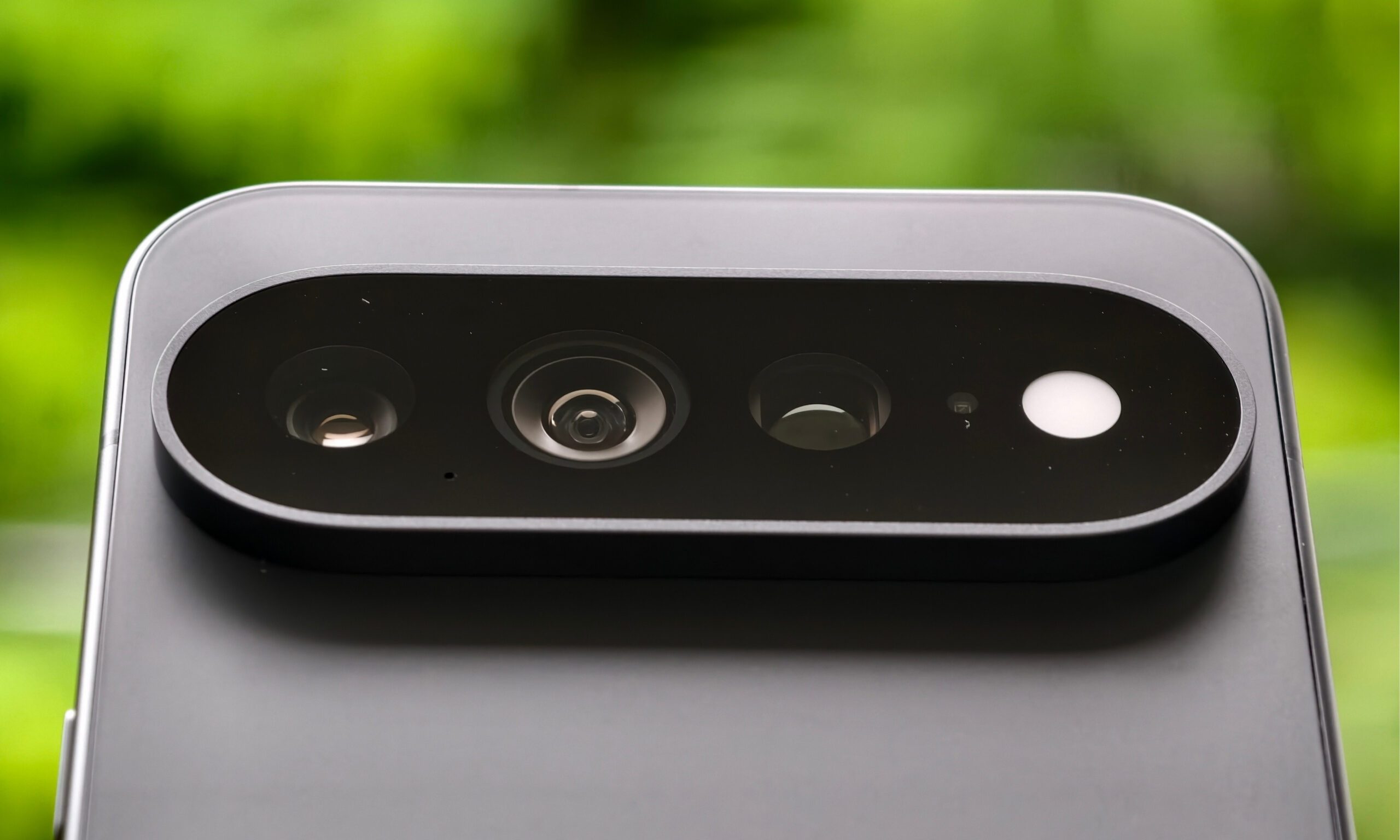
The 48MP (f/2.8, OIS) 5x optical zoom camera gets a substantially larger sensor (1/1.95″ vs. 1/2.55″), capturing more light and detail before it passes through the algorithms. Last but not least, the 48MP (f/1.7, 1/2.51″, PDAF) also gets a slightly bigger sensor, though its field of view (123°) remains the same.
On the front, the Pro XL features a 42MP (f/1.2, PDAF) selfie shooter, and unlike many phones in the segment, it offers an ultra-wide field of view (103°). It’s wider than my iPhone 17’s Center Stage front camera, but it doesn’t let you change the aspect ratio like the iPhone does.
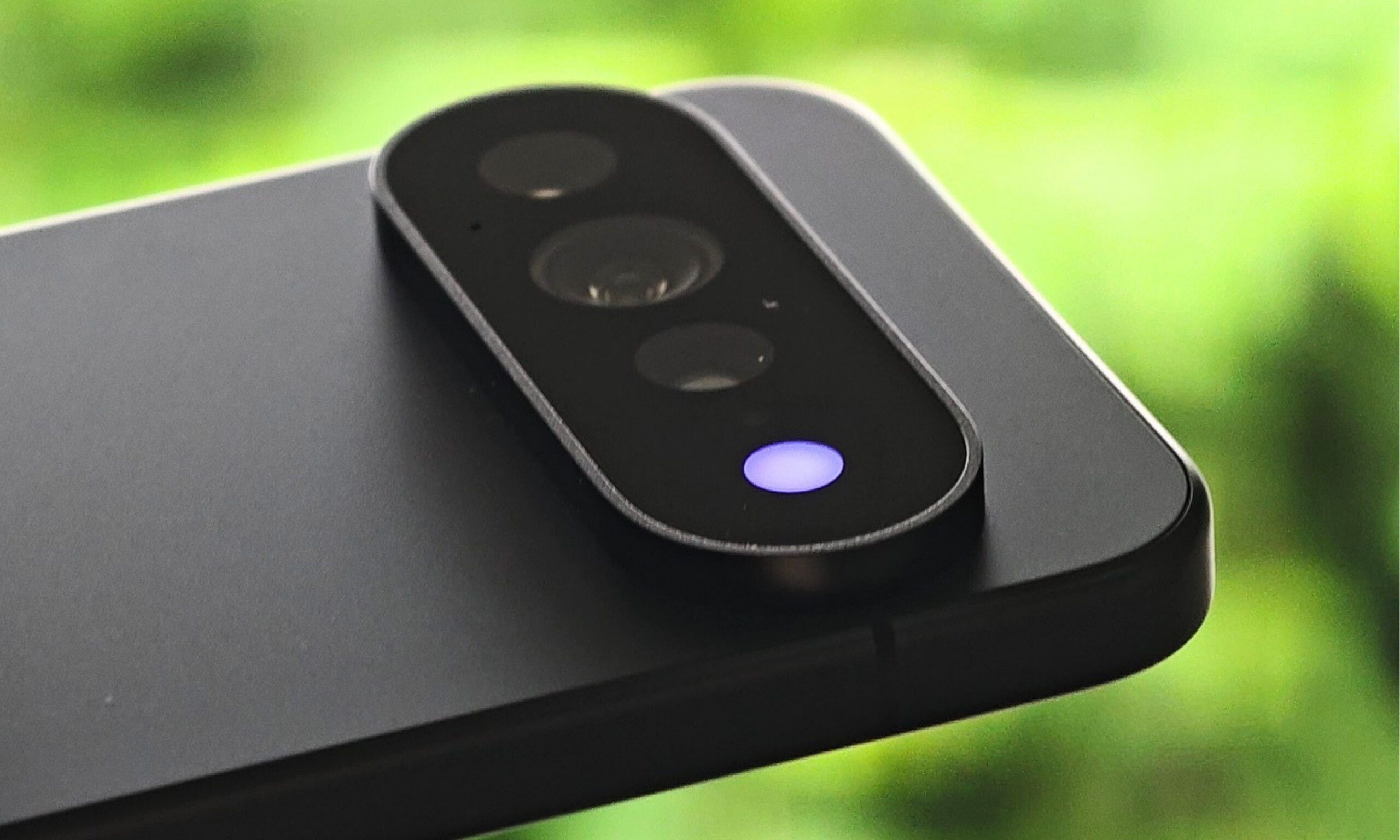
Before we start, I’d like to point out one thing: the LED flash on the Pixel 11 Pro XL isn’t as powerful as the previous generation, or competitors, for that matter.
Primary camera
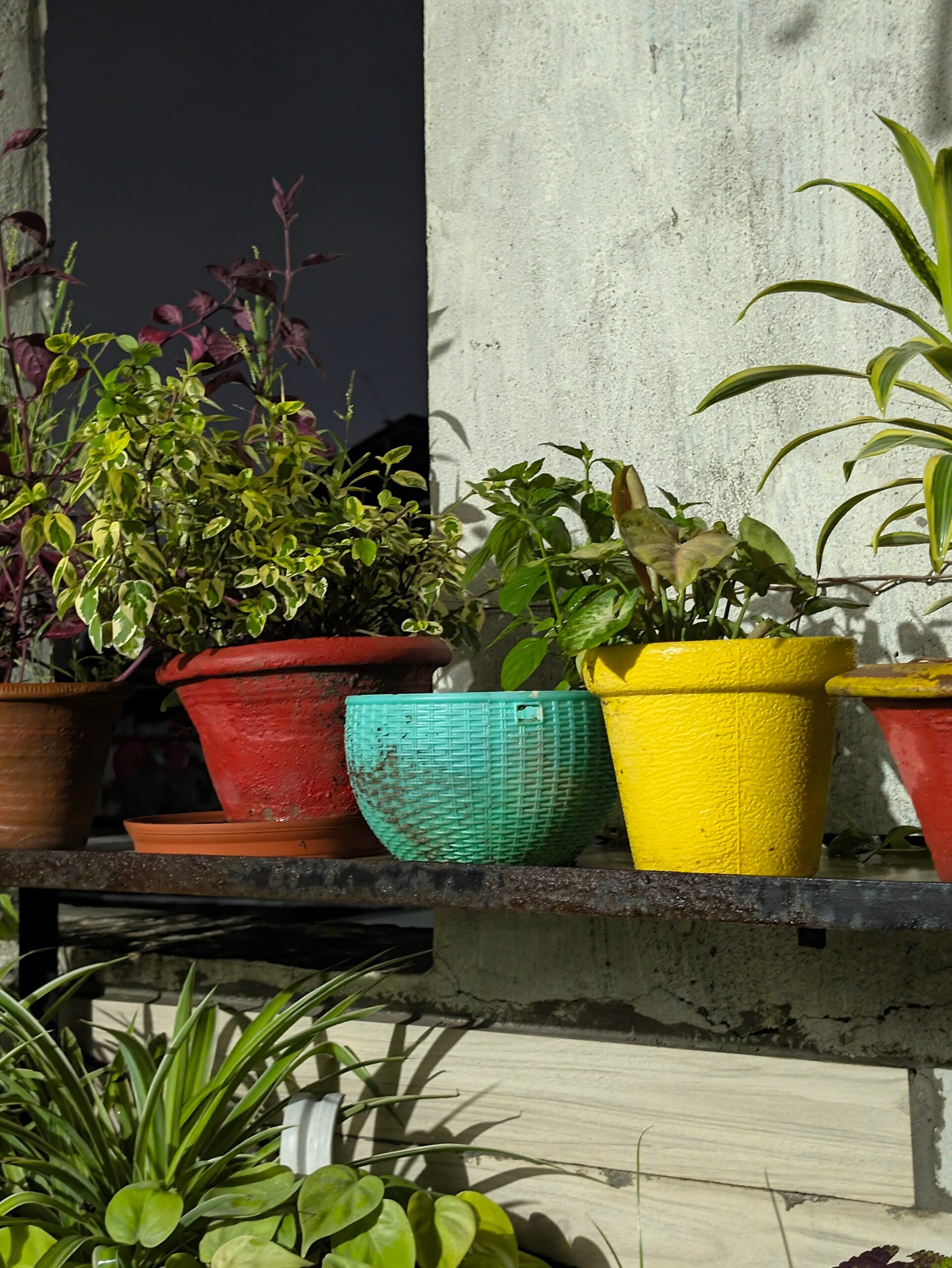
Like the previous Pixels, this one thrives in daylight. The pictures come out crisp and sharp, especially at 50MP resolution, which gives you plenty of detail to crop and reframe a picture later. Google’s imaging pipeline prefers higher contrast, but even then, the highlights and shadows never trample the finer textures.

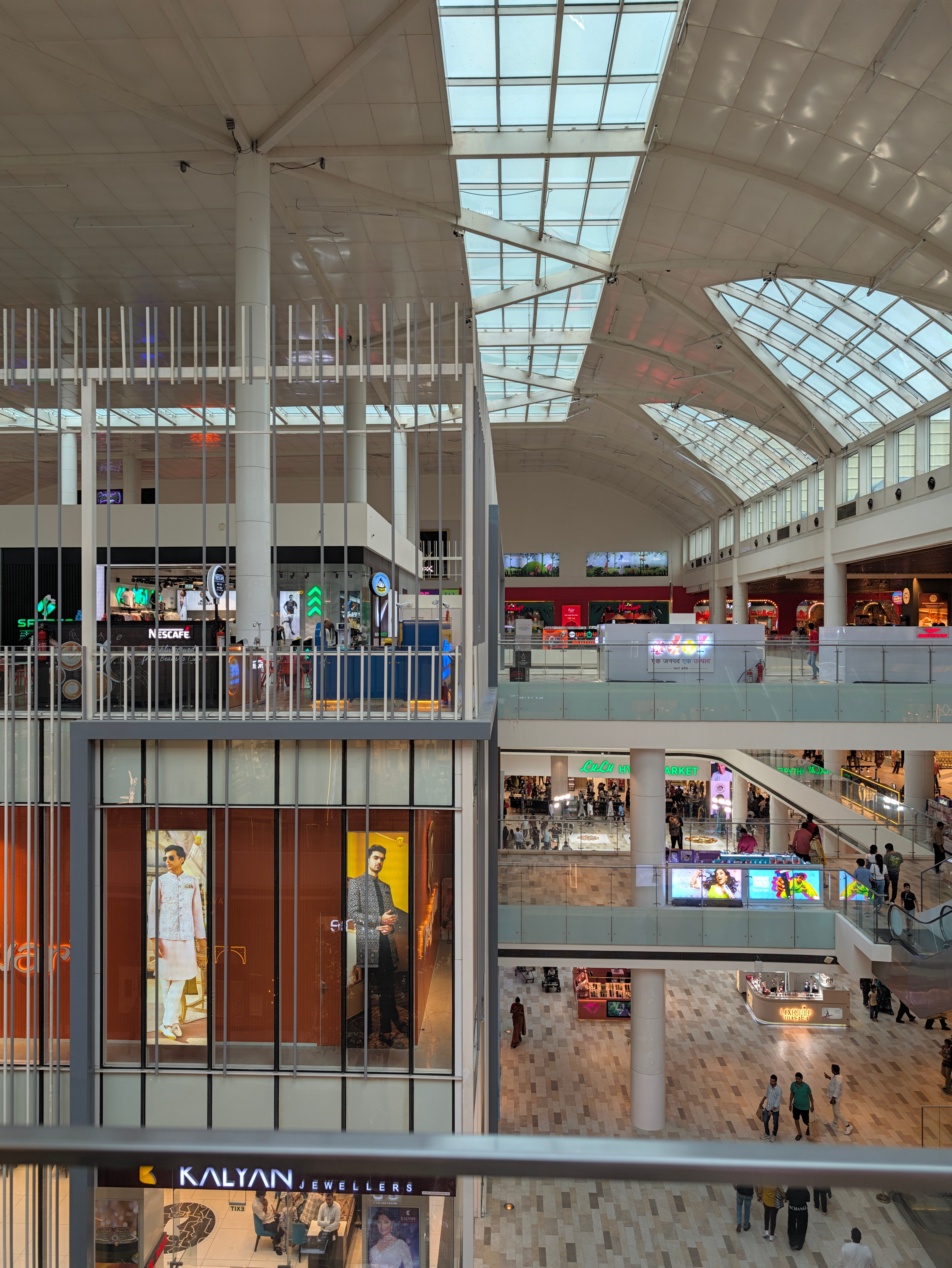
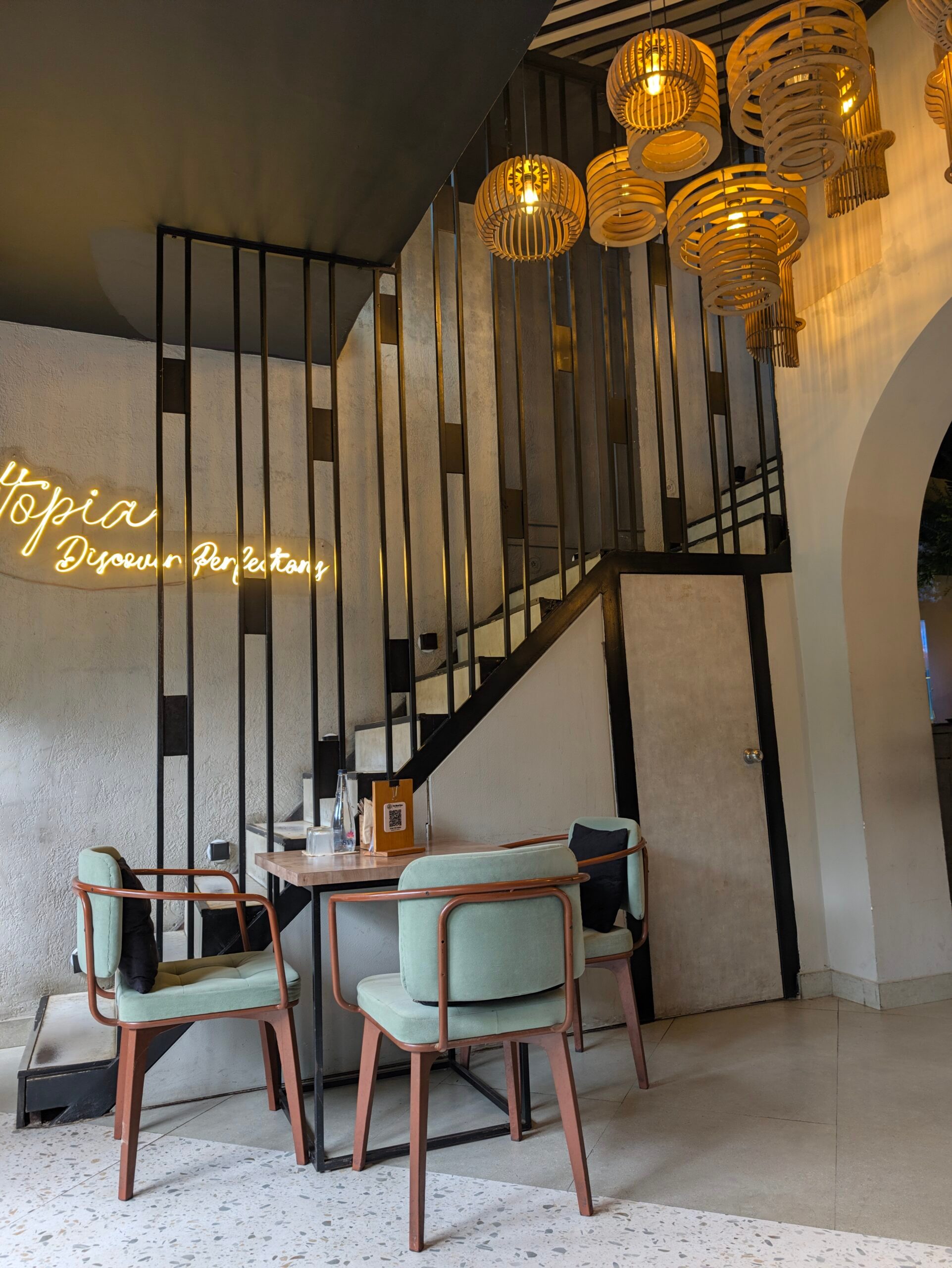
The color accuracy, I’d say, is among the best you’ll find in this segment. Reds and greens hold a natural, true-to-life profile in ample lighting, though the blues are ever-so-slightly elevated. It goes without saying, but there’s virtually no noise creeping into daylight shots, and that discipline carries through into the evening or under overcast skies. The same holds indoors.
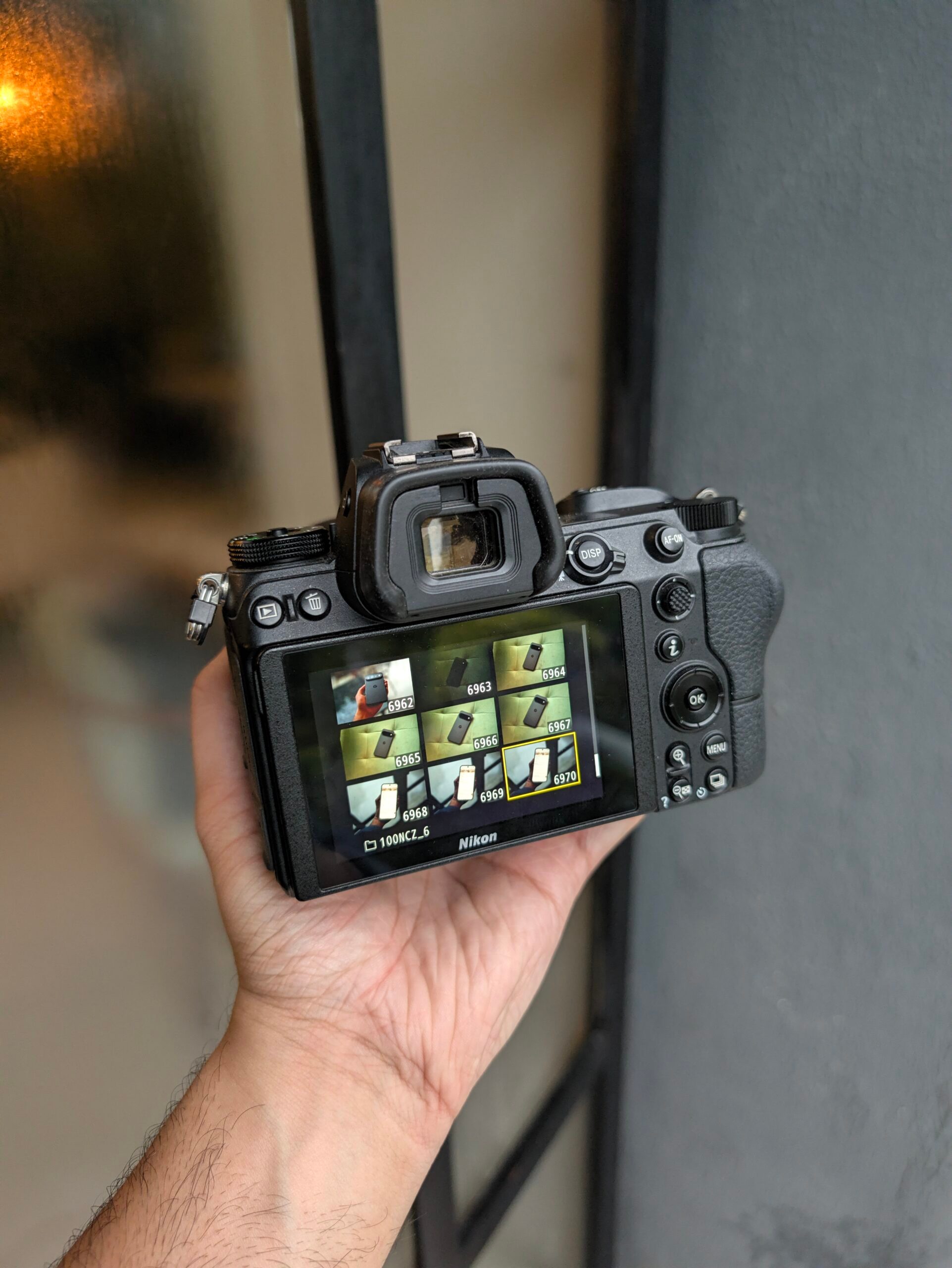

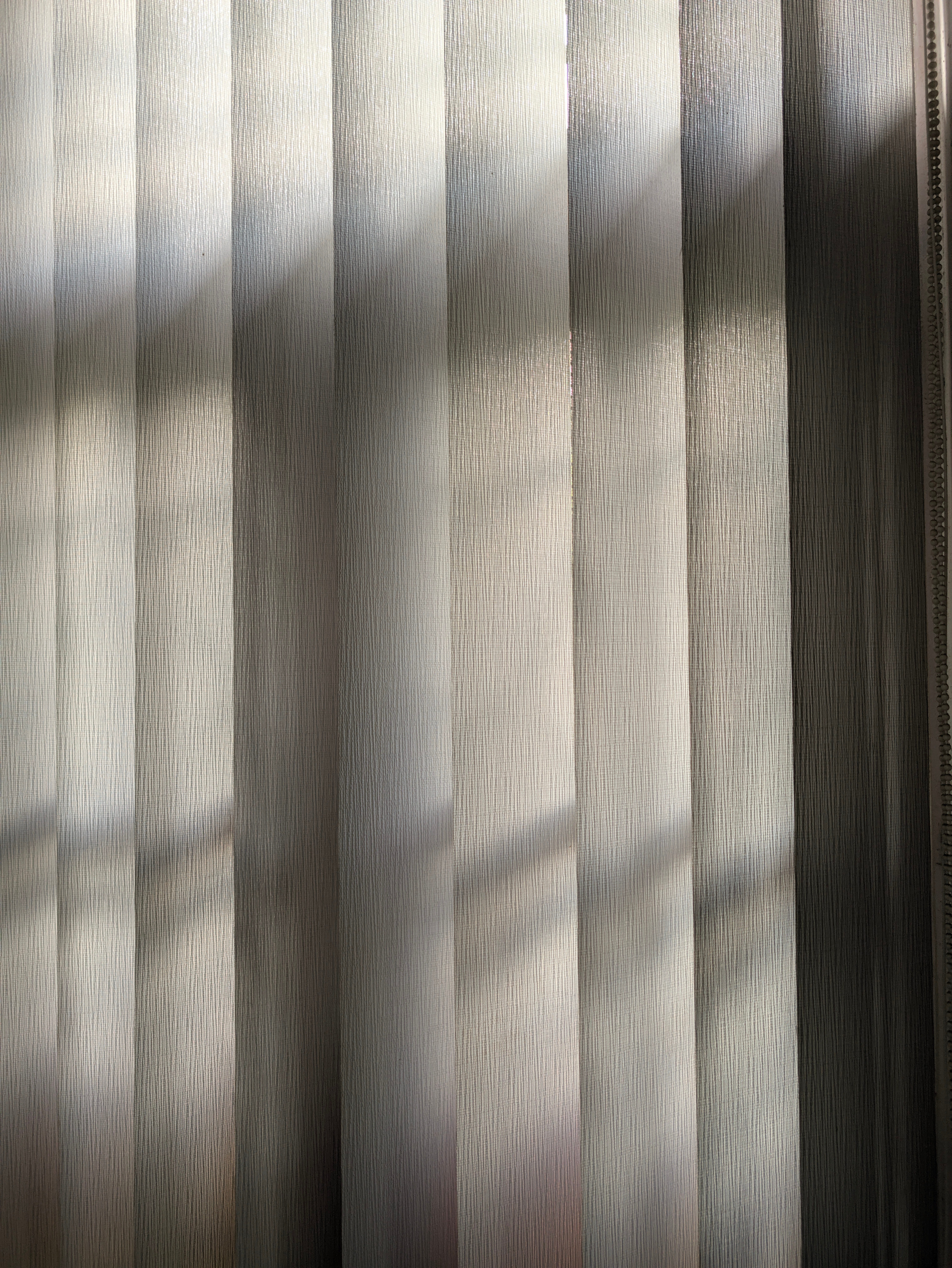
If you’re capturing something in your hand or someone standing just a few steps away, the larger sensor size also conjures up a natural, pleasing bokeh. Portrait mode pushes that background blur further still, with edge detection that rarely misses a strand of hair (focus on rarely).


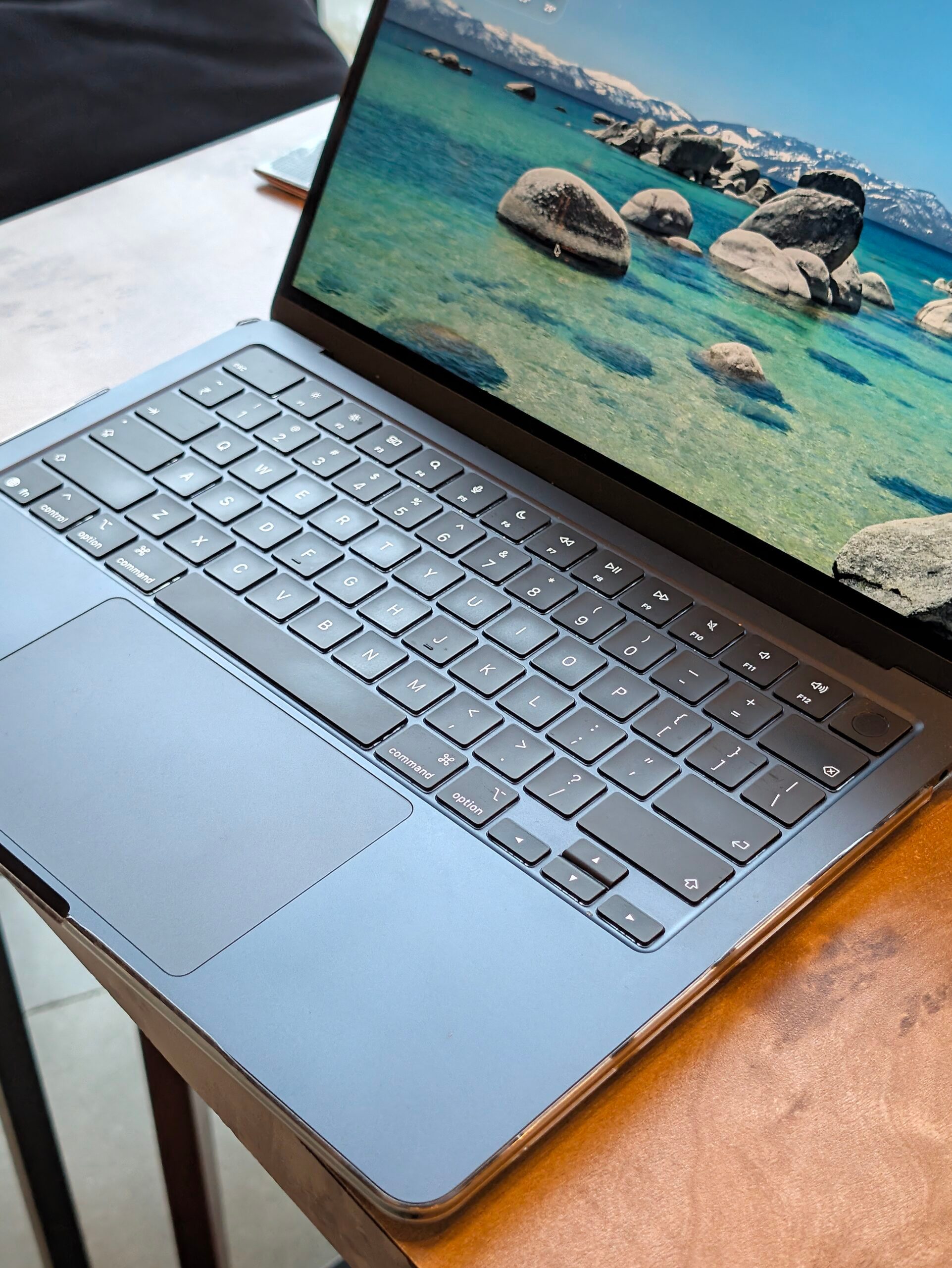
Then there’s the Ultra HDR feature, which cranks the highlights up until they practically demand your eye first. That’s perhaps the only aspect of the Pixel’s camera that feels slightly unnatural, a touch theatrical, even. But the pictures pop on the screen and in apps that support Ultra HDR, so I won’t complain much.
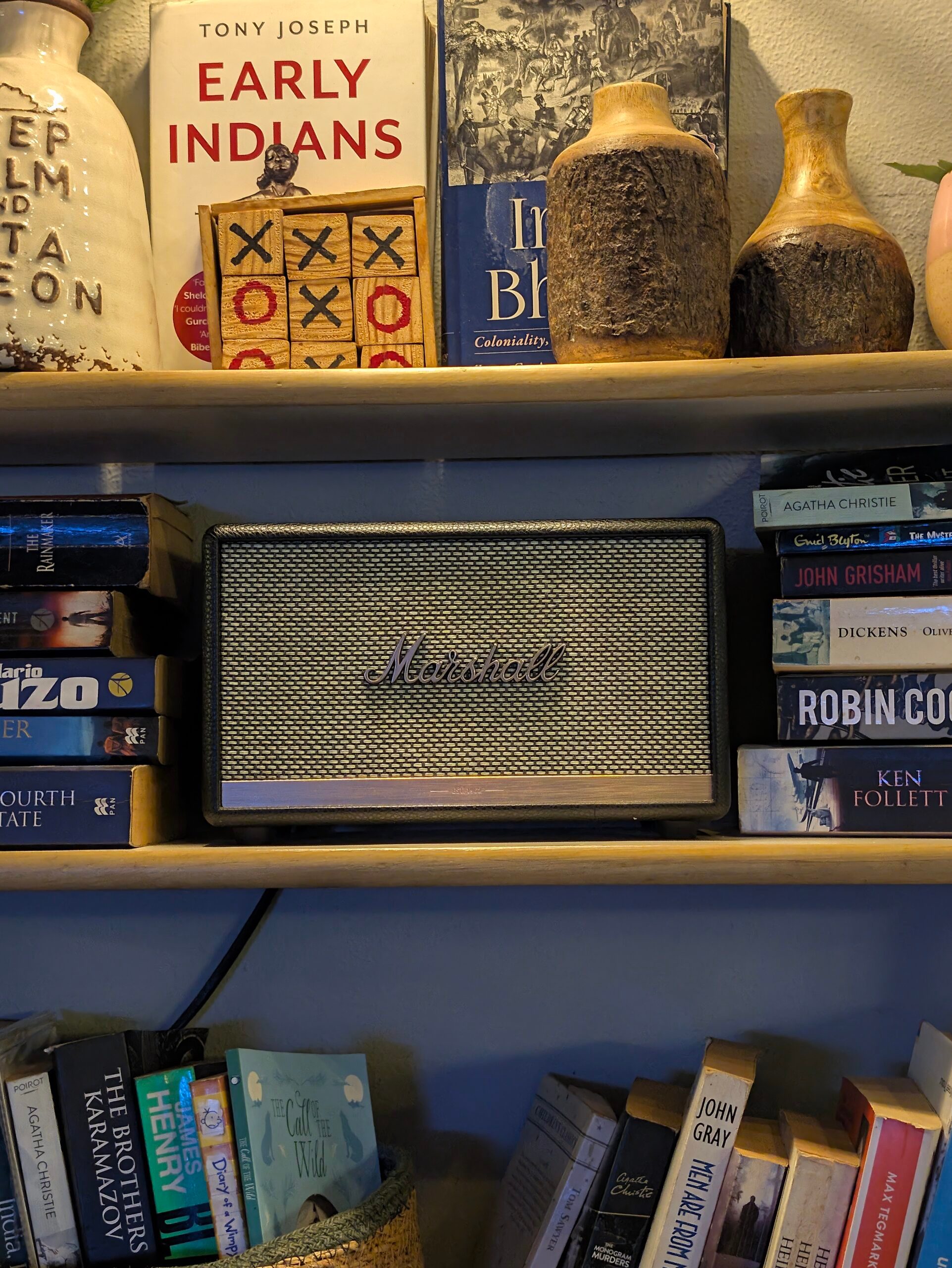
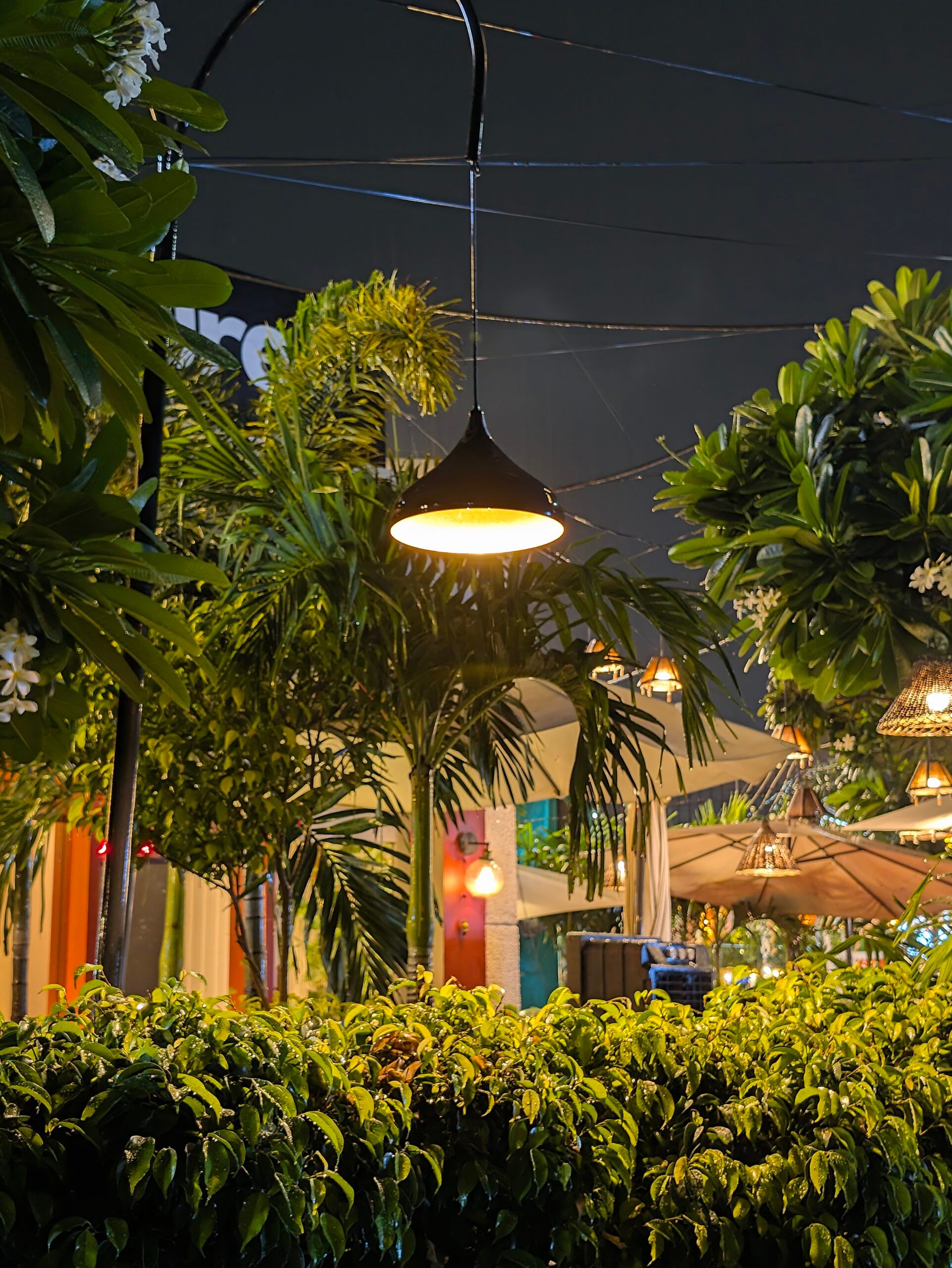
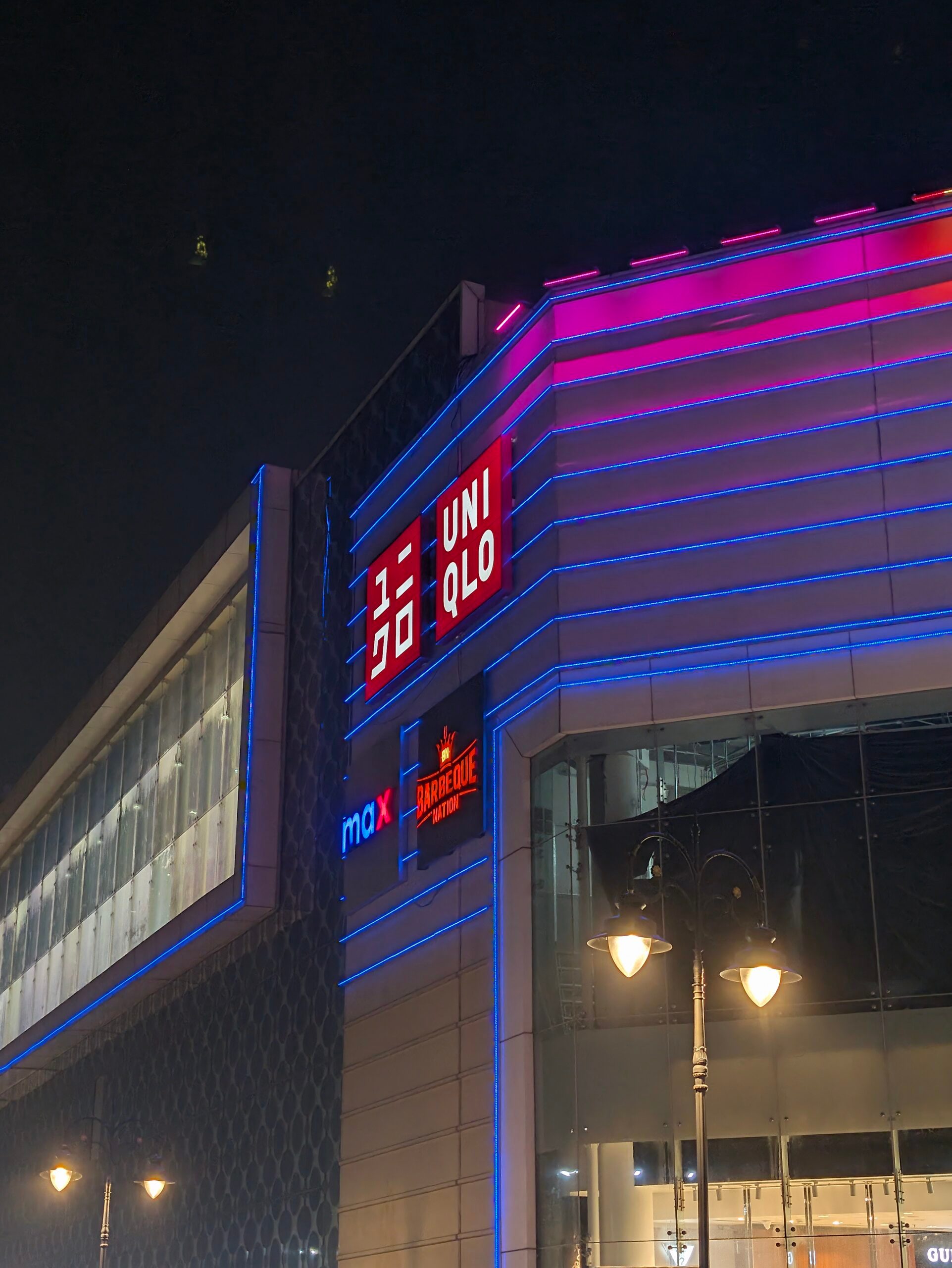
When the scene runs short on light, Night Sight steps in and coaxes up the exposure, contrast, and vibrancy of the shot. With that, you might notice a faint dusting of noise, but it’s kept firmly on a leash. Detail also takes a haircut, but it’s coming down from an exceptionally high bar to comfortably above average, and that’s still an easy trade to accept.

Telephoto camera
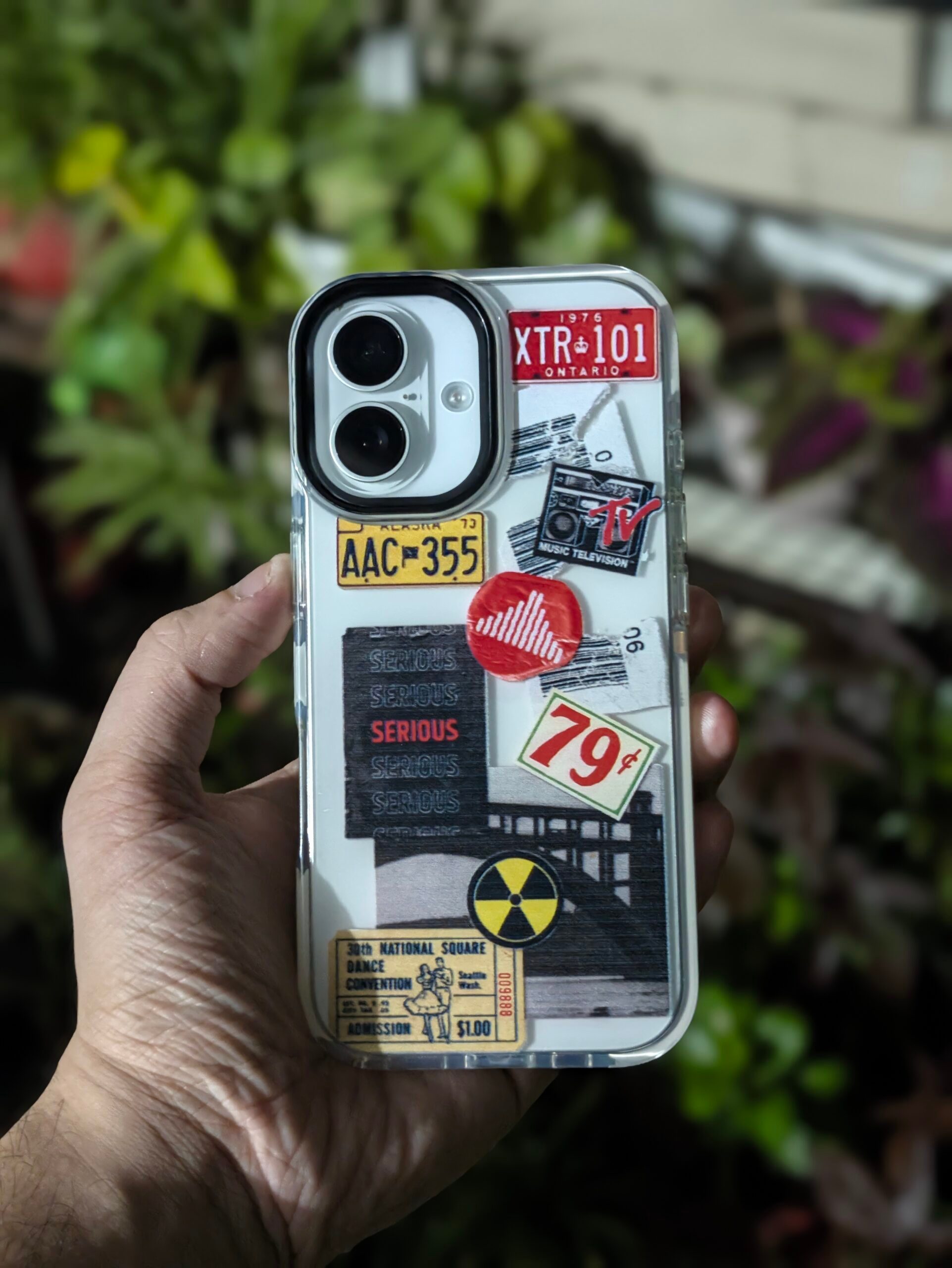
Everything I mentioned about the sharpness, color accuracy, and dynamic range carries straight over to the 5x telephoto camera as well. In fact, I didn’t realize this while taking pictures, but it’s the camera I’ve reached for the most throughout my time with the device.

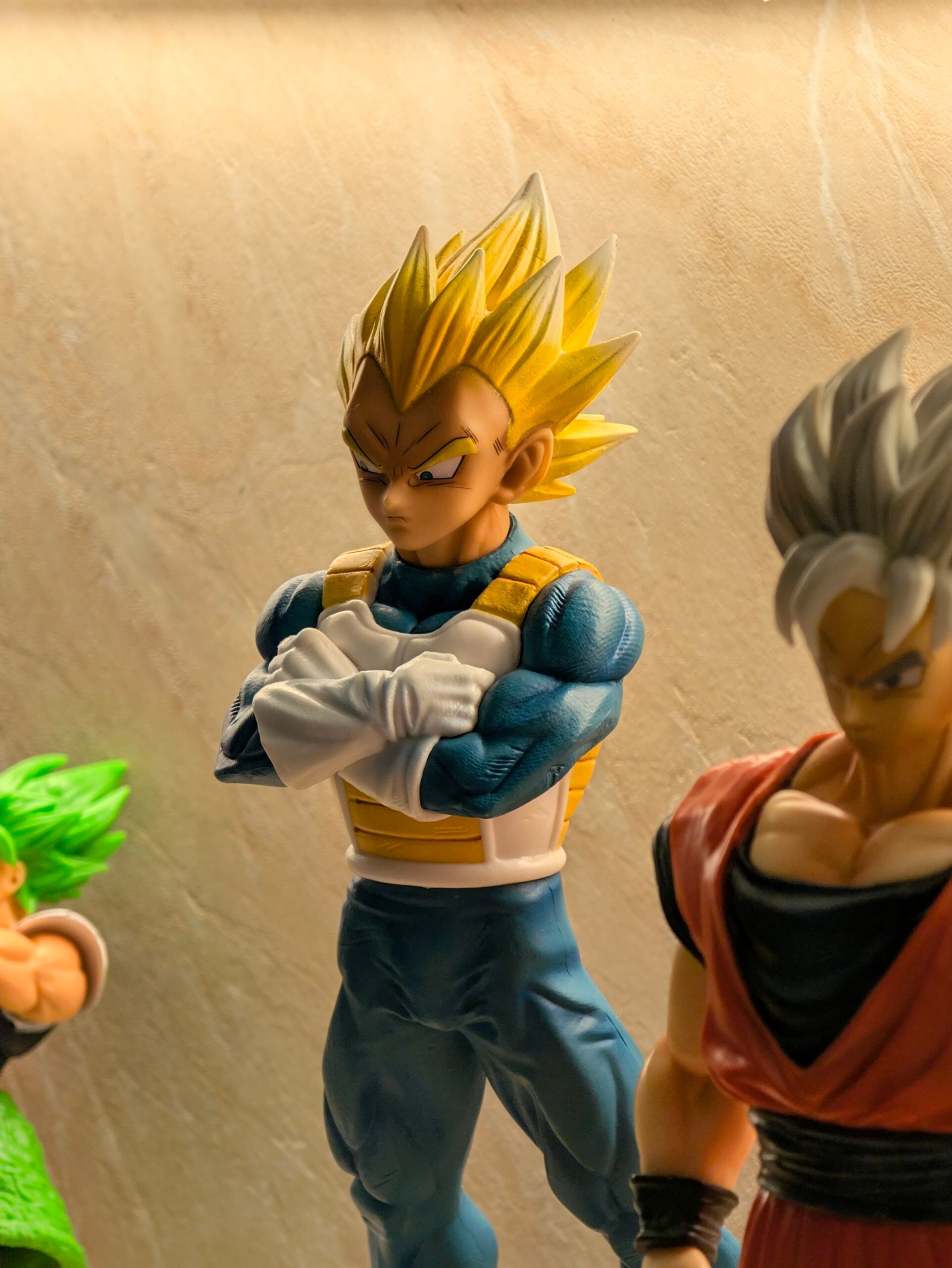

In broad daylight, it lets you close the distance on a subject without the image ever buckling, without flattening contrast or highlights, eight out of 10 times. While the camera provides a progressive background blur, the Pixel 11 Pro models can also shoot portraits all the way out at 5x, something that wasn’t available on previous Pro models.

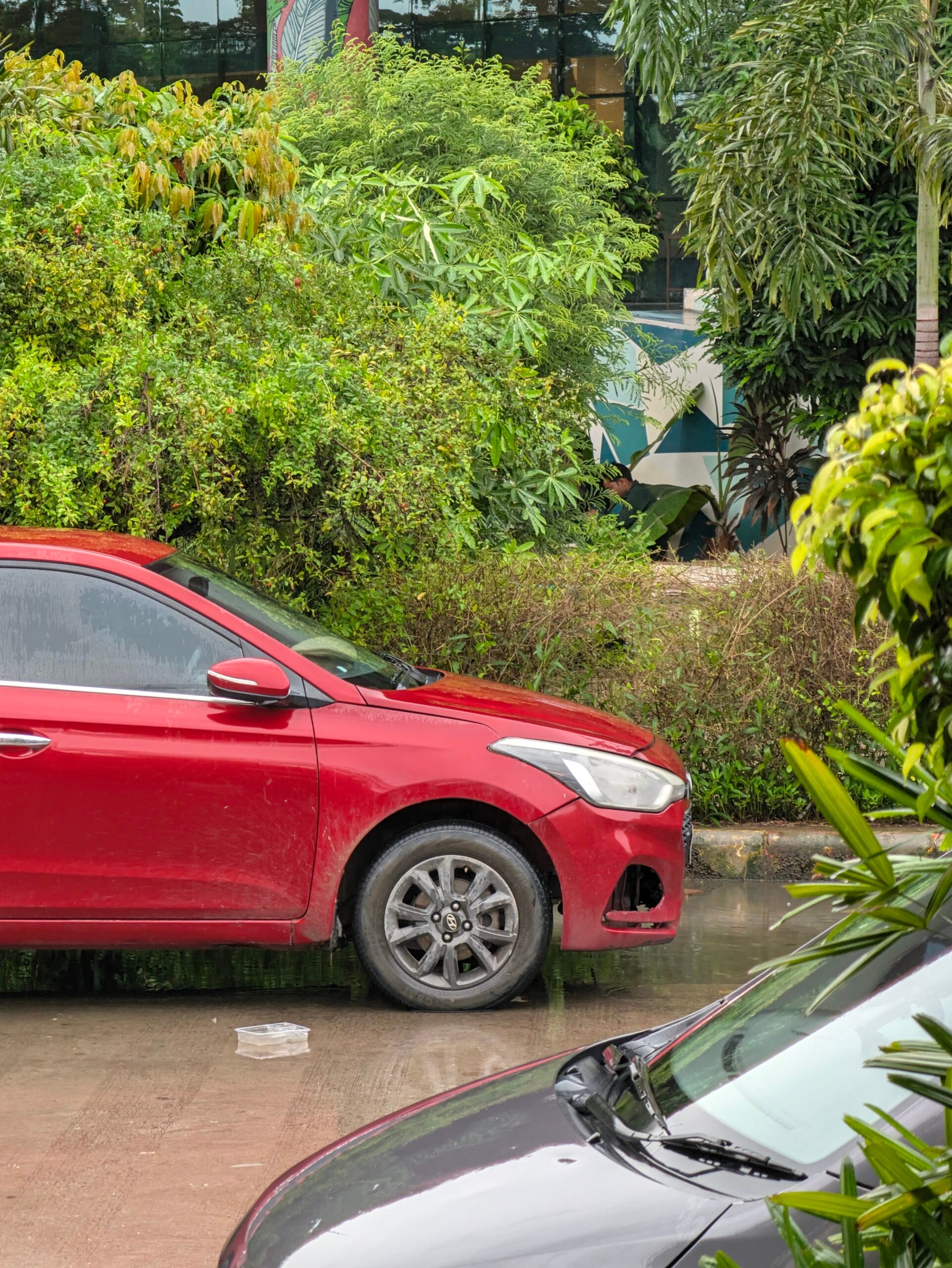
However, while testing the camera, I noticed that low-light portraits in trickier scenarios take on a noticeably greener cast than those captured in regular or Night Sight modes. I was able to coax out the same result at least three times across two different lighting conditions, one of which is also attached below.



Though Google advertises a maximum zoom range of up to 120x, images only hold their own between 10x and 30x; that’s where I’d draw the line. Push past it, and detail falls off a cliff, with the AI upscaling starting to show its stitching (especially in low light).


Ultrawide camera
The ultrawide camera on the Pixel 11 Pro XL pulls double duty. First, it captures vast landscapes while echoing the primary camera’s color science. Second, and the more fun bit, is that it also doubles as a macro shooter. Get extremely close to a subject, and the camera quietly hands off to the ultrawide sensor.


It’s reliable, boasts an almost absurdly wide field of view for capturing vast landscapes, and holds its composure indoors or under mixed lighting. It also has no noticeable fisheye distortion or unnatural facial warping.
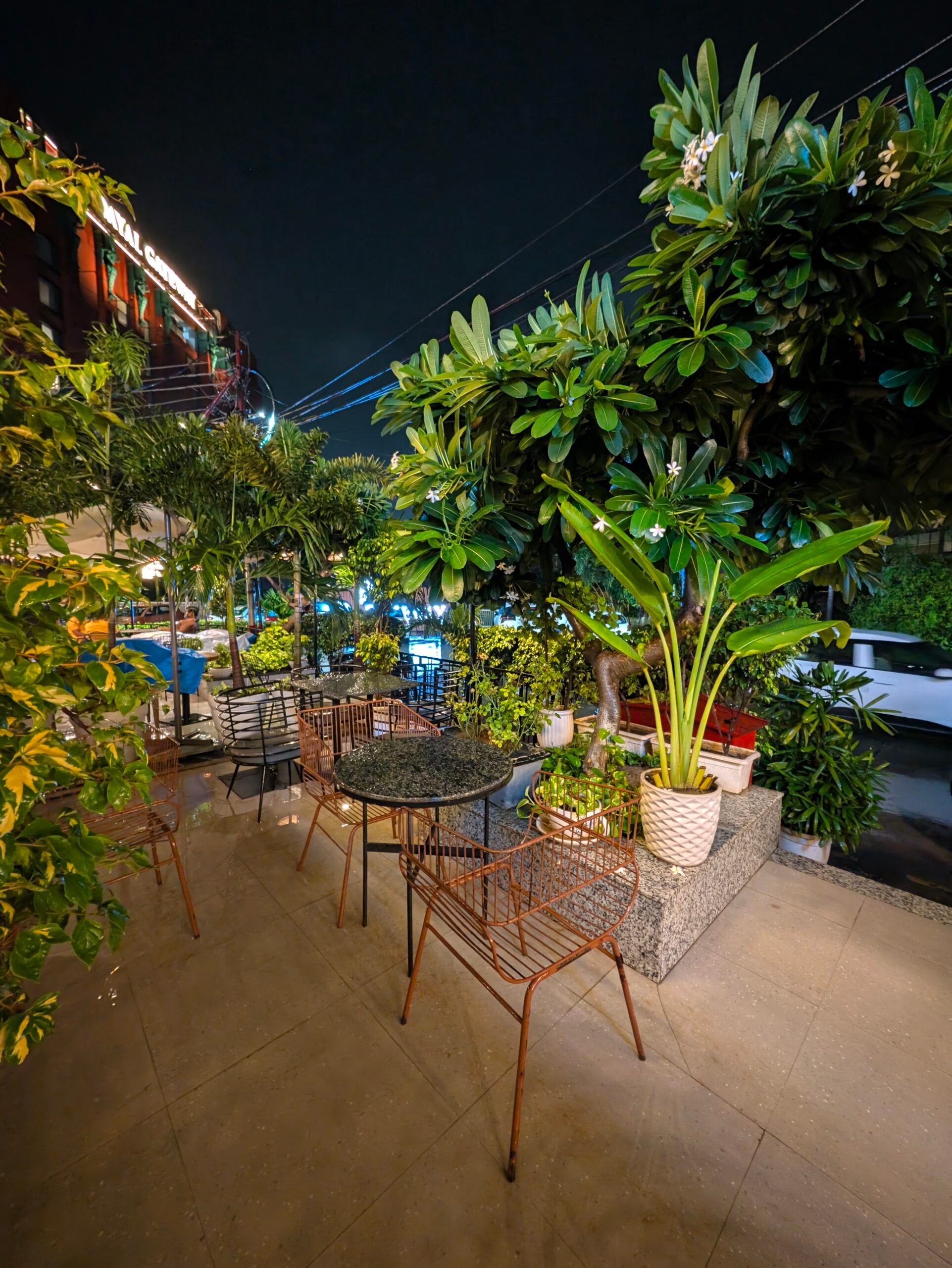
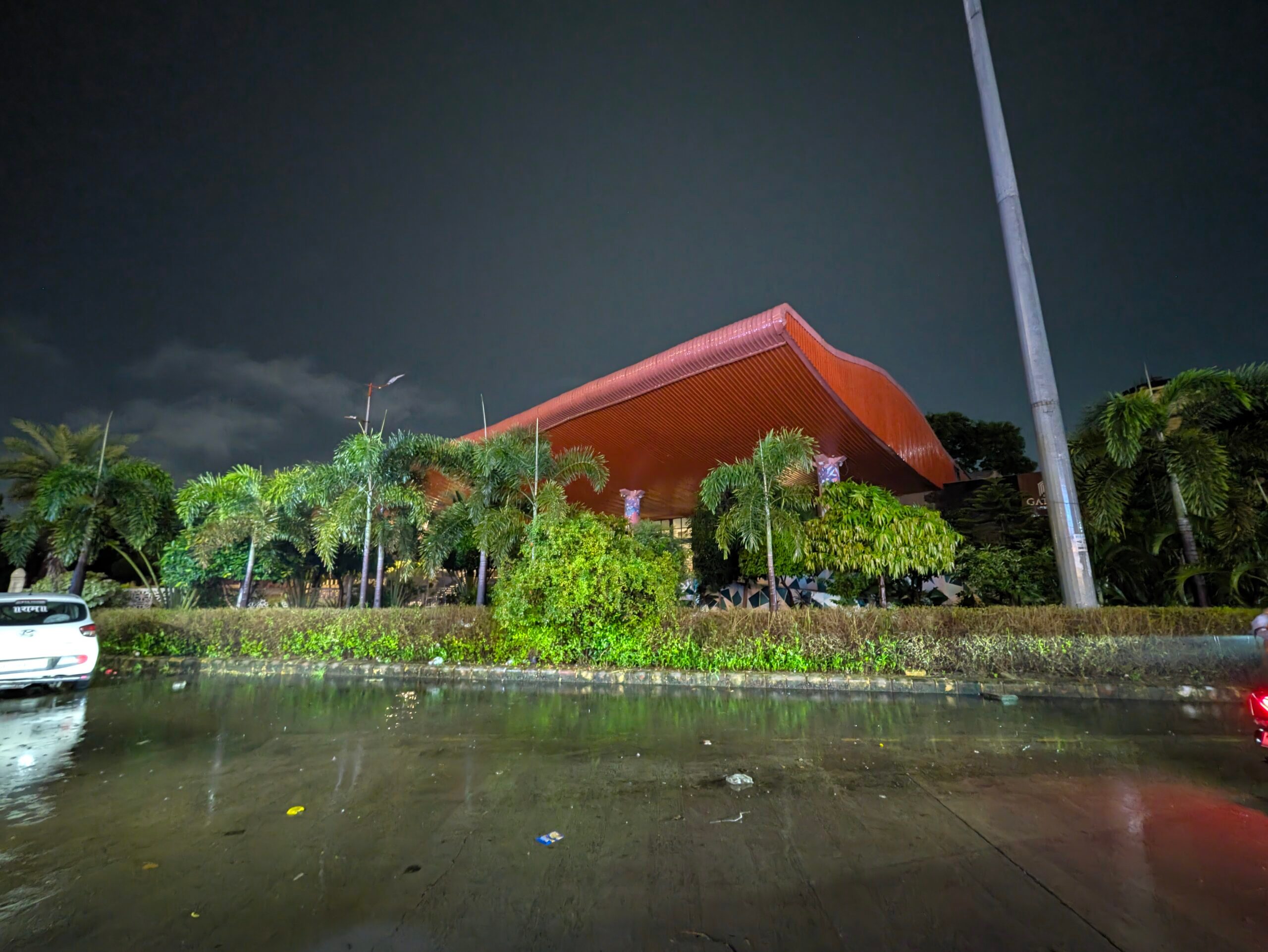
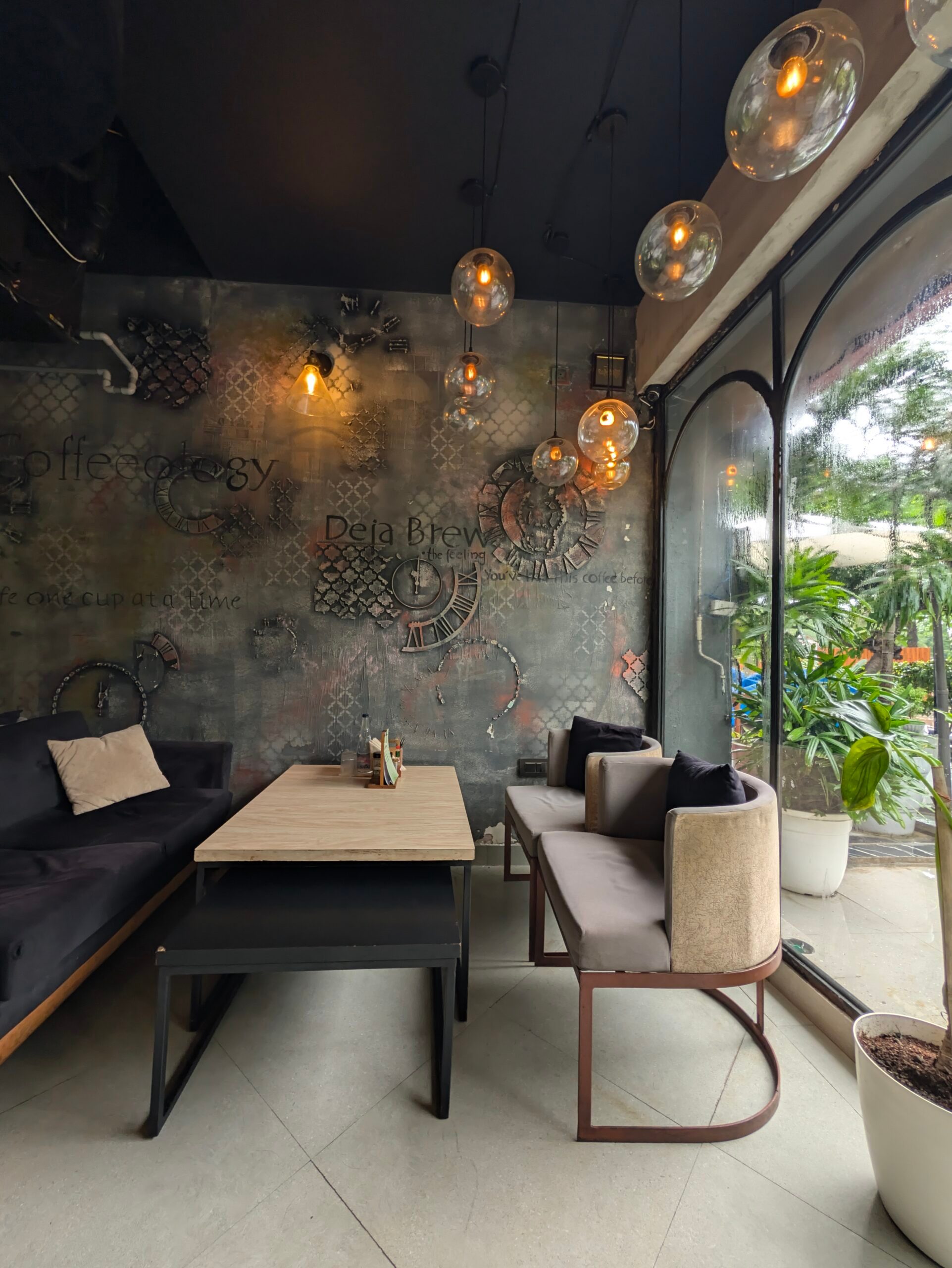
However, compared to the primary camera, I notice more detail bleeding away on this one, especially when I crop in. It also struggles to hang onto detail in shadows, which could be a result of the smaller sensor size.
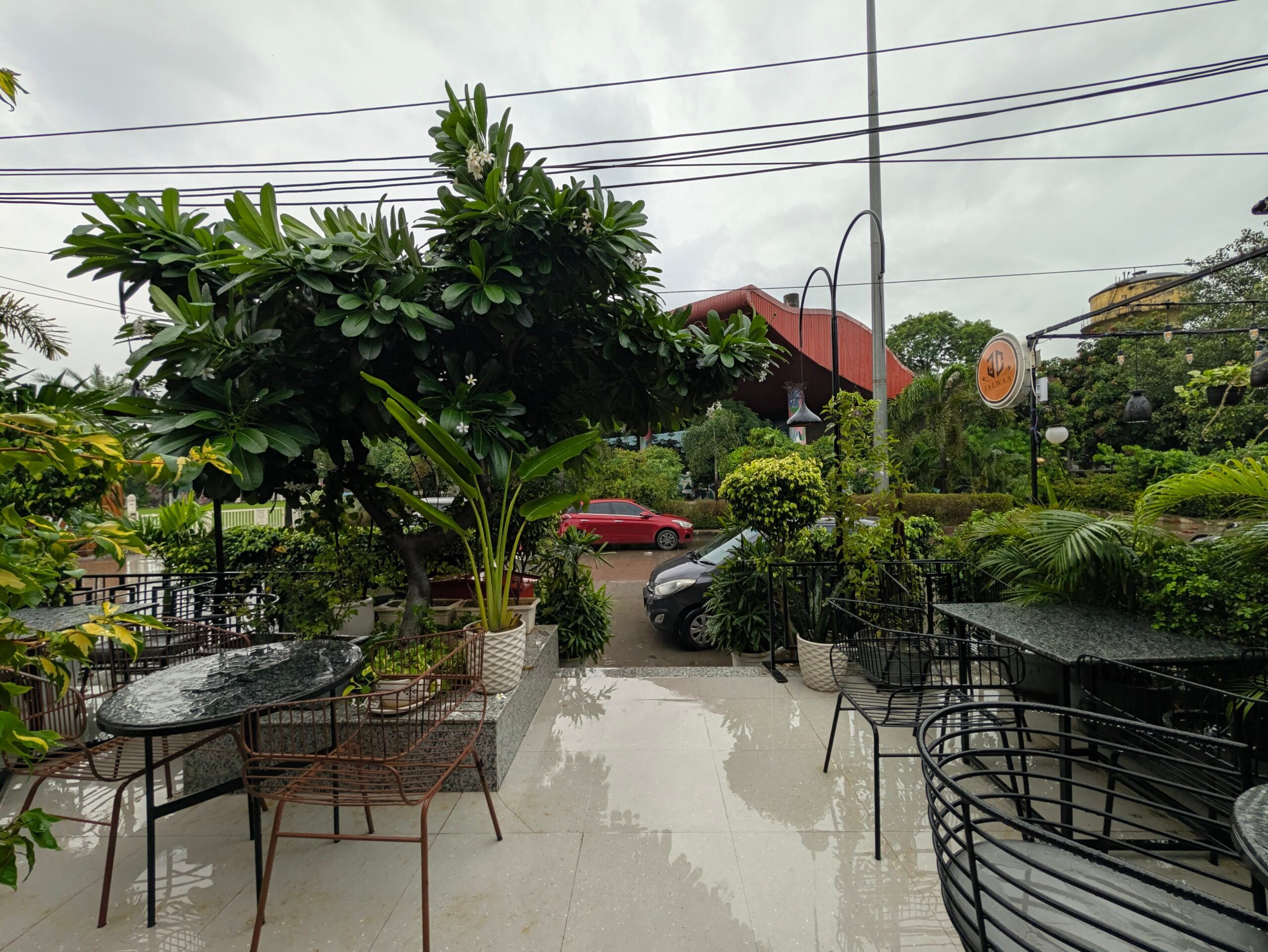
Selfie camera
First things first: the selfie camera on the Pixel 11 Pro XL is wider than the one on my iPhone 17. Whether you’re capturing pictures indoors or outdoors, in artificial or natural lighting, or squeezing a crowd into frame, the camera rises to the occasion, I’d say.


Thanks to its 42MP resolution, it’s superb at holding onto facial detail and skin texture. In my opinion, low-light results are realistic and sharp. In fact, I’d go so far as to say the pictures are livelier, contrastier, and a bit punchier than what I get on my iPhone, and I lowkey like it.

Given the wider field of view, Google could have built in a Center Stage-like experience on this camera, but that might be saved for the next Pixel, or a future Pixel Drop.
Camera score: 9/10
Google Pixel 11 Pro XL battery: A slow start, but a strong recovery
Quick Take: The Pixel 11 Pro XL takes a few days to find its rhythm, but ultimately delivers reliable all-day battery life and excellent wireless charging.
As I’ve already mentioned in a dedicated feature, the battery life on the Pixel 11 Pro XL was off to a rocky start. In the first few days, I got between 5 hours 30 minutes and 6 hours of screen-on time with what I’d call light to moderate usage. However, once Google’s Adaptive Battery algorithms had enough data, things turned a corner and restored my faith in the device.
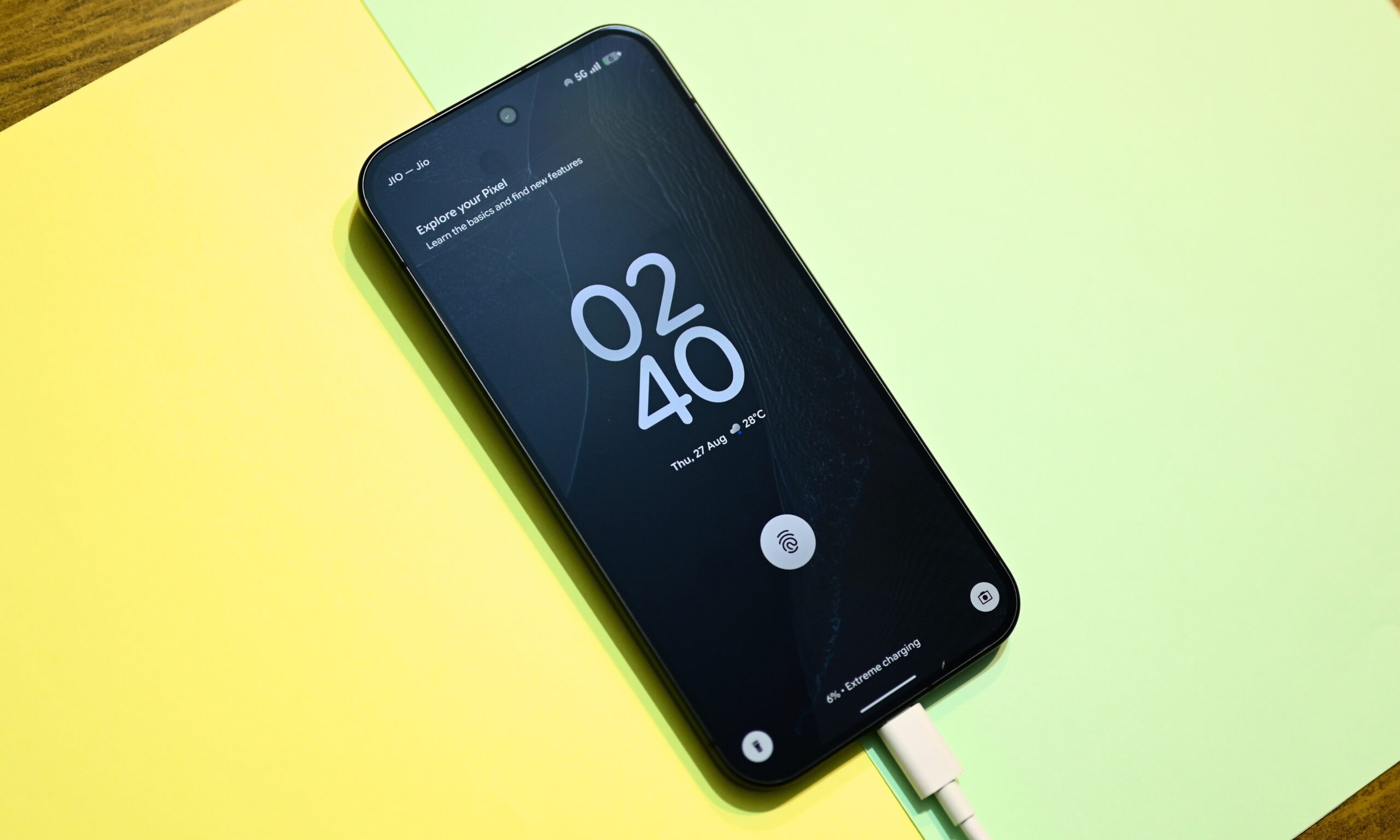
Battery life here is best measured two ways: by the hours the screen stays lit, and by how many days you can stretch between charges.
The highest screen time the Pixel 11 Pro XL has squeezed from its 5,115mAh cell is a little over 8 hours.
Though that was with light usage while I leaned on my iPhone 17 on the side. On days I relied on the Google flagship alone, it delivered around 7 hours of screen-on time. On heavier days, with back-to-back benchmark runs and camera sample collection, that number dropped to under 5 hours.
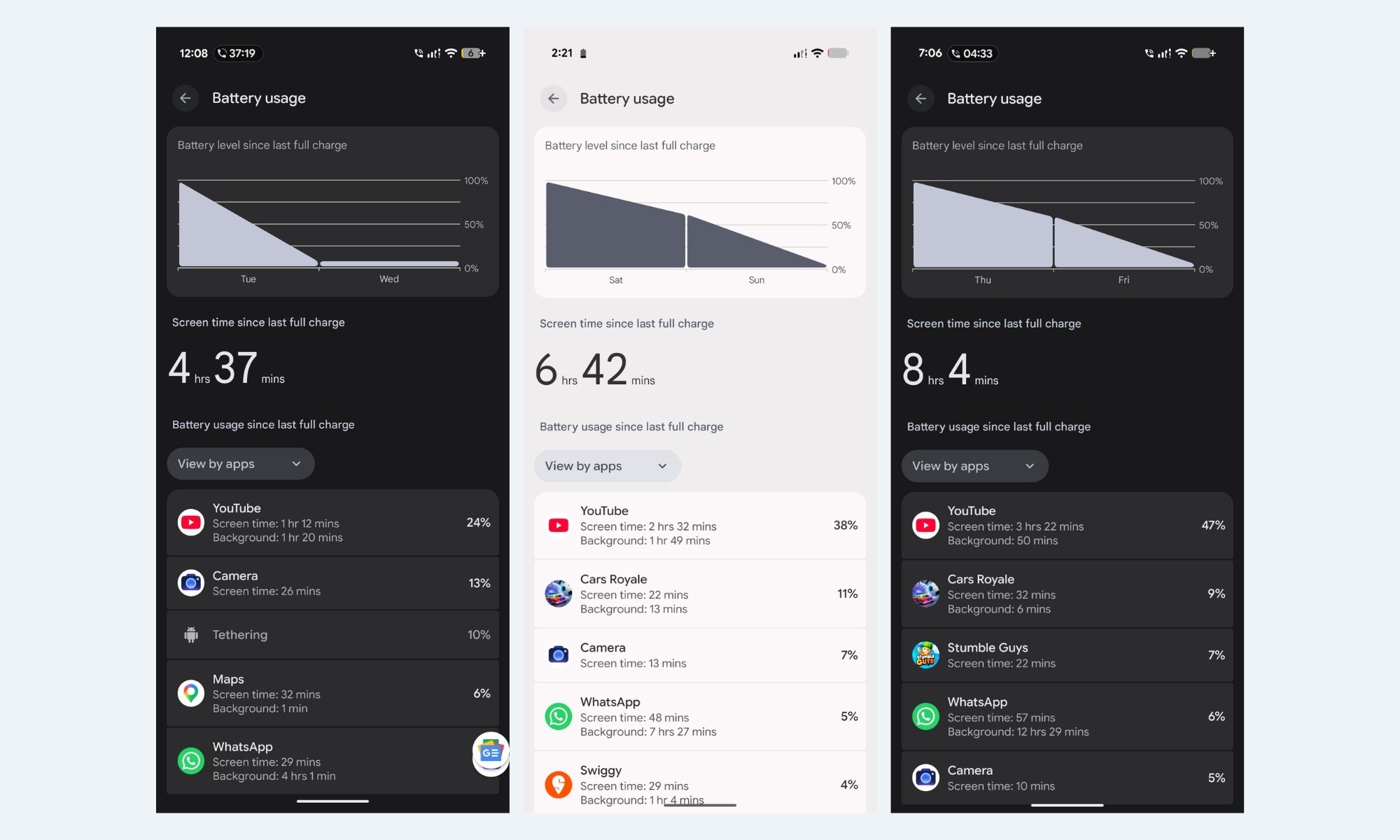
If you’re using the Pixel 11 Pro XL as your primary device, expect about 6 to 7 hours of screen-on time. Whether you spread that across 24 hours or the 31-plus hours Google claims is up to you. I personally never drained the battery in a single day, heading to bed with 20 to 30% still left in the tank.
Google’s achievement is commendable, especially given the trimmed battery capacity. However, the S26 Ultra and the iPhone 17 Pro Max both extract better numbers from a similar battery, or, in the iPhone’s case, a noticeably smaller one. I suspect Google missed the 2nm bus this year, a node that could have unlocked real efficiency gains.
The competition still pulls ahead.
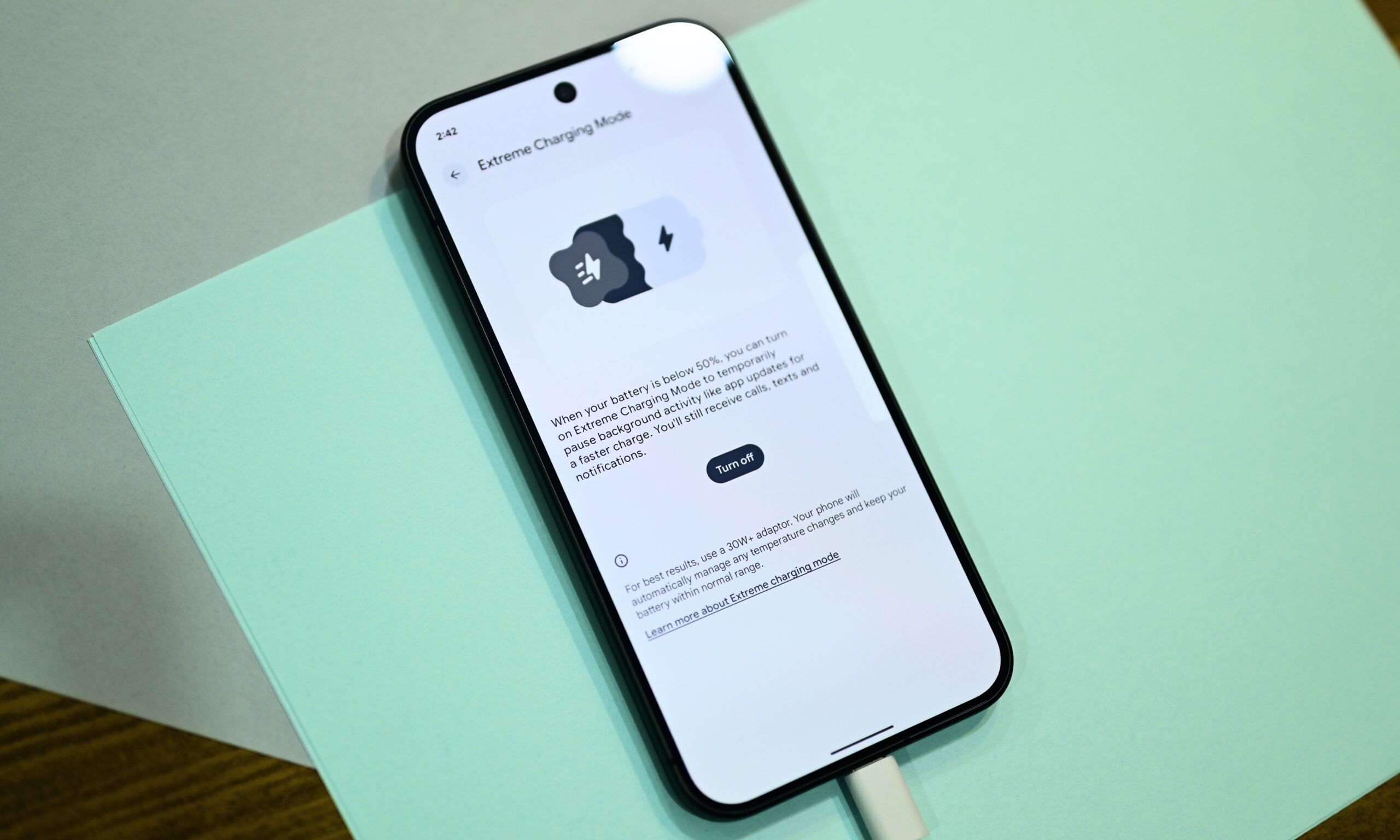
Like its peers, the Pixel 11 Pro XL sits out of the ultra-fast wired charging race. A full charge takes between 60 and 75 minutes, depending on whether you’ve switched on Extreme Charging mode, which unlocks the full 45W. A quick toggle appears at the bottom of the screen the moment you plug in, or you can dig into the battery settings menu to enable it manually.
Fair warning: the phone runs warm under the dedicated fast-charging mode, which pushes the wattage to 45W with a compatible charger.
What genuinely won me over about the Pixel 11 Pro XL is its Pixelsnap wireless charging, now Qi2.2-certified. The phone charged flawlessly on a third-party wireless charger I’d originally bought for my baseline iPhone 17, one of those rare moments where an accessory earns its keep across two entirely different ecosystems.
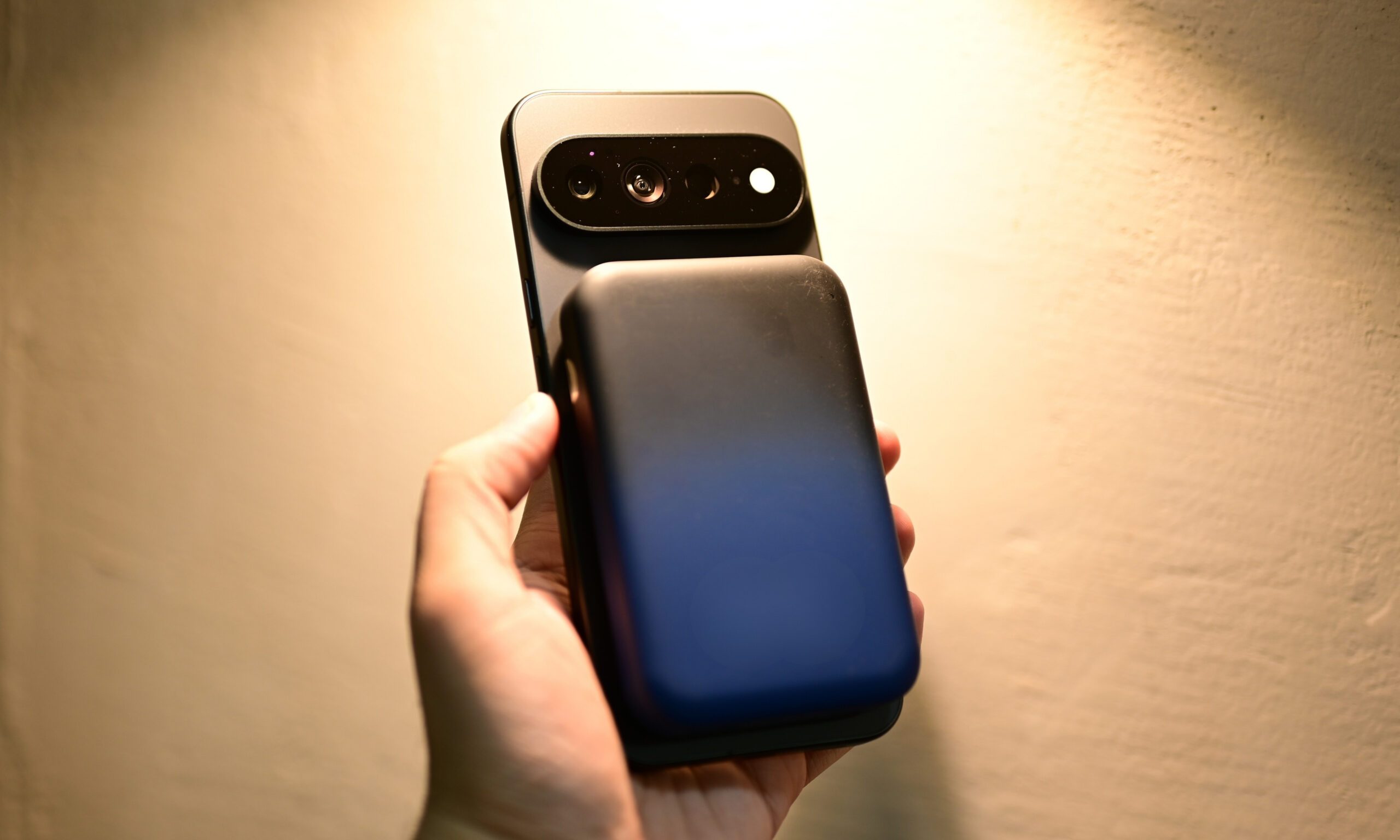
Samsung hasn’t joined that party yet; its flagships still need an external magnetic case just to charge wirelessly. As for idle drain, the always-on display costs around 5-6% over four hours. If that number bothers you, you can turn the feature off with a tap.
Like iOS, Android 17 battery settings let you check battery health at a glance and enable charge optimization, which caps charging at 80%.
Battery score: 8.5/10
Should you buy?
If you’re already a Pixel 8 Pro or Pixel 9 Pro user and want to stick with Pixel, you should definitely consider upgrading to the Pixel 11 Pro XL. Not only does the handset offer better battery life and more chipset power, but it also has one of the best camera systems on a flagship in the US, along with Google’s most refined and pristine version of the Android operating system and Gemini AI features.
You can also consider it if you’re an iPhone user willing to switch to stock Android and give Gemini a test drive. At $1,299, the Pixel 11 Pro XL is a great option for photographers, Android enthusiasts, and anyone who doesn’t play demanding games on their smartphone.
The only thing that bothers me about the handset, and keeps me from recommending it to heavier users, is its chipset. It may be designed to complement a user’s day-to-day needs, but Google is clearly prioritizing on-device AI performance over peak processing power. That trade-off affects more than just gaming and could ultimately affect how well the phone handles demanding tasks over time.
Why not try
- Samsung Galaxy S26 Ultra: If the benchmark gap bothered you as much as it bothered me, this is where you land instead. The handset also offers an excellent quad-camera array with two dedicated telephoto sensors, a battery that outlasts the Pixel 11 Pro XL, and a built-in S Pen that currently has no match in the market.
- Pixel 11 Pro: Everything I liked about the XL’s cameras and software carries over to the smaller Pro model, minus the size and weight that make one-handed use a genuine struggle on the XL.
- Wait for the iPhone 18 Pro: If you’re already leaning toward Apple and can hold off, iPhone 18 Pro models are expected later this year and could reset the bar on the very things the Pixel 11 Pro XL still trails on.
How I tested
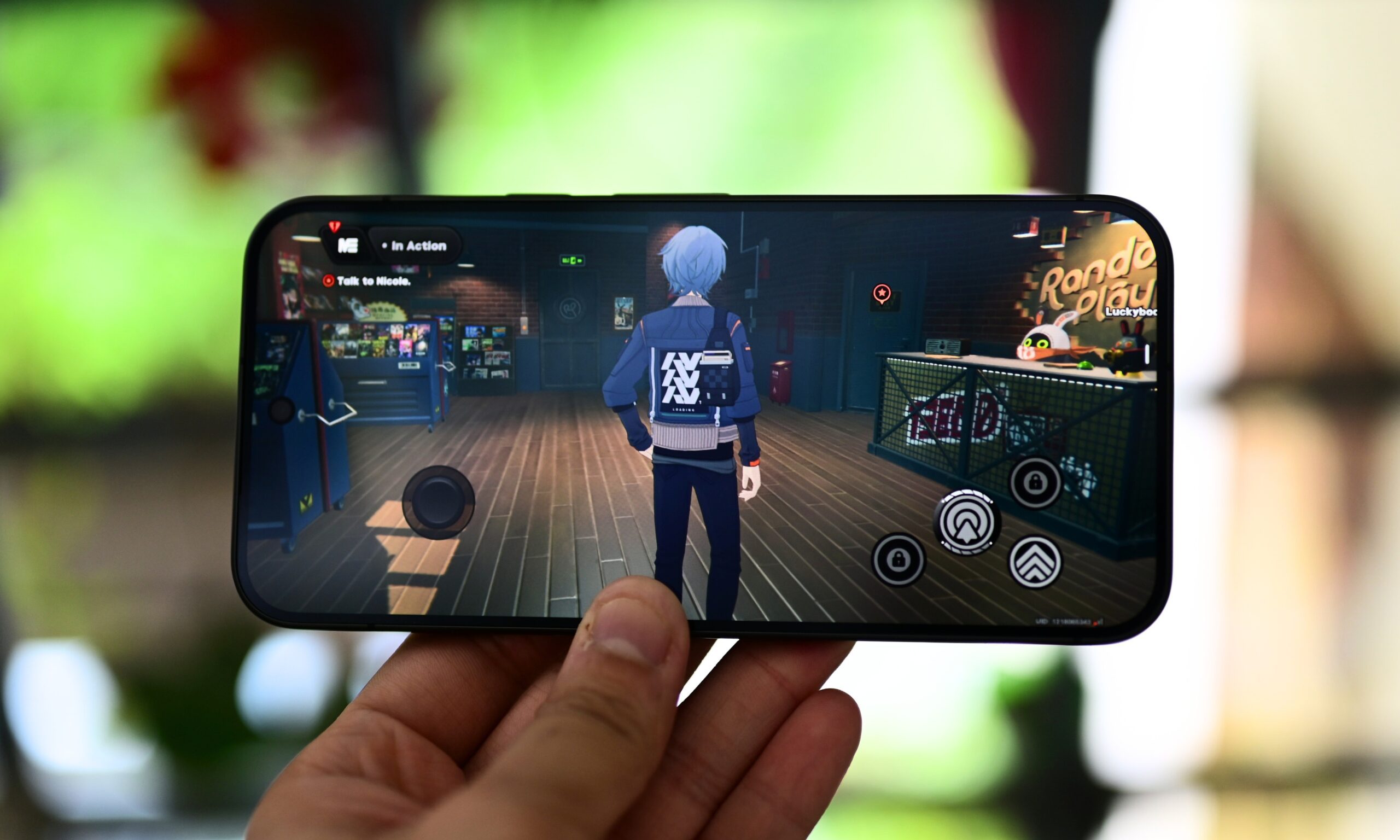
I used the Pixel 11 Pro XL as my only phone for over a week, running it through the same routine I put every flagship through: messaging apps, social media, streaming, a mix of casual and demanding games including BGMI, and daily photography in whatever lighting I happened to be in.
My iPhone 17 stayed close by throughout, serving as the constant reference point for camera comparisons, display brightness, and battery behavior, and I spent brief but direct time with a Galaxy S26 Ultra to sanity-check benchmark results and outdoor screen visibility side by side.
For performance, I leaned on AnTuTu v11, Geekbench 6, and 3DMark Wildlife Extreme along with its 20-loop stress test, and pushed the camera system across daylight, low-light, portrait, macro, and zoom scenarios to see where Google’s processing choices held up and where they didn’t.
FAQs
Is the Pixel 11 Pro XL waterproof?
Not fully. It carries an IP68 rating, which covers submersion up to 1.5 meters of fresh water for 30 minutes under lab conditions.
Does the Pixel 11 Pro XL support wireless charging?
Yes, through Pixelsnap, which is now Qi2.2-certified. In my testing, it charged without issue on a third-party magnetic charger I’d originally bought for my iPhone 17.
How much does the Pixel 11 Pro XL cost?
The 512GB, 16GB RAM configuration I tested is priced at $1,419.99.