
If there’s one thing that has disrupted consumer tech economics over the last year while changing how we understand and recommend products, it’s the ever-rising cost of memory and chips.
The desperate need to scale up AI infrastructure has pushed major manufacturers to prioritize enterprise demand, leaving everyday consumers with far fewer choices. Those available cost significantly more than they did a year ago.
RAMageddon is disrupting consumer tech economics
You could’ve dismissed the memory crisis as a theory, but if even the world’s most valuable consumer tech company is feeling the pressure, it’s safe to say that it’s become a reality today, a harsher reality than many expected.
Apple has a reputation for arriving late and landing well: OLED displays, always-on displays, and Siri AI all followed that script. Unfortunately, I can say the same for memory-driven price hikes; it’s Apple’s steepest mid-cycle price increase.
Not every product category has been hit equally. In fact, Apple has left iPhones out of this for now. However, tablets, mini PCs, and laptops have borne the brunt of it.

MacBook Neo lost to RAMageddon three months after launch
The situation is so ugly that Apple had to increase the MacBook Neo’s price by $100, a double-digit jump over its launch price.
If you’re somehow under a rock, Apple’s MacBook Neo took the entire laptop industry by surprise in March, launching it at $599 for the base model, with 8GB of RAM, 256GB of storage, and an iPhone-class chip that was surprisingly capable.
The Neo sold better than Apple had initially expected; it practically flew off store shelves. Just a month after its debut, the company reportedly increased its order from “several million” units to over 10 million.
As someone who has been monitoring the Neo’s launch quite closely, I can give you more than a couple of reasons why.

Why the Neo’s pricing still works
Packing an aluminum unibody into a $599 device while competitors settled for cheap-feeling plastic, bringing Apple Intelligence features previously available only on premium MacBooks and iPhones to a much lower price point, and serving as an aggressive Apple ecosystem gateway, the Neo checked almost every box that mattered; that’s its true appeal.
Even after the $100 price hike, I’d say that the Neo still commands a unique position in the market, where it’s $400 to $500 cheaper than the entry-level M5 MacBook Air and offers better price-to-performance and value than most options in the segment.
And that’s exactly why I hope Apple doesn’t “fix” the MacBook Neo next year by turning it into an AI-first device.

Dear Apple: The Neo ain’t broke, please don’t fix it
The consumer tech industry, as a whole, is obsessed with AI.
Take Windows OEMs as an example. Even though a regular customer doesn’t care about on-device AI features powered by local LLMs or the local AI compute, most brands below the $1,000 mark are running behind Microsoft’s Copilot+ PC tags, which require at least 45 TOPS of on-device AI compute power.
That, in turn, requires more powerful CPUs, GPUs, or integrated system-on-chips like Qualcomm’s. Those machines also need larger memory pools and faster memory, all of which inevitably push prices higher.
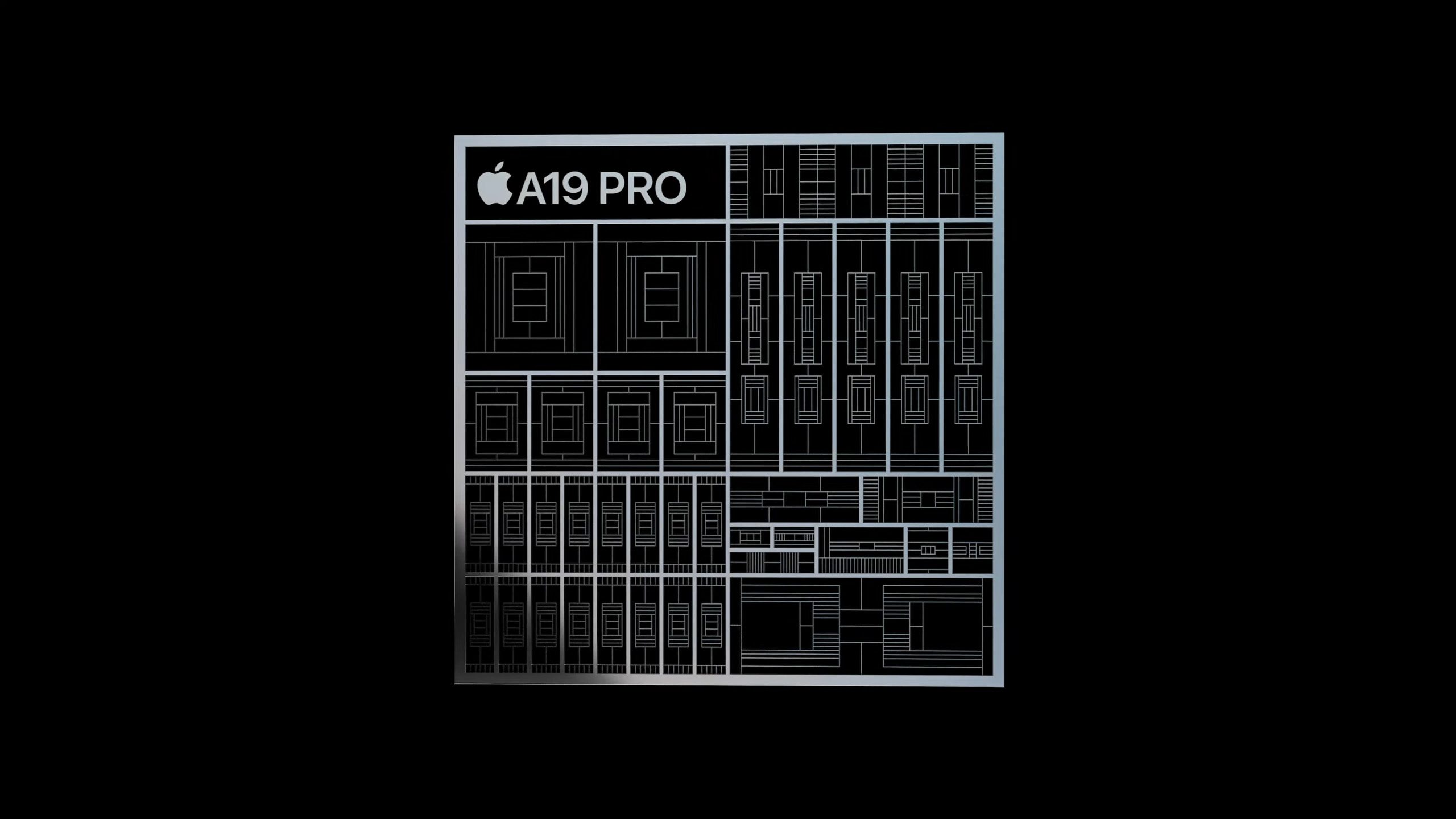
That’s precisely why the MacBook Neo — with 8GB of RAM and its reportedly repurposed A18 Pro chip — made so much sense from day one.
It’s built for everyday computing, not local AI workflows
It didn’t need to look good on the specifications table, simply because Apple knew exactly what customers are looking for.
People looking for a budget laptop usually want to browse the web, manage their documents and emails, attend Google Meet or Zoom calls, view and edit a couple of photos, and watch new movies or web shows on Netflix or their favorite OTT platform.
That is the target audience the Neo is made for: Neo is not made for people running local LLMs, generating AI images (especially with on-device tools), or editing or generating videos all day long.

Apple is already embracing a segmented AI strategy
Apple’s current strategy is already segmented. Older iPhones, like the iPhone 15, don’t support Apple Intelligence. While the new Siri AI experience is available on the MacBook Neo and the iPhone 17, more advanced features like on-device Siri voices and natural dictation are limited to the iPhone 17 Pro or iPhone Air.
In other words, Apple isn’t treating AI as a uniform experience anyway. The company is comfortable drawing those lines, which means the Neo’s successor doesn’t need to chase parity. It just needs to hold its lane.
If Apple wants to improve performance, it could simply reuse the binned A19 Pro chips, much like it reportedly did with the A18 Pro chip in the Neo, without significantly increasing the price by placing fresh orders.
Using relatively older tech, like DDR4 memory, which Apple could source at a meaningfully lower cost and is perfectly usable on the device, is fine.


Neo 2 needs “good enough” hardware, not the latest
The Neo doesn’t need to participate in the AI arms race with desktop-class NPUs, a massive GPU, 16GB of mandatory baseline memory, or even the latest DDR5-class memory chips for browsing through the web or sitting through Zoom calls, especially when the situation will allegedly get worse through the later half of 2026 and 2027.
More importantly, those are the kinds of components that can easily add $100 or $200 to the device’s price, pushing it closer to the $1,000 mark and resulting in internal cannibalization with the Air, which has a much more powerful chip.
Once that gap starts to blur, the Neo risks losing the very identity that makes it compelling. Keep in mind that the 512GB storage variant already costs $800 in the United States.
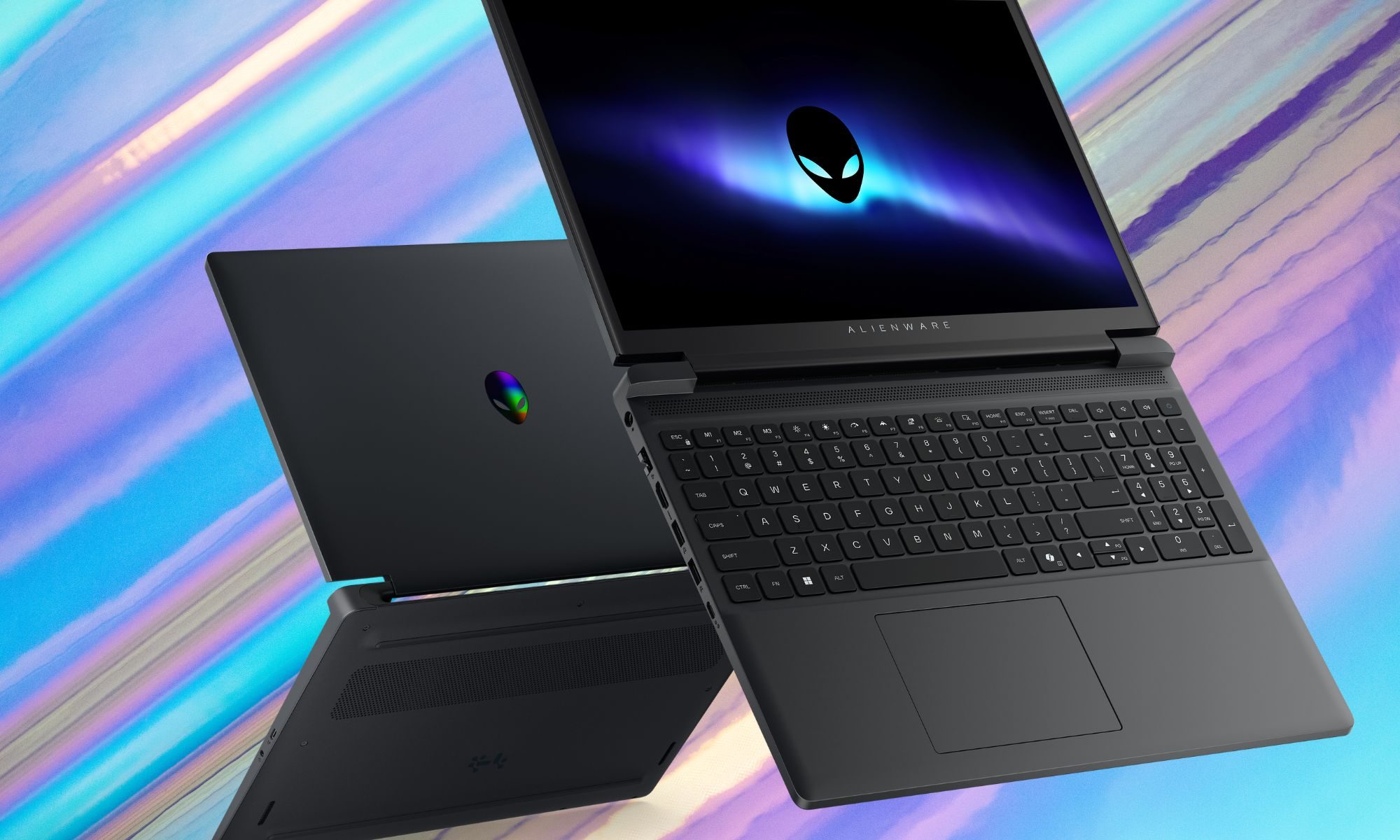
Apple wouldn’t be the first to take this approach. Intel is bringing back older processors for budget machines. Dell recently launched laptops powered by Nvidia’s aging RTX 3050 GPU. Neither company pretends that everyone needs the latest CPU or GPU, recognizing the value of “good enough” hardware.
Neo shouldn’t lose its real identity
The Neo worked because it knew what it wanted to be: an affordable entry-level laptop that handles all your lightweight day-to-day tasks while being light on your wallet. Its biggest strength was knowing how few AI it actually needed to succeed.
I’d like to say only one thing in the end: the best cheap MacBook is worth far more than the cheapest AI MacBook, which costs hundreds more.
I hope the team in Cupertino keeps that in mind as they work on the Neo’s successor.